Behavior
Recent articles
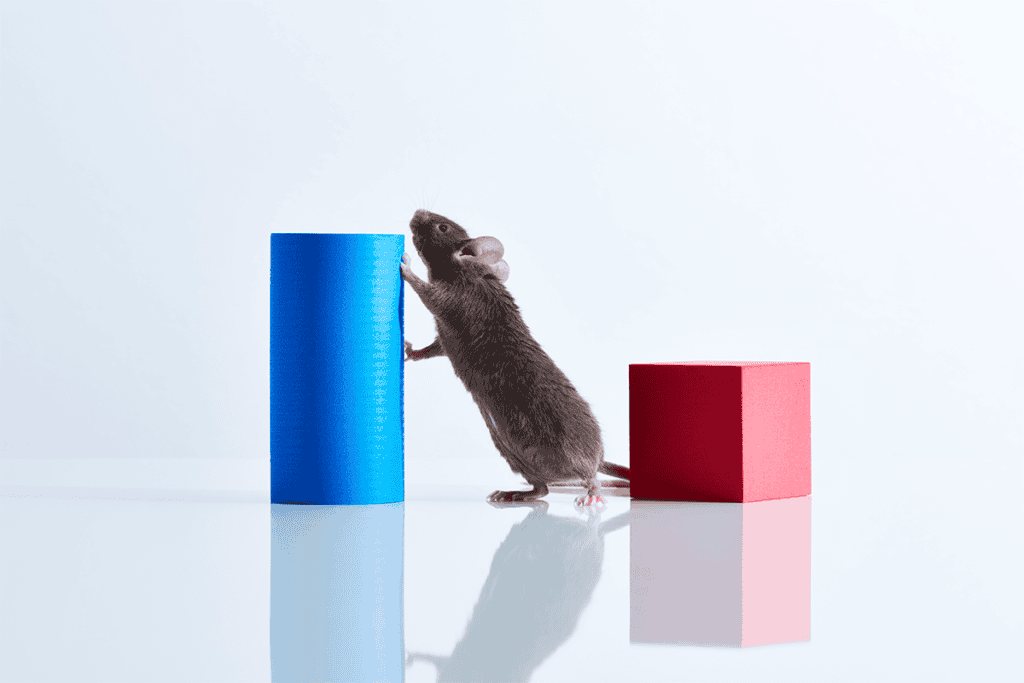
Wouldn’t you like to know? A mouse would
Mice seek information for curiosity’s sake—and their desire for knowledge versus a payout is represented distinctly in the brain, new findings suggest.
Wouldn’t you like to know? A mouse would
Mice seek information for curiosity’s sake—and their desire for knowledge versus a payout is represented distinctly in the brain, new findings suggest.
Brainstem neurons add new element to ‘already complex’ anxiety circuitry
Precise optogenetic modulation of a medullary neuron population reveals their role in anxiety-like behaviors.
Brainstem neurons add new element to ‘already complex’ anxiety circuitry
Precise optogenetic modulation of a medullary neuron population reveals their role in anxiety-like behaviors.
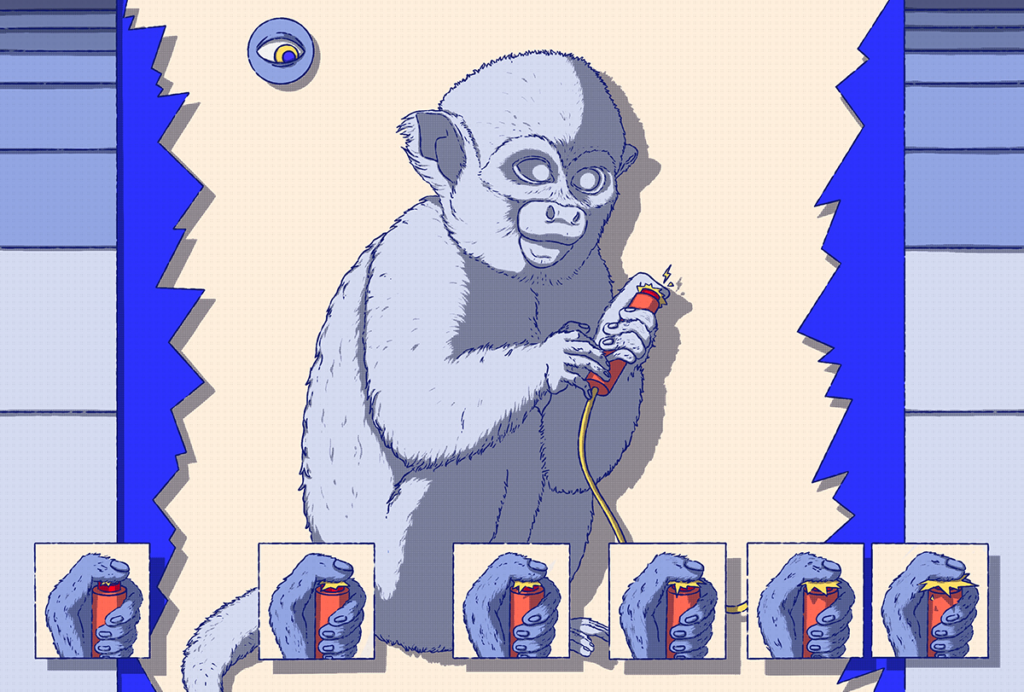
This paper changed my life: Erin Calipari ponders the nuances of rewarding and aversive stimuli
A 1960s study by Kelleher and Morse found that lever pressing in squirrel monkeys depended not on whether they received a reward or shock, but on the rules of the task. This taught Calipari to think deeply about factors that influence how behavior is generated and maintained.
This paper changed my life: Erin Calipari ponders the nuances of rewarding and aversive stimuli
A 1960s study by Kelleher and Morse found that lever pressing in squirrel monkeys depended not on whether they received a reward or shock, but on the rules of the task. This taught Calipari to think deeply about factors that influence how behavior is generated and maintained.
Error equation predicts brain’s ability to generalize
Four statistical measurements of neural network geometry capture how well brains and artificial networks use what they already know to solve new problems, a study suggests.
Error equation predicts brain’s ability to generalize
Four statistical measurements of neural network geometry capture how well brains and artificial networks use what they already know to solve new problems, a study suggests.
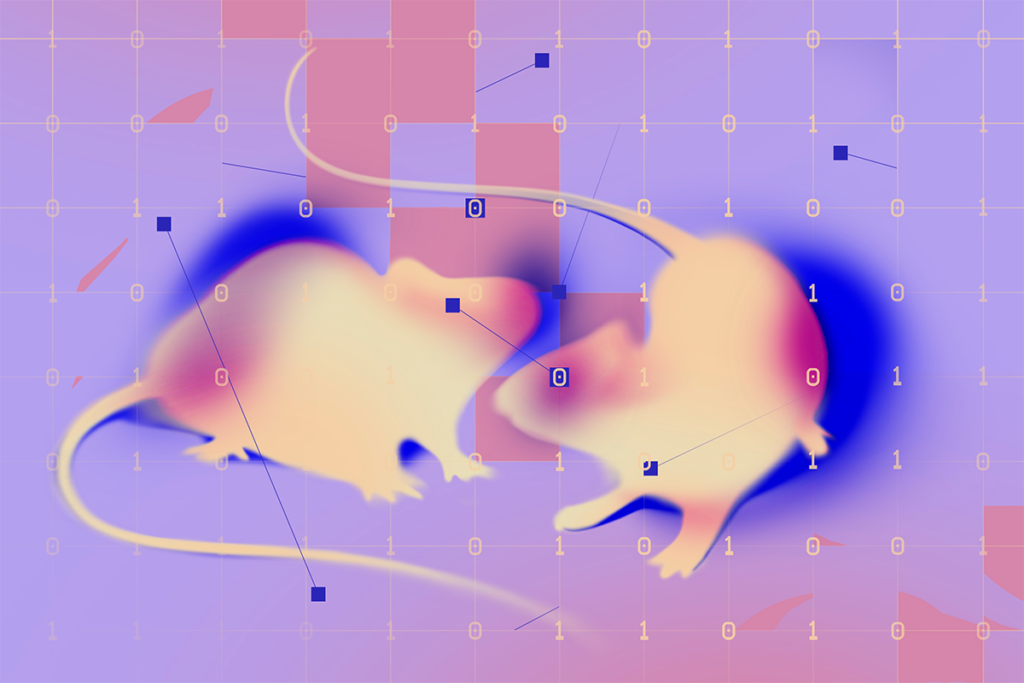
How artificial agents can help us understand social recognition
Neuroscience is chasing the complexity of social behavior, yet we have not answered the simplest question in the chain: How does a brain know “who is who”? Emerging multi-agent artificial intelligence may help accelerate our understanding of this fundamental computation.
How artificial agents can help us understand social recognition
Neuroscience is chasing the complexity of social behavior, yet we have not answered the simplest question in the chain: How does a brain know “who is who”? Emerging multi-agent artificial intelligence may help accelerate our understanding of this fundamental computation.
Can neuroscientists decode memories solely from a map of synaptic connections?
Five experts discuss the progress, possibilities and hurdles of decoding a “nontrivial” memory from an organism just by analyzing its brain connectivity patterns.
Can neuroscientists decode memories solely from a map of synaptic connections?
Five experts discuss the progress, possibilities and hurdles of decoding a “nontrivial” memory from an organism just by analyzing its brain connectivity patterns.

What are the fastest-growing areas in neuroscience?
Respondents pointed to computational neuroscience, systems neuroscience, neuroimmunology and neuroimaging, among other subfields.
What are the fastest-growing areas in neuroscience?
Respondents pointed to computational neuroscience, systems neuroscience, neuroimmunology and neuroimaging, among other subfields.
What should the field prioritize over the next 10 years?
Respondents pointed to a range of challenges in basic neuroscience—such as understanding naturalistic behaviors, intelligence and embodied cognition—and called for more circuit-level research, more precise brain recordings and more work in alternative models. Just as many pushed for a translational pivot.
What should the field prioritize over the next 10 years?
Respondents pointed to a range of challenges in basic neuroscience—such as understanding naturalistic behaviors, intelligence and embodied cognition—and called for more circuit-level research, more precise brain recordings and more work in alternative models. Just as many pushed for a translational pivot.
Aging as adaptation: Learning the brain’s recipe for resilience
Some age-related changes in the brain and in behavior are not solely the result of cognitive decline but rather part of a larger adaptive process.
Aging as adaptation: Learning the brain’s recipe for resilience
Some age-related changes in the brain and in behavior are not solely the result of cognitive decline but rather part of a larger adaptive process.
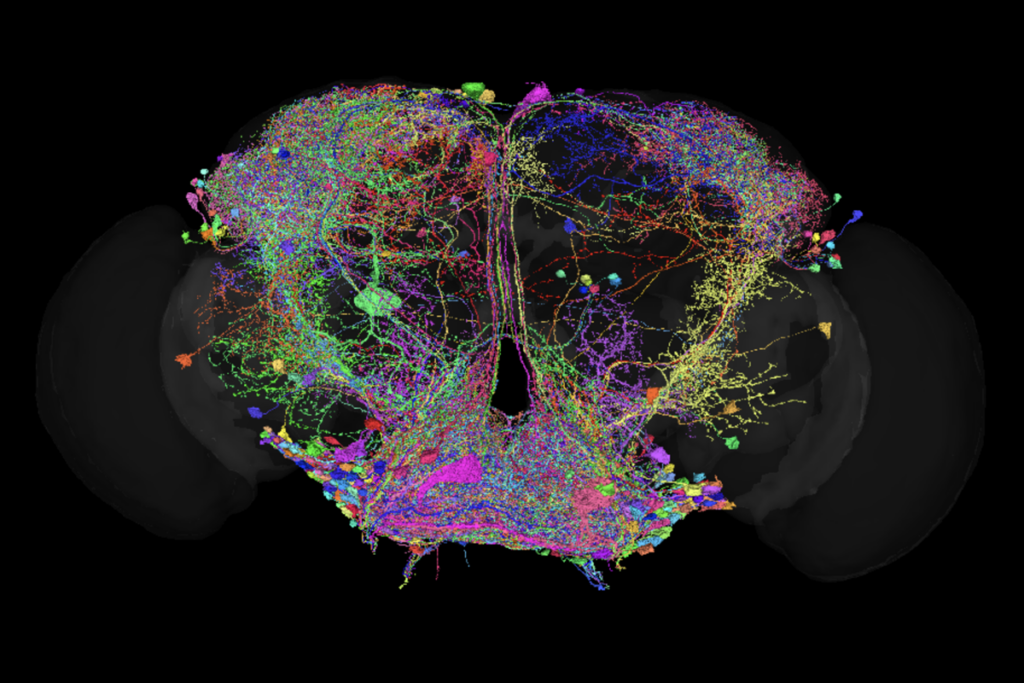
One year of FlyWire: How the resource is redefining Drosophila research
We asked nine neuroscientists how they are using FlyWire data in their labs, how the connectome has transformed the field and what new tools they would like to see in the future.
One year of FlyWire: How the resource is redefining Drosophila research
We asked nine neuroscientists how they are using FlyWire data in their labs, how the connectome has transformed the field and what new tools they would like to see in the future.
Explore more from The Transmitter

Creating community through grant support
Fiona Sanderson, a senior program manager at the Brain Canada Foundation, shares how she got into grant administration and how she helps connect researchers with funding and one another.
Creating community through grant support
Fiona Sanderson, a senior program manager at the Brain Canada Foundation, shares how she got into grant administration and how she helps connect researchers with funding and one another.

This paper changed my life: A first glimpse into the ‘middle’ of brain processing
Work by Jeffrey Moran and Robert Desimone showed that monkeys could focus their attention on different stimuli in their visual field without shifting their gaze. Their work marked a key milestone in the emergence of cognitive neuroscience.
This paper changed my life: A first glimpse into the ‘middle’ of brain processing
Work by Jeffrey Moran and Robert Desimone showed that monkeys could focus their attention on different stimuli in their visual field without shifting their gaze. Their work marked a key milestone in the emergence of cognitive neuroscience.
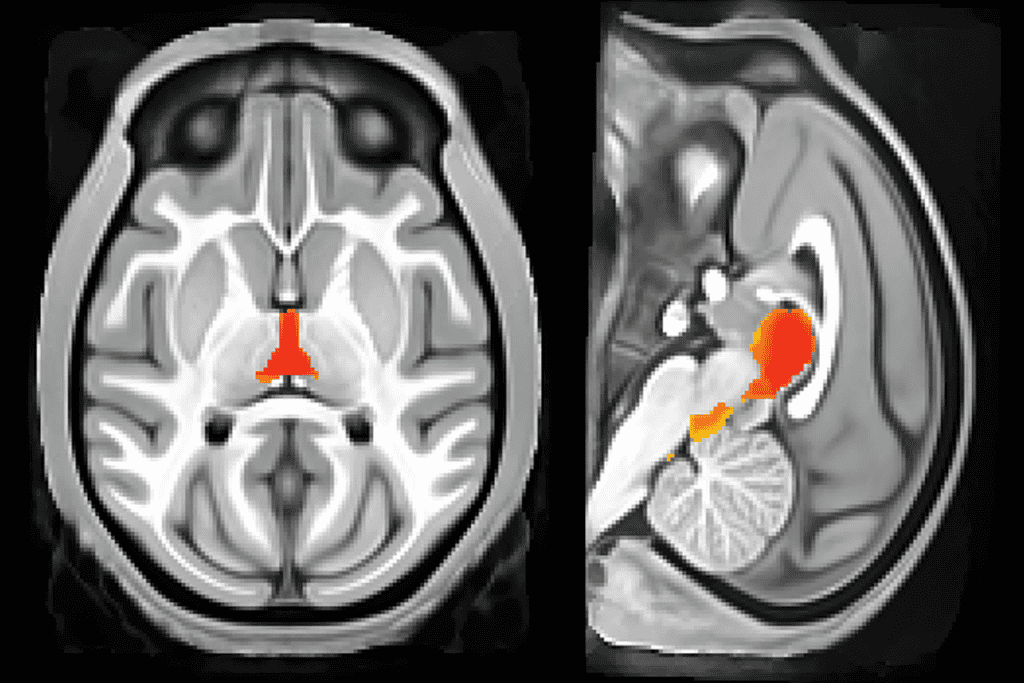
Acetaminophen effects on developing brain organoids; and more
Here is a roundup of autism-related news and research spotted around the web for the week of 12 October.
Acetaminophen effects on developing brain organoids; and more
Here is a roundup of autism-related news and research spotted around the web for the week of 12 October.