Anna Nowogrodzki is a freelance journalist. Her writing can be found in National Geographic, Smithsonian, Nautilus, and Nature, among other publications, and she can be found in the Boston area on her bicycle.
ᐧ
Anna Nowogrodzki is a freelance journalist. Her writing can be found in National Geographic, Smithsonian, Nautilus, and Nature, among other publications, and she can be found in the Boston area on her bicycle.
ᐧ
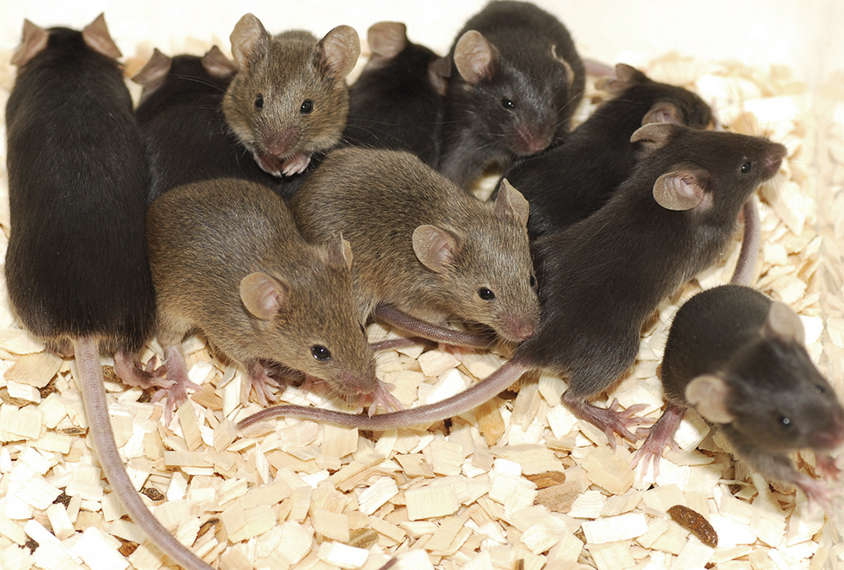
Mutations in the autism gene NLGN3 may alter the gut nervous system of mice.
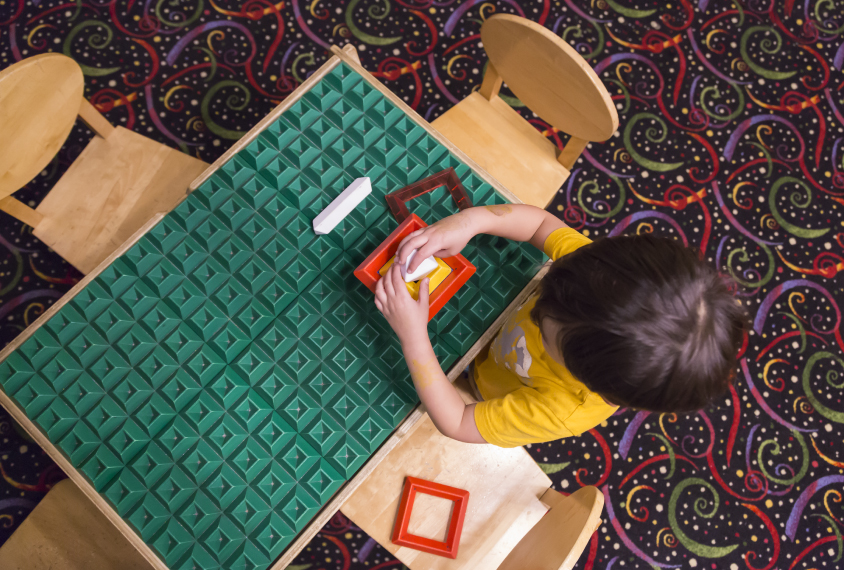
A much-touted behavioral therapy for autism, the Early Start Denver Model, may not be as effective as its creators had hoped.
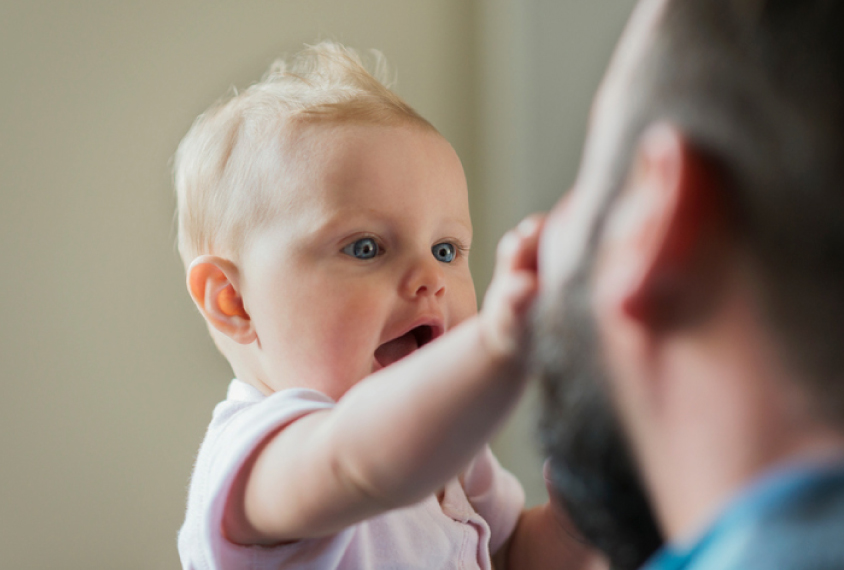
Parents who have one child with an autism diagnosis can more accurately spot signs of the condition in their younger child at 12 months of age than clinicians can.
Asking participants in genetic databases about their family’s medical history can help researchers uncover genetic variants tied to conditions such as autism.
In his new book, published today, Michael W. Cole examines how the movement of neuronal activity between neuronal populations shapes free will, intelligence and creativity. In this excerpt from Chapter 1, Cole explores why activity flows could unify efforts to map brain functions and connectivity.
In his new book, published today, Michael W. Cole examines how the movement of neuronal activity between neuronal populations shapes free will, intelligence and creativity. In this excerpt from Chapter 1, Cole explores why activity flows could unify efforts to map brain functions and connectivity.
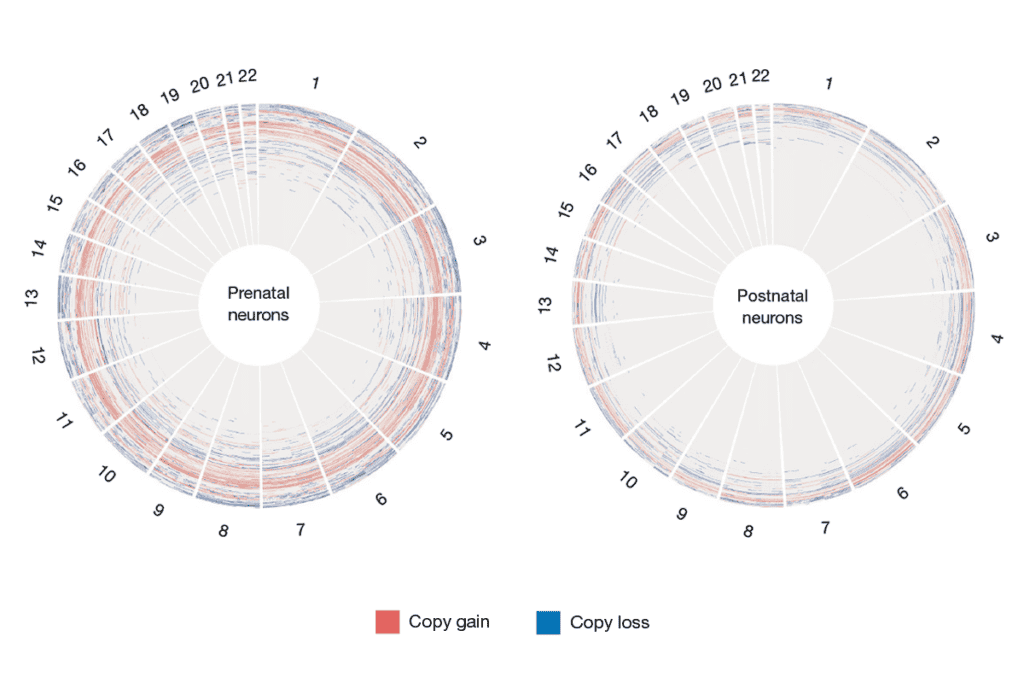
Here is a roundup of autism-related news and research spotted around the web for the week of 2 November.
Here is a roundup of autism-related news and research spotted around the web for the week of 2 November.
The effort, funded by private donors, seeks to train the model on a trove of MRI and magnetoencephalography data that scientists plan to collect over the next five years—but questions about its scientific utility and feasibility remain.
The effort, funded by private donors, seeks to train the model on a trove of MRI and magnetoencephalography data that scientists plan to collect over the next five years—but questions about its scientific utility and feasibility remain.