Emily Elert
Freelance Writer & Illustrator
SFARI.org
From this contributor

Autism may lower risk of childhood injuries
Children with autism often appear to be clumsy, but in fact the disorder may protect them from injury, suggests a study published in the July-August issue of Academic Pediatrics.
Parents’ mental illness raises risk of autism
Severe mental illness such as schizophrenia or bipolar disorder in a parent significantly ups autism risk.
Education biggest contributor to autism’s high costs
In the U.S. and U.K., education is the largest cost associated with caring for children with autism.
Education biggest contributor to autism’s high costs
Explore more from The Transmitter
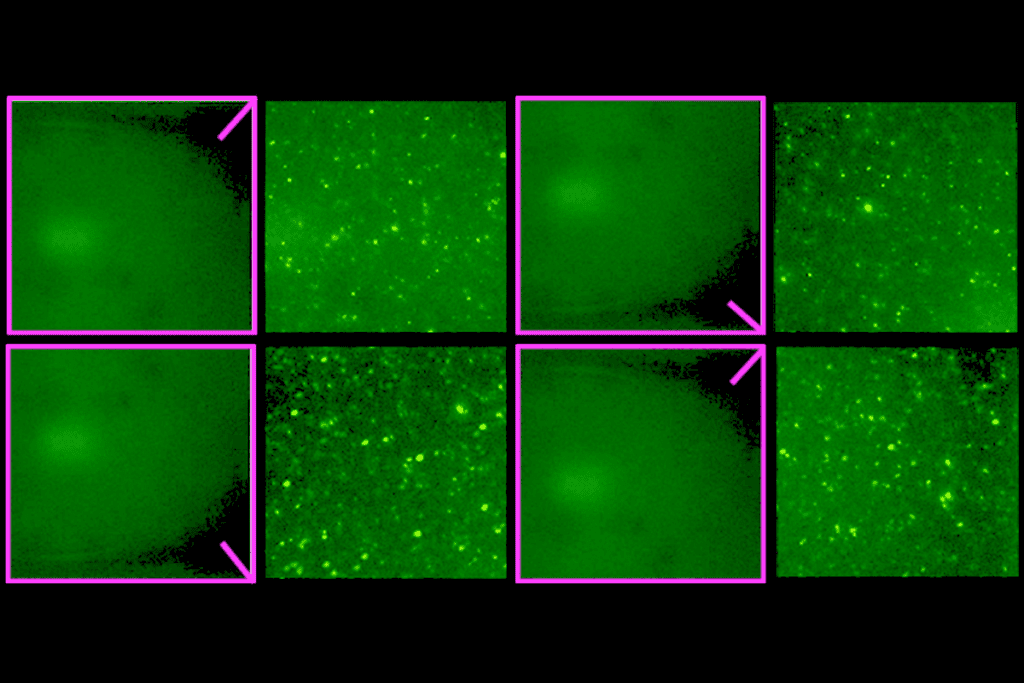
University probe leads to retraction of four neural tube studies
The University of Maryland conducted an internal investigation that identified image duplications and other data integrity issues in the studies, according to the retraction notices.
University probe leads to retraction of four neural tube studies
The University of Maryland conducted an internal investigation that identified image duplications and other data integrity issues in the studies, according to the retraction notices.

Highly cited autism paper earns expression of concern over data duplications
The notice, published in Nature last week, also addressed an image duplication identified by a prominent research-integrity sleuth.
Highly cited autism paper earns expression of concern over data duplications
The notice, published in Nature last week, also addressed an image duplication identified by a prominent research-integrity sleuth.
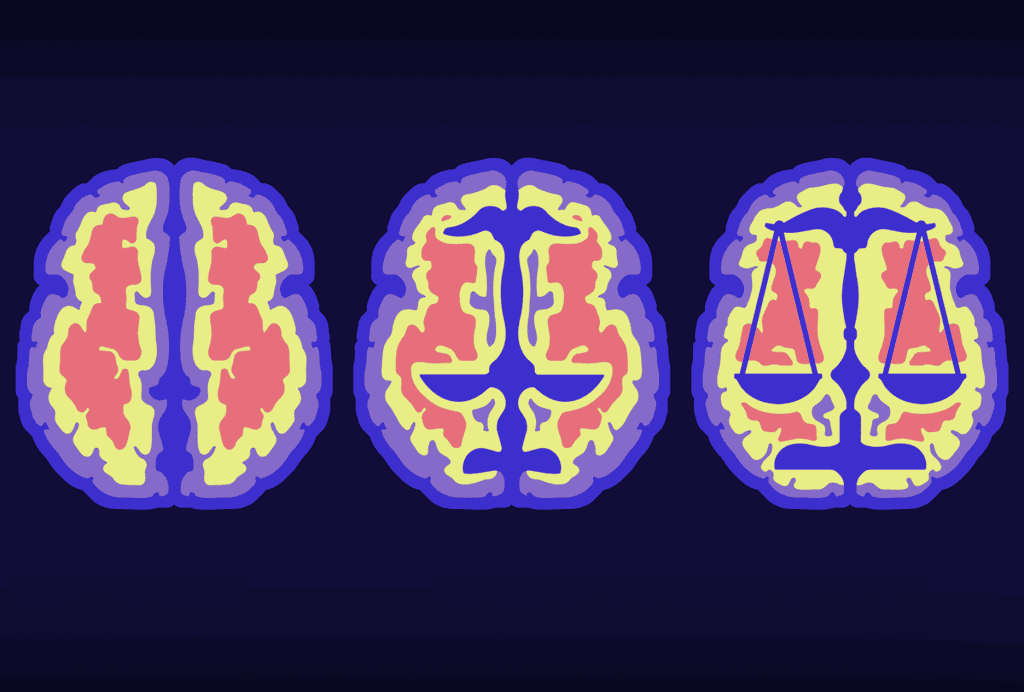
Govern neurodata by how it’s used, not where it’s from
New neurodata laws will shape how researchers gather, share and reuse brain data. A use-based governance protects basic researchers and those whose data are being used, without freezing science.
Govern neurodata by how it’s used, not where it’s from
New neurodata laws will shape how researchers gather, share and reuse brain data. A use-based governance protects basic researchers and those whose data are being used, without freezing science.