Mariya Toneva is a faculty member at the Max Planck Institute for Software Systems, where she leads the Bridging AI and Neuroscience (BrAIN) group. Her research bridges natural language processing, machine learning and cognitive neuroscience to develop computational models that deepen our understanding of how the brain processes language and guide the creation of more human-aligned AI systems. Her pioneering work at this intersection has been recognized and supported by the U.S. National Science Foundation, the German Research Foundation and the European Research Council through an ERC Starting Grant.

Mariya Toneva
Faculty member
Max Planck Institute for Software Systems
From this contributor
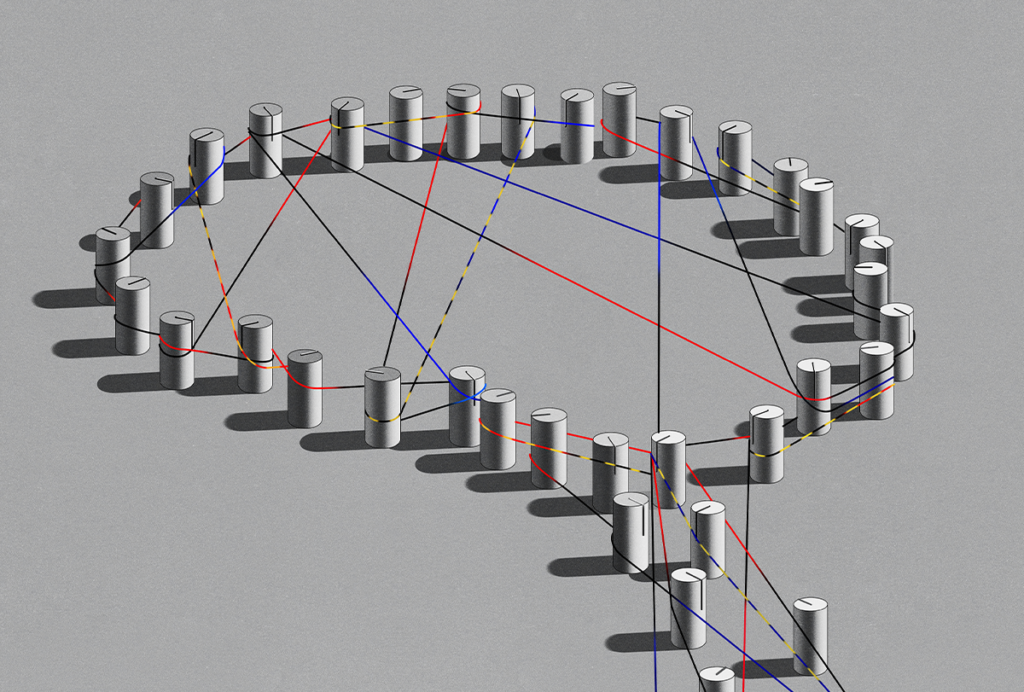
Transforming AI models into useful model organisms
By
Mariya Toneva
22 June 2026 | 6 min read
Selected articles
- “Improving semantic understanding in speech language models via brain-tuning” | arXiv
- “Interpreting and improving natural-language processing (in machines) with natural language-processing (in the brain)” | NeurIPS
- “Combining computational controls with natural text reveals aspects of meaning composition” | Nature Computational Science
- “Joint processing of linguistic properties in brains and language models” | NeurIPS
Explore more from The Transmitter

What to do when traditional mechanistic approaches no longer work
Many complex behaviors have stubbornly resisted mechanistic explanations. Deciphering them will require new approaches—and perhaps a new concept of “understanding.”
What to do when traditional mechanistic approaches no longer work
Many complex behaviors have stubbornly resisted mechanistic explanations. Deciphering them will require new approaches—and perhaps a new concept of “understanding.”
By
Bence Ölveczky
19 October 2026 | 8 min read
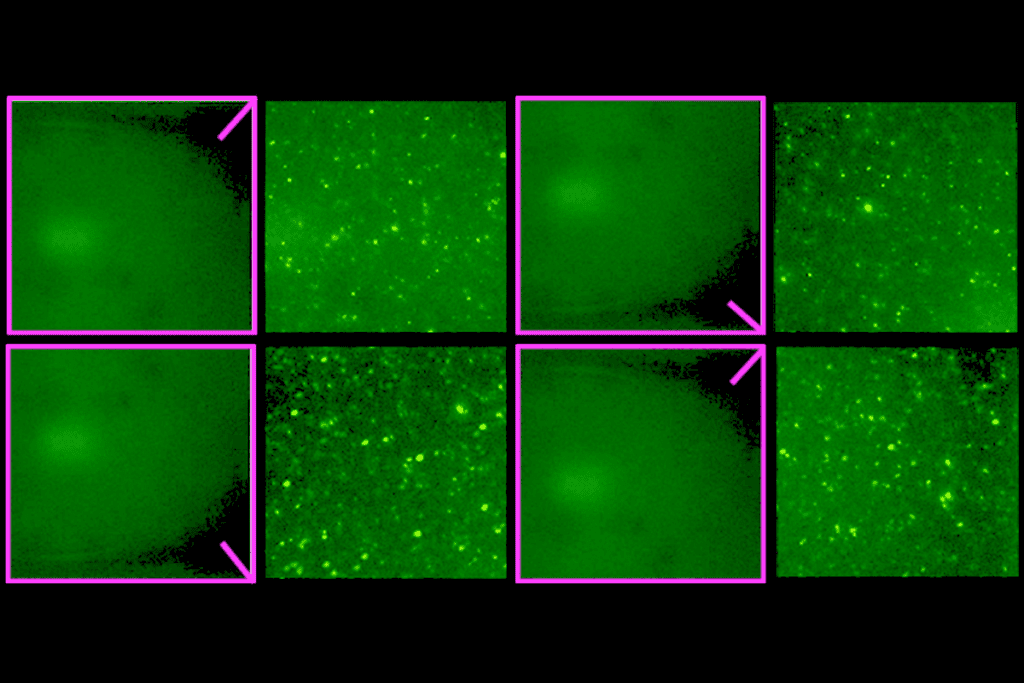
University probe leads to retraction of four neural tube studies
The University of Maryland conducted an internal investigation that identified image duplications and other data integrity issues in the studies, according to the retraction notices.
University probe leads to retraction of four neural tube studies
The University of Maryland conducted an internal investigation that identified image duplications and other data integrity issues in the studies, according to the retraction notices.
By
Claudia López Lloreda
16 October 2026 | 6 min read

Highly cited autism paper earns expression of concern over data duplications
The notice, published in Nature last week, also addressed an image duplication identified by a prominent research-integrity sleuth.
Highly cited autism paper earns expression of concern over data duplications
The notice, published in Nature last week, also addressed an image duplication identified by a prominent research-integrity sleuth.
By
Madeline Shaw
16 October 2026 | 4 min read