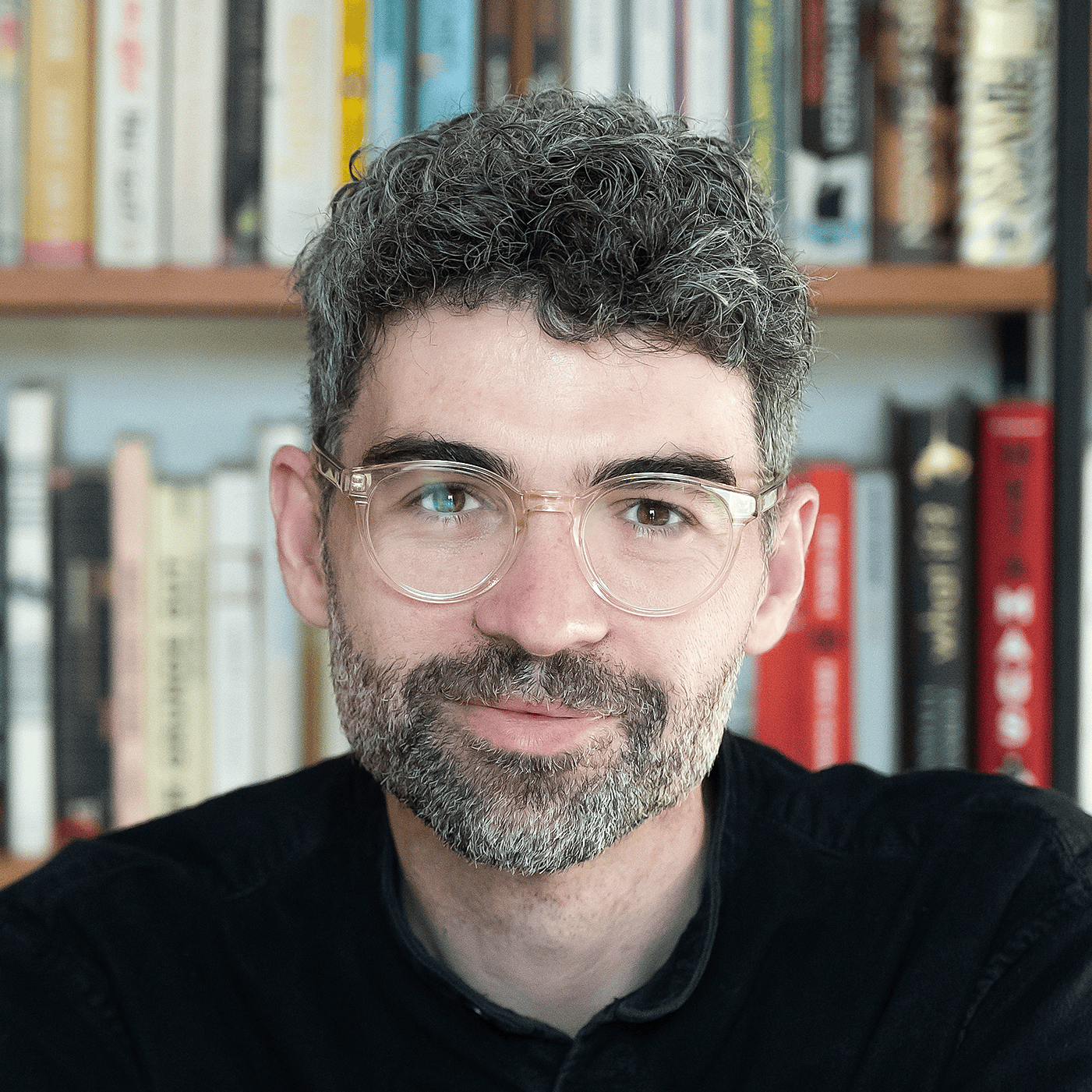
Nicolas Schuck is professor of cognitive neuroscience at the University of Hamburg, where he leads the Latent Learning Lab, and adjunct researcher at the Max Planck UCL Centre for Computational Psychiatry and Aging Research. His research lies at the intersection of psychology, neuroscience and machine learning, with a focus on how brains and machines build latent models of the world and use them to accelerate learning and generalization. His lab uses noninvasive human neuroimaging and computational modeling to study neural replay during rest and sleep, representational geometry during complex on-task behavior, and how such representations change with learning, across the lifespan and in disease.
Schuck received an M.Sc. in psychology with a minor in machine learning, holds a Ph.D. in psychology from Humboldt University and previously worked at the Princeton Neuroscience Institute and the Max Planck Institute for Human Development. His work is supported by the European Research Council, the German Research Foundation (DFG) and the German Excellence Initiative.
Schuck received an ERC Starting Grant in 2020, was named an Open Topic Professor at the University of Hamburg and has been elected as a member to the Memory Disorders Research Society (MDRS) and the European Laboratory for Learning and Intelligent Systems (ELLIS).