SFN GC 2021
Recent articles
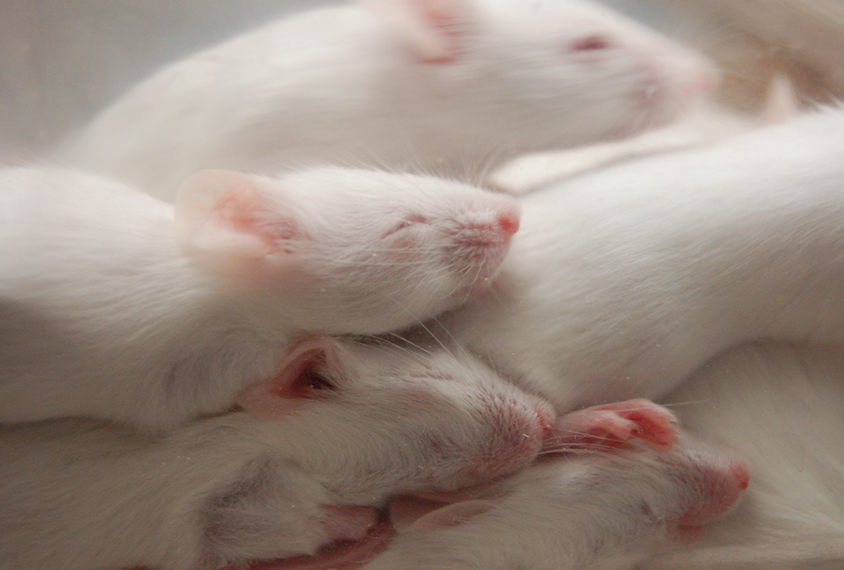
Lost sleep sparks lasting social problems in SHANK3 mice
Sleep disruption early in life has long-lasting consequences for mice missing a copy of the autism-linked gene SHANK3.
Lost sleep sparks lasting social problems in SHANK3 mice
Sleep disruption early in life has long-lasting consequences for mice missing a copy of the autism-linked gene SHANK3.
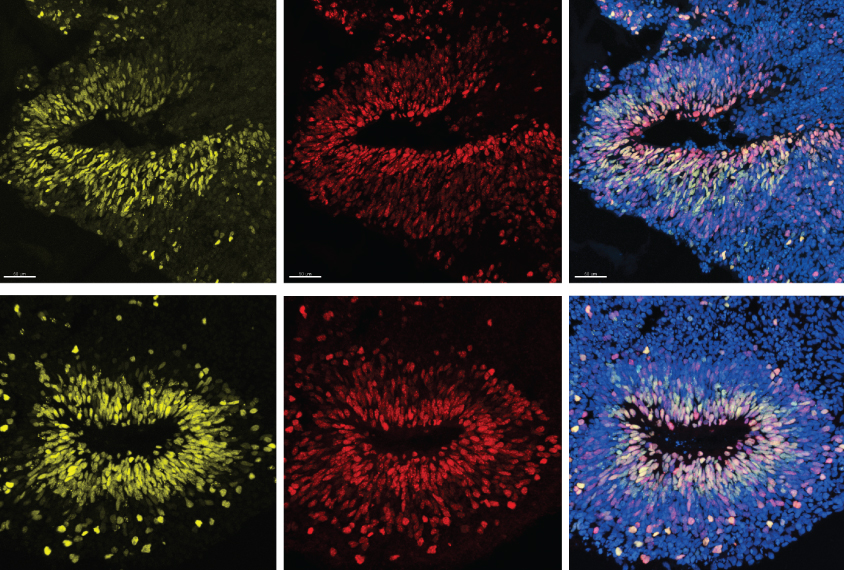
Organoids show how mutations in top autism gene may lead to brain overgrowth in people
The loss of CHD8, a top autism gene, speeds up the production of certain neurons and leads to overgrowth in spheres of cultured brain cells.
Organoids show how mutations in top autism gene may lead to brain overgrowth in people
The loss of CHD8, a top autism gene, speeds up the production of certain neurons and leads to overgrowth in spheres of cultured brain cells.
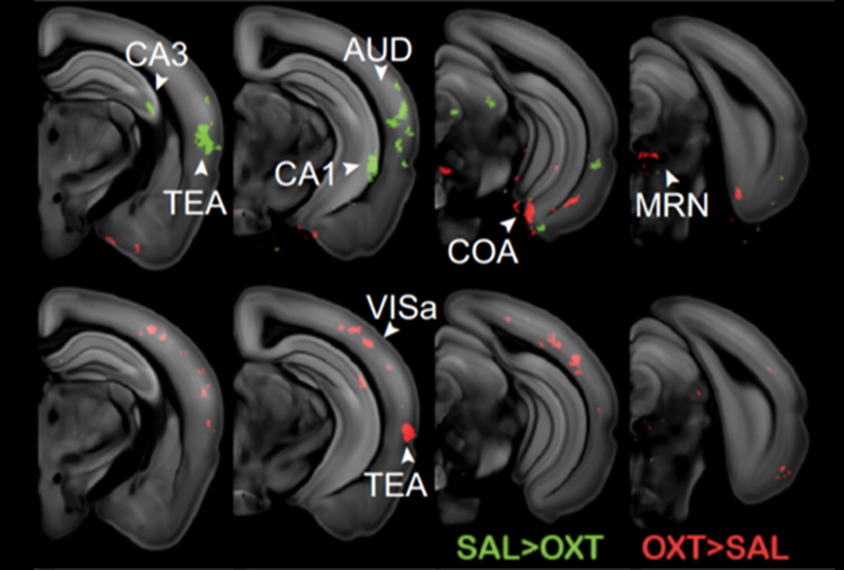
Oxytocin alters brain activity to boost sociability in mice missing autism gene
Infusions of the hormone oxytocin may make mice that model autism more social by normalizing their brain activity patterns.
Oxytocin alters brain activity to boost sociability in mice missing autism gene
Infusions of the hormone oxytocin may make mice that model autism more social by normalizing their brain activity patterns.
Community newsletter: All about SfN Global Connectome
We dove into what people on social media thought about the SfN Global Connectome 2021 conference -- and its virtual format.
Community newsletter: All about SfN Global Connectome
We dove into what people on social media thought about the SfN Global Connectome 2021 conference -- and its virtual format.
Highlights, missed opportunities: SfN by the tweets
Participants video chatted and tweeted their way through the Society for Neuroscience’s three-day virtual conference this week.
Highlights, missed opportunities: SfN by the tweets
Participants video chatted and tweeted their way through the Society for Neuroscience’s three-day virtual conference this week.
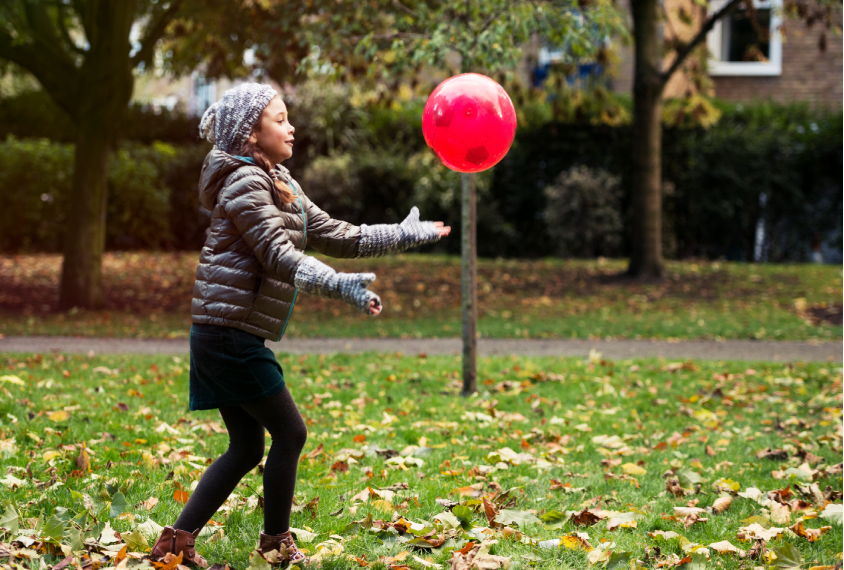
Autistic children may have trouble predicting movements
Autistic children may have a harder time catching a ball than non-autistic children do, possibly because they are less able to predict its trajectory.
Autistic children may have trouble predicting movements
Autistic children may have a harder time catching a ball than non-autistic children do, possibly because they are less able to predict its trajectory.
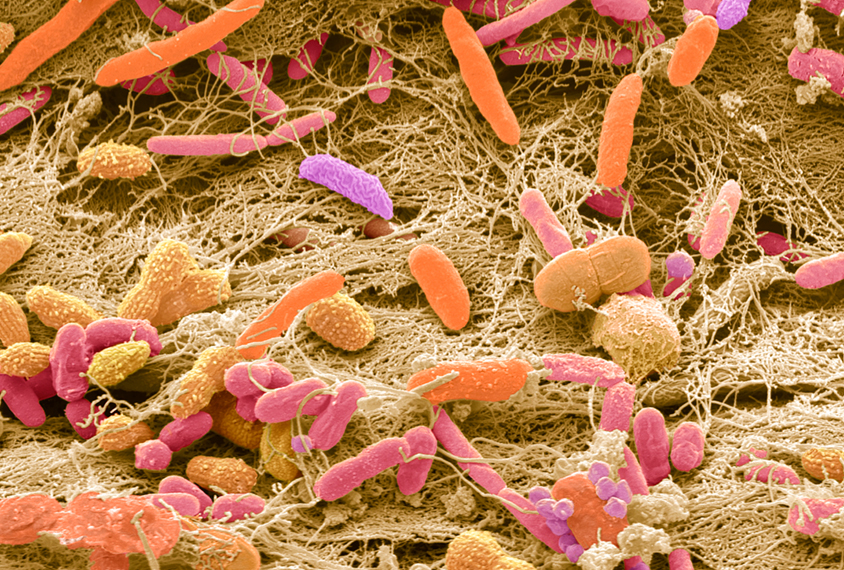
Study hints at microbiome differences in children with autism
Children with autism may have a subtly different set of bacteria in their gut than their non-autistic siblings do.
Study hints at microbiome differences in children with autism
Children with autism may have a subtly different set of bacteria in their gut than their non-autistic siblings do.
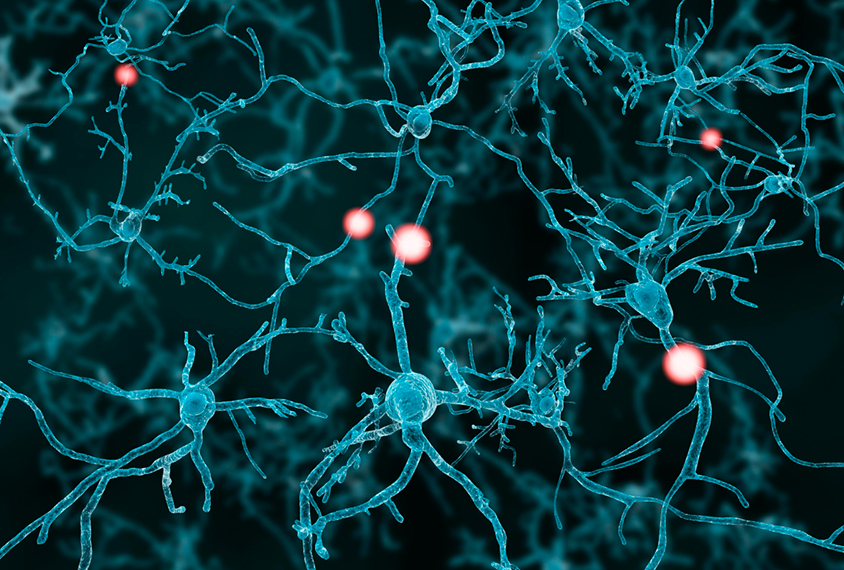
Autism protein may shape neuronal firing patterns
Cells with excess UBE3A, an autism-linked protein, have atypical firing properties that can be corrected by limiting the protein's levels, according to new research.
Autism protein may shape neuronal firing patterns
Cells with excess UBE3A, an autism-linked protein, have atypical firing properties that can be corrected by limiting the protein's levels, according to new research.
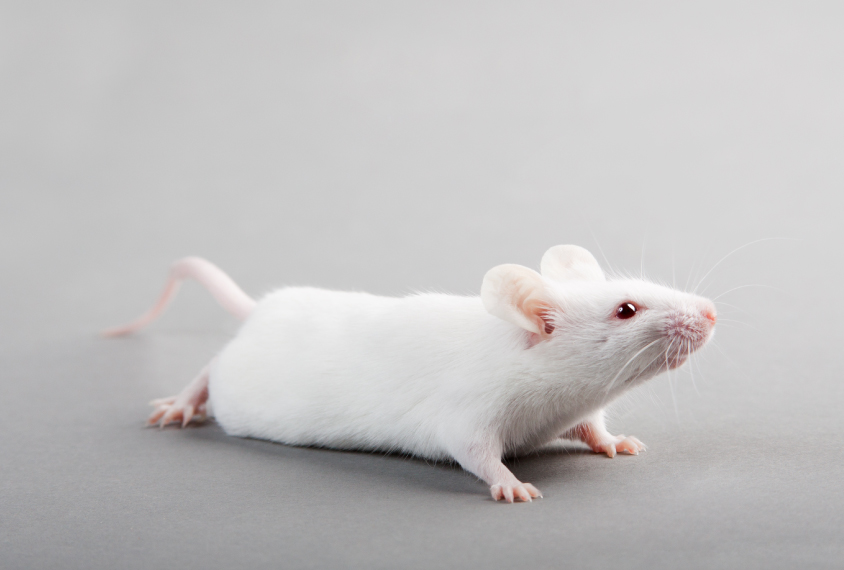
Inability to attend to cues may cause sensory challenges in fragile X mice
Sensory problems in people with fragile X syndrome may stem from hyperactive neurons, a mouse model study suggests.
Inability to attend to cues may cause sensory challenges in fragile X mice
Sensory problems in people with fragile X syndrome may stem from hyperactive neurons, a mouse model study suggests.
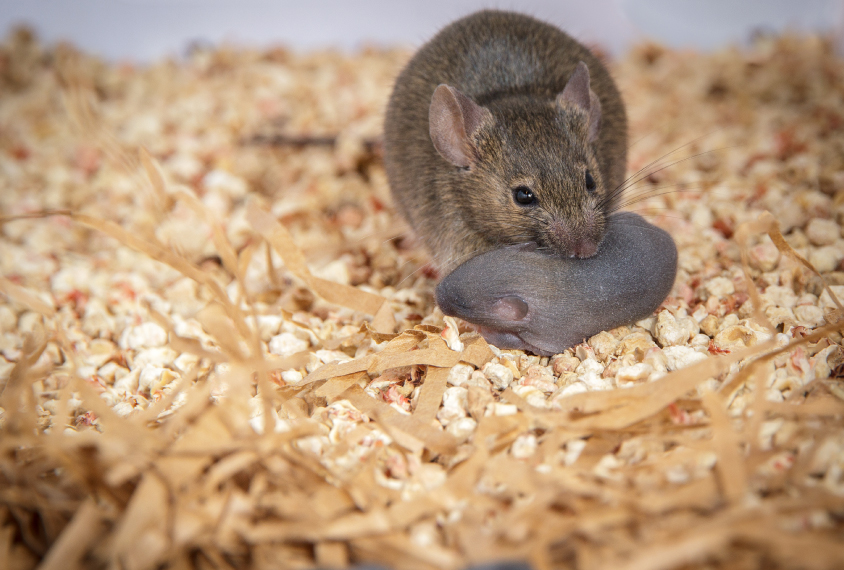
Malfunctioning neurons mute sound processing in mouse model of Rett syndrome
Female mice missing a copy of the autism-linked gene MECP2 in a specific set of inhibitory neurons have a hard time heeding pups’ calls and herding litters.
Malfunctioning neurons mute sound processing in mouse model of Rett syndrome
Female mice missing a copy of the autism-linked gene MECP2 in a specific set of inhibitory neurons have a hard time heeding pups’ calls and herding litters.
Explore more from The Transmitter
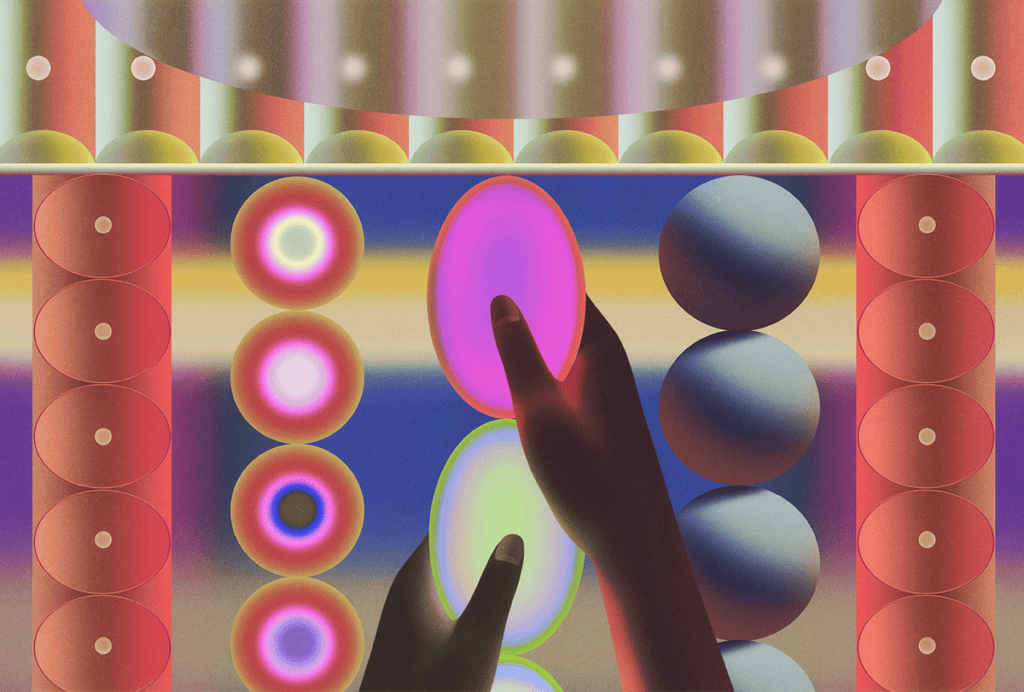
How new technologies can bring primatologists and systems neuroscientists together
The two groups study the same behavioral phenomena yet rarely interact or read each other's work—a mutual blind spot that weakens both fields. New technologies offer a chance to bring them together.
How new technologies can bring primatologists and systems neuroscientists together
The two groups study the same behavioral phenomena yet rarely interact or read each other's work—a mutual blind spot that weakens both fields. New technologies offer a chance to bring them together.
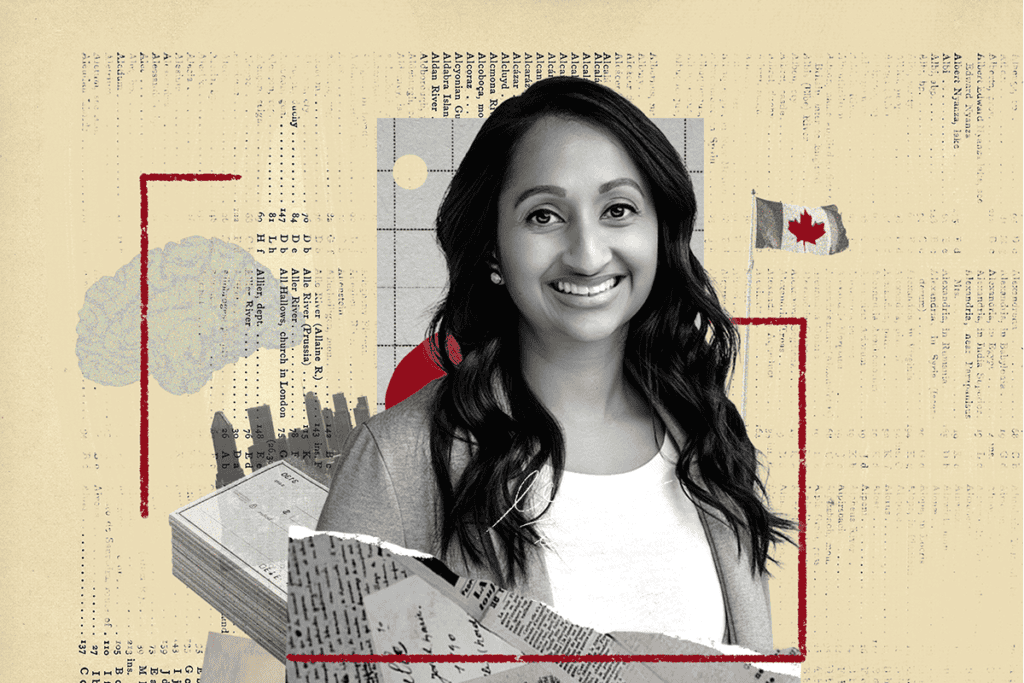
Creating community through grant support
Fiona Sanderson, a senior program manager at the Brain Canada Foundation, shares how she got into grant administration and how she helps connect researchers with funding and one another.
Creating community through grant support
Fiona Sanderson, a senior program manager at the Brain Canada Foundation, shares how she got into grant administration and how she helps connect researchers with funding and one another.
This paper changed my life: A first glimpse into the ‘middle’ of brain processing
Work by Jeffrey Moran and Robert Desimone showed that monkeys could focus their attention on different stimuli in their visual field without shifting their gaze. Their work marked a key milestone in the emergence of cognitive neuroscience.
This paper changed my life: A first glimpse into the ‘middle’ of brain processing
Work by Jeffrey Moran and Robert Desimone showed that monkeys could focus their attention on different stimuli in their visual field without shifting their gaze. Their work marked a key milestone in the emergence of cognitive neuroscience.