Special report: Graduate education in flux
Recent articles
Amid funding uncertainty, graduate neuroscience programs in the U.S. adapt
The Transmitter surveyed 50 graduate program directors to learn how they’re faring. Securing labs for new students is one of the greatest concerns.
Amid funding uncertainty, graduate neuroscience programs in the U.S. adapt
The Transmitter surveyed 50 graduate program directors to learn how they’re faring. Securing labs for new students is one of the greatest concerns.

The changing nature of the neuroscience Ph.D.
The best science can only be sustained by a steady influx of early-stage scientists and the innovative ideas they bring, says Diane Lipscombe. She reflects on the loss of international students, the value of training grants, and the challenges that lie ahead for graduate education.
Rethinking neuroscience graduate education in the age of AI
What knowledge from traditional training protocols needs to be maintained, what can be discarded, and what new types of training should be introduced? Six neuroscientists weigh in.
Rethinking neuroscience graduate education in the age of AI
What knowledge from traditional training protocols needs to be maintained, what can be discarded, and what new types of training should be introduced? Six neuroscientists weigh in.
Explore more from The Transmitter
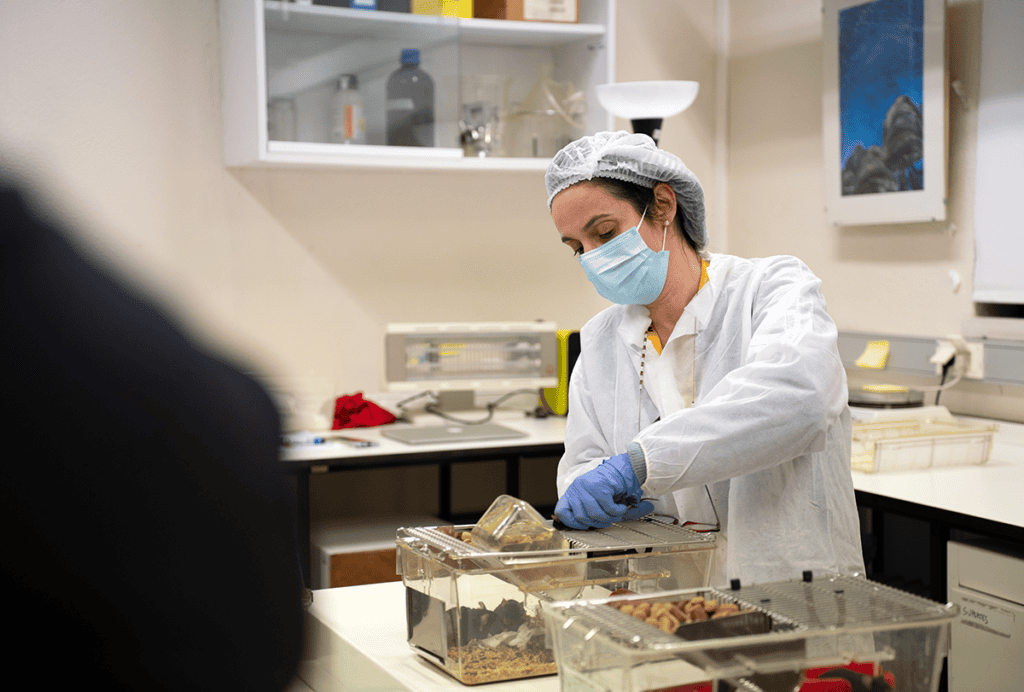
Public engagement can help cultivate support for animal research
The European Animal Research Association's Patient Discovery Project connects researchers with people who have the conditions they study. The learning goes both ways.
Public engagement can help cultivate support for animal research
The European Animal Research Association's Patient Discovery Project connects researchers with people who have the conditions they study. The learning goes both ways.
Brain registers spatial location outside hippocampus
A more complex picture of how an animal’s brain tracks its location is starting to emerge.
Brain registers spatial location outside hippocampus
A more complex picture of how an animal’s brain tracks its location is starting to emerge.
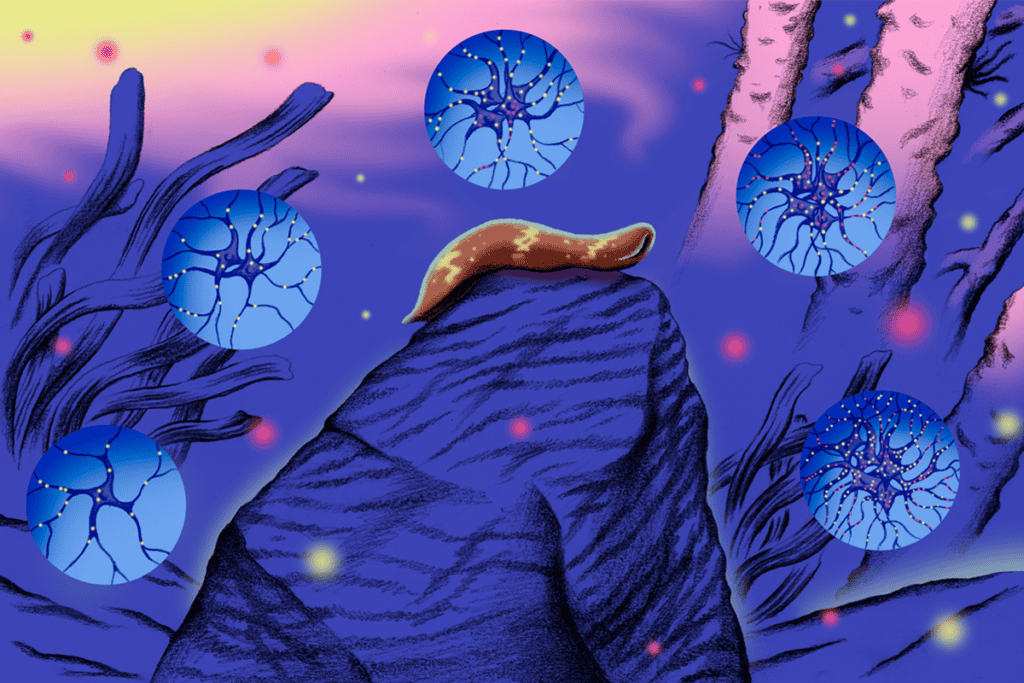
The three-banded panther worm is rewriting the story of brain evolution
The animal has a brain structure all its own, according to a 2026 preprint. The finding hints that brains could have evolved centralization before regionalization.
The three-banded panther worm is rewriting the story of brain evolution
The animal has a brain structure all its own, according to a 2026 preprint. The finding hints that brains could have evolved centralization before regionalization.