Leia este artigo em português.
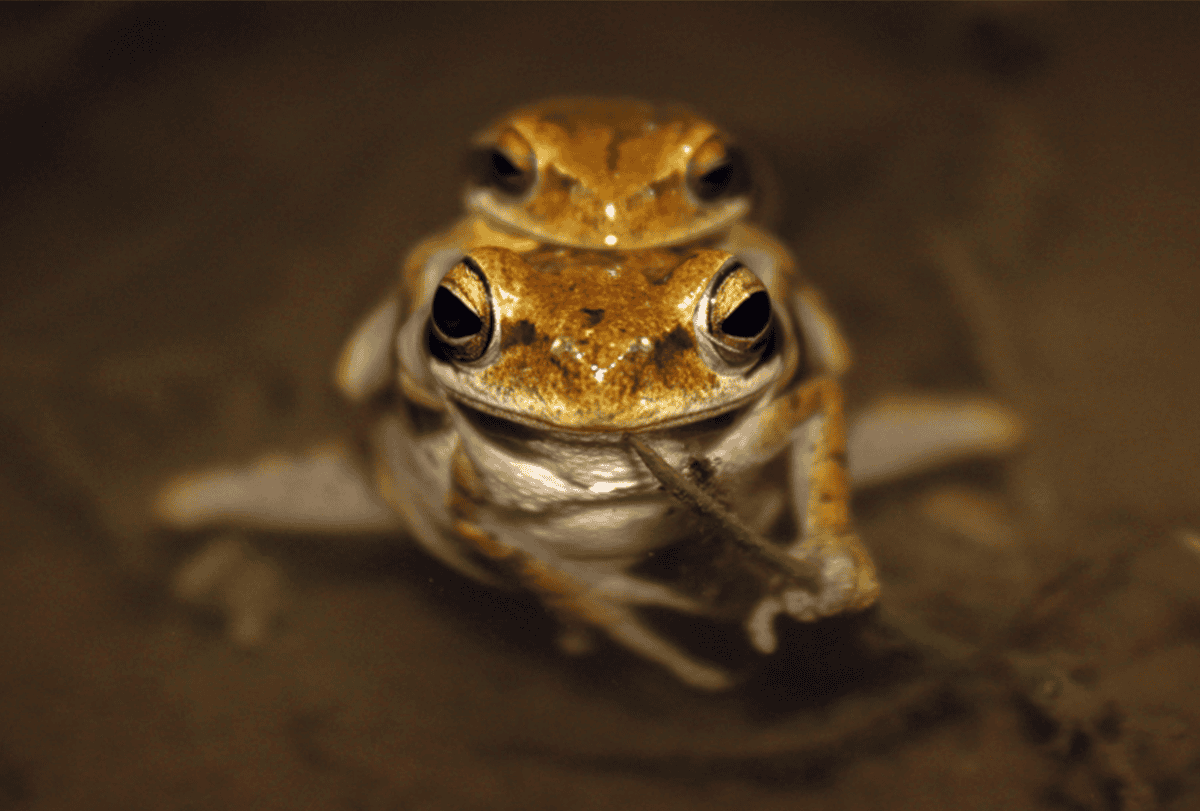
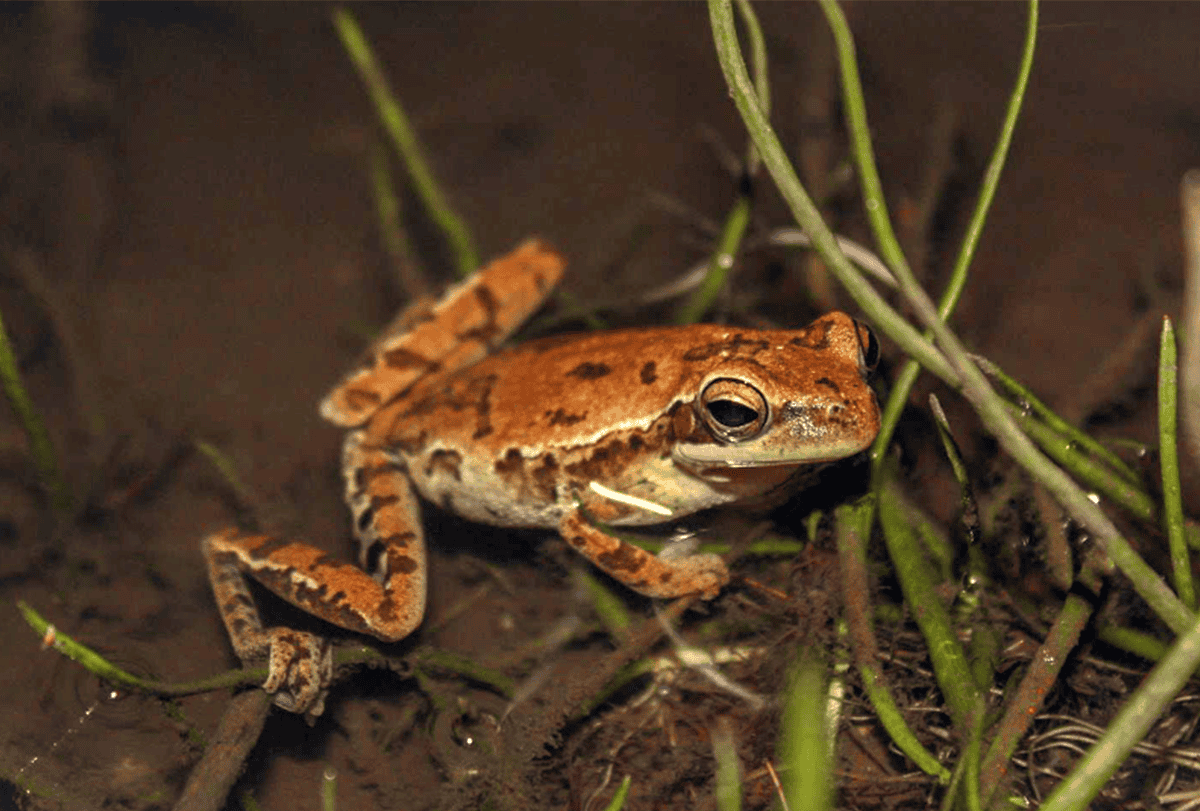
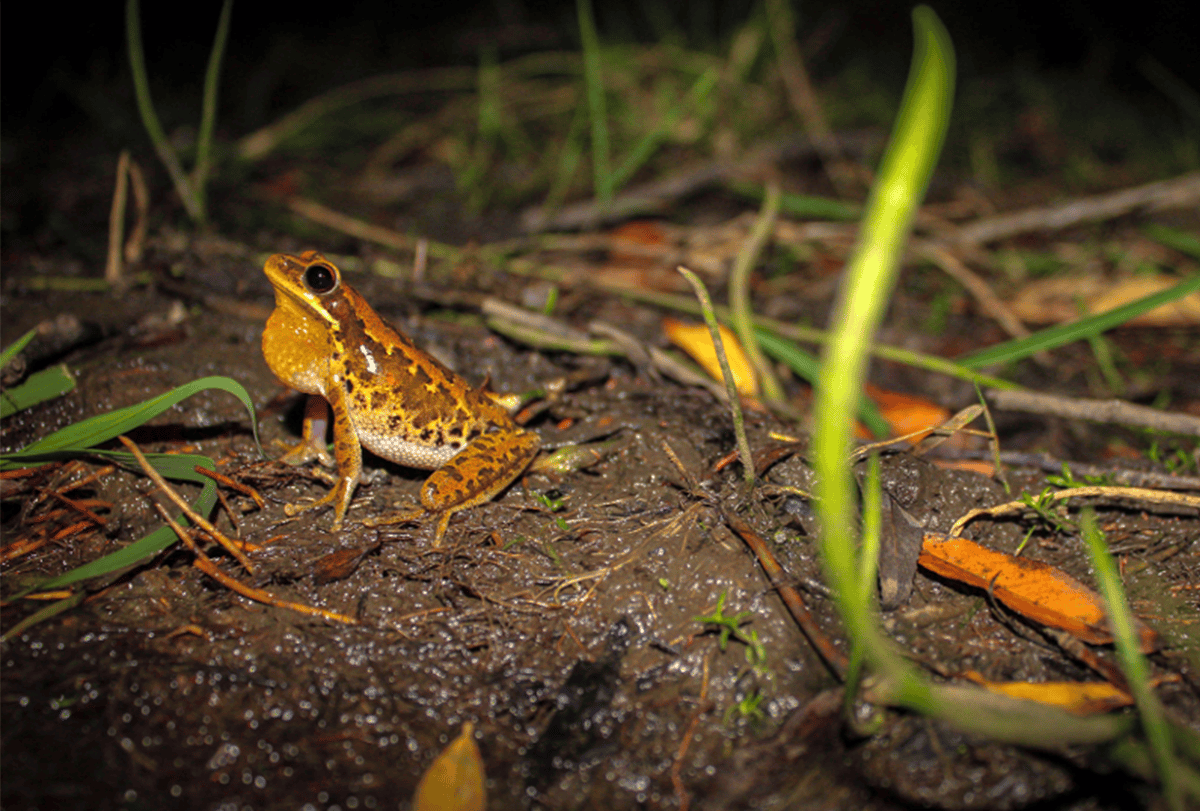
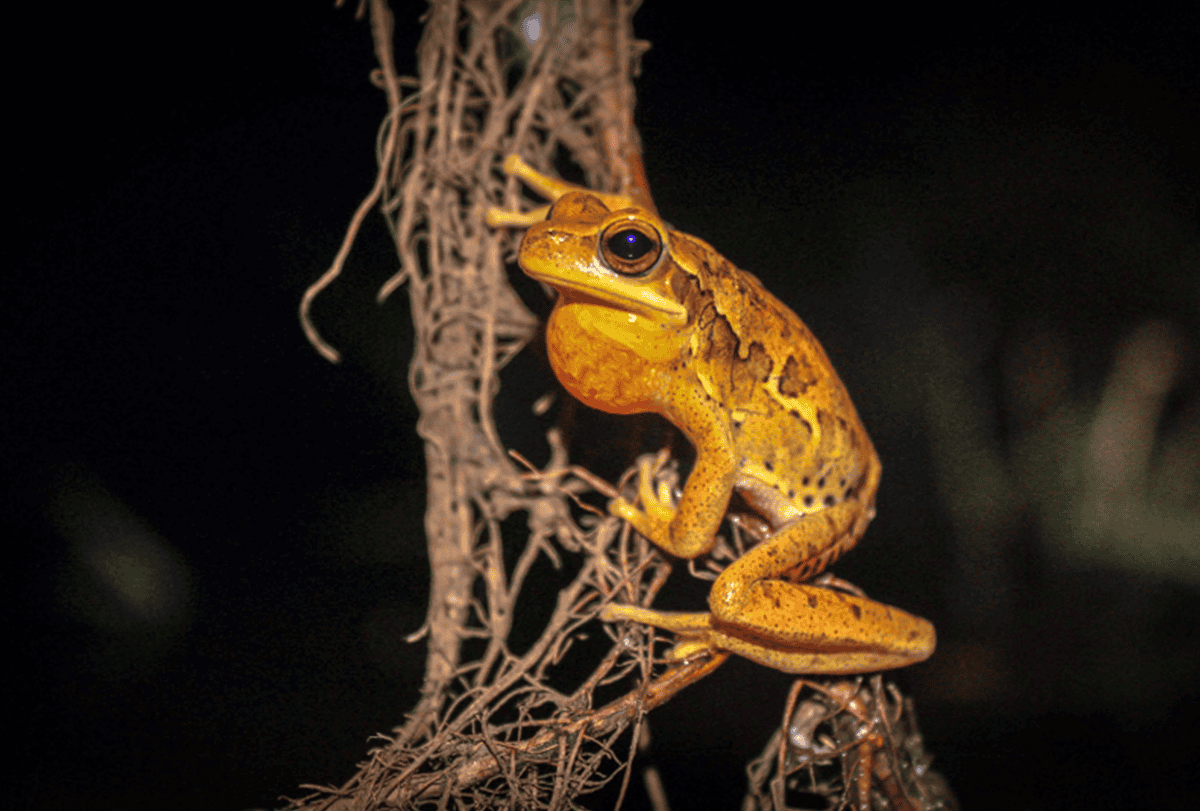
The Montevideo tree frog, Boana pulchella, is abundant in temperate zones throughout Uruguay, parts of Argentina and southern Brazil. At night, near the spring and fall equinoxes, males cluster together and sing in choruses, competing for females’ attention. Each male has a small repertoire of song notes and must modulate his song to stand out from the other males.
These arboreal amorists are helping Paula Pouso, associate professor in histology and embryology at the Universidad de la República in Montevideo, study how neuropeptides shape social interactions and tease out the brain circuitry involved in modulating complex behaviors.
For instance, temperature and time of year affect the male frog’s calls, Pouso’s group reported last year, but these factors do not explain all of the variability in how and when the frogs sing. In field experiments, antagonists of vasotocin—the evolutionary precursor to mammalian oxytocin and vasopressin—decrease the male’s probability of singing and increase the frequency at which they sing, according to unpublished results.
Next, Pouso and her colleagues say they plan to study, in a more granular fashion, how vasotocin changes the frogs’ songs, and to identify the brain regions involved in neuropeptide-mediated song modulation. Eventually, the group seeks to untangle the environmental and individual factors that lead to call variability, Pouso says. “We have a pipeline: Look at the population level, look at the individual level, then use a modulator in the field to see if it changes the animal’s behavior,” she adds.