2013: Year in review
Recent articles

Lab Libs 2013: A playful look back and ahead
What would you do with a carload of money? Which scientist secretly wants to be an NFL coach? Autism researchers fill in the year’s blanks … Mad Libs-style. Read and submit your own.
Lab Libs 2013: A playful look back and ahead
What would you do with a carload of money? Which scientist secretly wants to be an NFL coach? Autism researchers fill in the year’s blanks … Mad Libs-style. Read and submit your own.
Top quotes of 2013
Our favorite quotes from autism researchers in SFARI.org articles throughout the year.
Top quotes of 2013
Our favorite quotes from autism researchers in SFARI.org articles throughout the year.
Photographs: On the spectrum
In her quest to capture people's true selves on film, the photographer Stacie Turner launched a project focusing solely on children with autism.
Photographs: On the spectrum
In her quest to capture people's true selves on film, the photographer Stacie Turner launched a project focusing solely on children with autism.
Notable papers of 2013
Our annual list of the most influential papers in the autism field is culled from suggestions solicited from SFARI staff, as well as from experts in the field. Below is a selection of just some of these papers, presented in chronological order.
Notable papers of 2013
Our annual list of the most influential papers in the autism field is culled from suggestions solicited from SFARI staff, as well as from experts in the field. Below is a selection of just some of these papers, presented in chronological order.
Director’s column: 2013 in review
The past half-decade has seen dramatic advances in our understanding of the complexity of genomic variation in autism. Several papers published this year increase our knowledge of relevant genetic variation and indicate where in the brain these variants alter brain function to cause autism-like behaviors, says Louis F. Reichardt.
Director’s column: 2013 in review
The past half-decade has seen dramatic advances in our understanding of the complexity of genomic variation in autism. Several papers published this year increase our knowledge of relevant genetic variation and indicate where in the brain these variants alter brain function to cause autism-like behaviors, says Louis F. Reichardt.
Top tools and techniques of 2013
In 2013, neuroscience sought clarity, whether by looking directly into a transparent brain, building neurons in the dish with greater precision and accuracy than ever before, or manipulating a mouse’s brain while it’s on the run.
Top tools and techniques of 2013
In 2013, neuroscience sought clarity, whether by looking directly into a transparent brain, building neurons in the dish with greater precision and accuracy than ever before, or manipulating a mouse’s brain while it’s on the run.
Most-viewed articles of 2013
This is a list of the ten stories that most caught our readers’ attention this year.
Most-viewed articles of 2013
This is a list of the ten stories that most caught our readers’ attention this year.
Hot topics in 2013
This year saw the emergence of a few unexpected twists in autism research, and provided fresh insights into some of the usual suspects. Based on suggestions from several researchers and SFARI staff, here’s our list of the top ten topics this year.
Hot topics in 2013
This year saw the emergence of a few unexpected twists in autism research, and provided fresh insights into some of the usual suspects. Based on suggestions from several researchers and SFARI staff, here’s our list of the top ten topics this year.
Explore more from The Transmitter
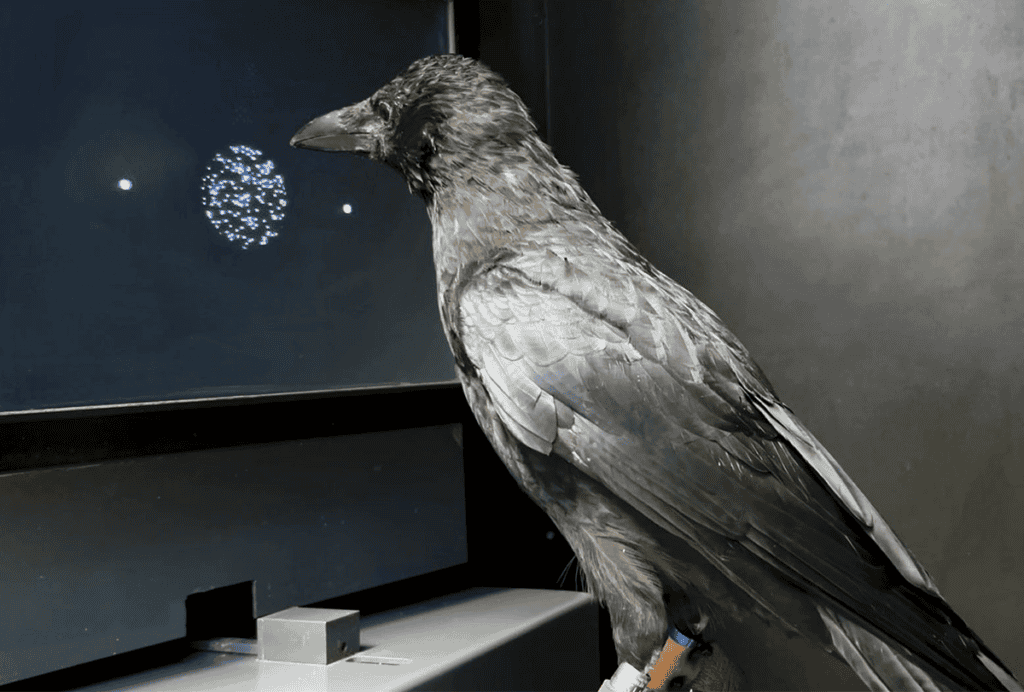
Crows have brains ‘in the fast lane’
The birds accurately complete decision-making tasks twice as fast as primates, although their endbrains look considerably different.
Crows have brains ‘in the fast lane’
The birds accurately complete decision-making tasks twice as fast as primates, although their endbrains look considerably different.

Prevalence of profound autism declines with new definition
The updated, more precise definition used in a CDC study includes adaptive scores.
Prevalence of profound autism declines with new definition
The updated, more precise definition used in a CDC study includes adaptive scores.
Is it time for neuroscience to shift its focus from a computational mind to a navigating mind?
Andrea Hiott explains her navigational approach to the mind, and why now is the time to embrace seemingly paradoxical findings in neuroscience.
Is it time for neuroscience to shift its focus from a computational mind to a navigating mind?
Andrea Hiott explains her navigational approach to the mind, and why now is the time to embrace seemingly paradoxical findings in neuroscience.