ADHD
Recent articles
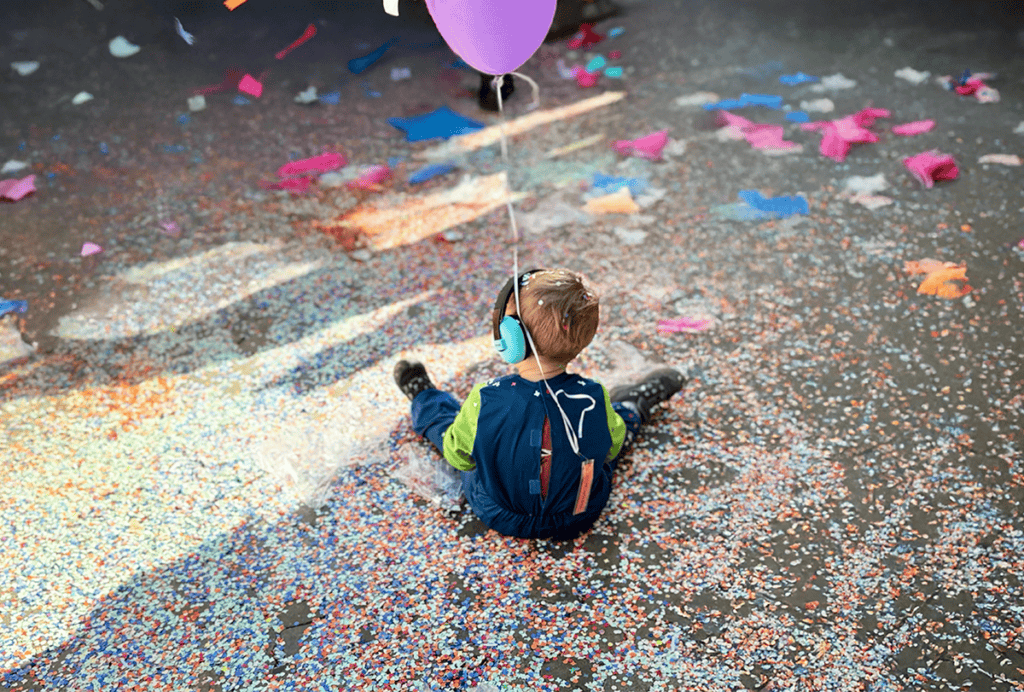
Sensory over-responsivity tied to autism, anxiety but not other conditions
Negative reactions to sensations track with certain neurodevelopmental traits in more than 15,000 children—pointing to shared neurobiological roots.
Sensory over-responsivity tied to autism, anxiety but not other conditions
Negative reactions to sensations track with certain neurodevelopmental traits in more than 15,000 children—pointing to shared neurobiological roots.

Reporter’s notebook: Highlights from INSAR 2026
At the 25th annual meeting of the International Society for Autism Research, scientists, clinicians and self-advocates gathered to discuss topics such as autism genetics and the gap between clinical trials and real-world benefits.
Reporter’s notebook: Highlights from INSAR 2026
At the 25th annual meeting of the International Society for Autism Research, scientists, clinicians and self-advocates gathered to discuss topics such as autism genetics and the gap between clinical trials and real-world benefits.
Journal retracts two papers evaluating ADHD interventions
Frontiers in Public Health retracted one paper for its “unacceptable level of similarity” to another paper, and the other over concerns about its “scientific validity.”
Journal retracts two papers evaluating ADHD interventions
Frontiers in Public Health retracted one paper for its “unacceptable level of similarity” to another paper, and the other over concerns about its “scientific validity.”
To accelerate the study of neurodevelopment, we need a transdiagnostic framework
Our tendency to focus on one condition at a time likely silos expertise and services—and obscures critical connections across diagnostic categories.
To accelerate the study of neurodevelopment, we need a transdiagnostic framework
Our tendency to focus on one condition at a time likely silos expertise and services—and obscures critical connections across diagnostic categories.
New catalog charts familial ties from autism to 90 other conditions
The research tool reveals associations stretching across three generations.
New catalog charts familial ties from autism to 90 other conditions
The research tool reveals associations stretching across three generations.

A genetics-first clinic for catching developmental conditions early: Q&A with Jacob Vorstman
A new clinic is assessing children who have a genetic predisposition for autism and other neurodevelopmental conditions—sometimes before traits appear.
A genetics-first clinic for catching developmental conditions early: Q&A with Jacob Vorstman
A new clinic is assessing children who have a genetic predisposition for autism and other neurodevelopmental conditions—sometimes before traits appear.
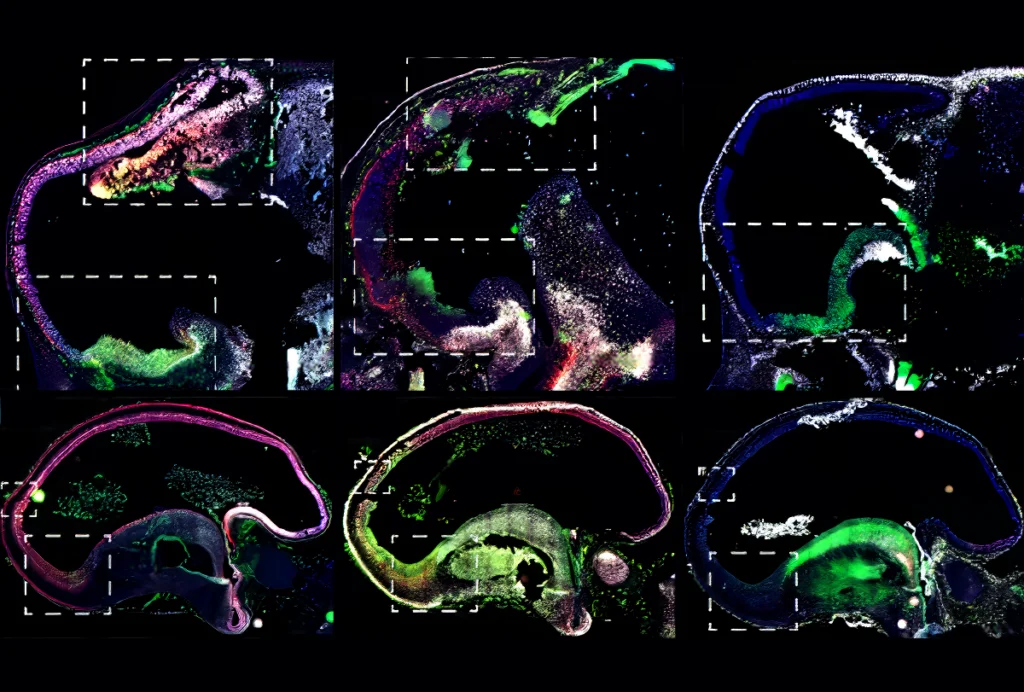
Brain patterning in utero may be implicated in autism, other conditions
Genes tied to several conditions are expressed in regions that control neural stem cell fate within the first few months post-conception.
Brain patterning in utero may be implicated in autism, other conditions
Genes tied to several conditions are expressed in regions that control neural stem cell fate within the first few months post-conception.

Acetaminophen use during pregnancy does not increase child’s chance of having autism, study finds
The link reported in prior studies likely reflects confounding factors, which sibling-matched controls in the new work address.
Acetaminophen use during pregnancy does not increase child’s chance of having autism, study finds
The link reported in prior studies likely reflects confounding factors, which sibling-matched controls in the new work address.
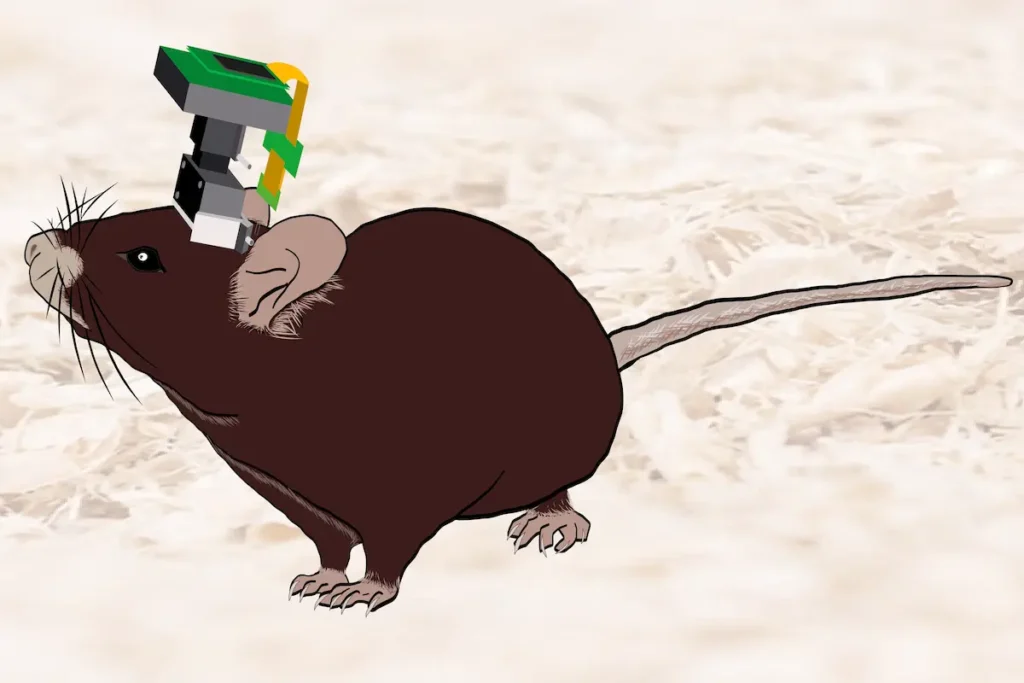
Innovative device records activity from distant brain areas simultaneously
The headset combines calcium imaging and electrode recordings to track both the cerebellum and anterior cingulate cortex as mice socialize.
Innovative device records activity from distant brain areas simultaneously
The headset combines calcium imaging and electrode recordings to track both the cerebellum and anterior cingulate cortex as mice socialize.
New tablet-based tools to spot autism draw excitement — and questions
Handheld devices promise to bring autism detection home, but many researchers urge caution.
New tablet-based tools to spot autism draw excitement — and questions
Handheld devices promise to bring autism detection home, but many researchers urge caution.
Explore more from The Transmitter
Is it time for neuroscience to shift its focus from a computational mind to a navigating mind?
Andrea Hiott explains her navigational approach to the mind, and why now is the time to embrace seemingly paradoxical findings in neuroscience.
Is it time for neuroscience to shift its focus from a computational mind to a navigating mind?
Andrea Hiott explains her navigational approach to the mind, and why now is the time to embrace seemingly paradoxical findings in neuroscience.
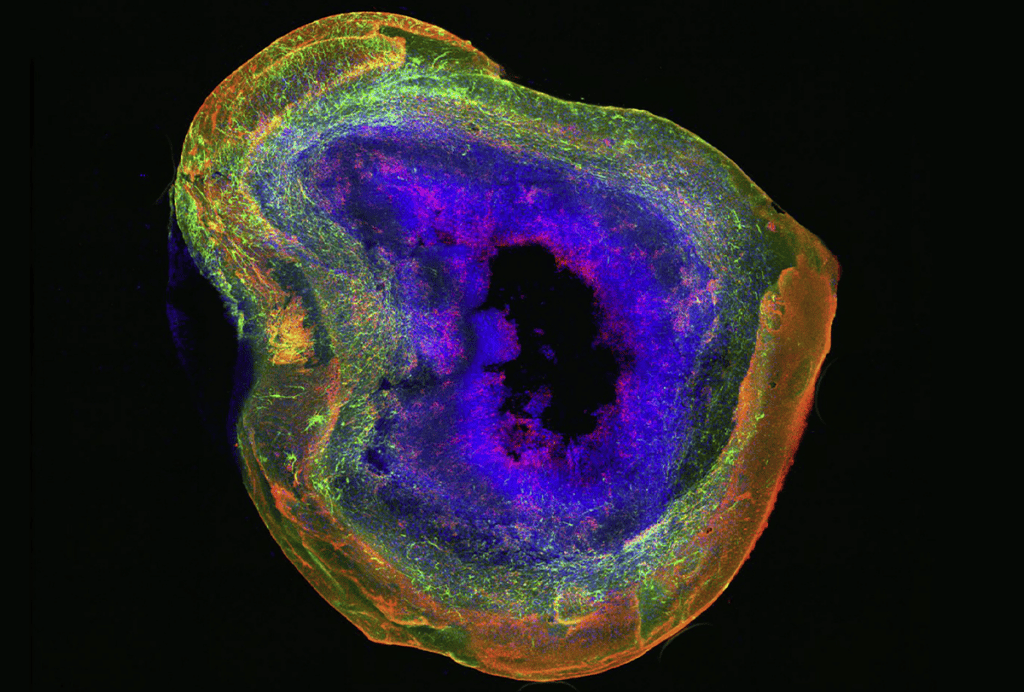
Human brain organoids come of age—but still have room to grow
The U.S. government has touted organoids as an alternative to animals for studying the brain. The model has improved since its debut in 2013, but scientists are still working to overcome key limitations: immaturity, consistency and the lack of vascularization.
Finding neuroheterogeneity’s sweet spot
Once thought to be detrimental to memory processing, neuronal diversity—at the right ‘Goldilocks’ dose—is a new boon to theoretical neuroscience.
Finding neuroheterogeneity’s sweet spot
Once thought to be detrimental to memory processing, neuronal diversity—at the right ‘Goldilocks’ dose—is a new boon to theoretical neuroscience.