Open neuroscience
Recent articles
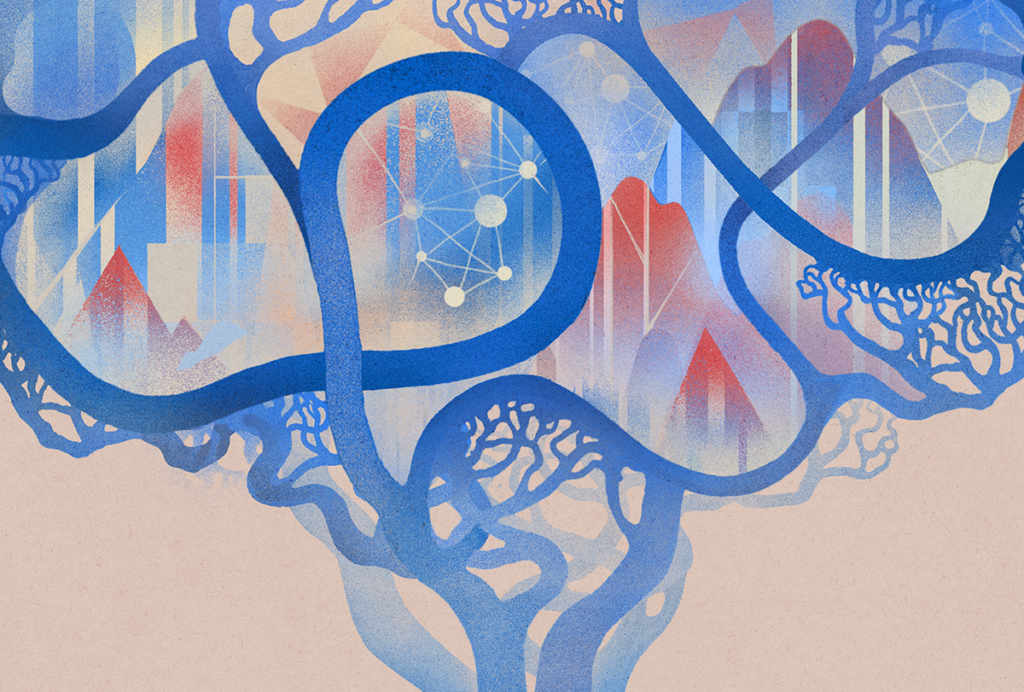
Tracing neuroscience’s family tree to track its growth
By mapping connections among researchers, Neurotree makes it possible to see how the field has evolved and how shifts in lab size, publication rates and training, among other factors, shape its direction.
Tracing neuroscience’s family tree to track its growth
By mapping connections among researchers, Neurotree makes it possible to see how the field has evolved and how shifts in lab size, publication rates and training, among other factors, shape its direction.
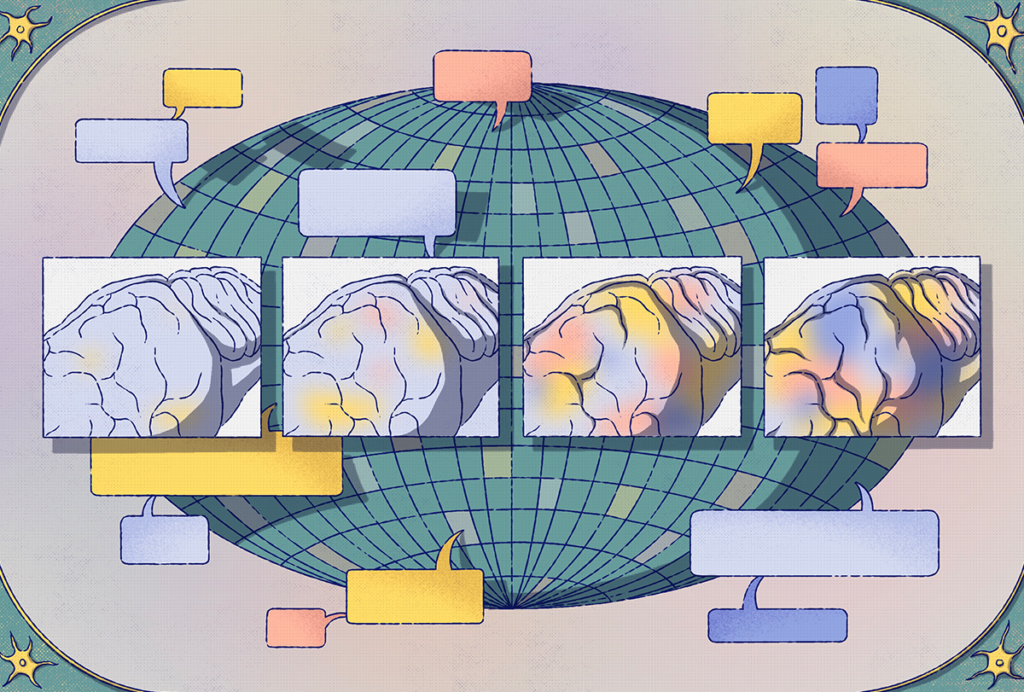
A community-designed experiment tests open questions in predictive processing
More than 50 scientists came together to identify the key missing data needed to rigorously test theoretical models.
A community-designed experiment tests open questions in predictive processing
More than 50 scientists came together to identify the key missing data needed to rigorously test theoretical models.

First Pan-African neuroscience journal gets ready to launch
With lower-than-average article processing fees, and issues dedicated to topics important to the continent, the journal hopes to give African neuroscience research much-needed international visibility.
First Pan-African neuroscience journal gets ready to launch
With lower-than-average article processing fees, and issues dedicated to topics important to the continent, the journal hopes to give African neuroscience research much-needed international visibility.
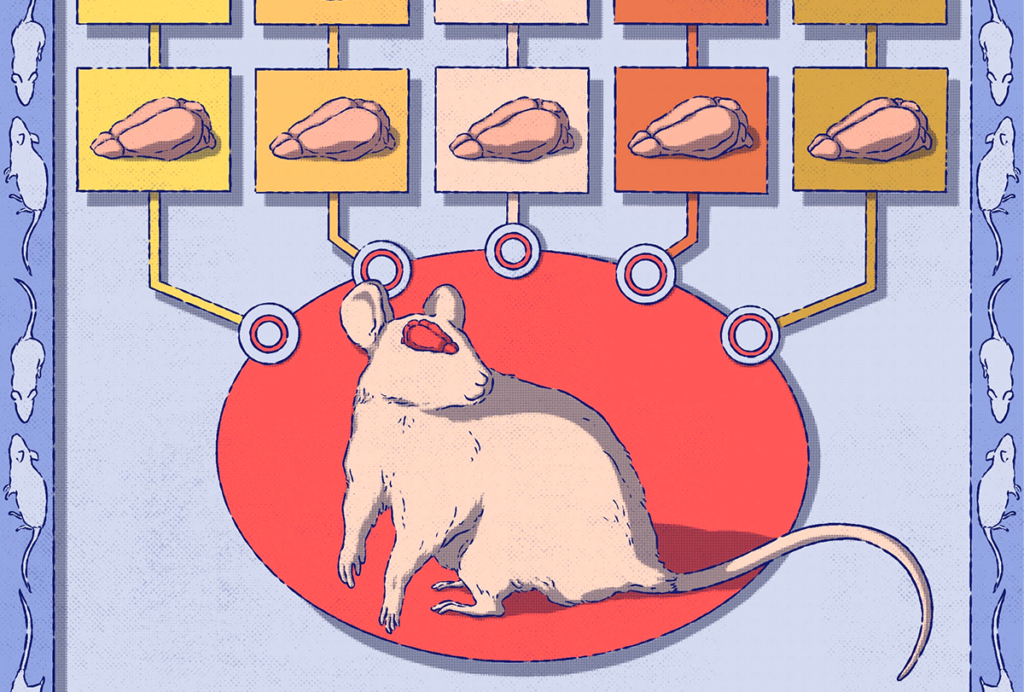
Reproducibility is a team sport: Lessons from a large-scale collaboration
Building reproducible systems across labs is possible, even in large-scale neuroscience projects. You just need rigor, collaboration and the willingness to look your own practices dead in the eye.
Reproducibility is a team sport: Lessons from a large-scale collaboration
Building reproducible systems across labs is possible, even in large-scale neuroscience projects. You just need rigor, collaboration and the willingness to look your own practices dead in the eye.

Deleting data or stopping its collection will erase years of valuable brain research
An explosion in open-neuroscience datasets has created a new generation of researchers with expertise in data science. But new federal restrictions in the United States put their research programs in jeopardy.
Deleting data or stopping its collection will erase years of valuable brain research
An explosion in open-neuroscience datasets has created a new generation of researchers with expertise in data science. But new federal restrictions in the United States put their research programs in jeopardy.
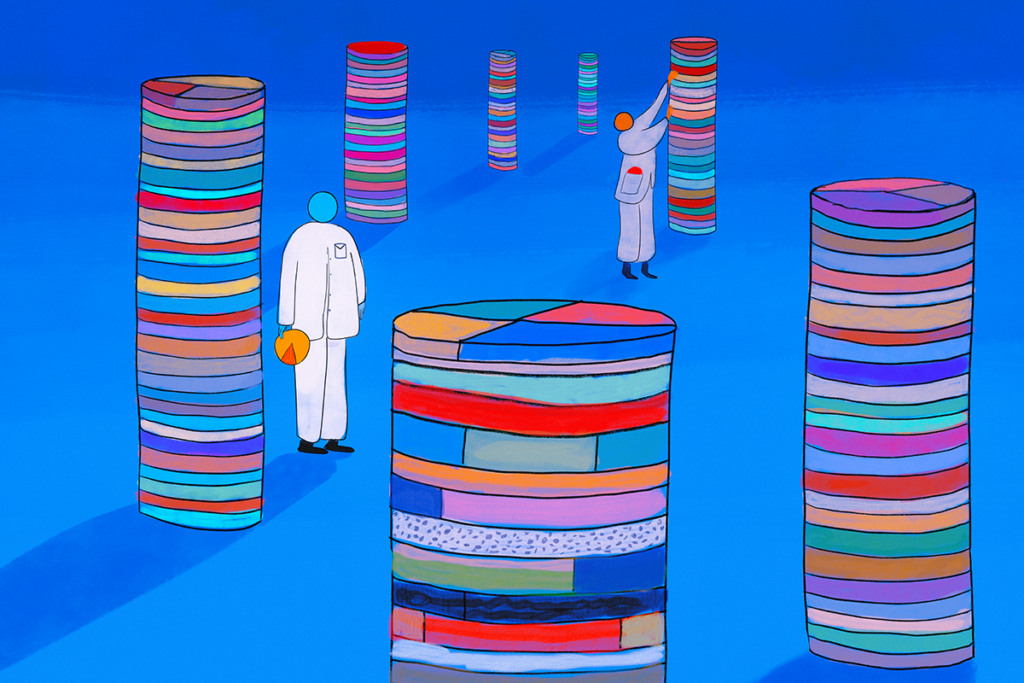
Neuroscience’s open-data revolution is just getting started
Data reuse represents an opportunity to accelerate the pace of science, reduce costs and increase the value of our collective research investments. New tools that make open data easier to use—and new pressures, including funding cuts—may increase uptake.
Neuroscience’s open-data revolution is just getting started
Data reuse represents an opportunity to accelerate the pace of science, reduce costs and increase the value of our collective research investments. New tools that make open data easier to use—and new pressures, including funding cuts—may increase uptake.
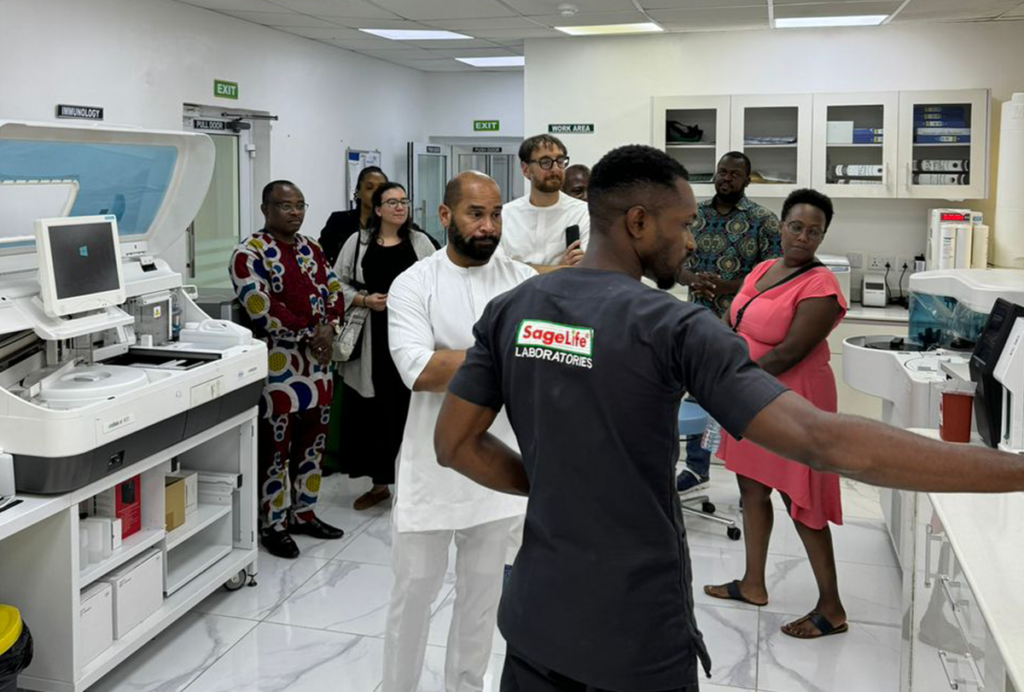
Sharing Africa’s brain data: Q&A with Amadi Ihunwo
These data are “virtually mandatory” to advance neuroscience, says Ihunwo, a co-investigator of the Brain Research International Data Governance & Exchange (BRIDGE) initiative, which seeks to develop a global framework for sharing, using and protecting neuroscience data.
Sharing Africa’s brain data: Q&A with Amadi Ihunwo
These data are “virtually mandatory” to advance neuroscience, says Ihunwo, a co-investigator of the Brain Research International Data Governance & Exchange (BRIDGE) initiative, which seeks to develop a global framework for sharing, using and protecting neuroscience data.
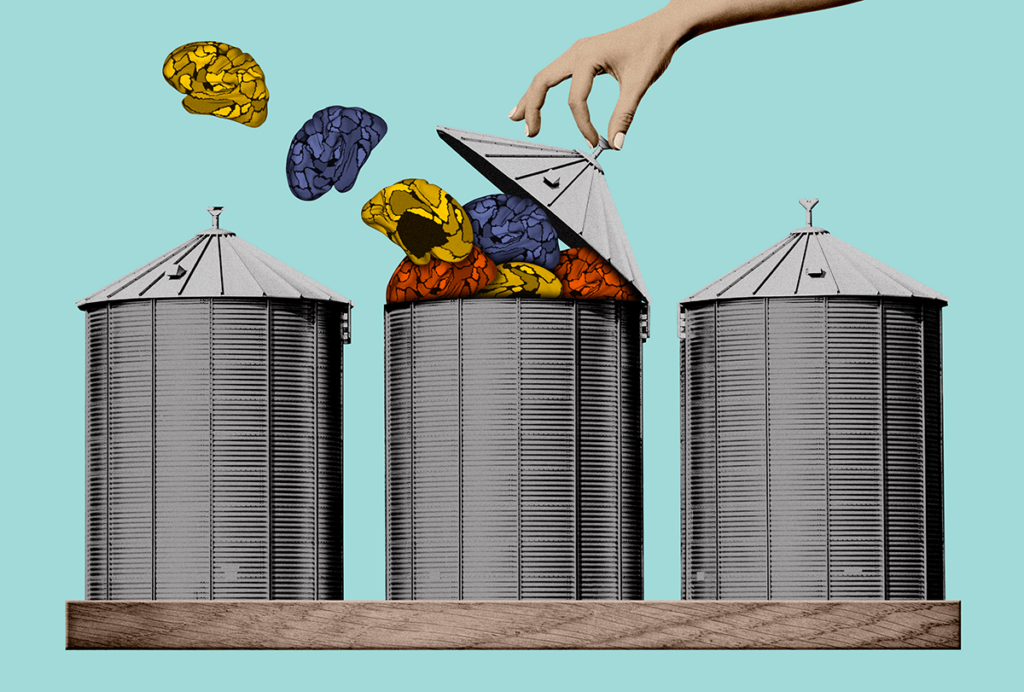
To make a meaningful contribution to neuroscience, fMRI must break out of its silo
We need to develop research programs that link phenomena across levels, from genes and molecules to cells, circuits, networks and behavior.
To make a meaningful contribution to neuroscience, fMRI must break out of its silo
We need to develop research programs that link phenomena across levels, from genes and molecules to cells, circuits, networks and behavior.

Accepting “the bitter lesson” and embracing the brain’s complexity
To gain insight into complex neural data, we must move toward a data-driven regime, training large models on vast amounts of information. We asked nine experts on computational neuroscience and neural data analysis to weigh in.
Accepting “the bitter lesson” and embracing the brain’s complexity
To gain insight into complex neural data, we must move toward a data-driven regime, training large models on vast amounts of information. We asked nine experts on computational neuroscience and neural data analysis to weigh in.

Learning scientific rigor: Q&A with Konrad Kording and Hao Ye
The developers of a new open-access curriculum to teach rigor discuss confirmation bias and other common errors in scientific thinking, plus ways to avoid these missteps.
Learning scientific rigor: Q&A with Konrad Kording and Hao Ye
The developers of a new open-access curriculum to teach rigor discuss confirmation bias and other common errors in scientific thinking, plus ways to avoid these missteps.
Explore more from The Transmitter

How to teach programming in the age of AI
Scientists and educators are concerned about students using artificial intelligence to shortcut their learning. But there are also opportunities, especially when it comes to teaching neuroscience students how to code.
How to teach programming in the age of AI
Scientists and educators are concerned about students using artificial intelligence to shortcut their learning. But there are also opportunities, especially when it comes to teaching neuroscience students how to code.
Neuroscience conference policy draws confusion, apology
NeurIPS organizers apologized and altered course after issuing a policy that barred submissions from researchers at U.S.-government-sanctioned institutions.
Neuroscience conference policy draws confusion, apology
NeurIPS organizers apologized and altered course after issuing a policy that barred submissions from researchers at U.S.-government-sanctioned institutions.

Funding for animal research alternatives reaches ‘inflection point’
The United States and Europe are dedicating hundreds of millions of dollars in funding to advance novel alternative methods, but not all neuroscientists see this as a positive step.
Funding for animal research alternatives reaches ‘inflection point’
The United States and Europe are dedicating hundreds of millions of dollars in funding to advance novel alternative methods, but not all neuroscientists see this as a positive step.