The future of fMRI
Recent articles
This series of essays explores new developments and challenges in human brain imaging.
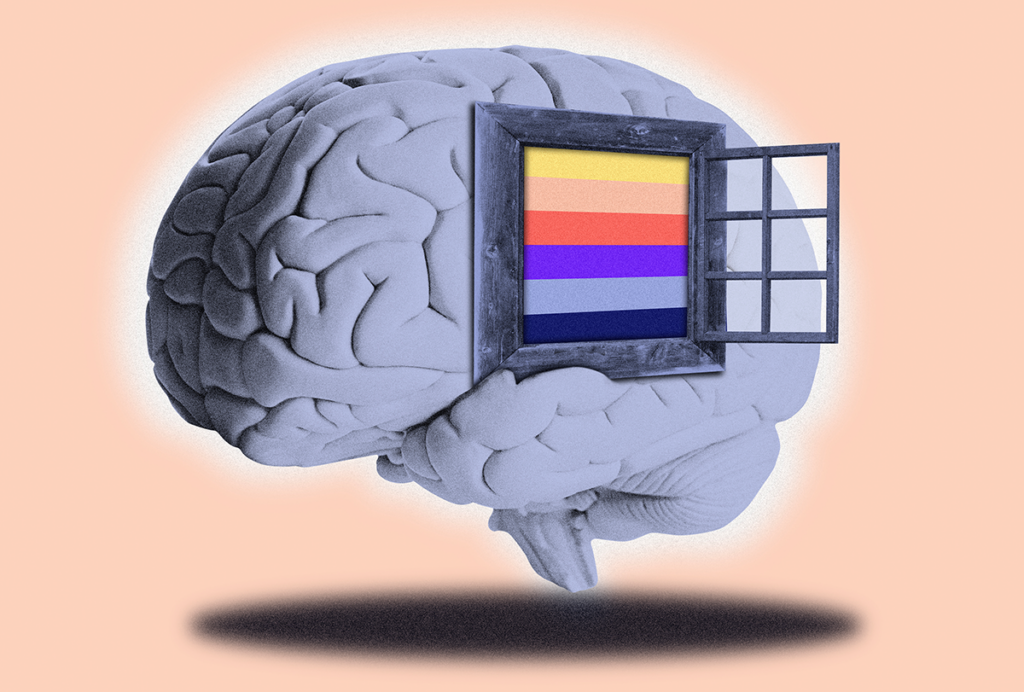
To understand the brain as a network organ, we must image cortical layers
Human neuroscience research has largely overlooked this spatial scale—which bridges cells and brain areas. But new advances in functional MRI technology are changing that.
To understand the brain as a network organ, we must image cortical layers
Human neuroscience research has largely overlooked this spatial scale—which bridges cells and brain areas. But new advances in functional MRI technology are changing that.
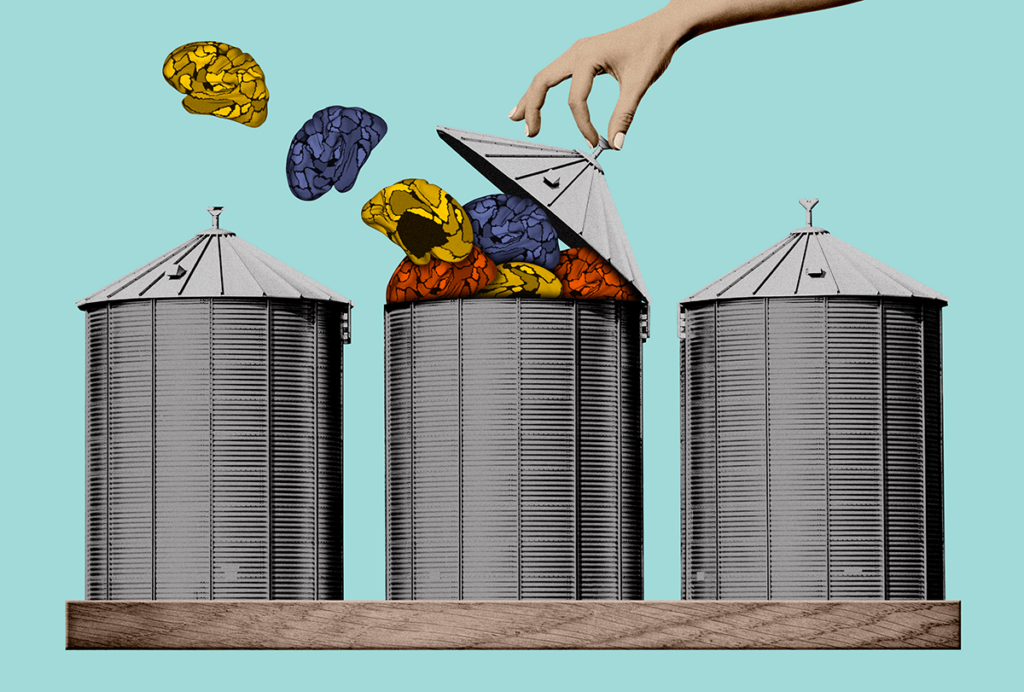
To make a meaningful contribution to neuroscience, fMRI must break out of its silo
We need to develop research programs that link phenomena across levels, from genes and molecules to cells, circuits, networks and behavior.
To make a meaningful contribution to neuroscience, fMRI must break out of its silo
We need to develop research programs that link phenomena across levels, from genes and molecules to cells, circuits, networks and behavior.
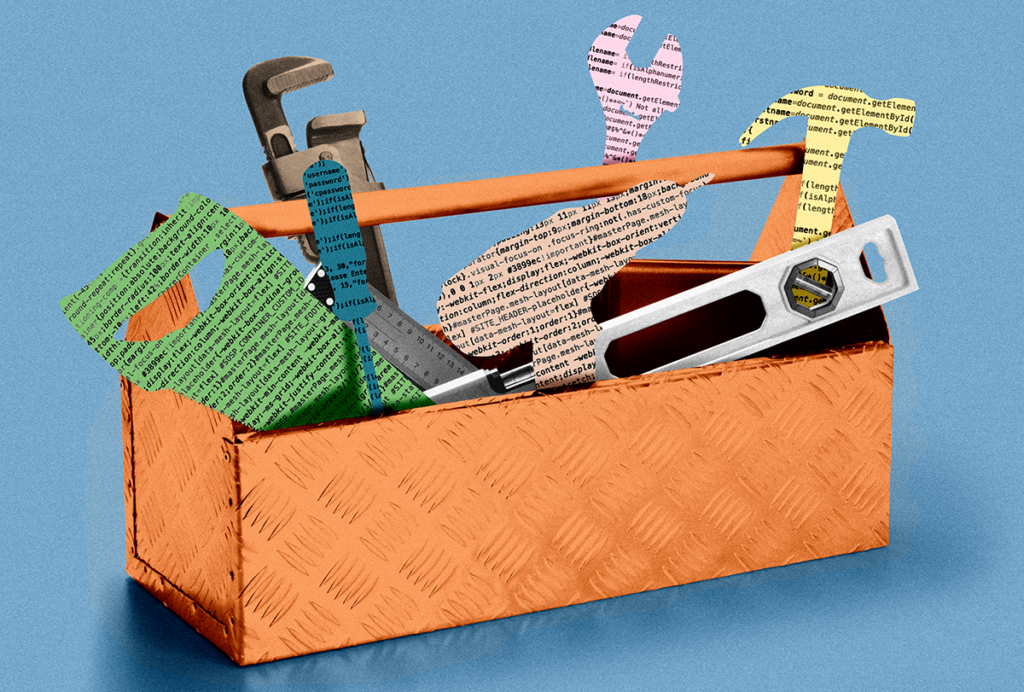
New tools help make neuroimaging accessible to more researchers
A lack of programming experience can derail experimental aspirations. But custom software packages, web-based applications and video tutorials make functional MRI concepts easier to grasp.
New tools help make neuroimaging accessible to more researchers
A lack of programming experience can derail experimental aspirations. But custom software packages, web-based applications and video tutorials make functional MRI concepts easier to grasp.

Should we use the computational or the network approach to analyze functional brain-imaging data—why not both?
Emerging methods make it possible to combine the two tactics from opposite ends of the analytic spectrum, enabling scientists to have their cake and eat it too.
Should we use the computational or the network approach to analyze functional brain-imaging data—why not both?
Emerging methods make it possible to combine the two tactics from opposite ends of the analytic spectrum, enabling scientists to have their cake and eat it too.
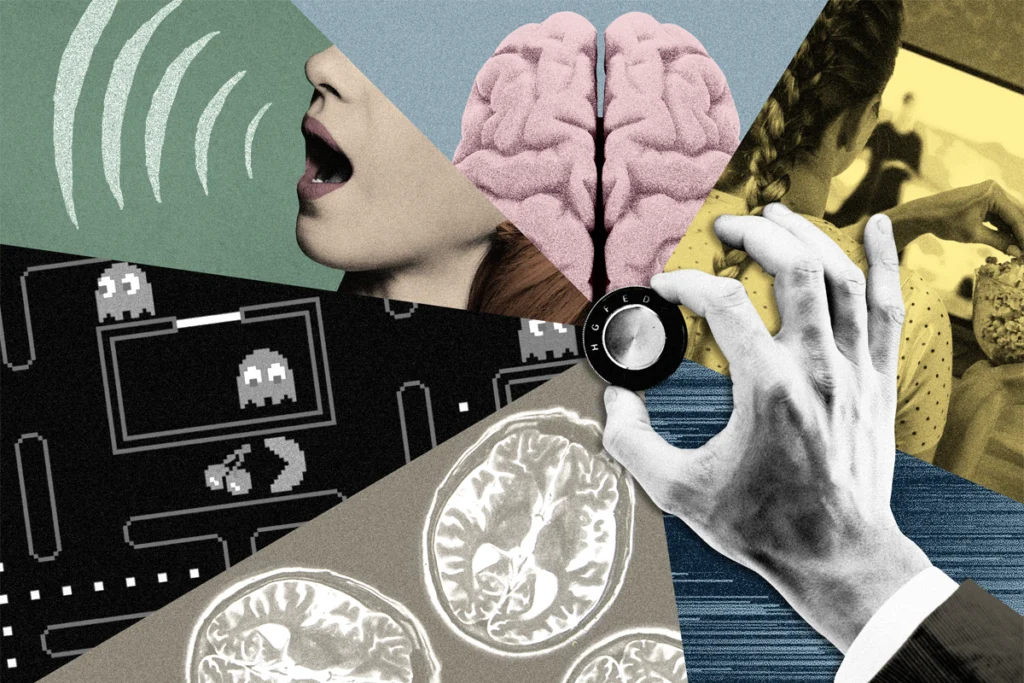
To improve big data, we need small-scale human imaging studies
By insisting that every brain-behavior association study include hundreds or even thousands of participants, we risk stifling innovation. Smaller studies are essential to test new scanning paradigms.
To improve big data, we need small-scale human imaging studies
By insisting that every brain-behavior association study include hundreds or even thousands of participants, we risk stifling innovation. Smaller studies are essential to test new scanning paradigms.
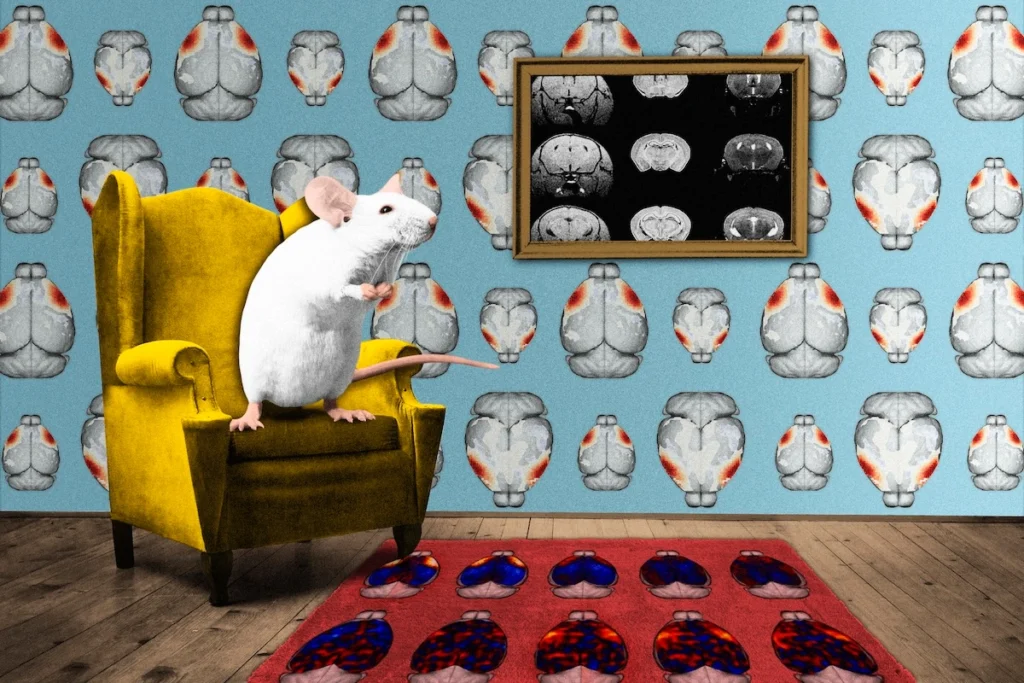
To make fMRI more clinically useful, we need to really get BOLD
A better understanding of the blood oxygen level dependent, or BOLD, signal requires more support for multimodal imaging studies.
To make fMRI more clinically useful, we need to really get BOLD
A better understanding of the blood oxygen level dependent, or BOLD, signal requires more support for multimodal imaging studies.
Explore more from The Transmitter
University probe leads to retraction of four neural tube studies
The University of Maryland conducted an internal investigation that identified image duplications and other data integrity issues in the studies, according to the retraction notices.
University probe leads to retraction of four neural tube studies
The University of Maryland conducted an internal investigation that identified image duplications and other data integrity issues in the studies, according to the retraction notices.

Highly cited autism paper earns expression of concern over data duplications
The notice, published in Nature last week, also addressed an image duplication identified by a prominent research-integrity sleuth.
Highly cited autism paper earns expression of concern over data duplications
The notice, published in Nature last week, also addressed an image duplication identified by a prominent research-integrity sleuth.
Govern neurodata by how it’s used, not where it’s from
New neurodata laws will shape how researchers gather, share and reuse brain data. A use-based governance protects basic researchers and those whose data are being used, without freezing science.
Govern neurodata by how it’s used, not where it’s from
New neurodata laws will shape how researchers gather, share and reuse brain data. A use-based governance protects basic researchers and those whose data are being used, without freezing science.