SFN 2008
Recent articles

Size of infant’s amygdala predicts language ability
A child's language ability correlates with the volume of his or her amygdala ― the small, deep brain region that is strongly associated with emotion processing ― according to an unpublished five-year longitudinal study presented Wednesday afternoon at the Society for Neuroscience meeting.
Size of infant’s amygdala predicts language ability
A child's language ability correlates with the volume of his or her amygdala ― the small, deep brain region that is strongly associated with emotion processing ― according to an unpublished five-year longitudinal study presented Wednesday afternoon at the Society for Neuroscience meeting.
Beyond mirror neurons
High-functioning children with autism may understand another personʼs intention when, for example, that person reaches for a glass of water ― a simple, goal-directed task ― without help from the mirror neuron system, according to research reported Tuesday at the Society for Neuroscience meeting.
Beyond mirror neurons
High-functioning children with autism may understand another personʼs intention when, for example, that person reaches for a glass of water ― a simple, goal-directed task ― without help from the mirror neuron system, according to research reported Tuesday at the Society for Neuroscience meeting.
Finding the right (synaptic) partners
Researchers are narrowing in on a pool of genes that may be involved in helping neurons find their targets, according to unpublished work presented today in a poster session at the Society for Neuroscience meeting.
Finding the right (synaptic) partners
Researchers are narrowing in on a pool of genes that may be involved in helping neurons find their targets, according to unpublished work presented today in a poster session at the Society for Neuroscience meeting.
A drug that lasts for days
A new slow-release form of the drug risperidone ― an antipsychotic given to people with schizophrenia, autism and other psychiatric conditions ― lasts in the blood days instead of hours, according to research presented today at the Society for Neuroscience meeting.
A drug that lasts for days
A new slow-release form of the drug risperidone ― an antipsychotic given to people with schizophrenia, autism and other psychiatric conditions ― lasts in the blood days instead of hours, according to research presented today at the Society for Neuroscience meeting.
microRNAs in mental illness
Some small fragments of RNA, called microRNAs, are under-expressed in people with schizophrenia and bipolar disorder compared with controls, according to unpublished research based on postmortem brain tissue presented this morning at the Society for Neuroscience meeting.
microRNAs in mental illness
Some small fragments of RNA, called microRNAs, are under-expressed in people with schizophrenia and bipolar disorder compared with controls, according to unpublished research based on postmortem brain tissue presented this morning at the Society for Neuroscience meeting.
Pathways to plasticity
The molecular mechanisms underlying synaptic plasticity ― the ability of neurons to change the strength of their connections ― can vary across different inhibitory neural circuits as much as they can vary across excitatory neural circuits, according to research presented this morning at the Society for Neuroscience meeting.
Pathways to plasticity
The molecular mechanisms underlying synaptic plasticity ― the ability of neurons to change the strength of their connections ― can vary across different inhibitory neural circuits as much as they can vary across excitatory neural circuits, according to research presented this morning at the Society for Neuroscience meeting.
Lithium’s effect on fragile X mice
Lithium treatment reverses some of the behavioral and brain-cell abnormalities in mouse models of fragile X syndrome ― an inherited form of mental retardation that includes learning deficits, aggressiveness, and social withdrawal ― according to research presented today at the Society for Neuroscience meeting.
Lithium’s effect on fragile X mice
Lithium treatment reverses some of the behavioral and brain-cell abnormalities in mouse models of fragile X syndrome ― an inherited form of mental retardation that includes learning deficits, aggressiveness, and social withdrawal ― according to research presented today at the Society for Neuroscience meeting.
Creating stem cells to study autism
A team of scientists is reprogramming adult stem cells generated from tiny skin samples of people with autism to form nerve cells, creating a powerful research tool for the disorder.
Creating stem cells to study autism
A team of scientists is reprogramming adult stem cells generated from tiny skin samples of people with autism to form nerve cells, creating a powerful research tool for the disorder.
Clinical trial planned for Rett syndrome treatment
Treatment with the insulin-like growth factor (IGF) greatly improves the health of mouse models of Rett syndrome ― a regressive genetic disorder that causes mental retardation, respiratory problems, and autistic features ― according to unpublished researched presented Monday at the Society for Neuroscience conference in Washington, D.C.
Clinical trial planned for Rett syndrome treatment
Treatment with the insulin-like growth factor (IGF) greatly improves the health of mouse models of Rett syndrome ― a regressive genetic disorder that causes mental retardation, respiratory problems, and autistic features ― according to unpublished researched presented Monday at the Society for Neuroscience conference in Washington, D.C.
Altering epigenetic changes
Targeting epigenetic mechanisms may offer potential new therapies for people with developmental disorders including autism, researchers said today at the Society for Neuroscience meeting.
Altering epigenetic changes
Targeting epigenetic mechanisms may offer potential new therapies for people with developmental disorders including autism, researchers said today at the Society for Neuroscience meeting.
Explore more from The Transmitter
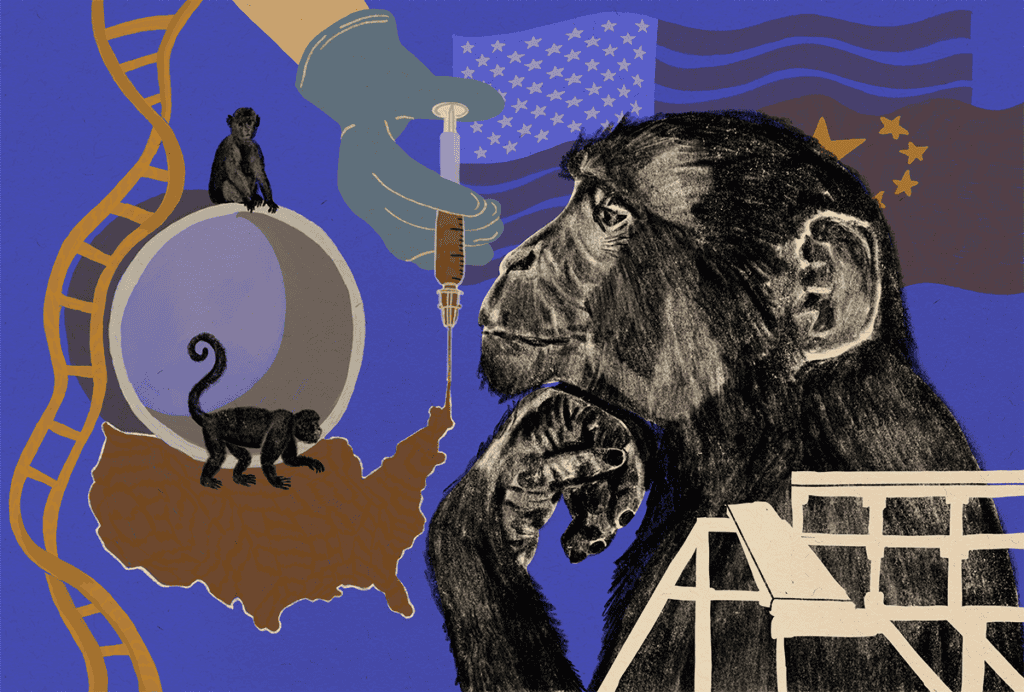
U.S. national primate research centers face an uncertain future
The facilities were meant to last 100 years. Four decades shy of that mark, amid flatlined funds and mounting political pressure, their directors are trying to find a path forward.
U.S. national primate research centers face an uncertain future
The facilities were meant to last 100 years. Four decades shy of that mark, amid flatlined funds and mounting political pressure, their directors are trying to find a path forward.
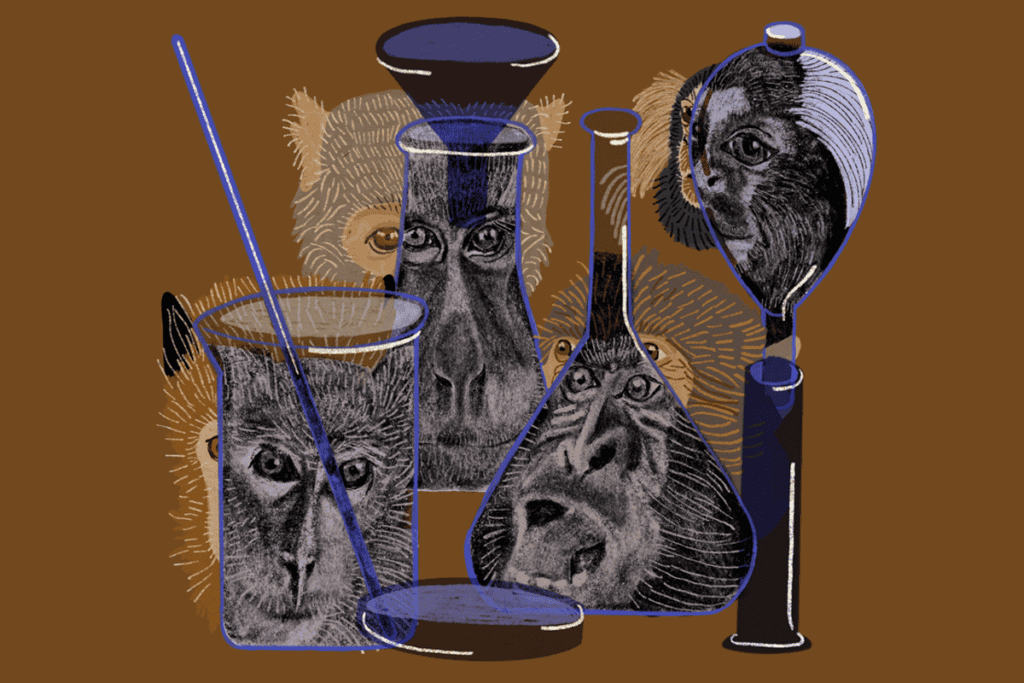
What if nonhuman primate research goes away?
As the U.S. government takes steps to stop using nonhuman primates in research, The Transmitter investigates what that shift could mean for neuroscience.
What if nonhuman primate research goes away?
As the U.S. government takes steps to stop using nonhuman primates in research, The Transmitter investigates what that shift could mean for neuroscience.
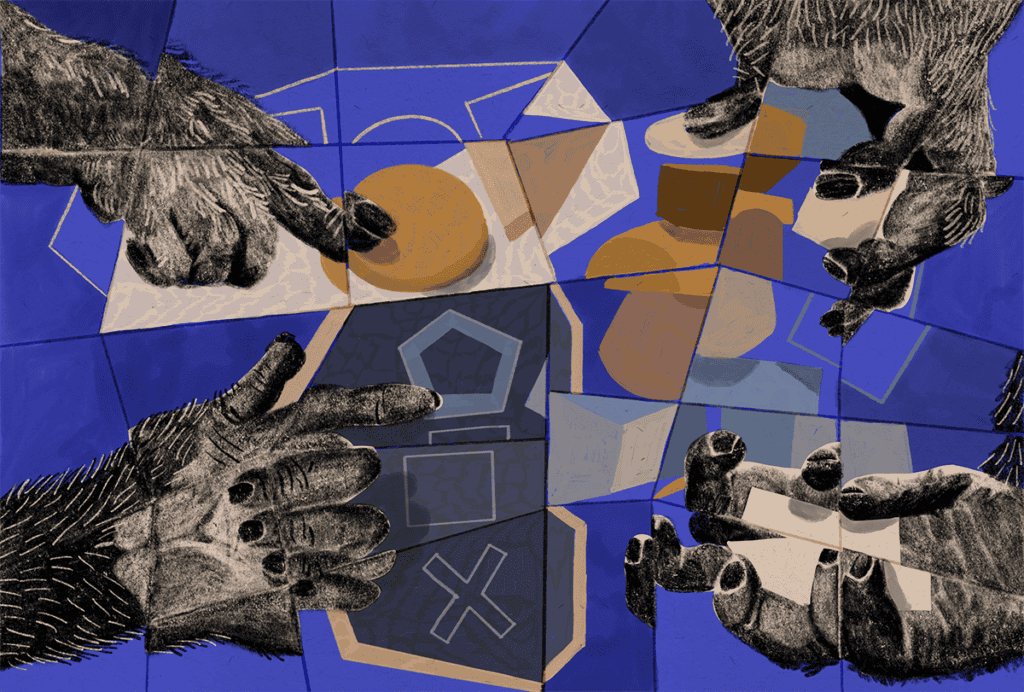
The neuroscience questions that need nonhuman primates
The Transmitter asked 17 neuroscientists what questions might remain unanswered if support for nonhuman primate research continues to decline.
The neuroscience questions that need nonhuman primates
The Transmitter asked 17 neuroscientists what questions might remain unanswered if support for nonhuman primate research continues to decline.