Artificial neural networks
Recent articles
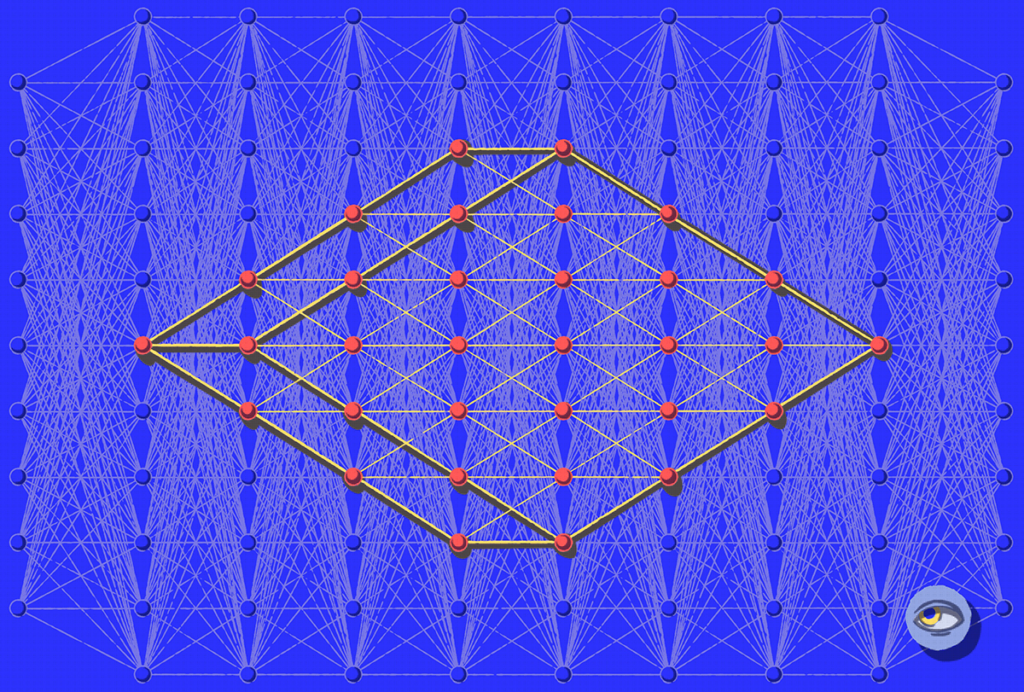
This paper changed my life: Appreciating John Hopfield’s brilliant neural network
In a 1982 paper, the Nobel laureate created his namesake recurrent neural network—work that taught Maria Geffen to always ground research questions in biology.
This paper changed my life: Appreciating John Hopfield’s brilliant neural network
In a 1982 paper, the Nobel laureate created his namesake recurrent neural network—work that taught Maria Geffen to always ground research questions in biology.
Kim Stachenfeld on the dance between neuroscience and artificial intelligence
As a researcher at both Google DeepMind and Columbia University, Stachenfeld offers cross-disciplinary insight into how to understand the brain.
Kim Stachenfeld on the dance between neuroscience and artificial intelligence
As a researcher at both Google DeepMind and Columbia University, Stachenfeld offers cross-disciplinary insight into how to understand the brain.
Explore more from The Transmitter
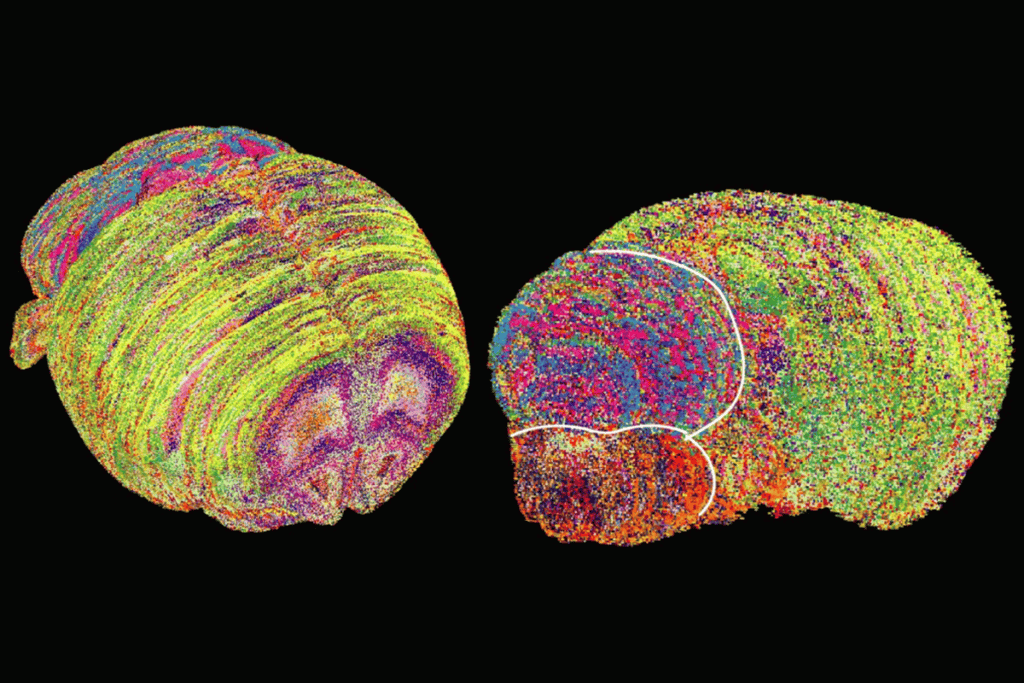
Lipids enter brain mapping limelight
Two new studies, including the first whole-brain lipid atlas in mice, uncover unforeseen complexity and influence during pregnancy and aging.
Lipids enter brain mapping limelight
Two new studies, including the first whole-brain lipid atlas in mice, uncover unforeseen complexity and influence during pregnancy and aging.
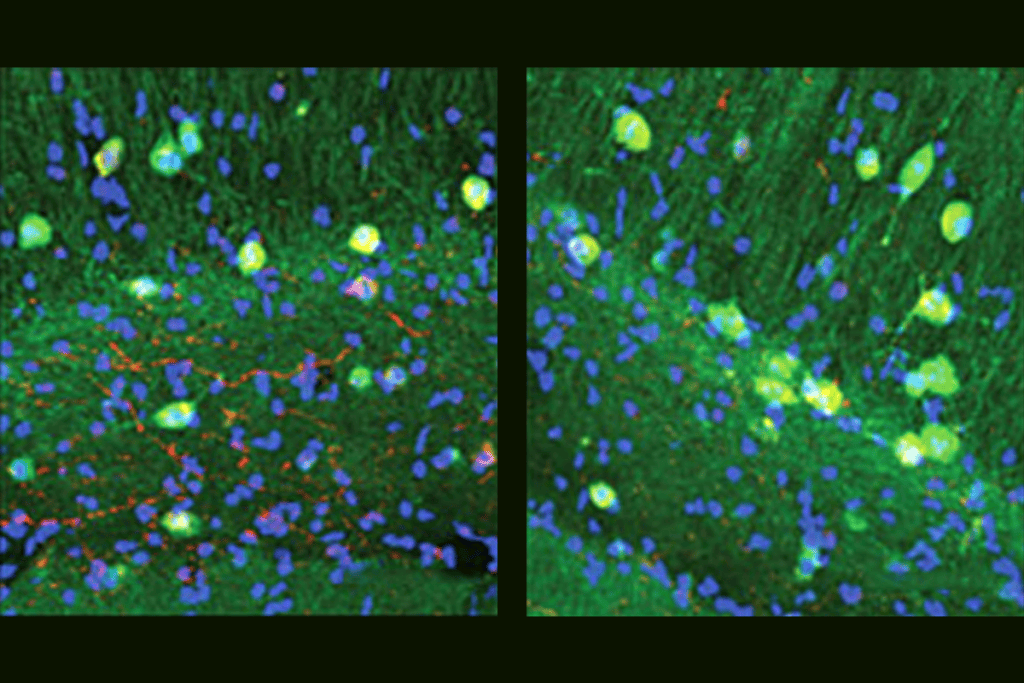
Behavioral phenomics in zebrafish; and more
Here is a roundup of autism-related news and research spotted around the web for the week of 26 October.
Behavioral phenomics in zebrafish; and more
Here is a roundup of autism-related news and research spotted around the web for the week of 26 October.
Neuroscience gave AI its start. What happens now?
David Sussillo maps the two fields' divergent paths, and where they might still meet.
Neuroscience gave AI its start. What happens now?
David Sussillo maps the two fields' divergent paths, and where they might still meet.