Chris Gash
From this contributor
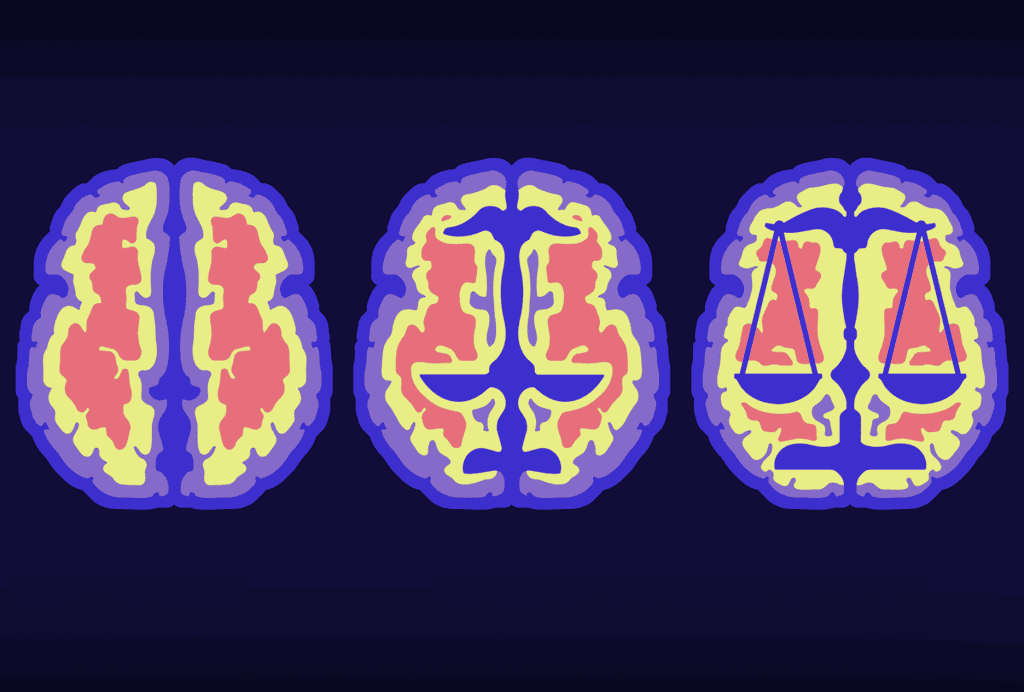
Govern neurodata by how it’s used, not where it’s from
New neurodata laws will shape how researchers gather, share and reuse brain data. A use-based governance protects basic researchers and those whose data are being used, without freezing science.
Govern neurodata by how it’s used, not where it’s from

Grant review needs reform. How about we add an element of chance?
A process that uses a lottery system saves time, reduces strategic resubmission and accepts that, above a quality threshold, luck has always played a part in science funding.
Grant review needs reform. How about we add an element of chance?
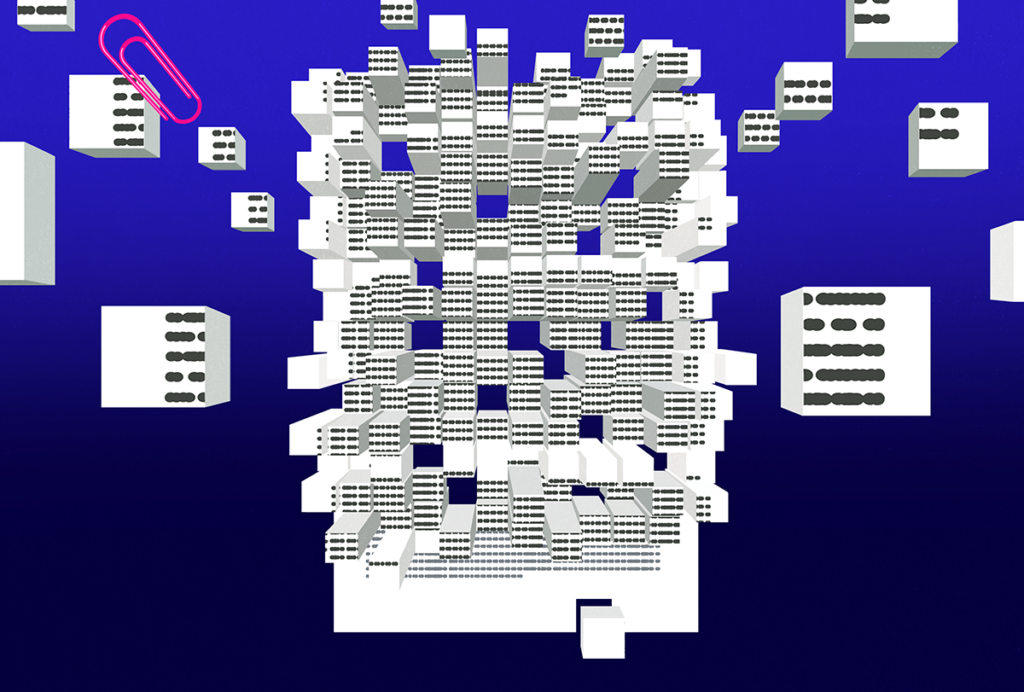
The next unit of science: Is the scientific paper due to be replaced?
Artificial intelligence is pushing scientific publishing to the brink. For a field as sprawling as neuroscience, the crisis may also be an opportunity to finally connect findings across subfields.
The next unit of science: Is the scientific paper due to be replaced?

Why expertise won’t protect you from AI’s influence
When writing a grant or reasoning about a problem, artificial intelligence can exert a subtle bias that often goes undetected, even if we’re doing our best to be aware of it.
Why expertise won’t protect you from AI’s influence
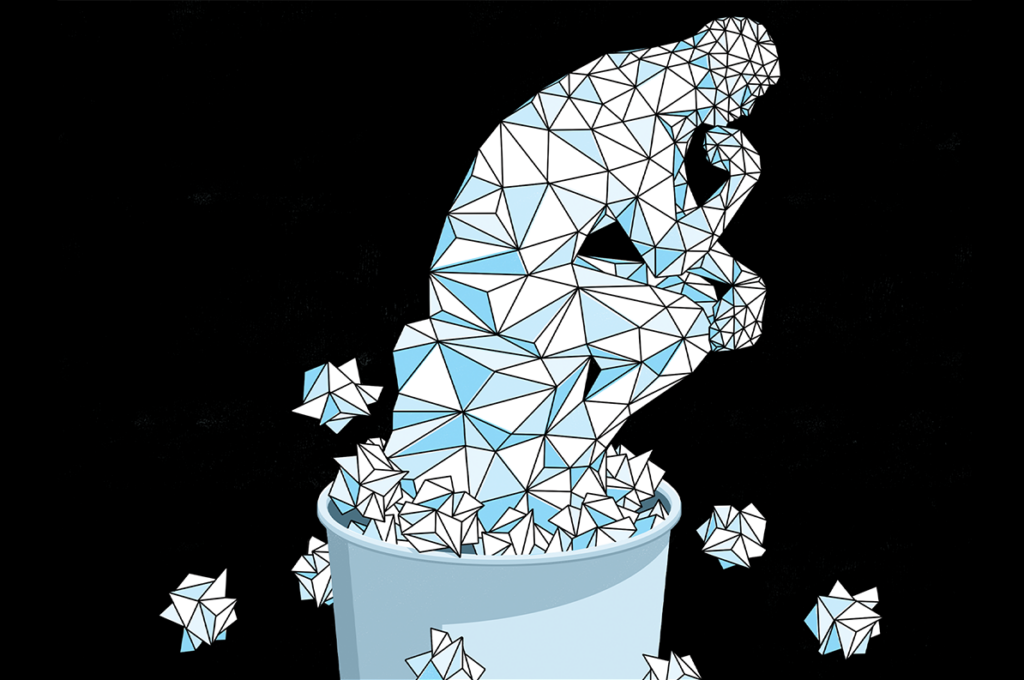
Betting blind on AI and the scientific mind
If the struggle to articulate an idea is part of how you come to understand it, then tools that bypass that struggle might degrade your capacity for the kind of thinking that matters most for actual discovery.
Betting blind on AI and the scientific mind
Explore more from The Transmitter
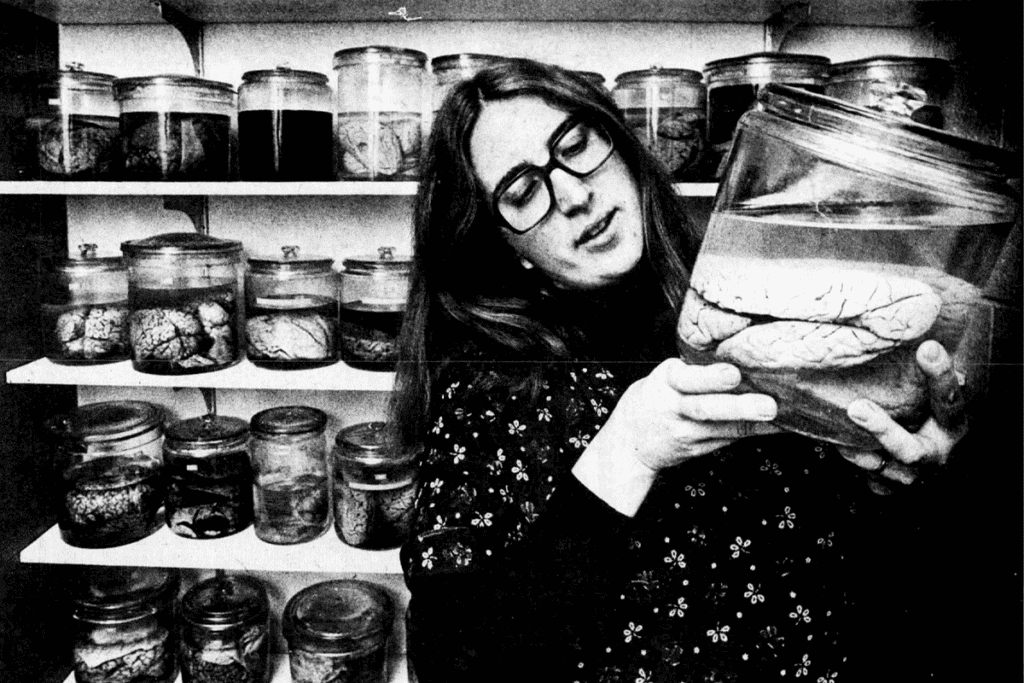
Remembering Barbara Finlay, ‘maverick’ of evolutionary neuroscience
Finlay, who died on 12 September, championed the idea that developmental constraints dictate how evolution sculpts brains, a concept she used to model the timing of hundreds of events and align them across mammalian species.
Remembering Barbara Finlay, ‘maverick’ of evolutionary neuroscience
Finlay, who died on 12 September, championed the idea that developmental constraints dictate how evolution sculpts brains, a concept she used to model the timing of hundreds of events and align them across mammalian species.
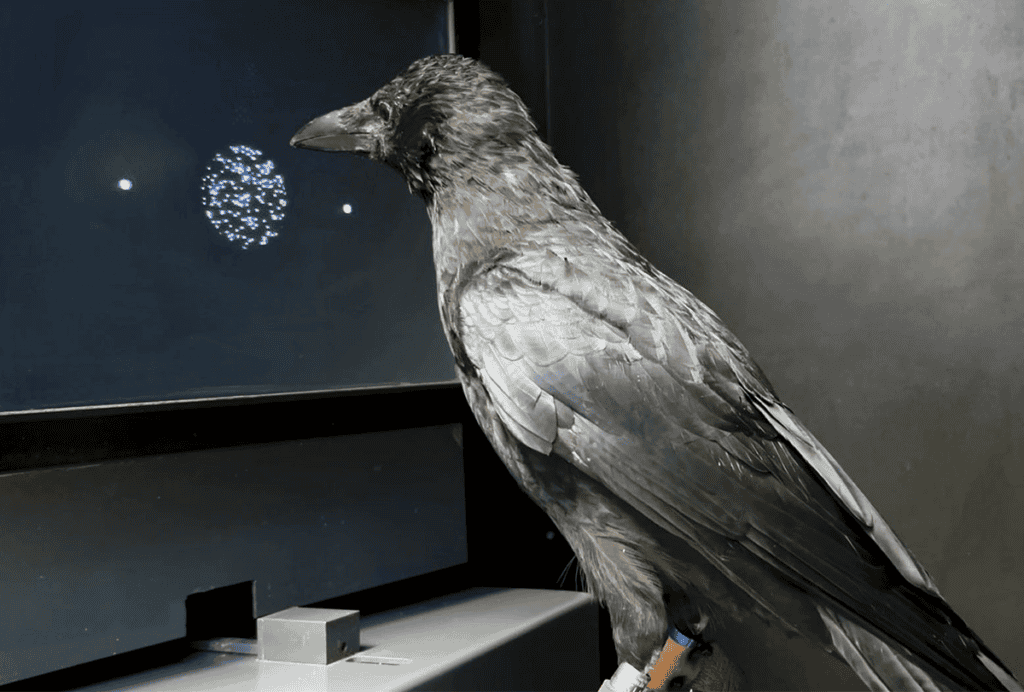
Crows have brains ‘in the fast lane’
The birds accurately complete decision-making tasks twice as fast as primates, although their endbrains look considerably different.
Crows have brains ‘in the fast lane’
The birds accurately complete decision-making tasks twice as fast as primates, although their endbrains look considerably different.

Prevalence of profound autism declines with new definition
The updated, more precise definition used in a CDC study includes adaptive scores.
Prevalence of profound autism declines with new definition
The updated, more precise definition used in a CDC study includes adaptive scores.