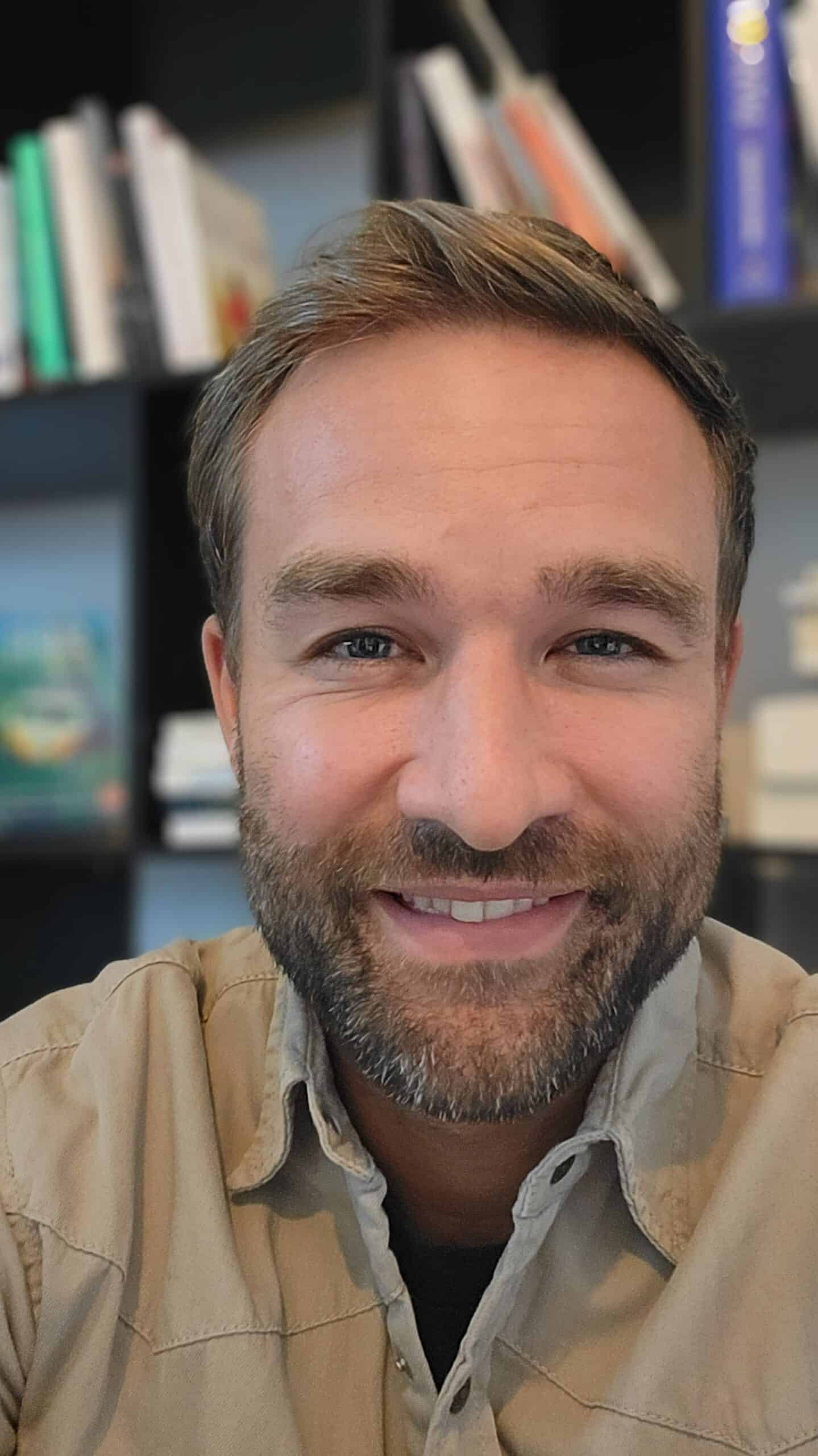
Sjoerd Murris headshot.

Sjoerd Murris

Postdoctoral researcher
Netherlands Institute for Neuroscience

Sjoerd Murris is a neurobiologist, working as a postdoctoral researcher at the Netherlands Institute for Neuroscience in the lab of Pieter Roelfsema. His research investigates higher cognitive functions such as perception and attention in primates, combining electrical microstimulation with neuroimaging.

Beyond the lab, Murris is an active voice in Dutch science communication and education. He lectures regularly and holds a university teaching qualification. He also answers brain-related questions from the public through the BrainHelpDesk and serves on the organizing board of the Dutch Brain Bee, a national neuroscience competition for high school students.

Murris earned his B.Sc. in biology at the University of Groningen and his M.Sc. in biology, majoring in neuroscience, at ETH Zürich. His master’s thesis research with Chris Petkov at Newcastle University ultimately set him on the neuroscience path. He went on to complete a Ph.D. in biomedical sciences (neurophysiology) with Wim Vanduffel at KU Leuven in 2020, while obtaining a B.A. in philosophy through evening study, with a thesis on bioethics.
Explore more from The Transmitter

Brain Flows book cover

‘Brain Flows: How Network Dynamics Compose the Human Mind,’ an excerpt

In his new book, published today, Michael W. Cole examines how the movement of neuronal activity between neuronal populations shapes free will, intelligence and creativity. In this excerpt from Chapter 1, Cole explores why activity flows could unify efforts to map brain functions and connectivity.

By Michael W. Cole
3 November 2026 | 9 min read
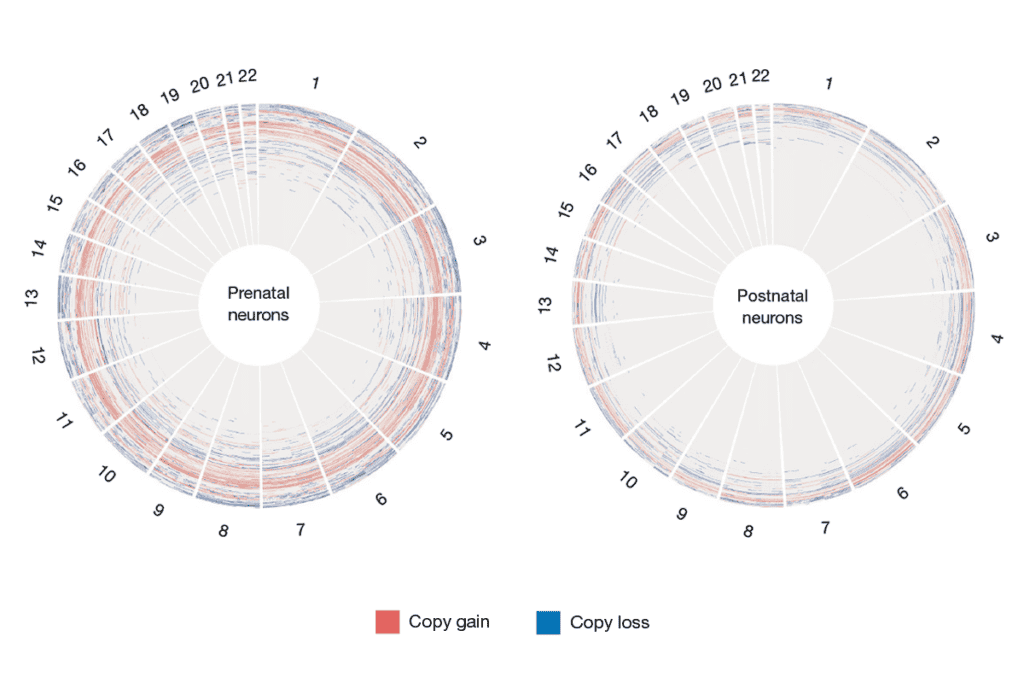
Research image showing copy number variants in prenatal cortical neurons.

Prenatal pruning of neurons with copy number variants; and more

Here is a roundup of autism-related news and research spotted around the web for the week of 2 November.

By Jill Adams
3 November 2026 | 2 min read

New Stanford initiative aims to build digital twin of human brain

The effort, funded by private donors, seeks to train the model on a trove of MRI and magnetoencephalography data that scientists plan to collect over the next five years—but questions about its scientific utility and feasibility remain.

By Natalia Mesa
2 November 2026 | 0 min watch