
Veronyka Jelinek
Illustrator
From this contributor
‘High risk, high reward’: How early-career neuroscientists view their future
The Transmitter and Neuromatch surveyed more than 300 early-career neuroscientists to better understand their unique challenges, career aspirations and support needs.
‘High risk, high reward’: How early-career neuroscientists view their future
Queerying neuroscience: How legislation and institutions reframe LGBTQIA+ researchers’ careers
In honor of Pride Month, The Transmitter spoke with three researchers who surveyed hundreds of LGBTQIA+ neuroscientists to better understand how institutional support, harassment and policy intersect to shape their professional trajectories.
Queerying neuroscience: How legislation and institutions reframe LGBTQIA+ researchers’ careers
Still no proof for facilitated spelling methods
A systematic review into whether the “rapid prompting method” or “spelling to communicate” can help autistic people express themselves comes up empty yet again.
Still no proof for facilitated spelling methods
Head direction cells stably orient mice to outside world
The cells’ representations show little drift over time—unlike those of other navigation system neurons—and may provide a “rigid backbone” for more flexible sensory and cognitive responses.
Head direction cells stably orient mice to outside world
Why emotion research is stuck—and how to move it forward
Studying how organisms infer indirect threats and understand changing contexts can establish a common framework that bridges species and levels of analysis.
Why emotion research is stuck—and how to move it forward
Explore more from The Transmitter
How new technologies can bring primatologists and systems neuroscientists together
The two groups study the same behavioral phenomena yet rarely interact or read each other's work—a mutual blind spot that weakens both fields. New technologies offer a chance to bring them together.
How new technologies can bring primatologists and systems neuroscientists together
The two groups study the same behavioral phenomena yet rarely interact or read each other's work—a mutual blind spot that weakens both fields. New technologies offer a chance to bring them together.
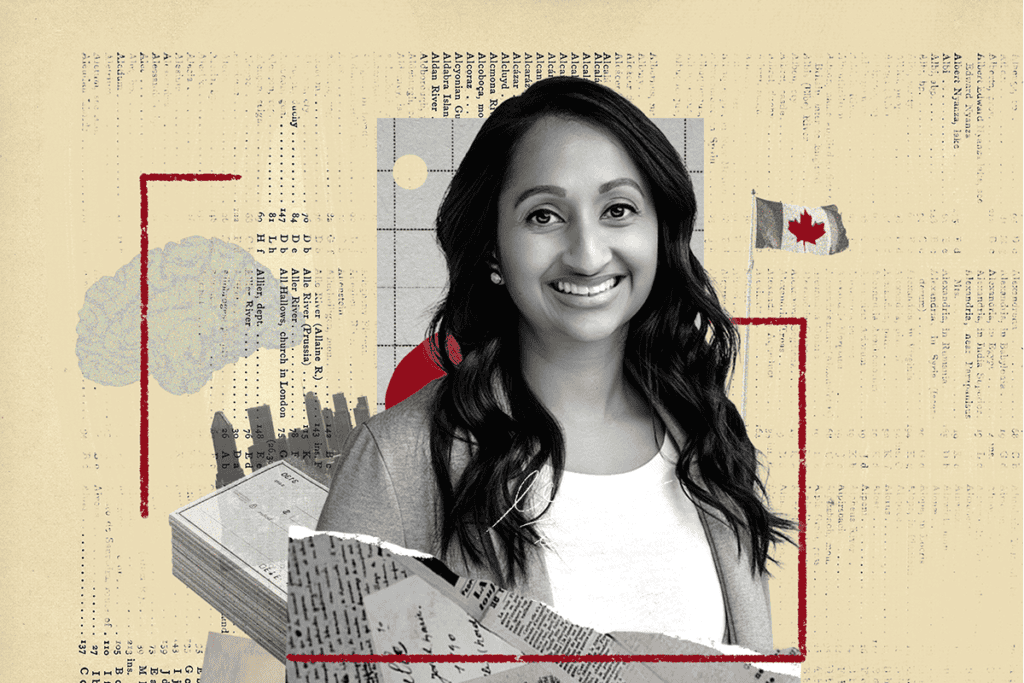
Creating community through grant support
Fiona Sanderson, a senior program manager at the Brain Canada Foundation, shares how she got into grant administration and how she helps connect researchers with funding and one another.
Creating community through grant support
Fiona Sanderson, a senior program manager at the Brain Canada Foundation, shares how she got into grant administration and how she helps connect researchers with funding and one another.
This paper changed my life: A first glimpse into the ‘middle’ of brain processing
Work by Jeffrey Moran and Robert Desimone showed that monkeys could focus their attention on different stimuli in their visual field without shifting their gaze. Their work marked a key milestone in the emergence of cognitive neuroscience.
This paper changed my life: A first glimpse into the ‘middle’ of brain processing
Work by Jeffrey Moran and Robert Desimone showed that monkeys could focus their attention on different stimuli in their visual field without shifting their gaze. Their work marked a key milestone in the emergence of cognitive neuroscience.