Education
Recent articles
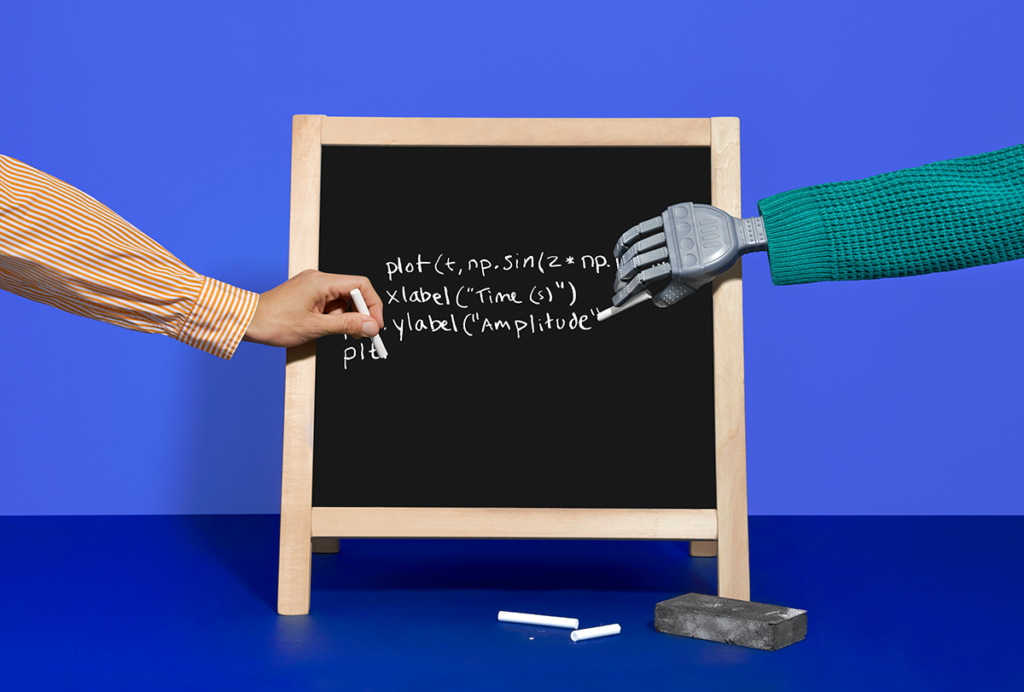
How to teach programming in the age of AI
Scientists and educators are concerned about students using artificial intelligence to shortcut their learning. But there are also opportunities, especially when it comes to teaching neuroscience students how to code.
How to teach programming in the age of AI
Scientists and educators are concerned about students using artificial intelligence to shortcut their learning. But there are also opportunities, especially when it comes to teaching neuroscience students how to code.
Securing the academic pipeline amid uncertain U.S. funding climate
Finding creative ways to keep early-career researchers in academia—for example, through part-time roles—can help the field weather the storm.
Securing the academic pipeline amid uncertain U.S. funding climate
Finding creative ways to keep early-career researchers in academia—for example, through part-time roles—can help the field weather the storm.
Talking shop: The Transmitter’s top quotes of 2025
Find out what “may be one of the brain’s most underappreciated superpowers” and why it’s so crucial to “talk about our research in our everyday lives.”
Talking shop: The Transmitter’s top quotes of 2025
Find out what “may be one of the brain’s most underappreciated superpowers” and why it’s so crucial to “talk about our research in our everyday lives.”
How will neuroscience training need to change in the future?
Training in computational neuroscience, data science and statistics will need to expand, say many of the scientists we surveyed. But that must be balanced with a more traditional grounding in the scientific method and critical thinking. Researchers noted that funding concerns will also affect training, especially for people from underrepresented groups.
How will neuroscience training need to change in the future?
Training in computational neuroscience, data science and statistics will need to expand, say many of the scientists we surveyed. But that must be balanced with a more traditional grounding in the scientific method and critical thinking. Researchers noted that funding concerns will also affect training, especially for people from underrepresented groups.
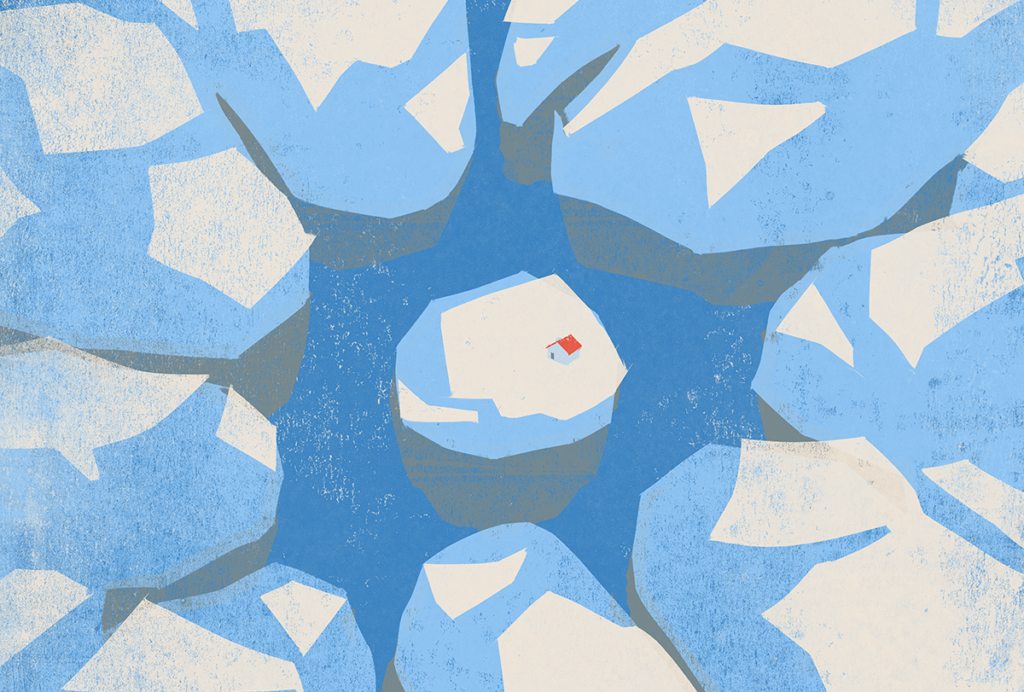
Is neuroscience a coherent field? Or is it becoming more fragmented?
The latter, say about half of the neuroscientists we surveyed. They note the sheer volume of research being generated, an increasing trend toward specialization in neuroscience education, and competition among labs. About another quarter told us it is “becoming much more interconnected.”
Is neuroscience a coherent field? Or is it becoming more fragmented?
The latter, say about half of the neuroscientists we surveyed. They note the sheer volume of research being generated, an increasing trend toward specialization in neuroscience education, and competition among labs. About another quarter told us it is “becoming much more interconnected.”

The state of neuroscience in 2025: An overview
The Transmitter presents a portrait of the field through four lenses: its focus, its output, its people and its funding.
The state of neuroscience in 2025: An overview
The Transmitter presents a portrait of the field through four lenses: its focus, its output, its people and its funding.
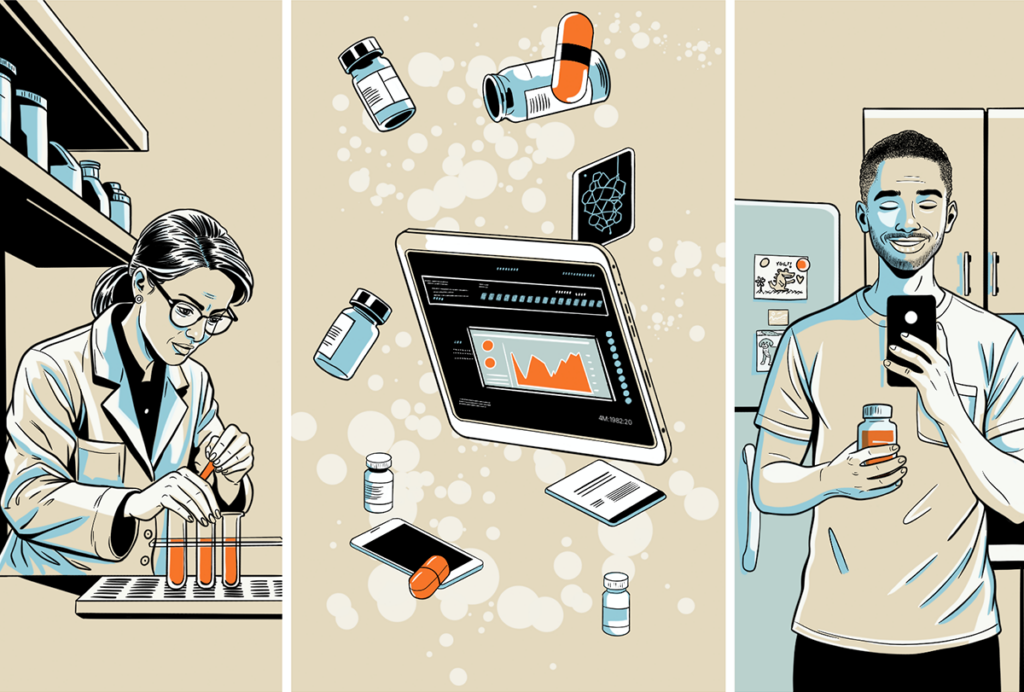
Our searchable repository of useful research can restore trust in federally funded basic science
Called U.S. Public Research Benefits, the database showcases the value of basic science in an easy and accessible format.
Our searchable repository of useful research can restore trust in federally funded basic science
Called U.S. Public Research Benefits, the database showcases the value of basic science in an easy and accessible format.
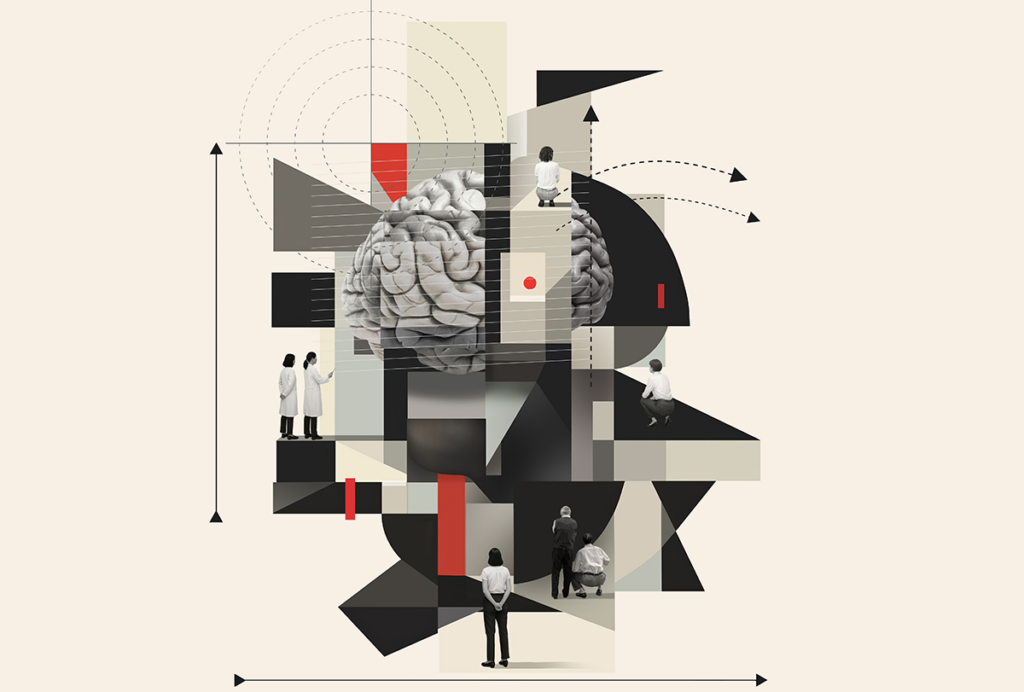
Neuroscience needs engineers—for more reasons than you think
Adopting an engineering mindset will help the field focus its research priorities.
Neuroscience needs engineers—for more reasons than you think
Adopting an engineering mindset will help the field focus its research priorities.

First Pan-African neuroscience journal gets ready to launch
With lower-than-average article processing fees, and issues dedicated to topics important to the continent, the journal hopes to give African neuroscience research much-needed international visibility.
First Pan-African neuroscience journal gets ready to launch
With lower-than-average article processing fees, and issues dedicated to topics important to the continent, the journal hopes to give African neuroscience research much-needed international visibility.
Bringing neuroscience to rural Mexico: In conversation with Mónica López-Hidalgo
By offering education and translating scientific terms into Indigenous languages, López-Hidalgo’s outreach program, Neurociencias Para Todos, provides schoolteachers with tools to bring neuroscience to their communities.
Bringing neuroscience to rural Mexico: In conversation with Mónica López-Hidalgo
By offering education and translating scientific terms into Indigenous languages, López-Hidalgo’s outreach program, Neurociencias Para Todos, provides schoolteachers with tools to bring neuroscience to their communities.
Explore more from The Transmitter
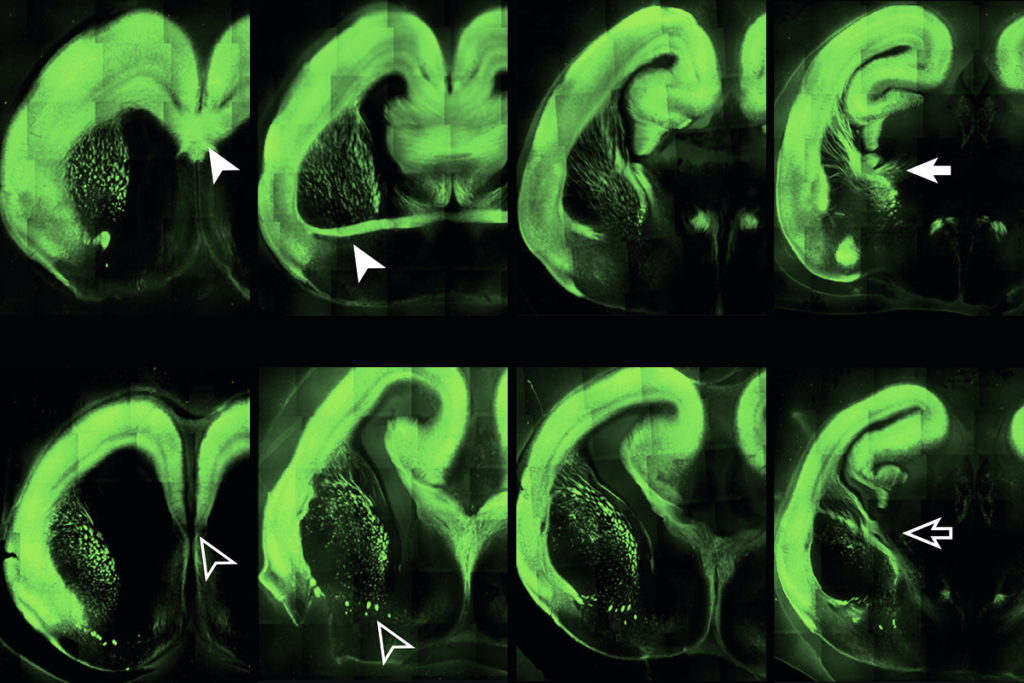
Cortical evolution, ZBTB18, and more
Here is a roundup of autism-related news and research spotted around the web for the week of 30 March.
Cortical evolution, ZBTB18, and more
Here is a roundup of autism-related news and research spotted around the web for the week of 30 March.
Letter asks Congress for nearly $500 million to sustain BRAIN Initiative
The one-time boost would help counter the planned end this year to one of the program’s long-standing funding streams, which will result in a $195 million drop in funding for fiscal year 2027.
Letter asks Congress for nearly $500 million to sustain BRAIN Initiative
The one-time boost would help counter the planned end this year to one of the program’s long-standing funding streams, which will result in a $195 million drop in funding for fiscal year 2027.
Neuroscience conference policy draws confusion, apology
NeurIPS organizers apologized and altered course after issuing a policy that barred submissions from researchers at U.S.-government-sanctioned institutions.
Neuroscience conference policy draws confusion, apology
NeurIPS organizers apologized and altered course after issuing a policy that barred submissions from researchers at U.S.-government-sanctioned institutions.