Leia este artigo em português.
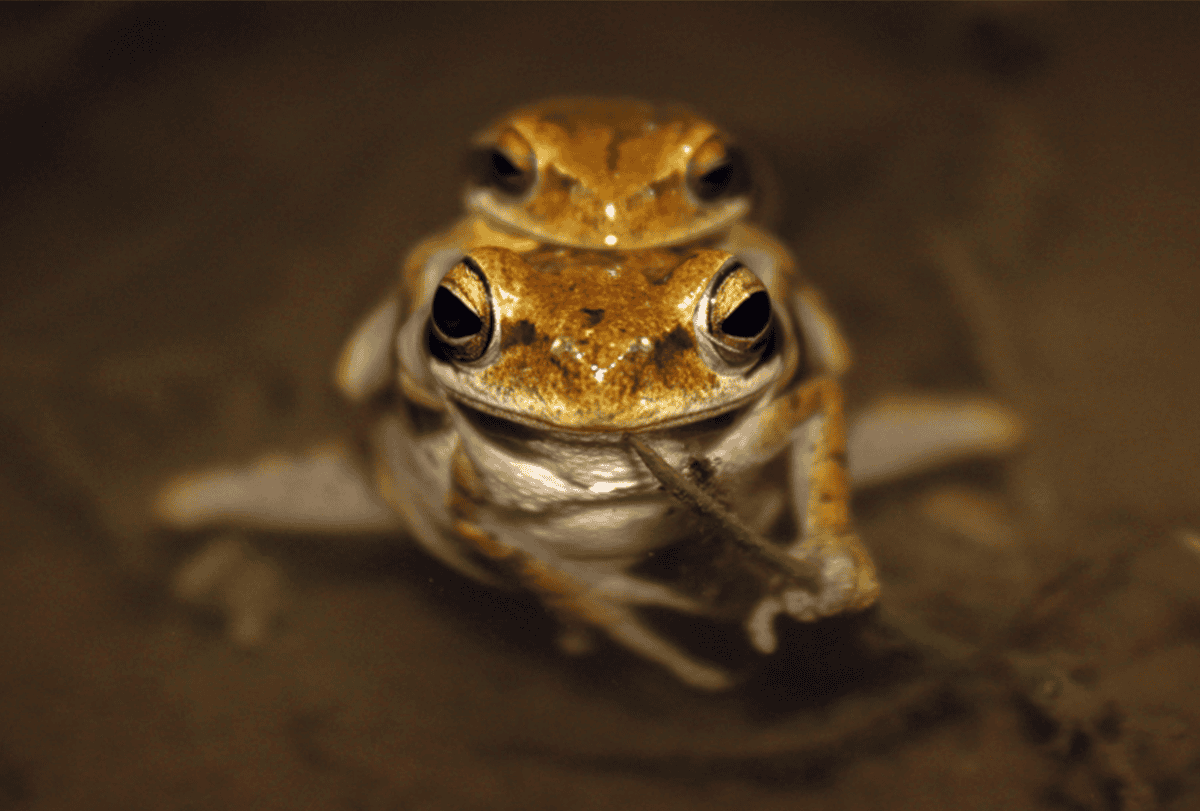
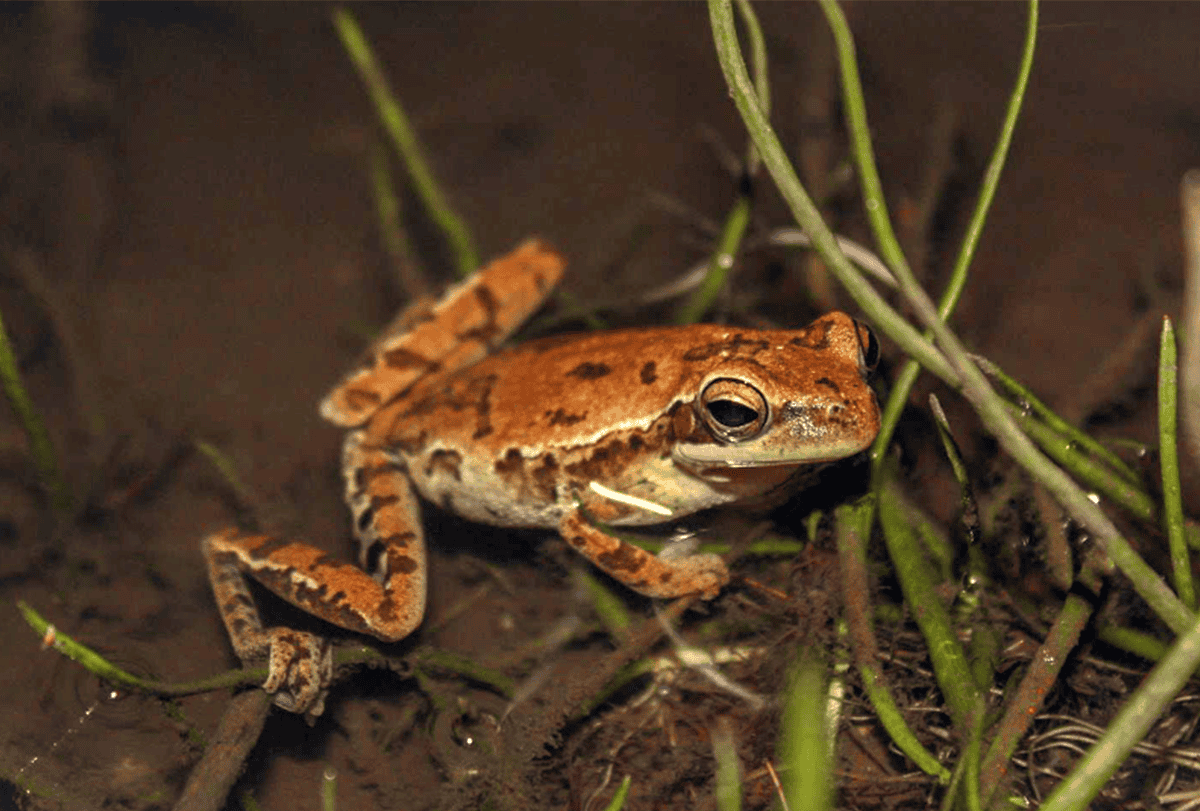
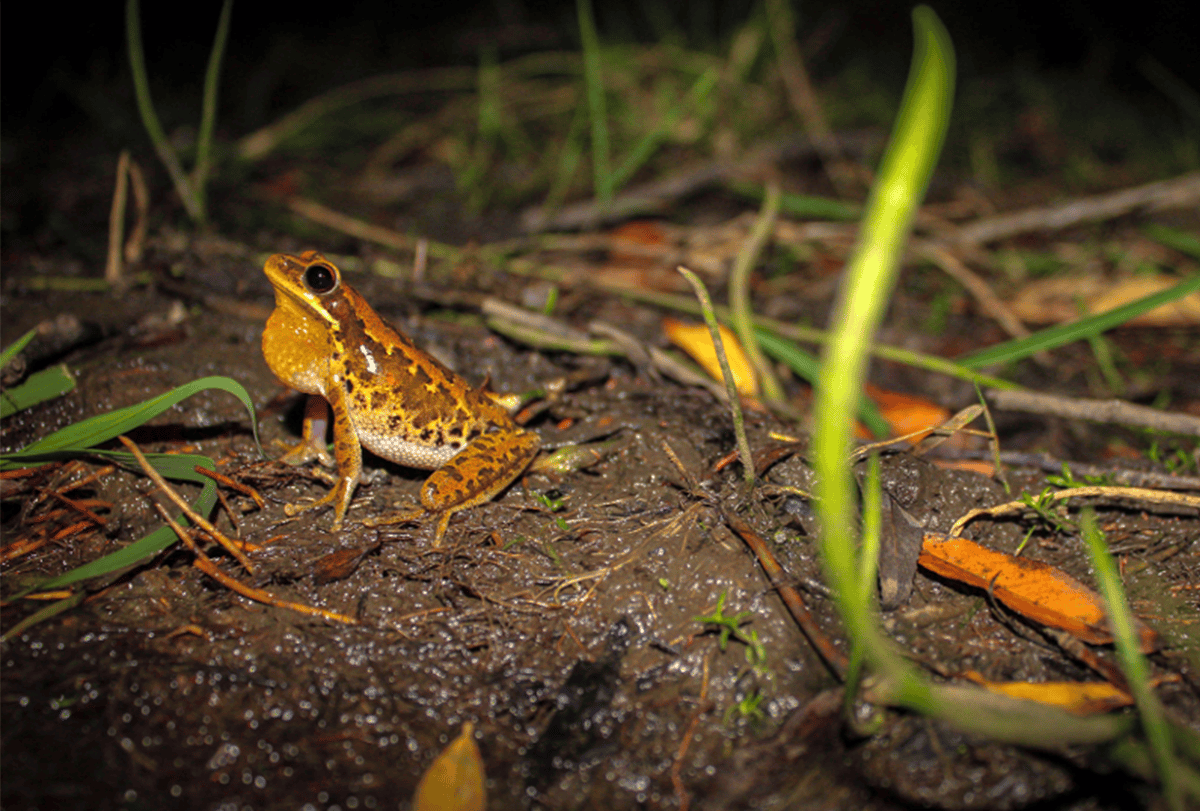
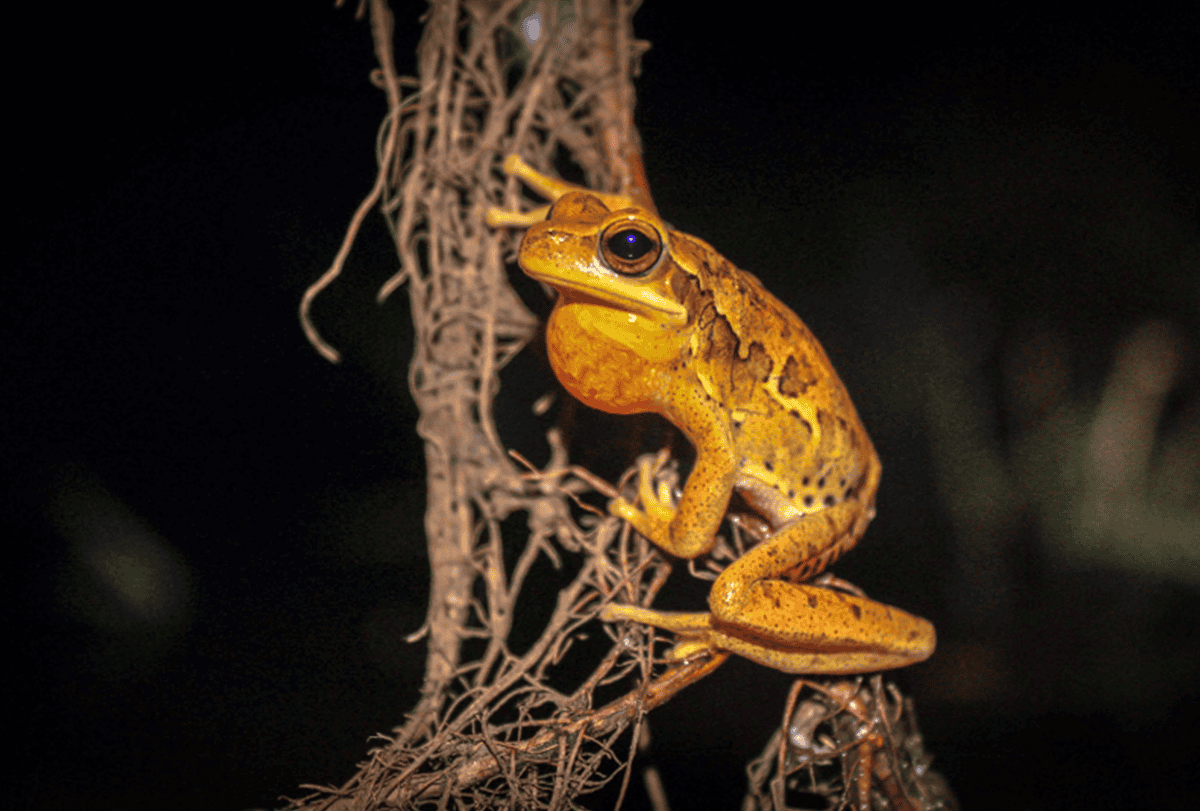
The Montevideo tree frog, Boana pulchella, is abundant in temperate zones throughout Uruguay, parts of Argentina and southern Brazil. At night, near the spring and fall equinoxes, males cluster together and sing in choruses, competing for females’ attention. Each male has a small repertoire of song notes and must modulate his song to stand out from the other males.
These arboreal amorists are helping Paula Pouso, associate professor in histology and embryology at the Universidad de la República in Montevideo, study how neuropeptides shape social interactions and tease out the brain circuitry involved in modulating complex behaviors.