THIS ARTICLE IS PART OF OUR STATE OF NEUROSCIENCE IN LATIN AMERICA REPORT.

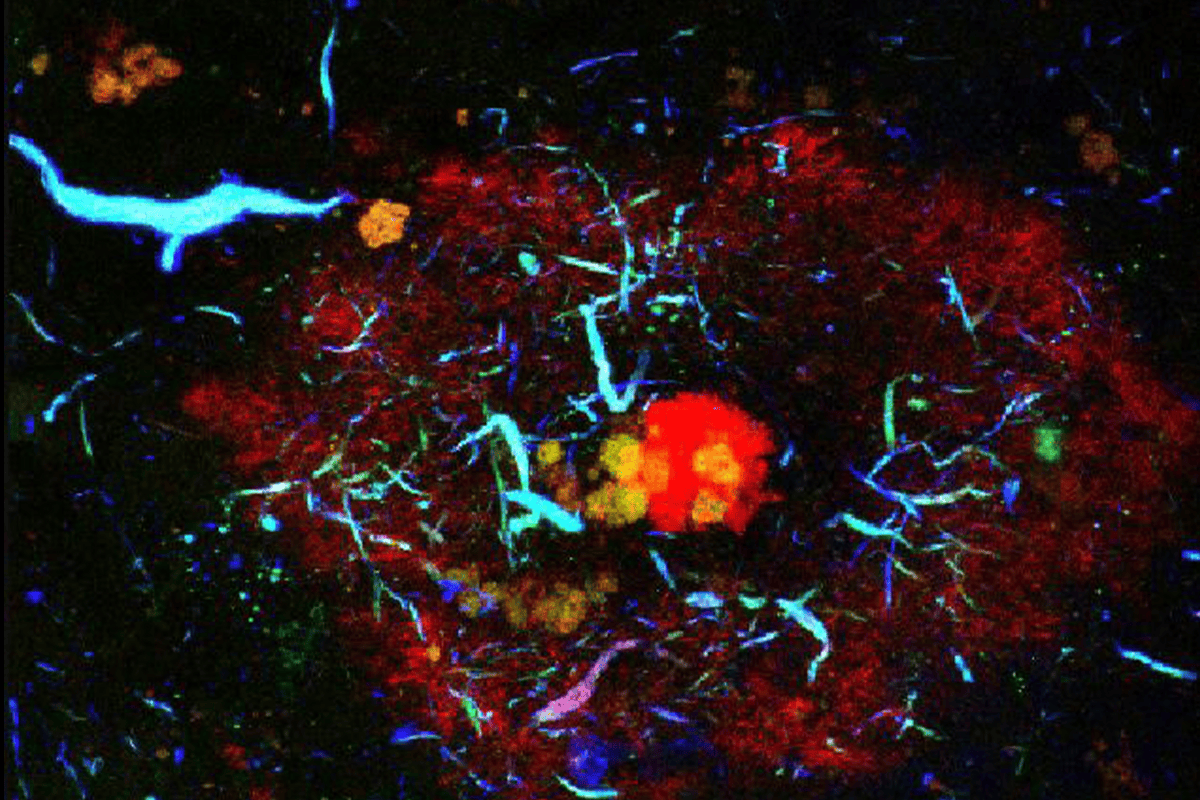
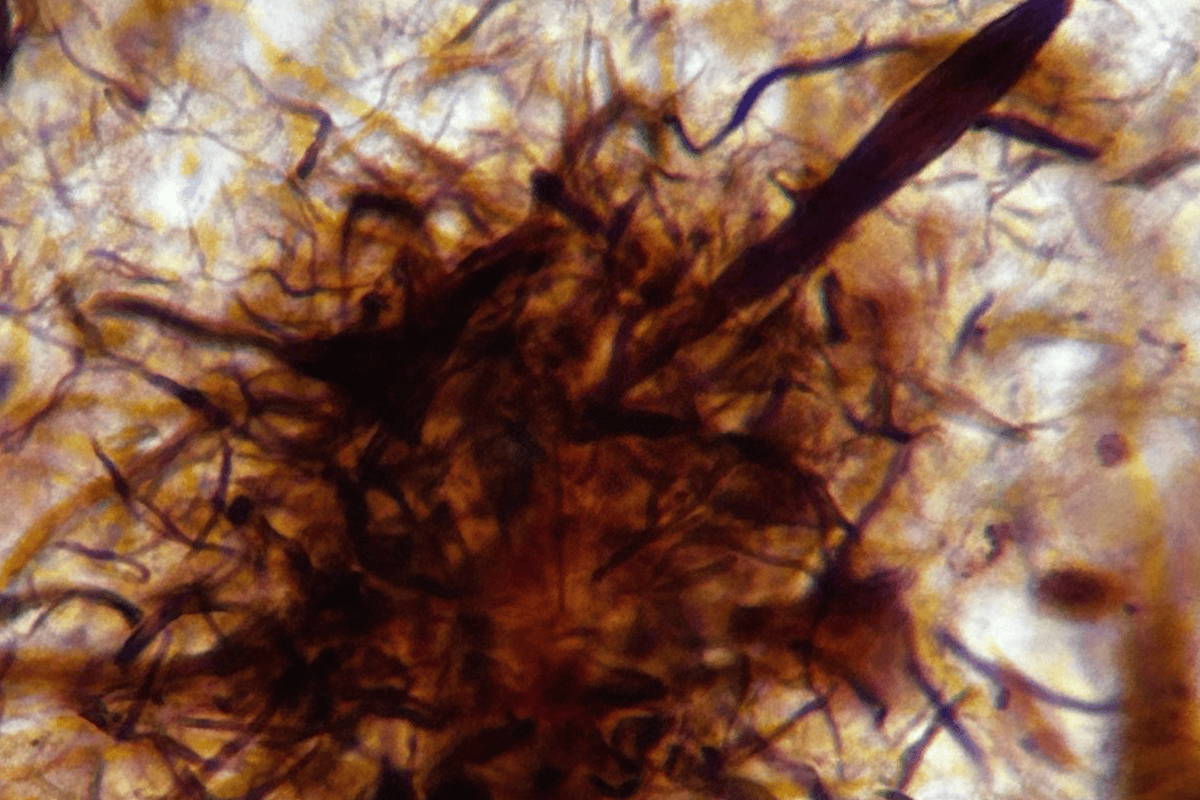
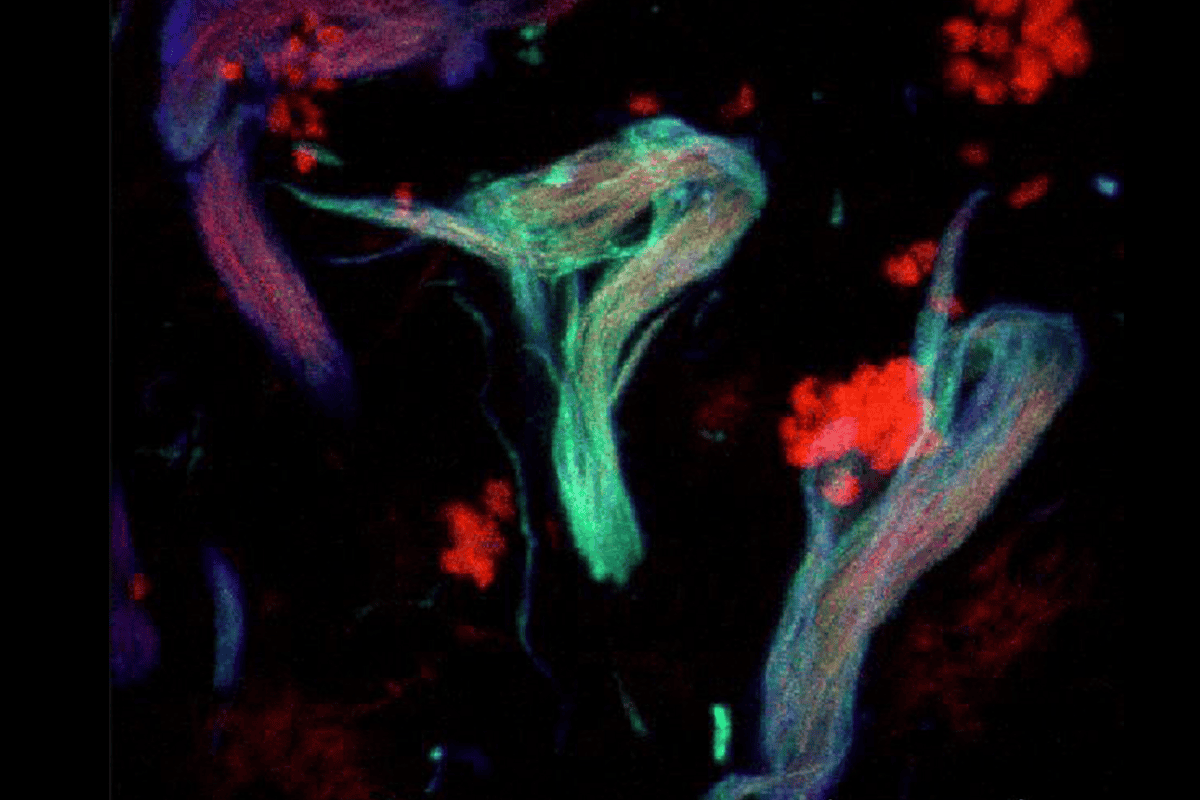
Stages of neurodegeneration: Neurofibrillary tangles at different stages of neurodegeneration are labeled with phosphorylated tau antibodies (green and blue).
Stages of neurodegeneration: Neurofibrillary tangles at different stages of neurodegeneration are labeled with phosphorylated tau antibodies (green and blue). (Published in the Journal of Alzheimer’s Disease, 2026.)
Courtesy of José Luna-Muñoz
Add us as a Preferred Source on Google

Reimagining Mexico’s brain bank

Since Alzheimer’s disease researcher José Luna-Muñoz assumed leadership of the facility—Latin America’s oldest—in 2011, he has been acquiring additional tissue types and is working to expand donor recruitment to rural areas.

By Alejandra Manjarrez
28 August 2026 | 7 min read

Lea este artículo en español.

Leia este artigo em português.

For years, Latin America’s first brain bank—founded in Mexico City in 1994—stored only fragments of brains. But since Alzheimer’s disease researcher José Luna-Muñoz took over the collection in 2011, he has evolved it into Mexico’s National Dementia BioBank, which today features 17 whole brains from people with Alzheimer’s disease and other neurodegenerative conditions, along with other organs and tissues.

Future plans include expanding the collection even further by obtaining blood, saliva and urine samples from donors while they are alive, as well as cerebrospinal fluid when it is collected for clinical reasons, says Luna-Muñoz, director of the biobank at the Universidad Politécnica de Pachuca. At the same time, he is working to raise awareness of brain donation beyond Mexico’s largest cities, through community outreach and educational initiatives, with the goal of reaching rural communities across the country. 

Luna-Muñoz spoke with The Transmitter about why each country—especially those in Latin America, where only five countries currently have a brain bank—needs its own biobank, the challenges of building and sustaining one, and tips for others who hope to establish similar initiatives.

This interview was conducted in Spanish and translated by the reporter. It has been edited for length and clarity.

The Transmitter: What is the importance of Mexico having its own biobank?

José Luna-Muñoz: The first brain banks were established in the United States and Europe, so the populations that live there have been studied the most extensively. But Latin America has large Indigenous communities and mestizo populations, as well as distinct diets and lifestyles. Thus, every country should have its own biobank to identify its own risk factors for diseases such as Alzheimer’s.

For example, the brain bank of the Neuroscience Group of Antioquia in Colombia has become a global reference center for the study of early-onset genetic Alzheimer’s disease. It has enabled researchers to study postmortem tissue from people who, in life, participated in longitudinal studies. The analysis of donated brains and other samples collected through these studies has led to unique discoveries about inherited mutations associated with Alzheimer’s disease.

A national brain bank also gives local researchers and young neuroscientists access to human tissue without having to go abroad, fostering both an appreciation and a passion for the field. 

If we don’t generate these data ourselves, we’ll have to rely on animal models or on results from other populations, but those cannot replace studying human brain tissue from our own communities. 
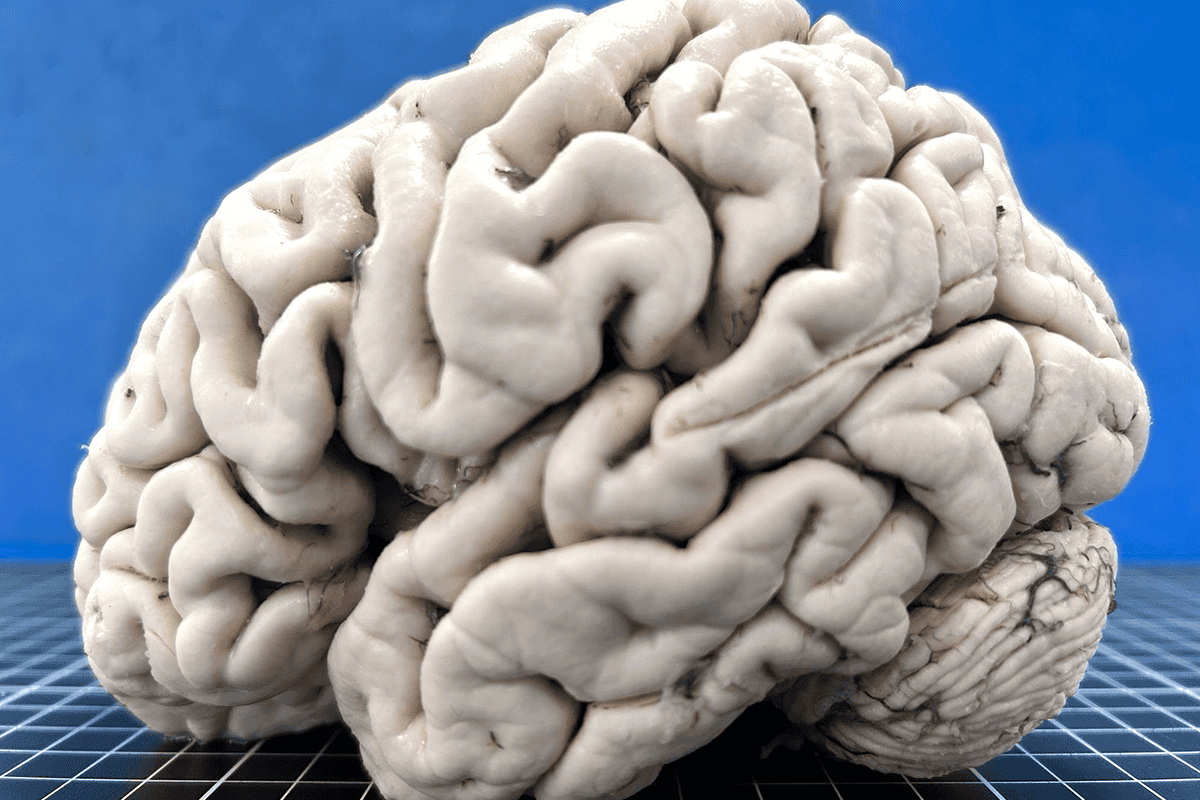
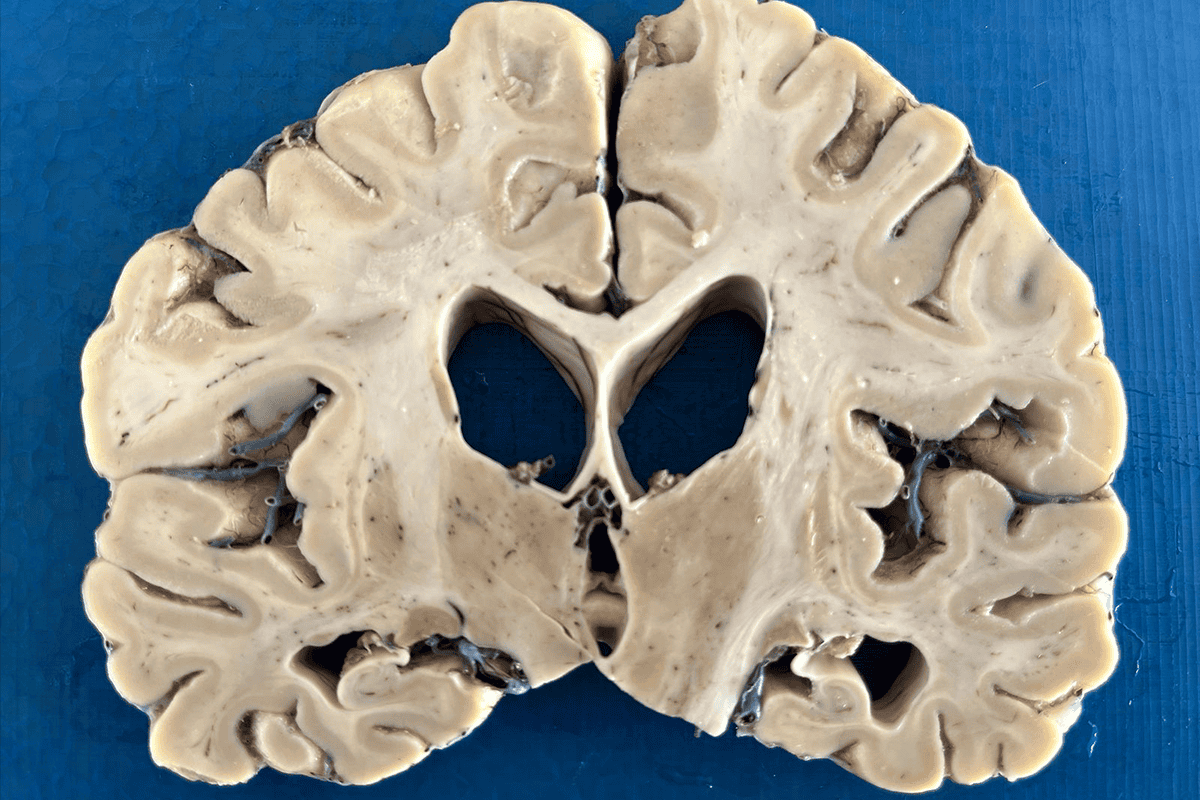
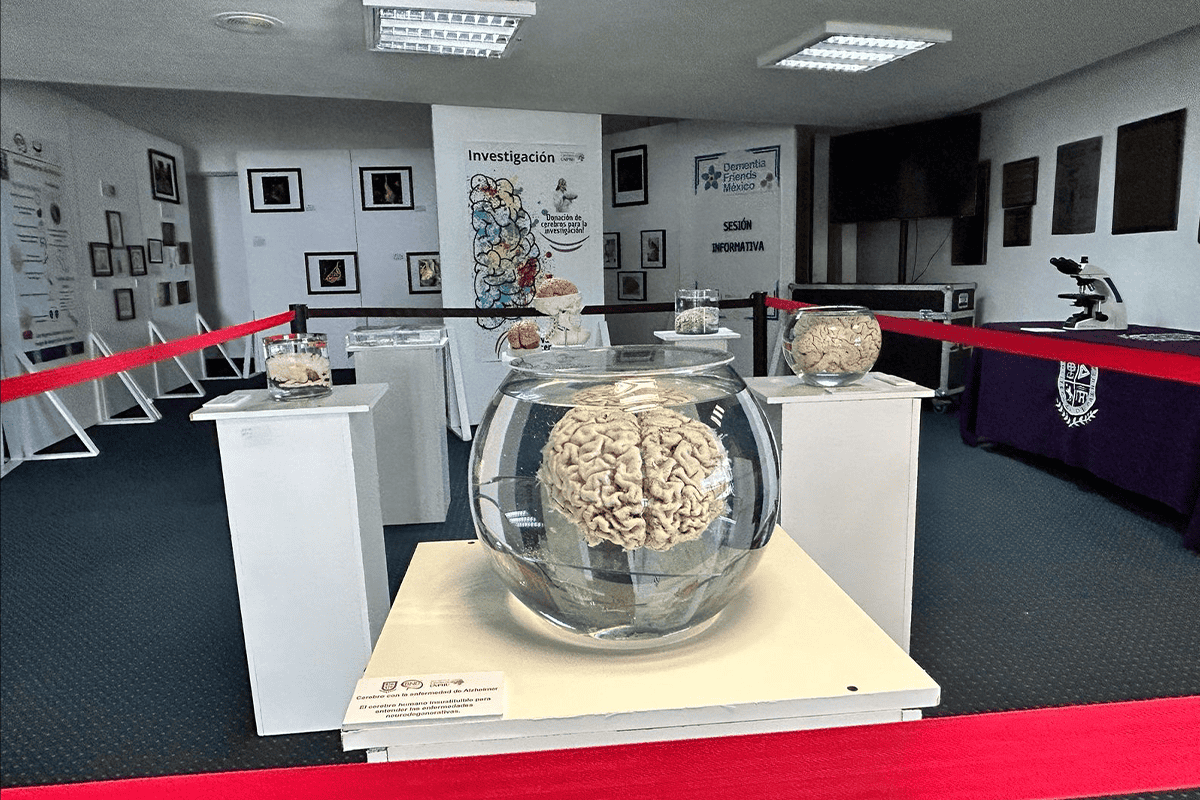
Brain of a person with Alzheimer’s diease.
Alzheimer’s lesions.
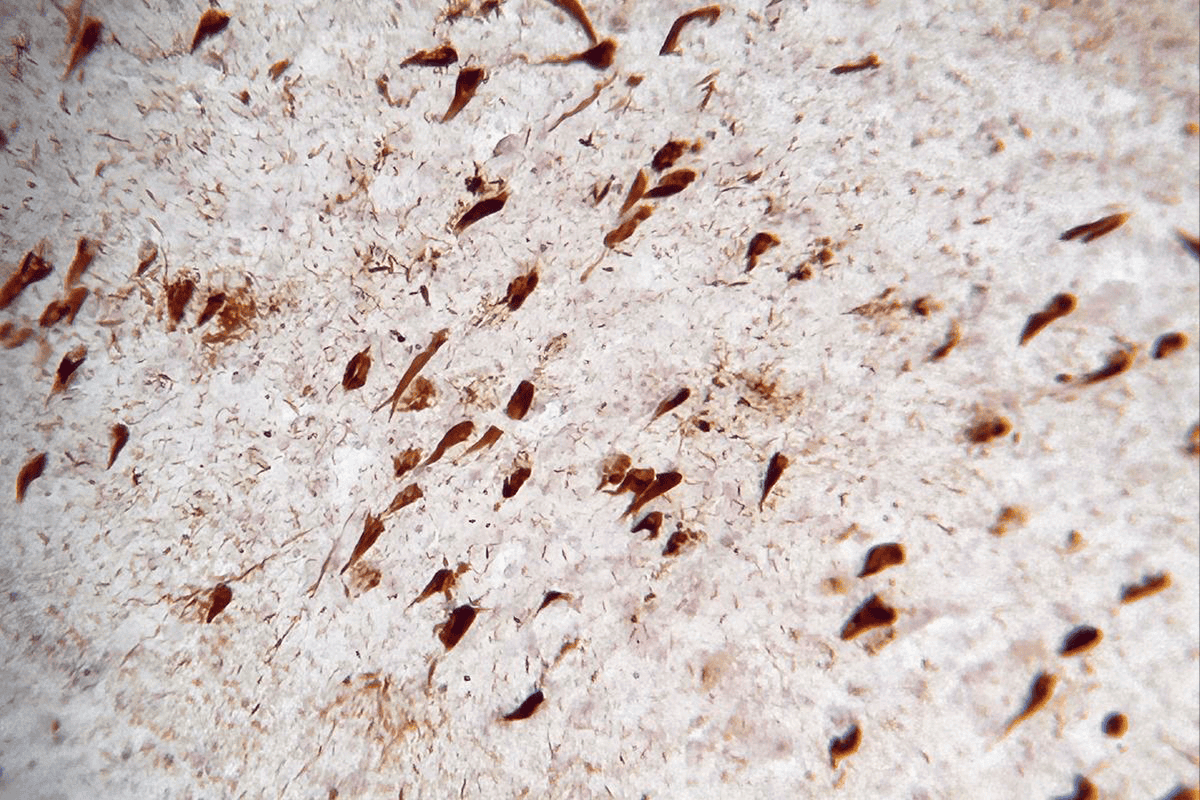
Neurofibrillary tangles in the brain of a person with Alzheimer’s disease.
Brain donations allow researchers to study the tissue loss, enlarged ventricles and hippocampal atrophy associated with Alzheimer’s disease. (Published in the Journal of Alzheimer’s Disease, 2026.)
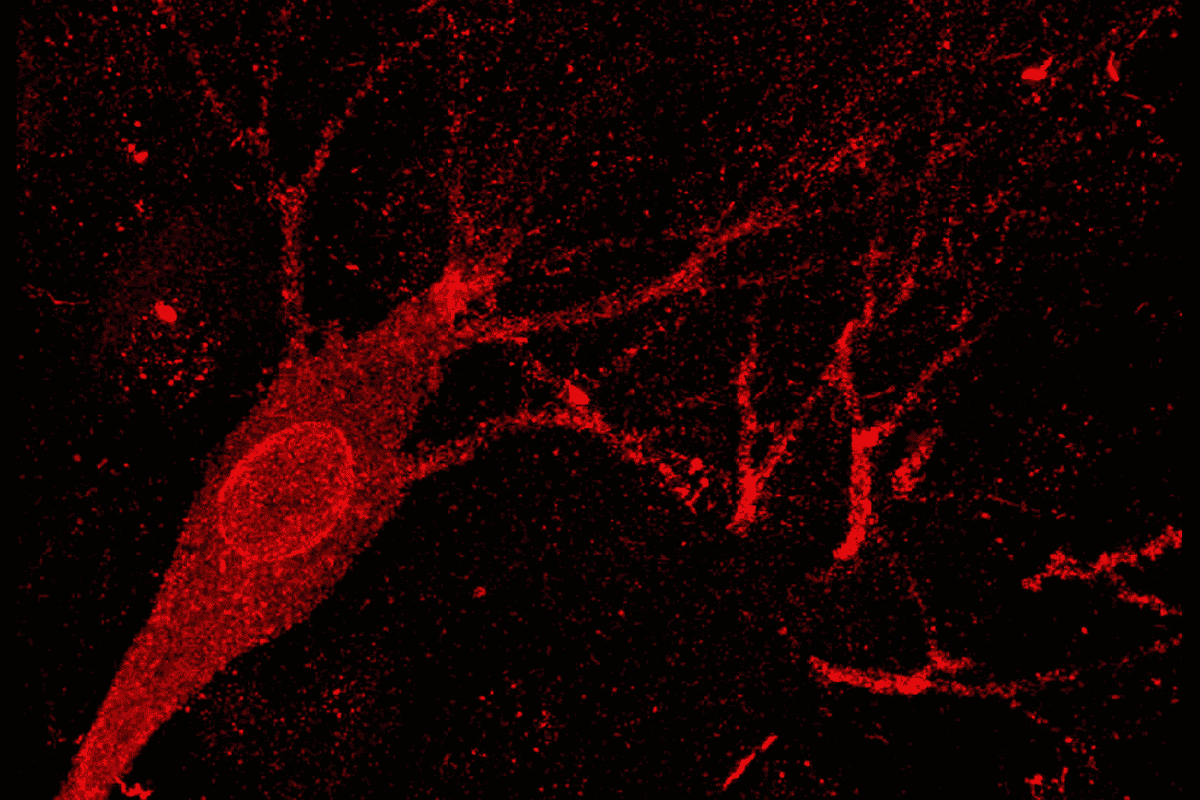
Neuron from a person with Alzheimer’s disease stained in red.
Silver-stained brain sample from a person with Alzheimer’s disease.
Museum exhibit includes brain in a bowl of water.
Preserving pathology: The widened grooves visible in this brain from a person with Alzheimer’s disease reflect the progressive loss of brain tissue that researchers study through the biobank.
José Luna-Muñoz

TT: How has the brain bank contributed to neuroscience research?

JL-M: One of our earliest studies compared the performance of two dyes in fixed and fresh brain tissue: thiazin red and thioflavin, both of which bind to the beta-sheet structures found in tau protein and beta-amyloid in fixed tissue. We found that, unlike thioflavin, thiazin red also stains these lesions in fresh tissue. This is important because, in some countries, religious or cultural beliefs prevent whole-brain donation. In those cases, a small biopsy obtained through a tiny opening in the skull could be enough for this type of staining.

Another contribution has been our work on tau protein. Our research suggests that a specific truncated form of tau is the primary toxic species that initiates tau aggregation in Alzheimer’s disease by recruiting normal tau into pathological aggregates. We propose that, rather than being inherently toxic, tau phosphorylation is a protective cellular response that masks this toxic fragment, delaying neuronal apoptosis and preserving neuronal function for a longer period.

TT: What have been the main challenges of developing and sustaining a brain biobank?

JL-M: One big challenge has been funding; we sometimes have to cover urgent expenses ourselves. And we still lack key equipment—for example, an ultra-low-temperature freezer to store frozen brain tissue for biochemical and genetic studies. 

Another obstacle is the lack of a clear public policy in Mexico supporting brain donation for research. As a result, donations are very limited and usually come from families seeking a definitive diagnosis for a relative with dementia.

Cultural attitudes and taboos are another challenge. For example, some people believe that a loved one should be buried with all their organs intact as a sign of respect. Some believe that organ donation may affect the deceased’s spiritual rest or interfere with traditional funeral practices. Many families also question the validity of a brain-death diagnosis, making them reluctant to authorize organ donation. Others worry that registering as an organ donor means doctors will not do everything possible to save their life.

Finally, raising awareness beyond major cities has also been challenging. What we are aiming for now is to reach rural communities by establishing partnerships with rural hospitals and community clinics and developing logistics with specialized companies to ensure that donated samples reach the biobank under optimal conditions. We are also developing a traveling museum where people can look through a microscope to see the microscopic lesions associated with Alzheimer’s disease, along with photographs of brains affected by the condition.

TT: What recommendations would you give to a research team interested in establishing a brain bank?

JL-M: The first requirement is a committed research team with experience handling brain tissue, including specialized expertise in highly infectious diseases, such as prion disorders. Next, the institution itself must understand the importance of establishing a brain bank. The third step is raising awareness in the community so that people understand the value of brain donation. Resources will come gradually through research projects and collaborations, but everything must be grounded in strong ethical principles and respect for donors and their families. Finally, researchers need a clear scientific vision and should carefully define the questions the brain bank is meant to answer. 

We’ve applied these same principles beyond Mexico, providing guidance to countries such as Peru and Uruguay, which are interested in establishing their own brain banks. We have a particularly close partnership with the Dominican Republic. In 2019, colleagues there asked us to help them establish their own brain bank. I traveled to the Dominican Republic to help launch the initiative, raising public awareness through interviews on radio and television and in newspapers. We also created a traveling museum there, similar to the one we have in Mexico. Today, that brain bank is fully operational and forms part of a growing network of brain banks across Latin America.

With reporting by Claudia López Lloreda.

Sign up for our weekly newsletter.

Catch up on what you missed from our recent coverage, and get breaking news alerts.