
The State of Neuroscience in Latin America
Recent articles
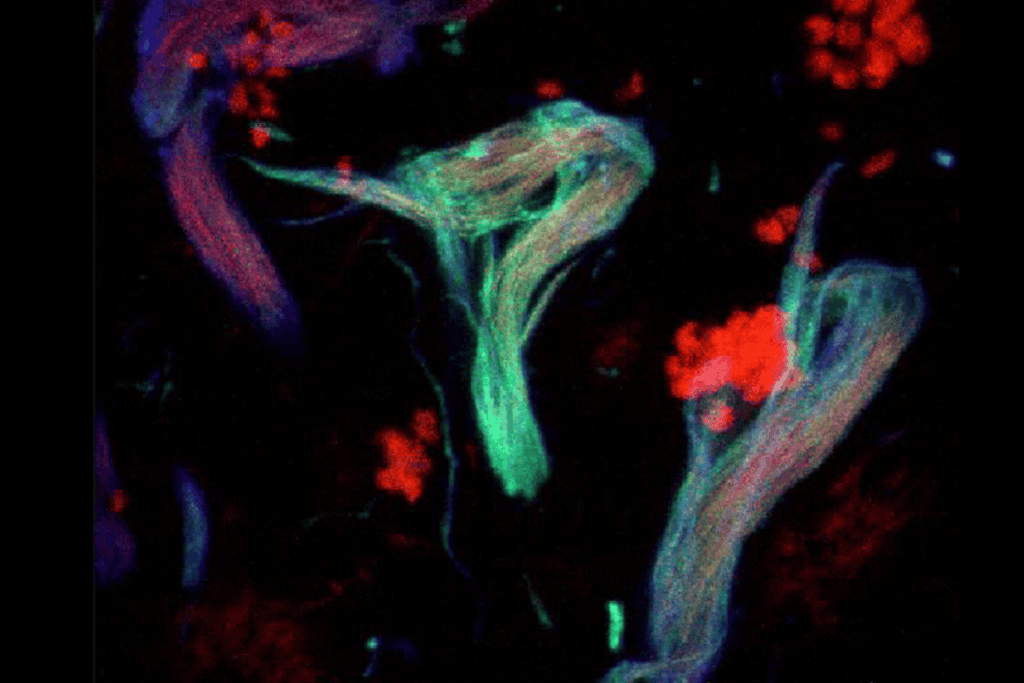
This paper changed my life: A technical breakthrough for memory studies
In a 2007 Science paper, Mark Mayford and his colleagues found that some neurons activated during learning are also recruited during memory retrieval. Noelia Weisstaub shares how this study and others drove an era of great progress in tool development.

This paper changed my life: A technical breakthrough for memory studies
In a 2007 Science paper, Mark Mayford and his colleagues found that some neurons activated during learning are also recruited during memory retrieval. Noelia Weisstaub shares how this study and others drove an era of great progress in tool development.
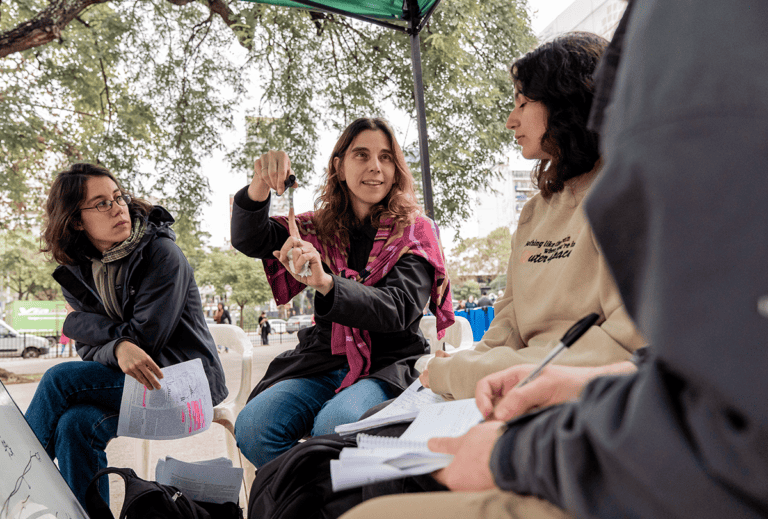
Scientific talent is global. Access to the world’s scientific stage is not.
Neuroscience in Chile, and across Latin America, does not lack talent or ideas, but the systems that make science visible—prestigious journals, conferences and networks—increasingly price its researchers out.
Scientific talent is global. Access to the world’s scientific stage is not.
Neuroscience in Chile, and across Latin America, does not lack talent or ideas, but the systems that make science visible—prestigious journals, conferences and networks—increasingly price its researchers out.
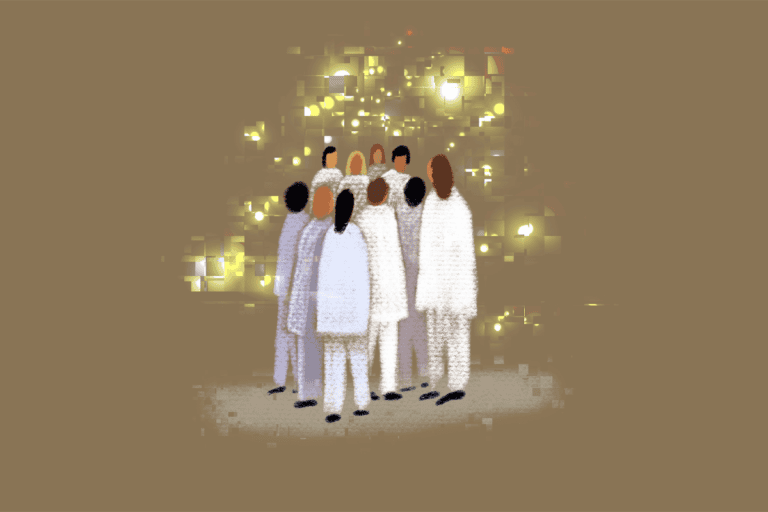
Redefining underrepresentation in global neuroscience
Shifting the focus of equity initiatives from identity categories to structural barriers can reveal overlooked challenges and increase support and participation worldwide.
Redefining underrepresentation in global neuroscience
Shifting the focus of equity initiatives from identity categories to structural barriers can reveal overlooked challenges and increase support and participation worldwide.
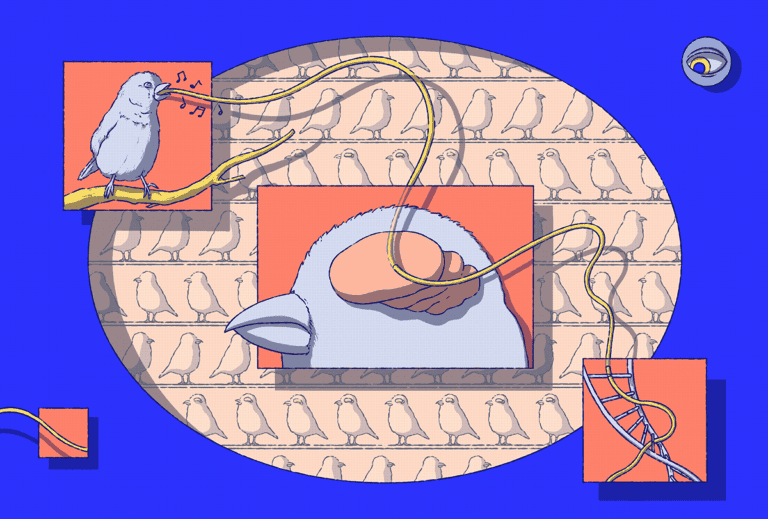
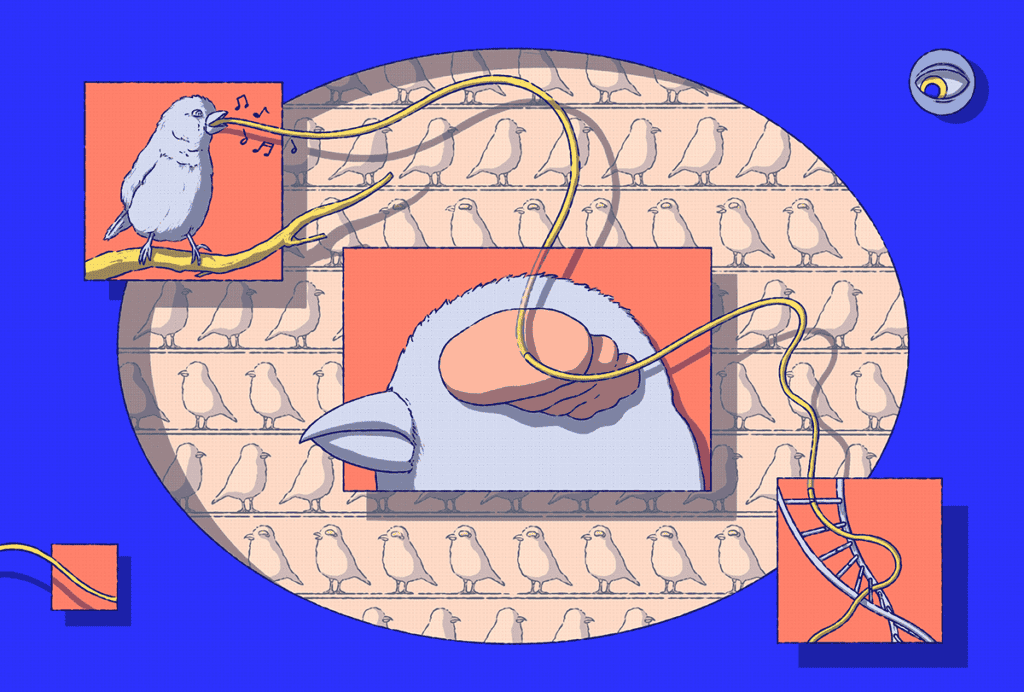
This paper changed my life: Embracing an early model for naturalistic neuroscience
A 1992 PNAS paper showed how birdsong upregulates the expression of an immediate early gene in bird forebrains. The work revealed to Ribeiro the importance of studying molecular responses in naturalistic contexts.
This paper changed my life: Embracing an early model for naturalistic neuroscience
A 1992 PNAS paper showed how birdsong upregulates the expression of an immediate early gene in bird forebrains. The work revealed to Ribeiro the importance of studying molecular responses in naturalistic contexts.
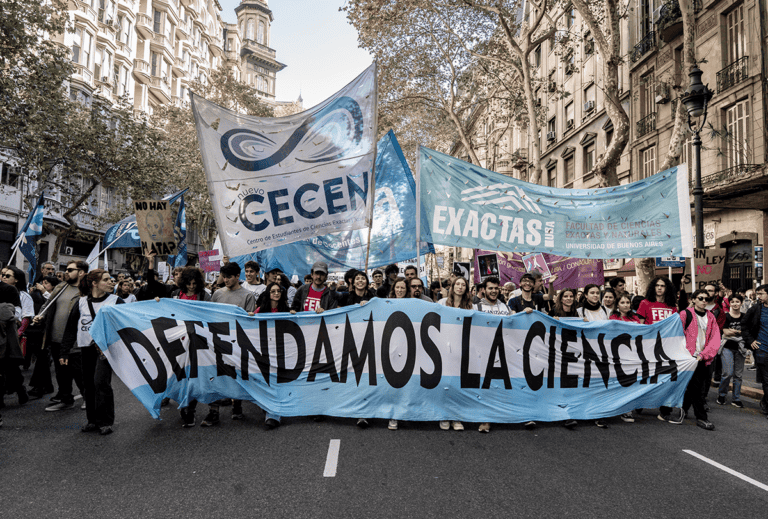
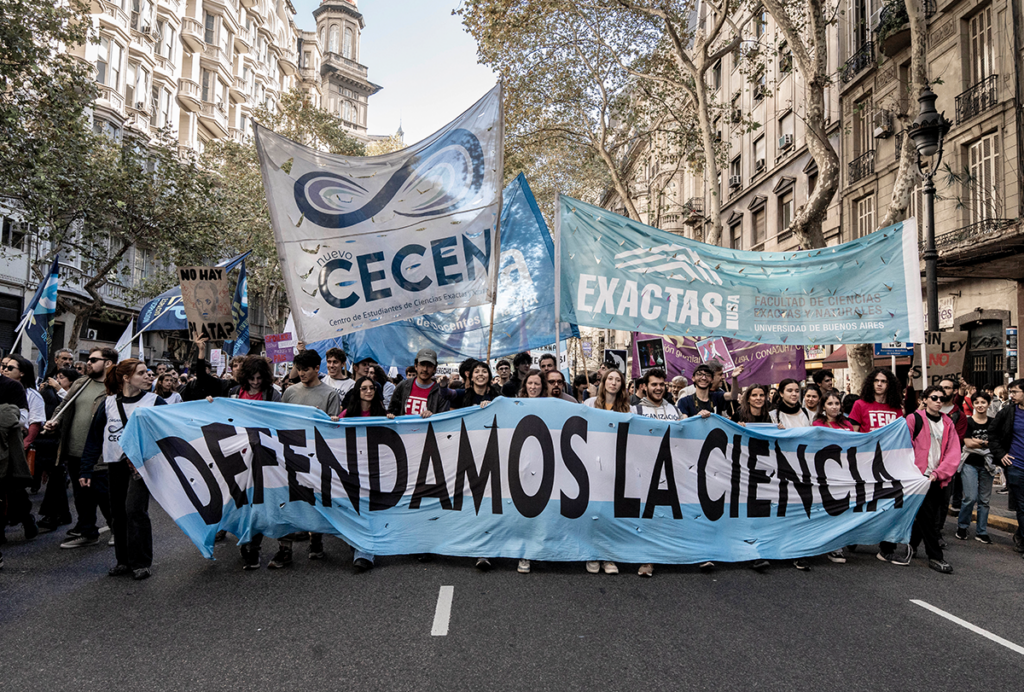
Argentine protesters condemn science funding shortfall
Demonstrators across the country called for the government to increase public university salaries and funding for scientific research.
Argentine protesters condemn science funding shortfall
Demonstrators across the country called for the government to increase public university salaries and funding for scientific research.
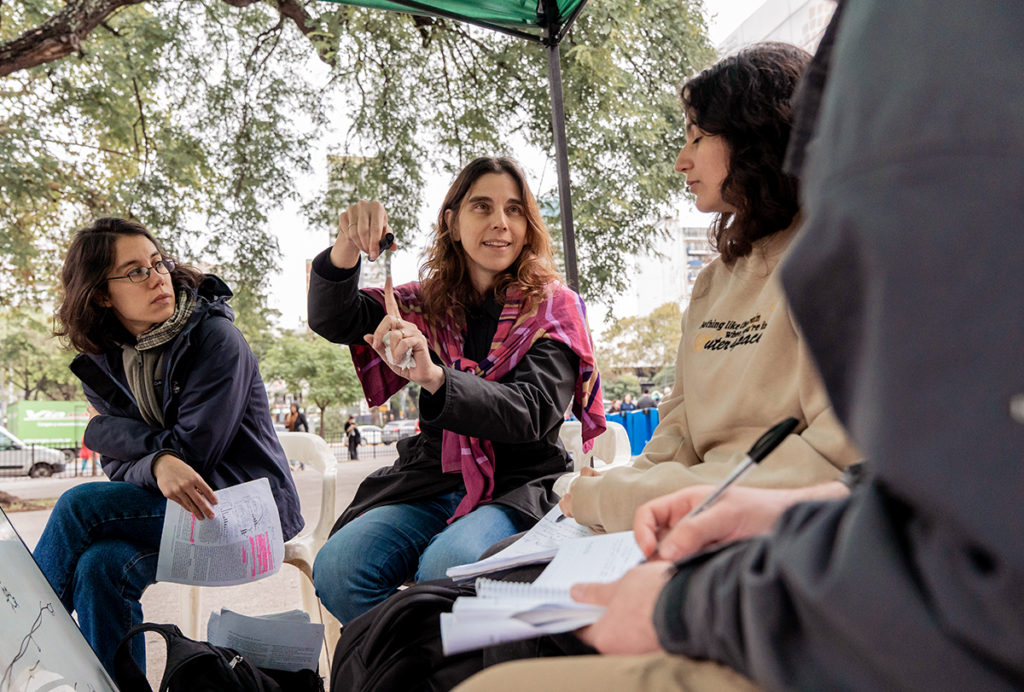
Funding crisis in Argentina sparks new wave of protests
Two years after the country’s research funding collapsed, scientists are demonstrating against the government’s failure to restore previously cut scholarships and increase salaries as required by a 2025 law.
Funding crisis in Argentina sparks new wave of protests
Two years after the country’s research funding collapsed, scientists are demonstrating against the government’s failure to restore previously cut scholarships and increase salaries as required by a 2025 law.
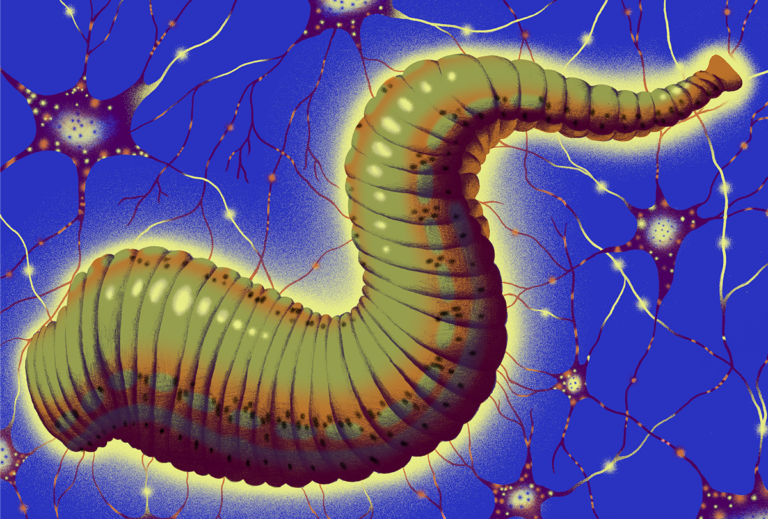
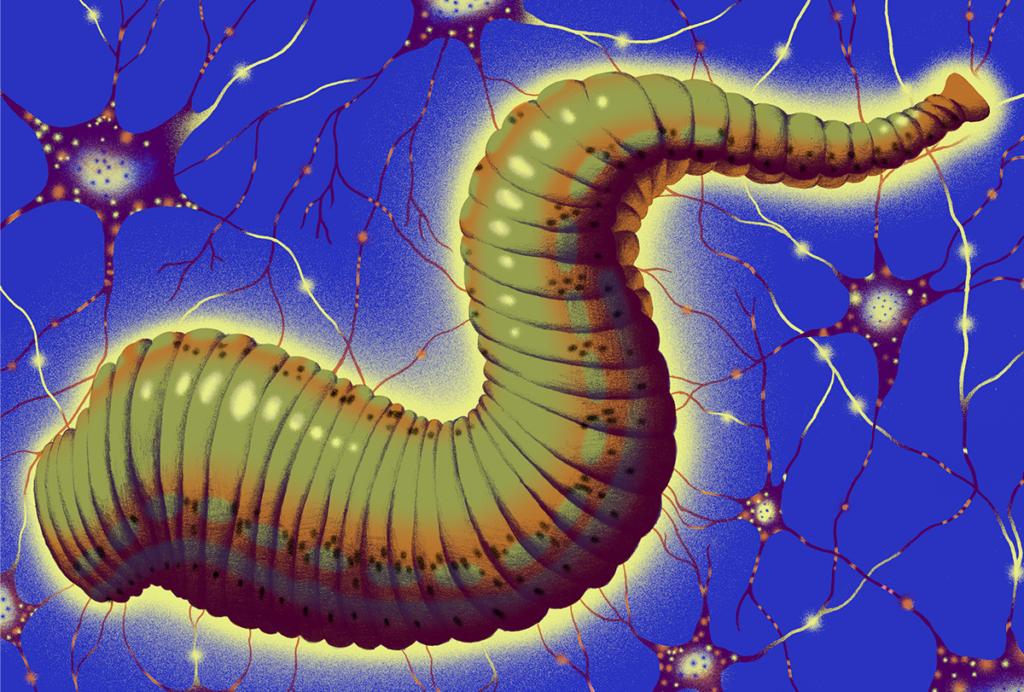
What leeches reveal about movement
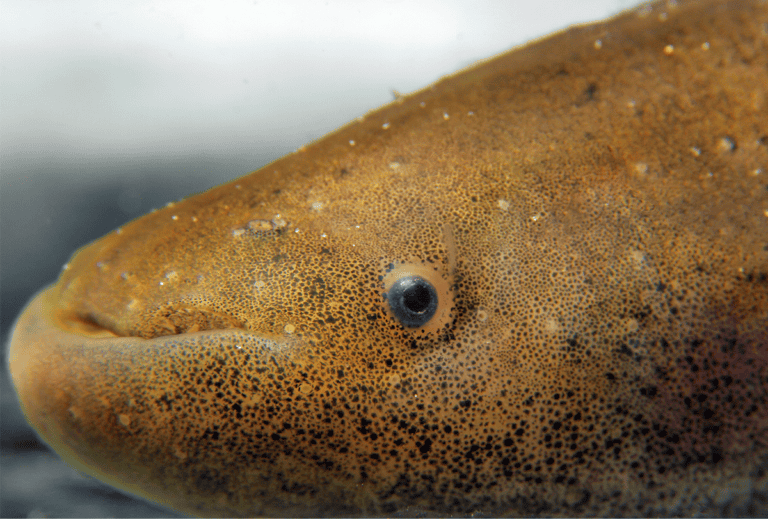
Lidia Szczupak turned to the animals to explore how the nervous system coordinates movement.
What leeches reveal about movement
Lidia Szczupak turned to the animals to explore how the nervous system coordinates movement.
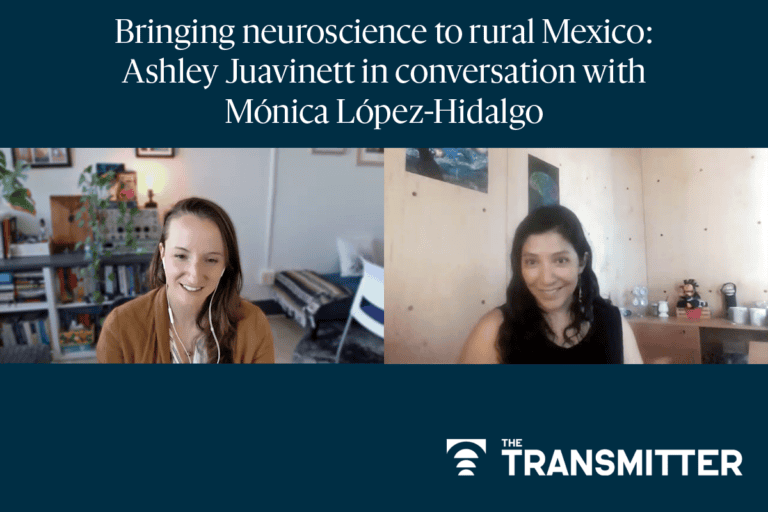
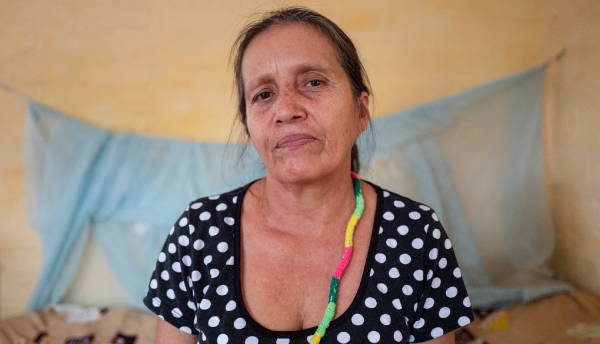
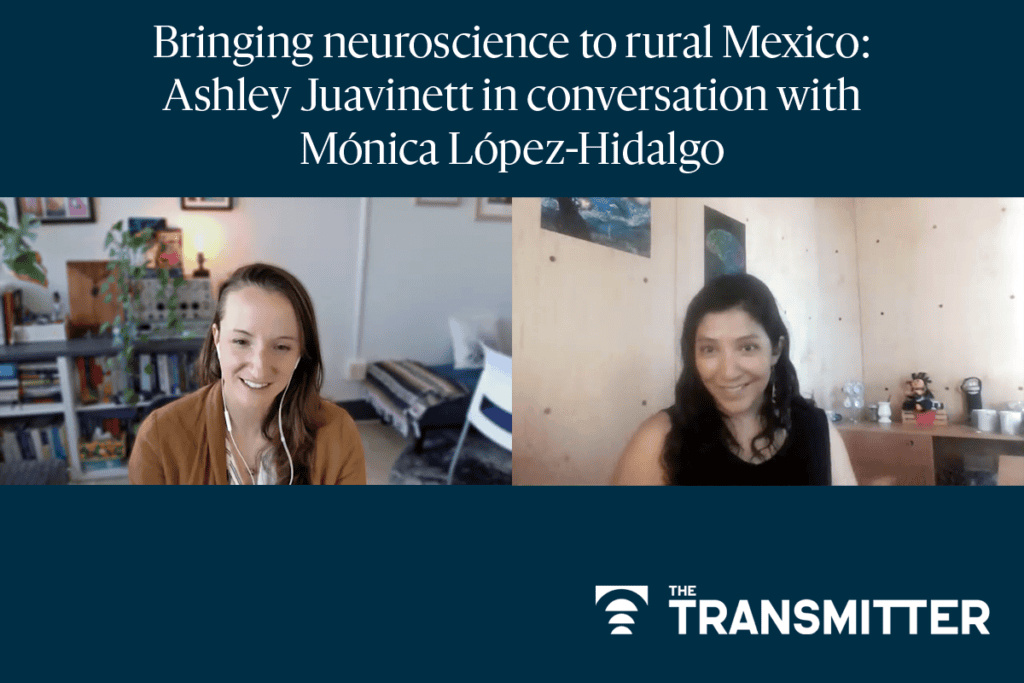
Bringing neuroscience to rural Mexico: In conversation with Mónica López-Hidalgo
By offering education and translating scientific terms into Indigenous languages, López-Hidalgo’s outreach program, Neurociencias Para Todos, provides schoolteachers with tools to bring neuroscience to their communities.
Bringing neuroscience to rural Mexico: In conversation with Mónica López-Hidalgo
By offering education and translating scientific terms into Indigenous languages, López-Hidalgo’s outreach program, Neurociencias Para Todos, provides schoolteachers with tools to bring neuroscience to their communities.
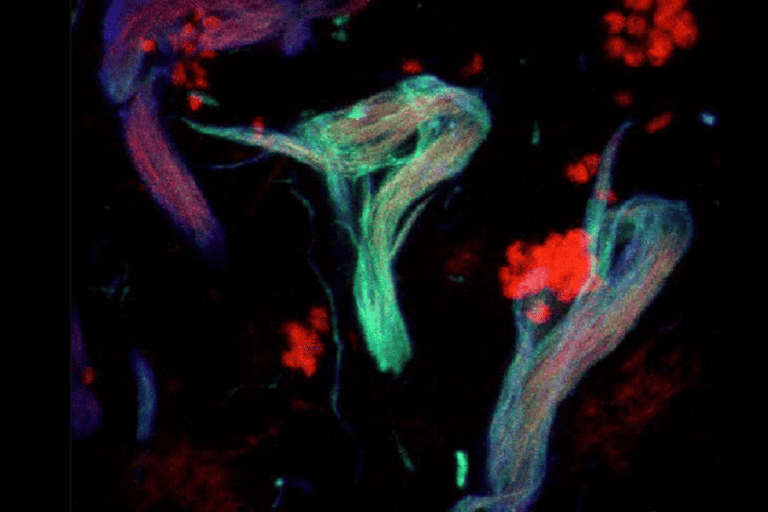
The big idea with Diego Bohórquez
His theories around the neuropod have challenged the boundaries of classic ideas regarding gut-brain communication.
The big idea with Diego Bohórquez
His theories around the neuropod have challenged the boundaries of classic ideas regarding gut-brain communication.
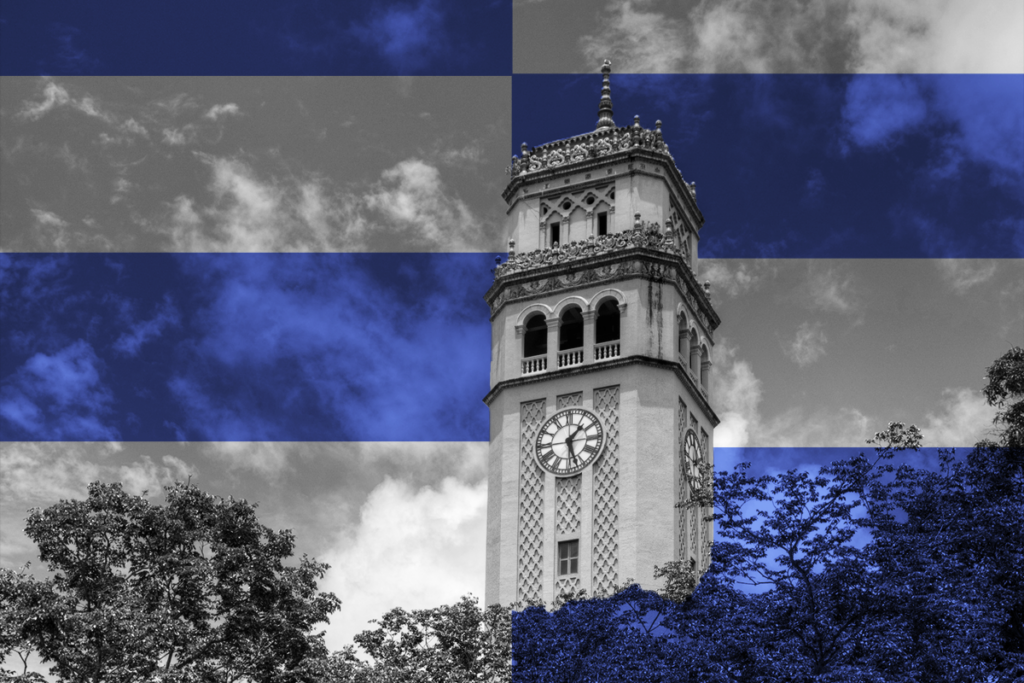
The future of neuroscience research at U.S. minority-serving institutions is in danger
Cuts to federally funded programs present an existential crisis for the University of Puerto Rico’s rich neuroscience community and for research at minority-serving institutions everywhere.
The future of neuroscience research at U.S. minority-serving institutions is in danger
Cuts to federally funded programs present an existential crisis for the University of Puerto Rico’s rich neuroscience community and for research at minority-serving institutions everywhere.
Explore more from The Transmitter
Future remains uncertain for U.S. federal funding of behavioral, cognitive science
The National Science Foundation did not include any solicitations for its social, behavioral and economic sciences directorate in its latest round of funding opportunities, nor replace any outgoing program officers—which poses an existential threat for the program, says nonprofit executive Wendy Naus.
Future remains uncertain for U.S. federal funding of behavioral, cognitive science
The National Science Foundation did not include any solicitations for its social, behavioral and economic sciences directorate in its latest round of funding opportunities, nor replace any outgoing program officers—which poses an existential threat for the program, says nonprofit executive Wendy Naus.
How energy determines where proteins are produced in neurons
Tatjana Tchumatchenko explains how mathematical modeling elucidates whether ion-channel proteins are produced locally in the soma or in the dendrites.
How energy determines where proteins are produced in neurons
Tatjana Tchumatchenko explains how mathematical modeling elucidates whether ion-channel proteins are produced locally in the soma or in the dendrites.
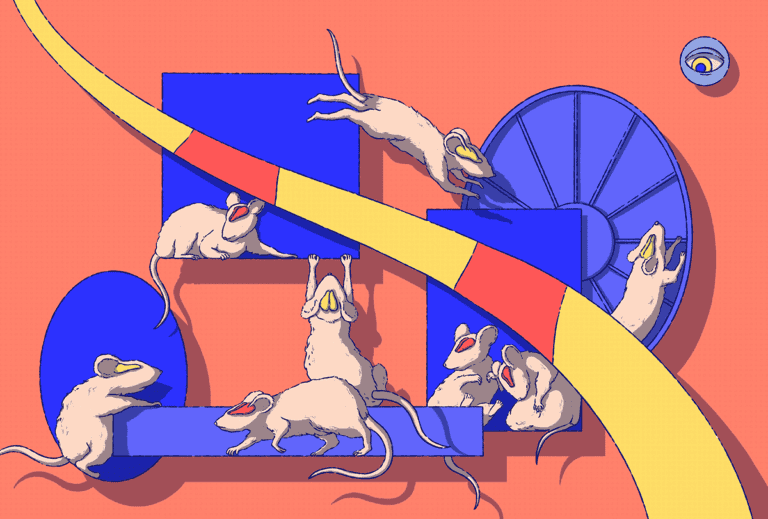
Wouldn’t you like to know? A mouse would
Mice seek information for curiosity’s sake—and their desire for knowledge versus a payout is represented distinctly in the brain, new findings suggest.
Wouldn’t you like to know? A mouse would
Mice seek information for curiosity’s sake—and their desire for knowledge versus a payout is represented distinctly in the brain, new findings suggest.