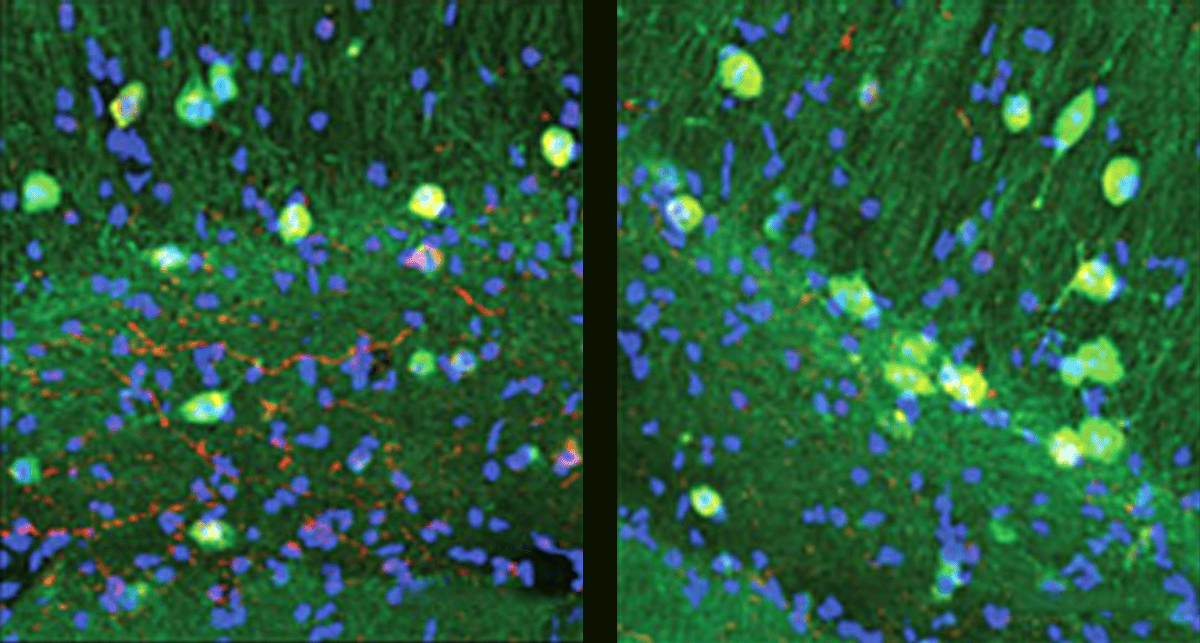
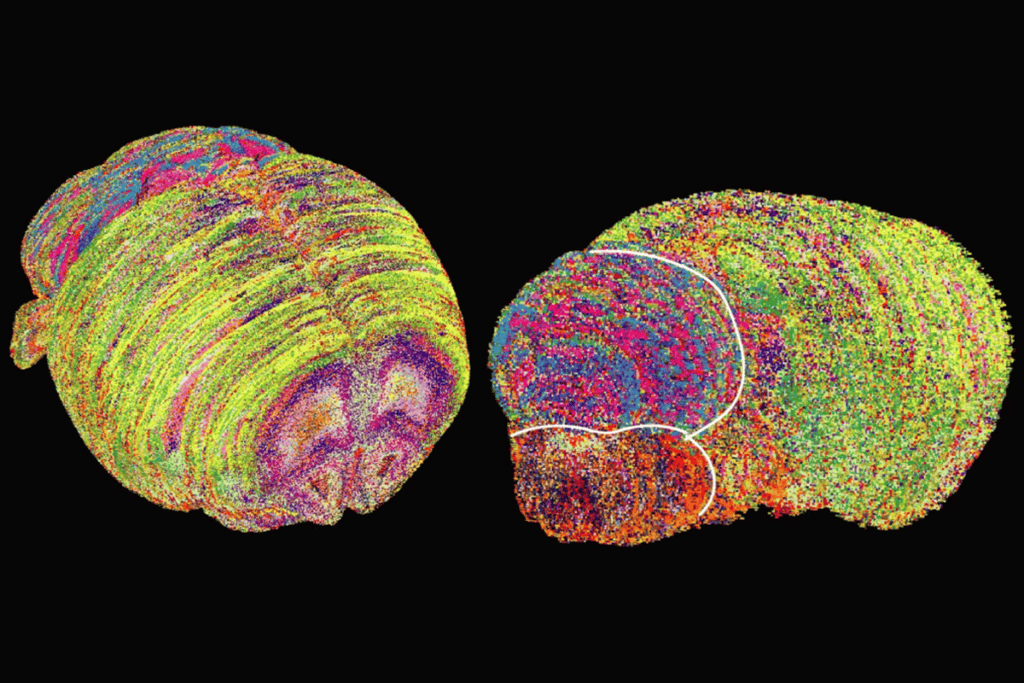
Social status: A new paper characterizes three functional subtypes of behaviors that result from 11 different autism-linked genes in zebrafish. The study used a deep-learning program—ZeChat—to classify social behaviors into subtypes, which correlated with specific responses to neuroactive drugs. The investigators assert that their behavioral phenomics approach “provides a conceptual and technical foundation for precision therapeutic discovery.” The Transmitter has previously reported on the development of the ZeChat program to analyze and categorize zebrafish behaviors.
Autism research spotted this week:
- “A single epigenetic repressor controls opposing developmental tempos in human neural and cranial neural crest lineages” bioRxiv
See also: “Autism-tied gene ZNF462 keeps developing neurons on track” - “Two clusters of brain regions with distinct age-related profiles of functional connectivity in autism spectrum disorder” Proceedings of the National Academy of Sciences
- “Spatiotemporal AI-based modeling of gene regulation and variant effects in the developing human brain using Seal” Nature Neuroscience
- “A microglial basis for fragile X syndrome via impairment of FMRP-regulated lysosomal function” Molecular Psychiatry
- “Validating gene-brain-behavior associations in autism: A replication study” Biological Psychiatry: Cognitive Neuroscience and Neuroimaging
- “Persistent neuronal stress signalling underlies Angelman syndrome phenotypes” Nature