Beyond the bench
Recent articles
Portraits of neuroscientists’ lives outside the lab
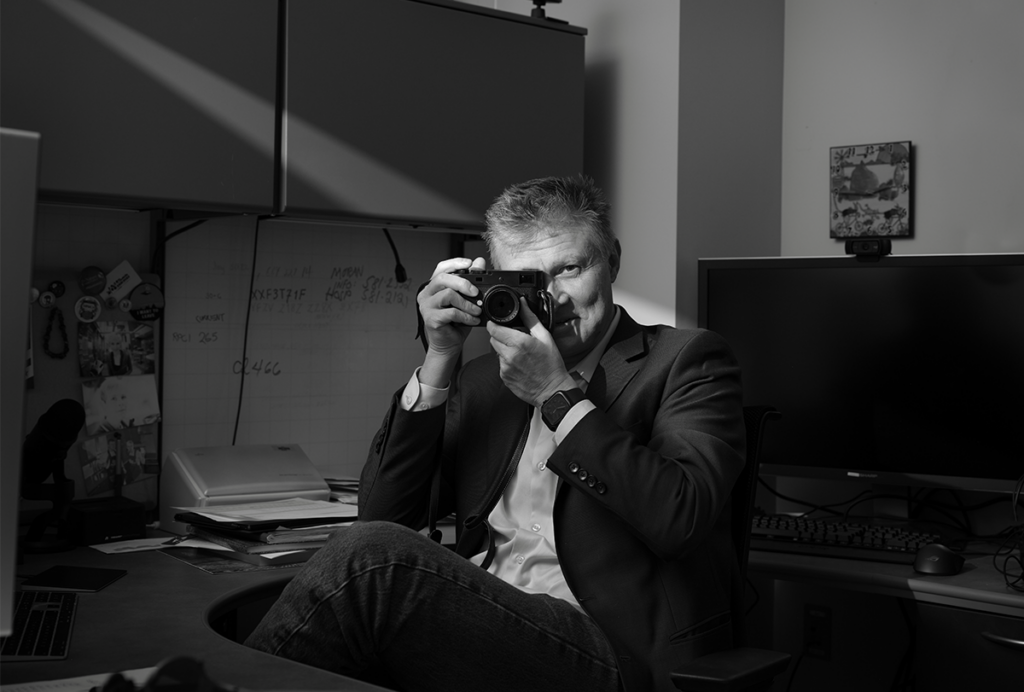
An eye for science: Q&A with Bryan W. Jones
The researcher explains how the beauty of the retina drew him into the vision field and why photography reminds him of the value of that work.
An eye for science: Q&A with Bryan W. Jones
The researcher explains how the beauty of the retina drew him into the vision field and why photography reminds him of the value of that work.
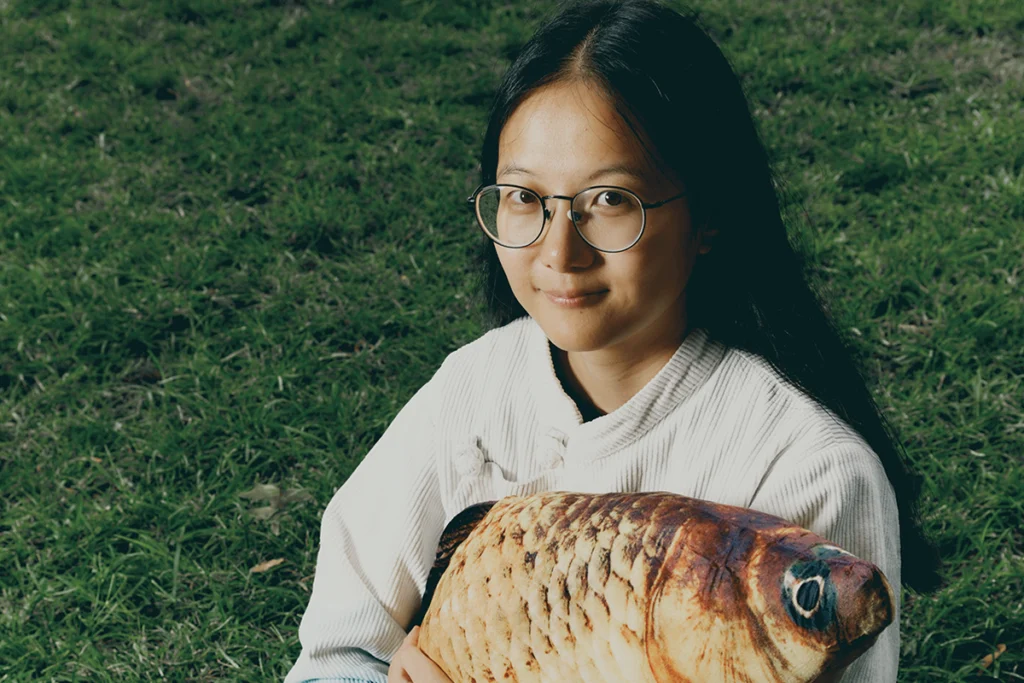
Seeing research through a new lens: Q&A with Pei Yuan Zhang
When she’s not in the lab, the cognitive scientist films documentaries that challenge her love of data and order.
Seeing research through a new lens: Q&A with Pei Yuan Zhang
When she’s not in the lab, the cognitive scientist films documentaries that challenge her love of data and order.
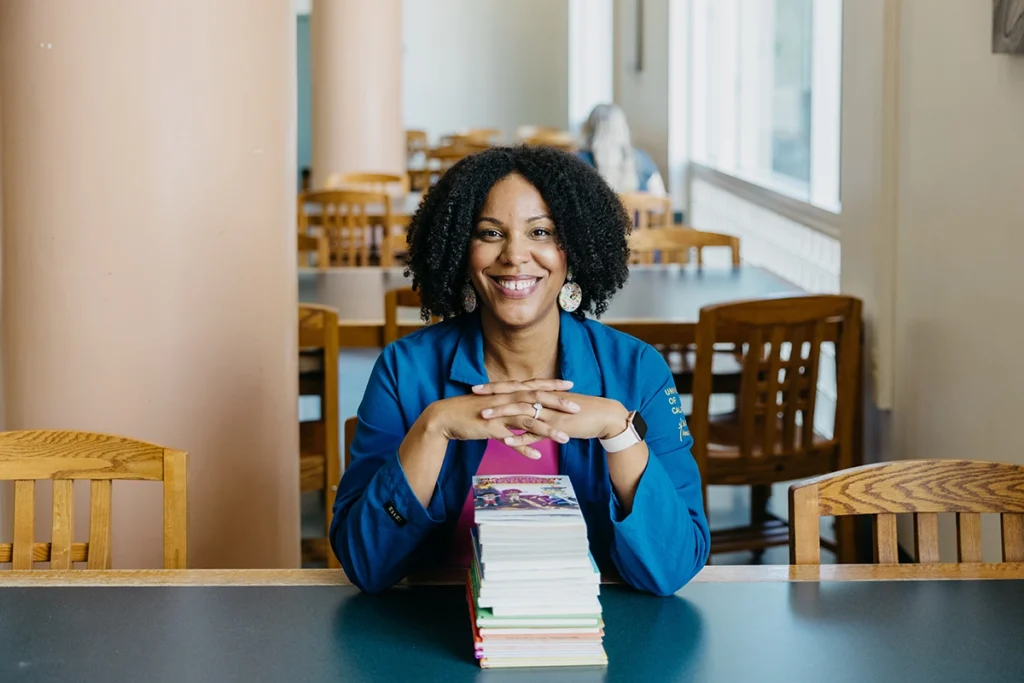
Crafting tales of science with Theanne Griffith
A lifelong passion for writing helped the neuroscientist land a book deal and publish 15 chapter books for early readers, covering topics ranging from what the cerebellum does to how a cake bakes.
Crafting tales of science with Theanne Griffith
A lifelong passion for writing helped the neuroscientist land a book deal and publish 15 chapter books for early readers, covering topics ranging from what the cerebellum does to how a cake bakes.
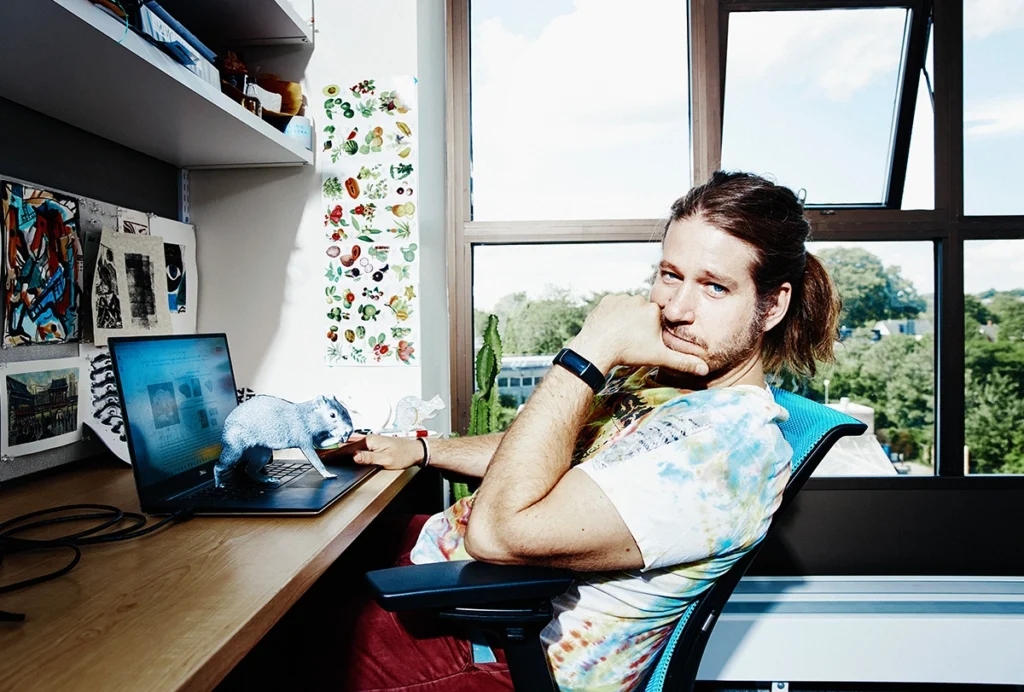
Improvising to study brains in the wild: Q&A with Nacho Sanguinetti-Scheck
A joke at a neuroscience summer program nearly a decade ago ignited a lifelong research interest for this Uruguayan scientist—one that plays on his comedic strengths.
Improvising to study brains in the wild: Q&A with Nacho Sanguinetti-Scheck
A joke at a neuroscience summer program nearly a decade ago ignited a lifelong research interest for this Uruguayan scientist—one that plays on his comedic strengths.
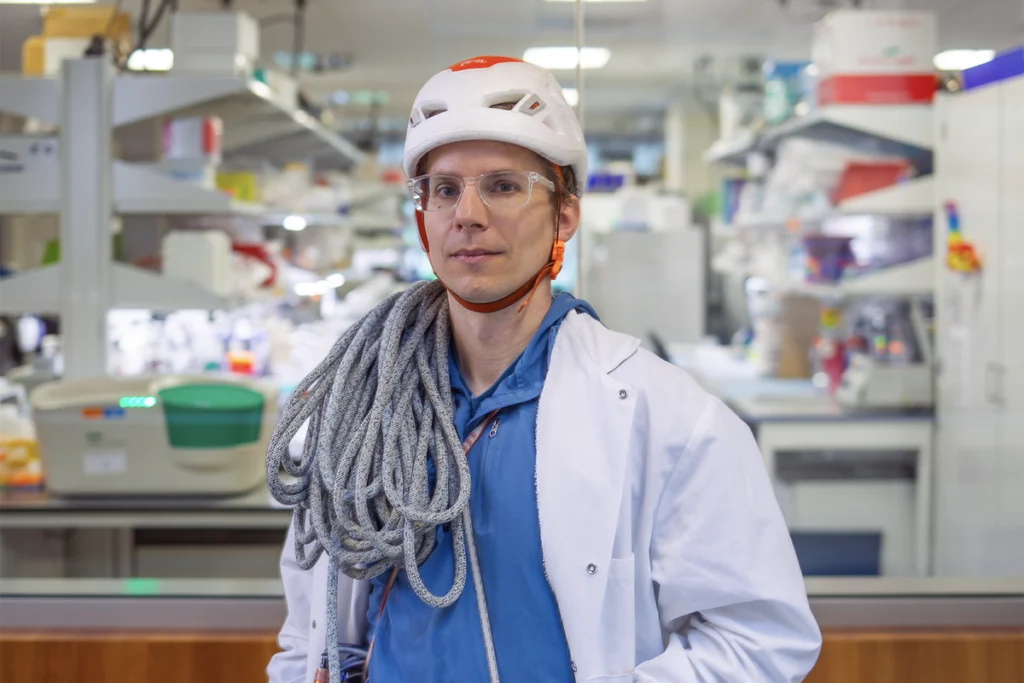
Climbing to new heights: Q&A with Kaspar Podgorski
The optical physiologist tracks neural computations inside the lab and scales sheer rock faces outside—even after a life-changing fall.
Climbing to new heights: Q&A with Kaspar Podgorski
The optical physiologist tracks neural computations inside the lab and scales sheer rock faces outside—even after a life-changing fall.
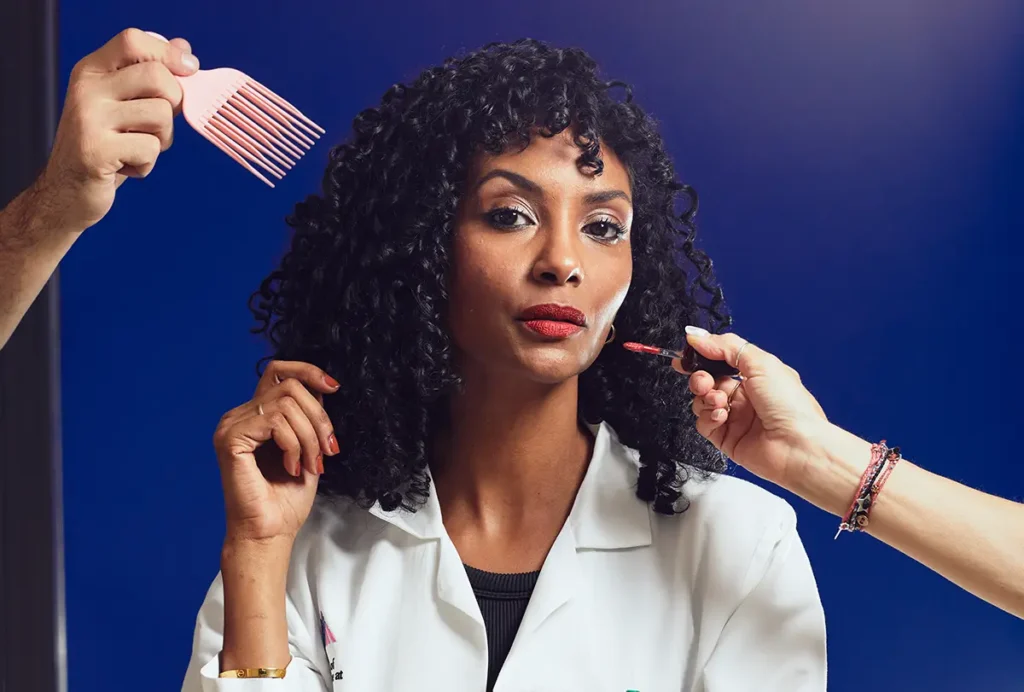
Striking a pose with Aya Osman
The neuroscientist and part-time fashion model opens up about the people who inspire her; her interest in science communication; and how she once ended up on a stage with Channing Tatum.
Striking a pose with Aya Osman
The neuroscientist and part-time fashion model opens up about the people who inspire her; her interest in science communication; and how she once ended up on a stage with Channing Tatum.
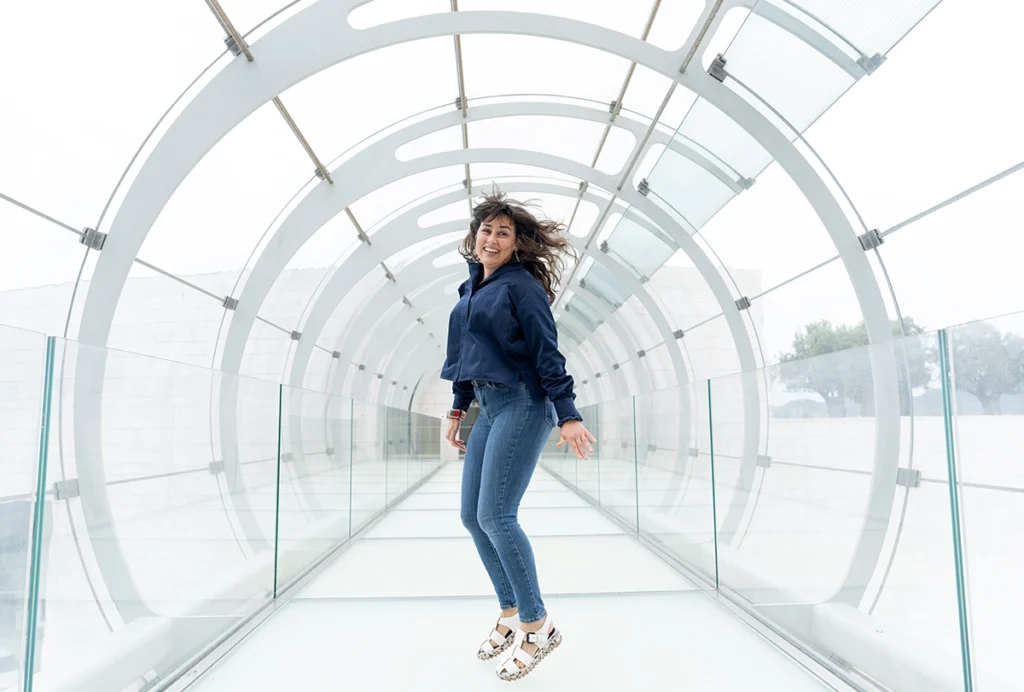
Decoding flies’ motor control with acrobat-scientist Eugenia Chiappe
The tiny performers steal the show in Chiappe’s sensorimotor-integration lab in Lisbon, Portugal.
Decoding flies’ motor control with acrobat-scientist Eugenia Chiappe
The tiny performers steal the show in Chiappe’s sensorimotor-integration lab in Lisbon, Portugal.
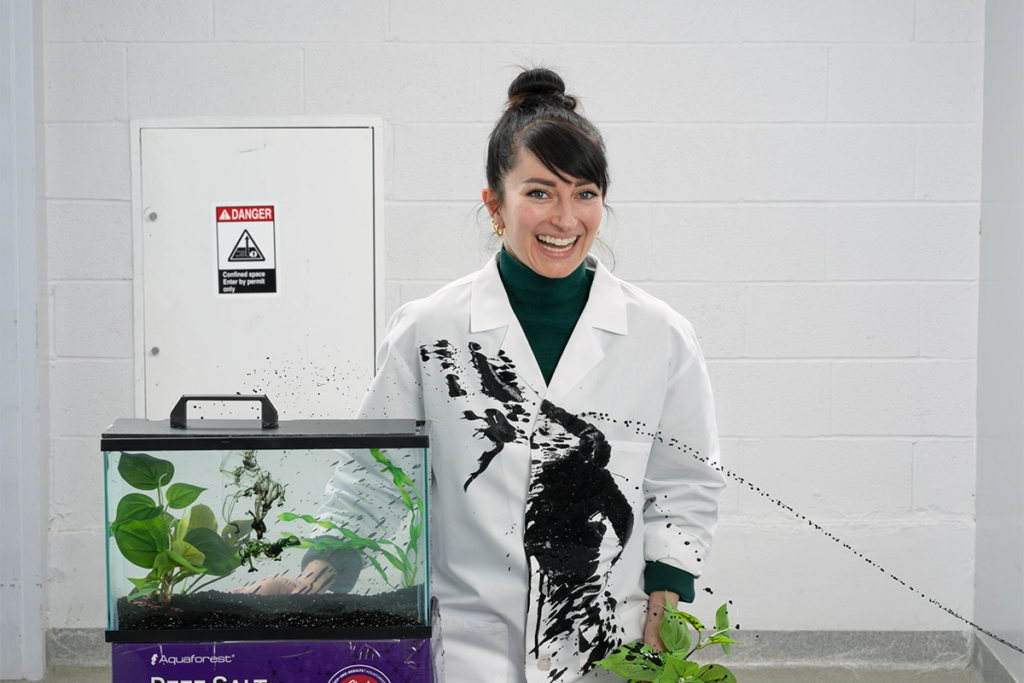
Leaving lasting marks with Tessa Montague
When the postdoctoral fellow is not deconstructing cuttlefish camouflage and dodging ink squirts in the lab, you can find her teaching neuroscience courses in correctional facilities, mentoring high school biology students in Ghana and helping to launch DNA experiments into space.
Leaving lasting marks with Tessa Montague
When the postdoctoral fellow is not deconstructing cuttlefish camouflage and dodging ink squirts in the lab, you can find her teaching neuroscience courses in correctional facilities, mentoring high school biology students in Ghana and helping to launch DNA experiments into space.
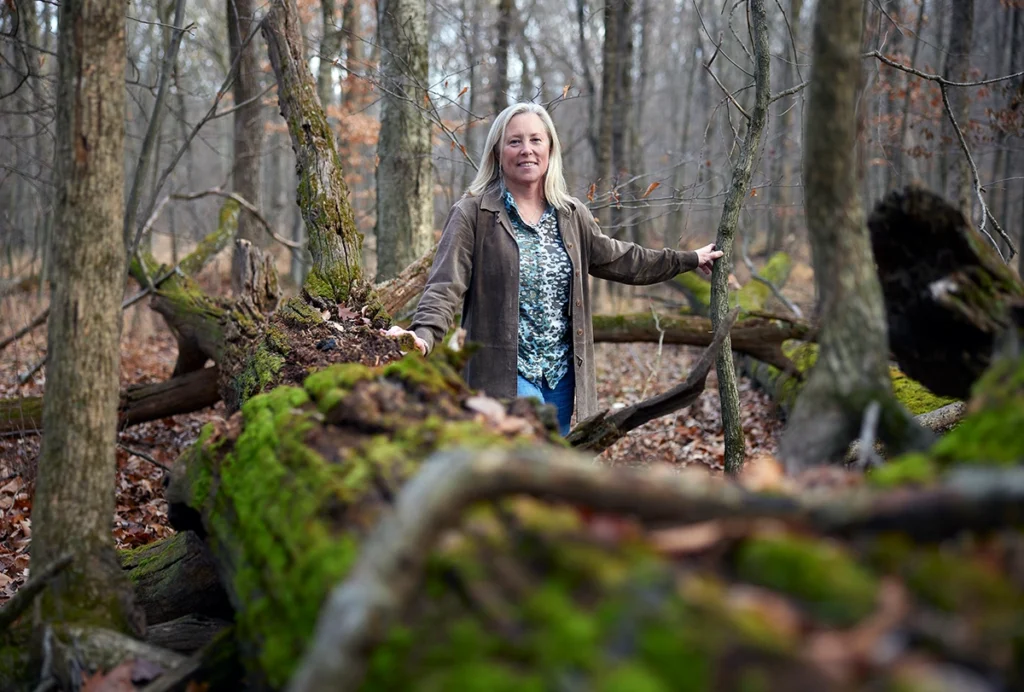
Into the woods with Susan Masino
When she isn't researching the links between metabolism and brain activity, this neuroscientist logs time in forests and advocates for protecting green spaces.
Into the woods with Susan Masino
When she isn't researching the links between metabolism and brain activity, this neuroscientist logs time in forests and advocates for protecting green spaces.
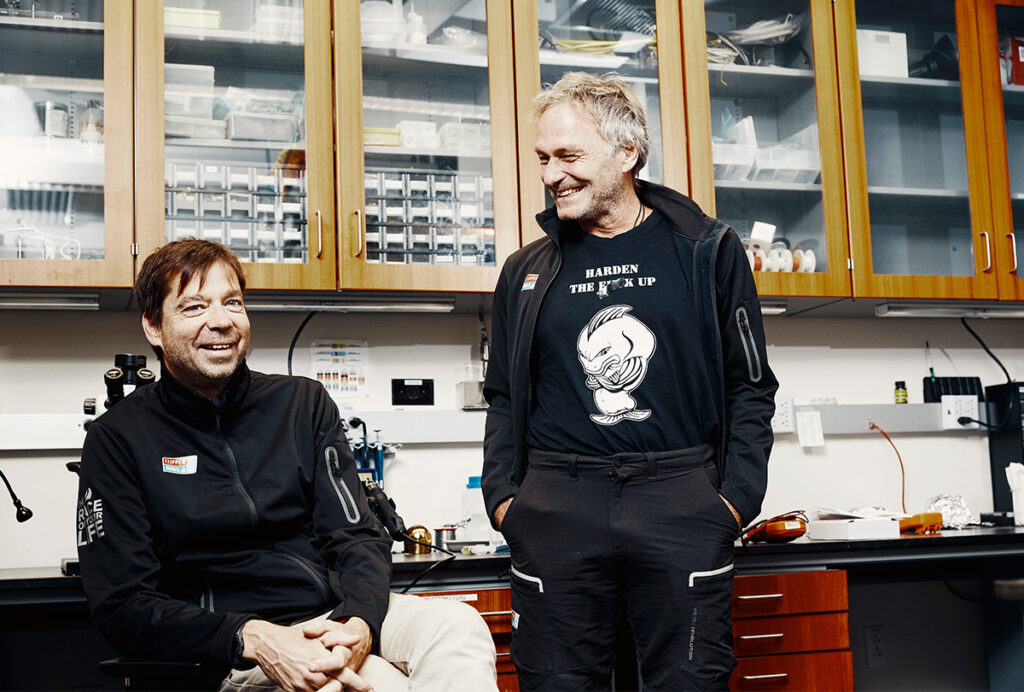
On the high seas with Florian Engert and Bence Ölveczky
The two neuroscientists leave this week to take on the most dangerous leg of the Clipper Round the World Yacht Race — sailing from South Africa to Australia through the fabled “Roaring Forties,” latitudes of the Southern Ocean known for their towering waves and prevailing gale-force westerlies.
On the high seas with Florian Engert and Bence Ölveczky
The two neuroscientists leave this week to take on the most dangerous leg of the Clipper Round the World Yacht Race — sailing from South Africa to Australia through the fabled “Roaring Forties,” latitudes of the Southern Ocean known for their towering waves and prevailing gale-force westerlies.
Explore more from The Transmitter
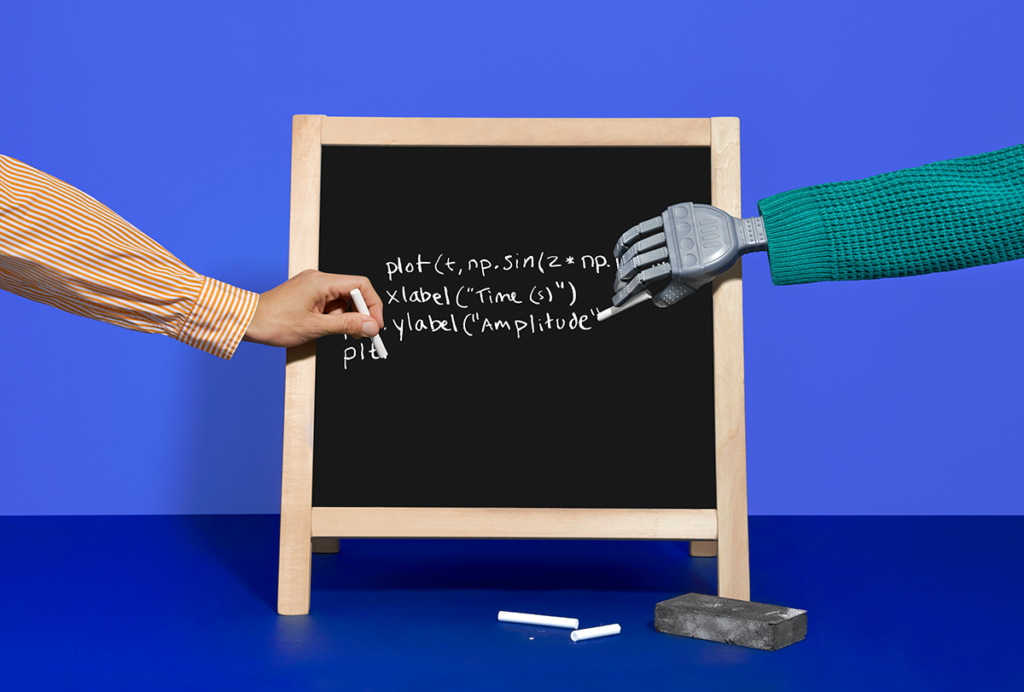
How to teach programming in the age of AI
Scientists and educators are concerned about students using artificial intelligence to shortcut their learning. But there are also opportunities, especially when it comes to teaching neuroscience students how to code.
How to teach programming in the age of AI
Scientists and educators are concerned about students using artificial intelligence to shortcut their learning. But there are also opportunities, especially when it comes to teaching neuroscience students how to code.
Neuroscience conference policy draws confusion, apology
NeurIPS organizers apologized and altered course after issuing a policy that barred submissions from researchers at U.S.-government-sanctioned institutions.
Neuroscience conference policy draws confusion, apology
NeurIPS organizers apologized and altered course after issuing a policy that barred submissions from researchers at U.S.-government-sanctioned institutions.
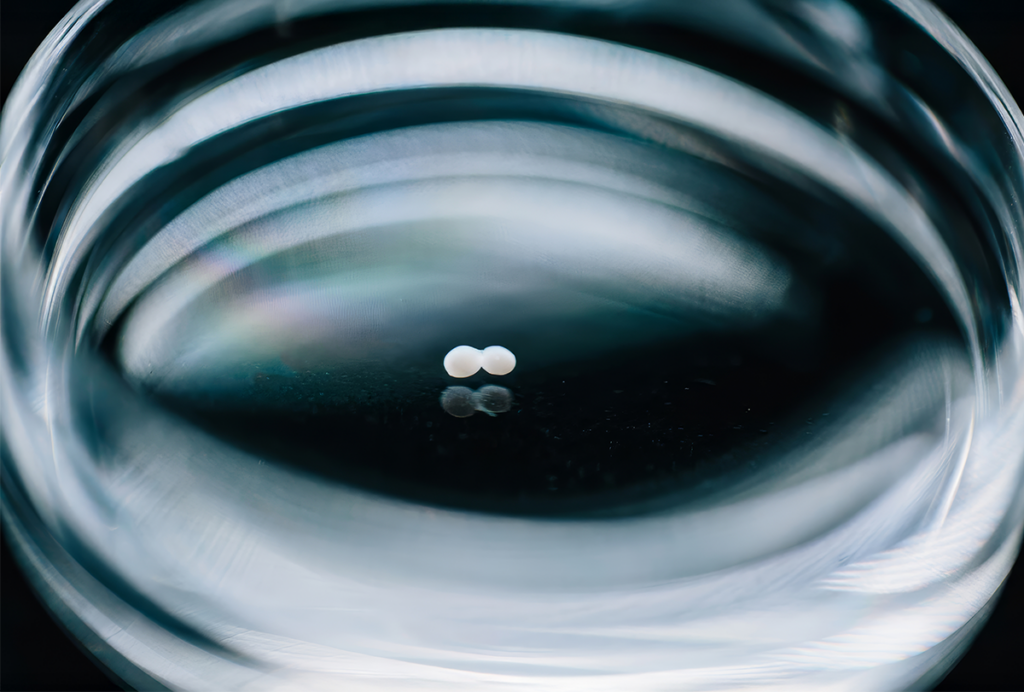
Funding for animal research alternatives reaches ‘inflection point’
The United States and Europe are dedicating hundreds of millions of dollars in funding to advance novel alternative methods, but not all neuroscientists see this as a positive step.
Funding for animal research alternatives reaches ‘inflection point’
The United States and Europe are dedicating hundreds of millions of dollars in funding to advance novel alternative methods, but not all neuroscientists see this as a positive step.