Neural networks
Recent articles
Susana Carmona on the neurobiology of pregnancy
In a Q&A about her new book, “A Mother’s Brain,” Carmona shares key moments in her career that led her to study the neuroscience of motherhood and discusses some of the major questions the field still needs to address.
Susana Carmona on the neurobiology of pregnancy
In a Q&A about her new book, “A Mother’s Brain,” Carmona shares key moments in her career that led her to study the neuroscience of motherhood and discusses some of the major questions the field still needs to address.
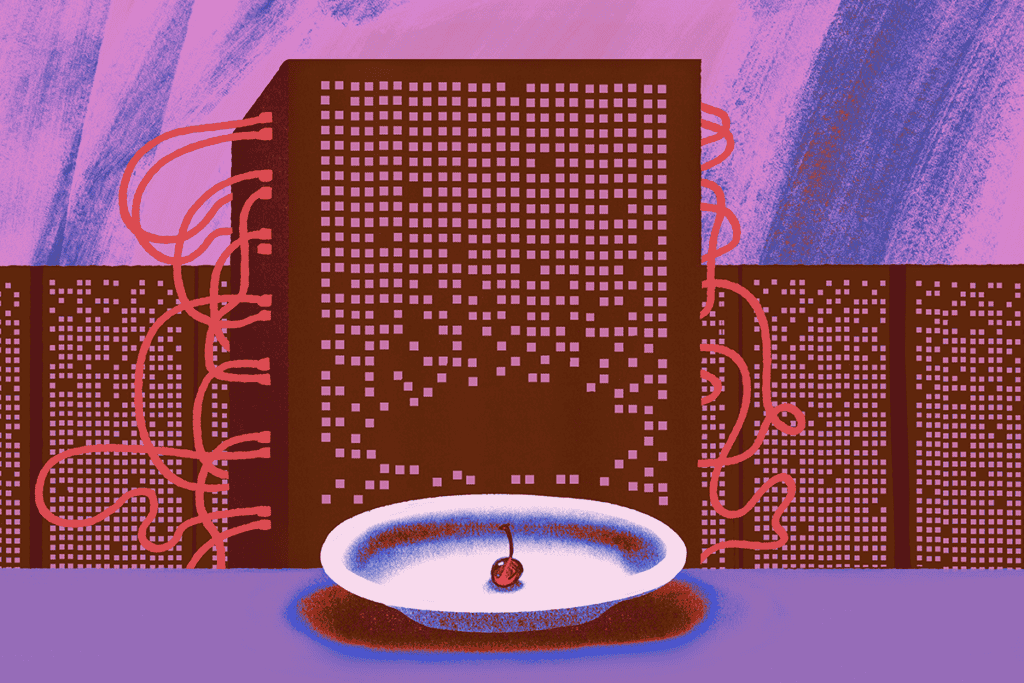
What AI can learn from hunger
To enhance AI safety, take a lesson from biological brains; a small set of wants maintains durable control over a much larger cognitive system.
What AI can learn from hunger
To enhance AI safety, take a lesson from biological brains; a small set of wants maintains durable control over a much larger cognitive system.
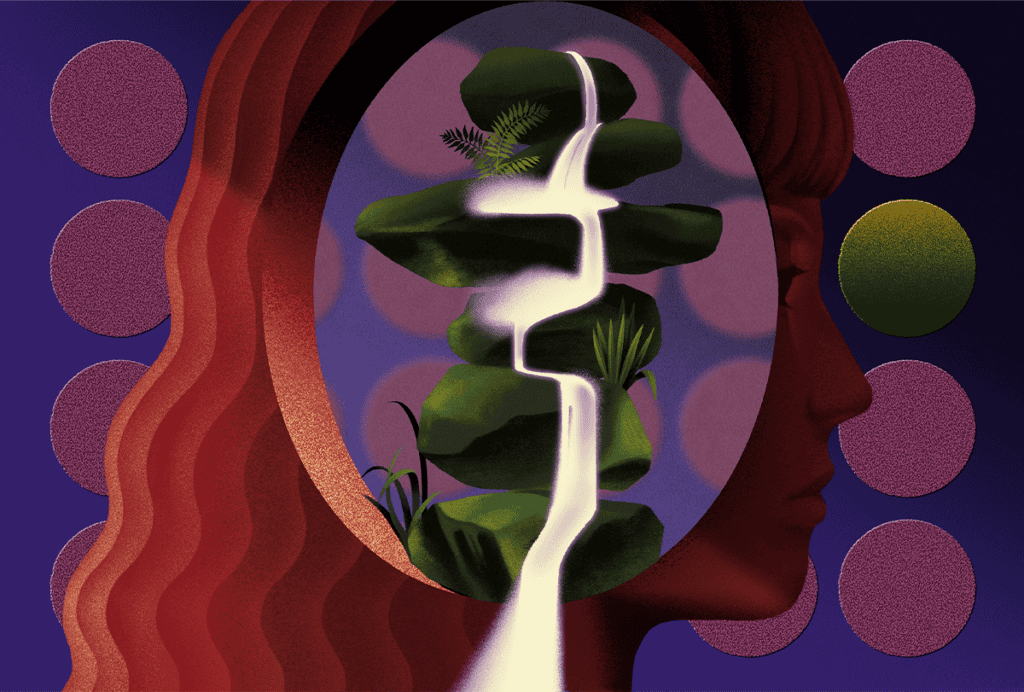
Revisiting the neural correlates of consciousness
Life happens in real time, but experience may be composed in ragtime—like the music genre, full of offbeat notes and uneven rhythms. The assumption that waking life consists of a “stream” of conscious representations has inadvertently led consciousness science to its current impasse.
Revisiting the neural correlates of consciousness
Life happens in real time, but experience may be composed in ragtime—like the music genre, full of offbeat notes and uneven rhythms. The assumption that waking life consists of a “stream” of conscious representations has inadvertently led consciousness science to its current impasse.
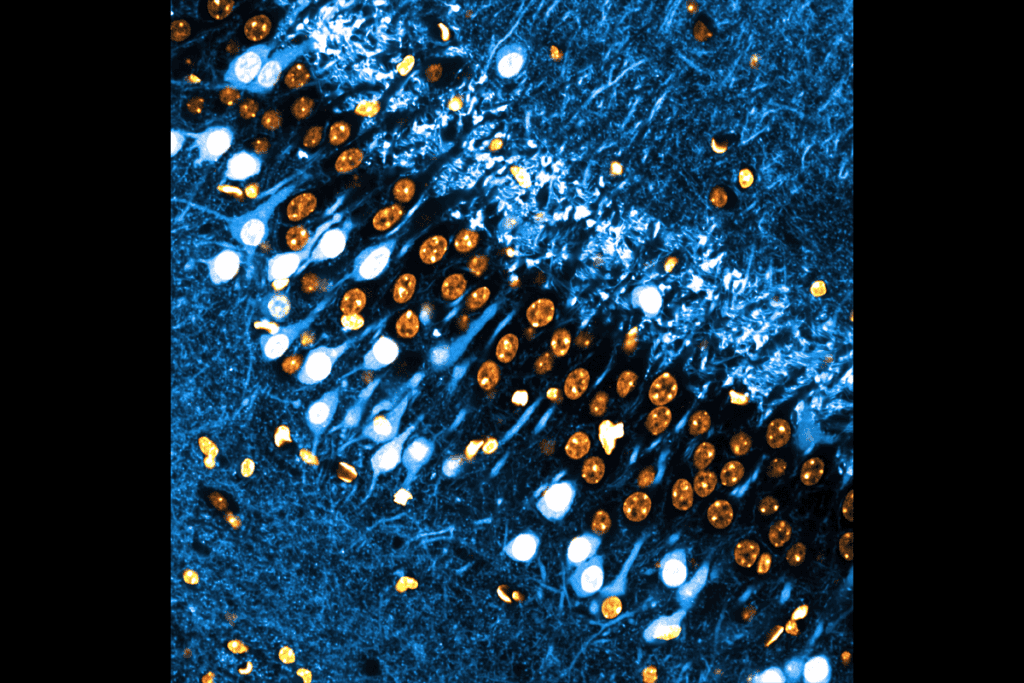
Textbook model of hippocampus’s role in memory may need updating
The CA3 region, long thought to have just one circuit, has two, sporting different wiring and functions, a new preprint suggests.
Textbook model of hippocampus’s role in memory may need updating
The CA3 region, long thought to have just one circuit, has two, sporting different wiring and functions, a new preprint suggests.
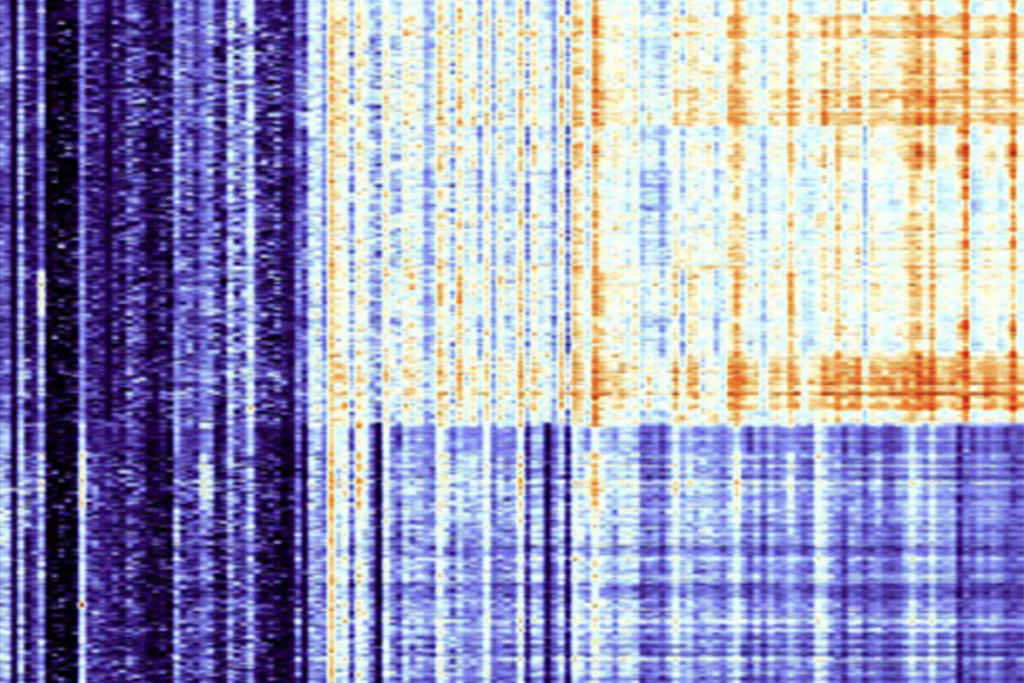
Switching neural code may solve ongoing face-recognition debate
Face patch cells in macaque monkeys initially respond to images of any object but rapidly transition to attend to faces exclusively, a new study finds.
Switching neural code may solve ongoing face-recognition debate
Face patch cells in macaque monkeys initially respond to images of any object but rapidly transition to attend to faces exclusively, a new study finds.
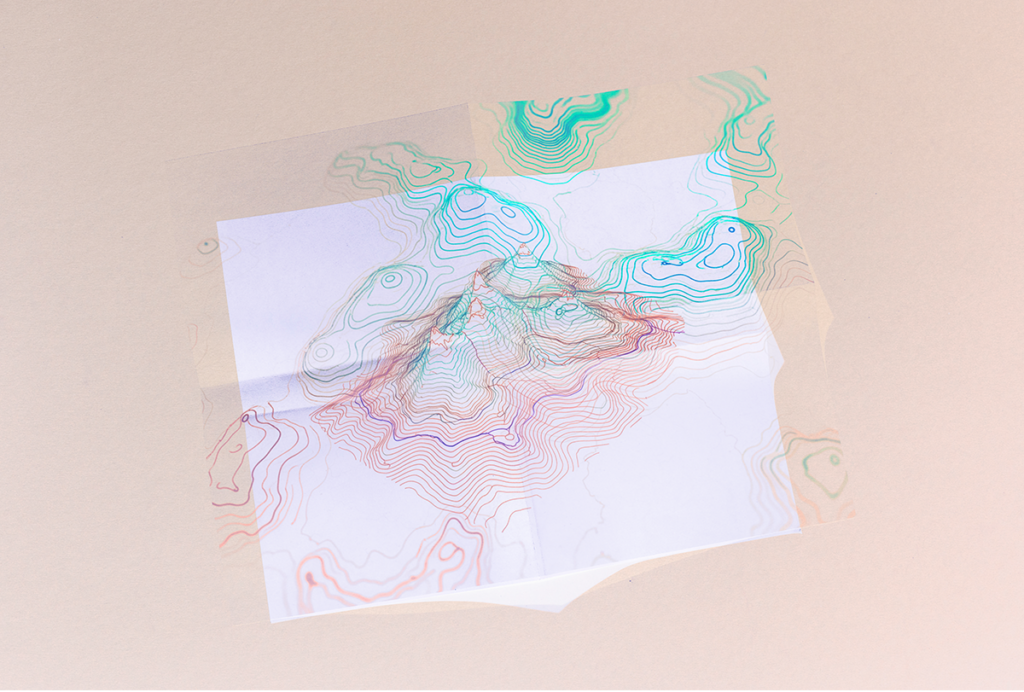
Why neural foundation models work, and what they might—and might not—teach us about the brain
These models can partly generalize across species, brain regions and tasks, suggesting that a set of machine-learnable rules govern neural population activity. But will we be able to understand them?
Why neural foundation models work, and what they might—and might not—teach us about the brain
These models can partly generalize across species, brain regions and tasks, suggesting that a set of machine-learnable rules govern neural population activity. But will we be able to understand them?
Large-scale neuroimaging datasets often lack information specific to women’s health, constraining AI’s analysis potential
Addressing this gap will require collecting widespread data on pregnancy, menopause and other life events women experience—and could bring us closer to the “holy grail” of linking brain and behavior.
Large-scale neuroimaging datasets often lack information specific to women’s health, constraining AI’s analysis potential
Addressing this gap will require collecting widespread data on pregnancy, menopause and other life events women experience—and could bring us closer to the “holy grail” of linking brain and behavior.
Tom Griffiths describes how neural networks, logic and probability theory together explain cognition
In his new book, “The Laws of Thought,” Griffiths shows how these three pillars of study complement one another and together form a solid foundation to eventually explain all of our cognition, from brain to mind.
Tom Griffiths describes how neural networks, logic and probability theory together explain cognition
In his new book, “The Laws of Thought,” Griffiths shows how these three pillars of study complement one another and together form a solid foundation to eventually explain all of our cognition, from brain to mind.
How insights from network theory can boost interdisciplinary efforts
Communication on one interdisciplinary research team improved after the researchers turned an analysis technique used to study the brain on themselves and identified the roles people played in lab meetings.
How insights from network theory can boost interdisciplinary efforts
Communication on one interdisciplinary research team improved after the researchers turned an analysis technique used to study the brain on themselves and identified the roles people played in lab meetings.
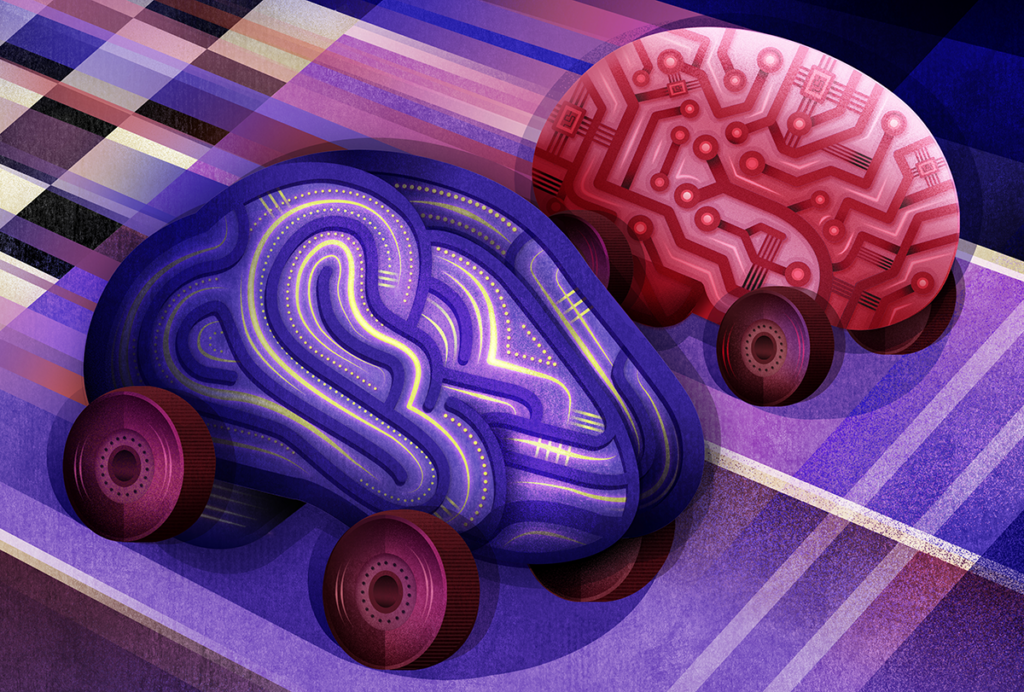
The 1,000 neuron challenge
A competition to design small, efficient neural models might provide new insight into real brains—and perhaps unite disparate modeling efforts.
The 1,000 neuron challenge
A competition to design small, efficient neural models might provide new insight into real brains—and perhaps unite disparate modeling efforts.
Explore more from The Transmitter
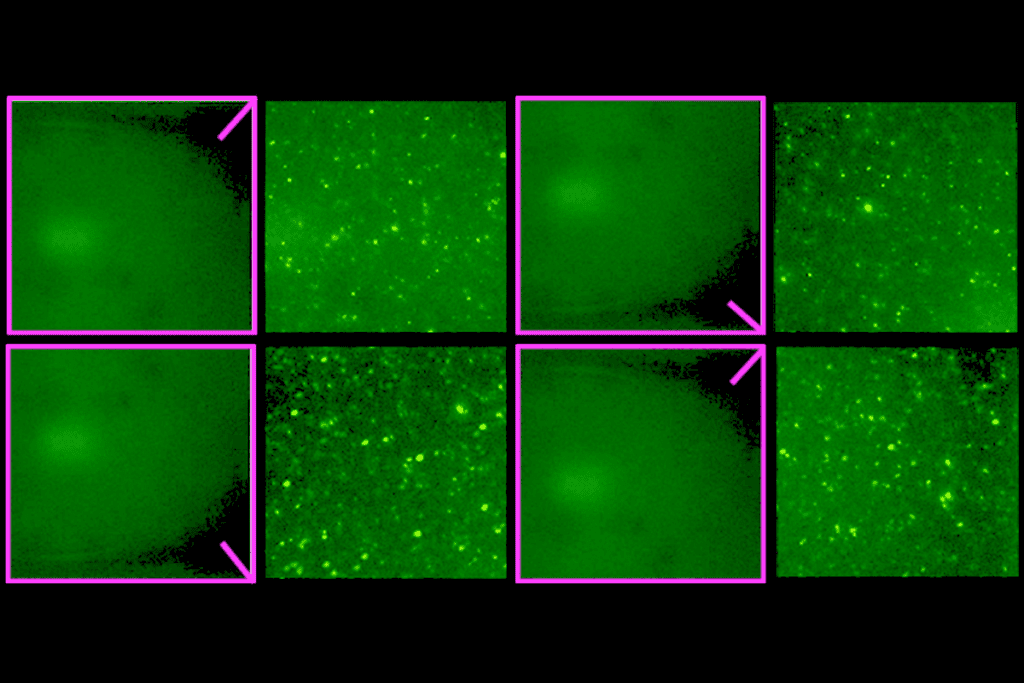
University probe leads to retraction of four neural tube studies
The University of Maryland conducted an internal investigation that identified image duplications and other data integrity issues in the studies, according to the retraction notices.
University probe leads to retraction of four neural tube studies
The University of Maryland conducted an internal investigation that identified image duplications and other data integrity issues in the studies, according to the retraction notices.
Highly cited autism paper earns expression of concern over data duplications
The notice, published in Nature last week, also addressed an image duplication identified by a prominent research-integrity sleuth.
Highly cited autism paper earns expression of concern over data duplications
The notice, published in Nature last week, also addressed an image duplication identified by a prominent research-integrity sleuth.
Govern neurodata by how it’s used, not where it’s from
New neurodata laws will shape how researchers gather, share and reuse brain data. A use-based governance protects basic researchers and those whose data are being used, without freezing science.
Govern neurodata by how it’s used, not where it’s from
New neurodata laws will shape how researchers gather, share and reuse brain data. A use-based governance protects basic researchers and those whose data are being used, without freezing science.