Perspectives
Recent articles
Expert opinions on trends and controversies in neuroscience
Why emotion research is stuck—and how to move it forward
Studying how organisms infer indirect threats and understand changing contexts can establish a common framework that bridges species and levels of analysis.
Why emotion research is stuck—and how to move it forward
Studying how organisms infer indirect threats and understand changing contexts can establish a common framework that bridges species and levels of analysis.
How to collaborate with AI
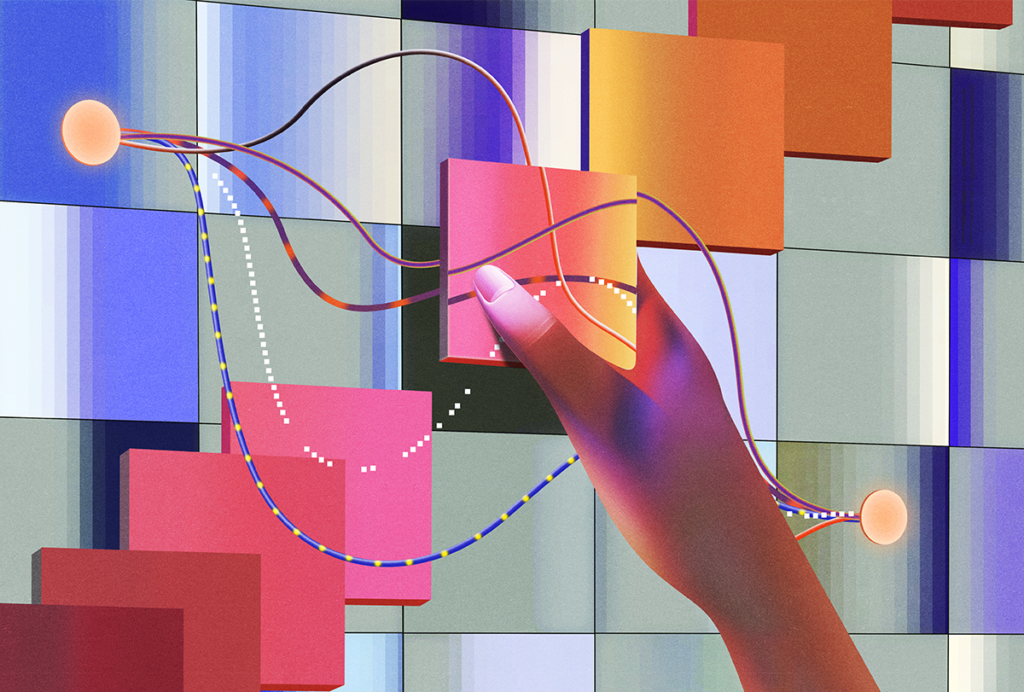
To make the best use of LLMs in research, turn your scientific question into a set of concrete, checkable proposals, wire up an automatic scoring loop, and let the AI iterate.
How to collaborate with AI
To make the best use of LLMs in research, turn your scientific question into a set of concrete, checkable proposals, wire up an automatic scoring loop, and let the AI iterate.
Computational psychiatry needs systems neuroscience
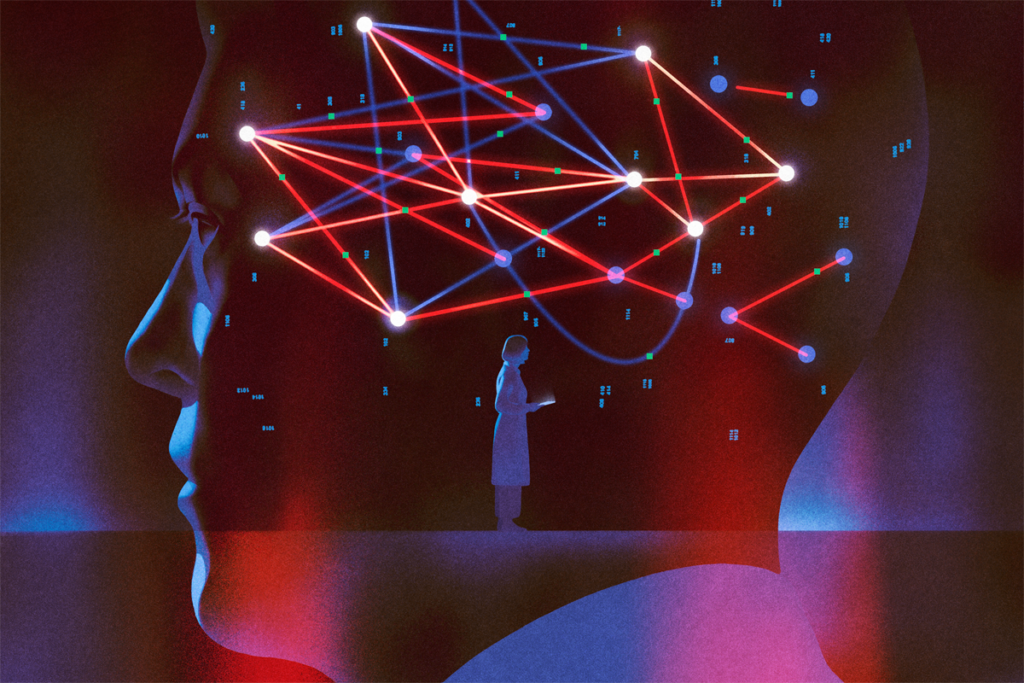
Dissecting different parallel processing streams may help us understand the mechanisms underlying psychiatric symptoms, such as delusions, and unite human and animal research.
Computational psychiatry needs systems neuroscience
Dissecting different parallel processing streams may help us understand the mechanisms underlying psychiatric symptoms, such as delusions, and unite human and animal research.
This paper changed my life: John Tuthill reflects on the subjectivity of selfhood
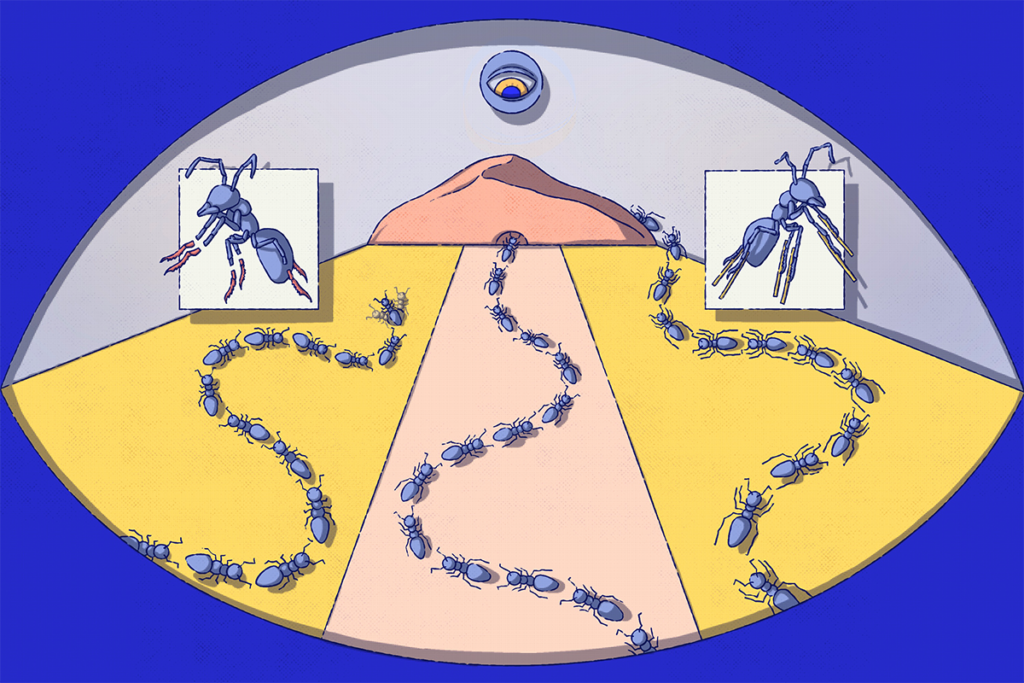
Wittlinger, Wehner and Wolf’s 2006 “stilts and stumps” Science paper revealed how ants pull off extraordinary feats of navigation using a biological odometer, and it inspired Tuthill to consider how other insects sense their own bodies.
This paper changed my life: John Tuthill reflects on the subjectivity of selfhood
Wittlinger, Wehner and Wolf’s 2006 “stilts and stumps” Science paper revealed how ants pull off extraordinary feats of navigation using a biological odometer, and it inspired Tuthill to consider how other insects sense their own bodies.
The 1,000 neuron challenge
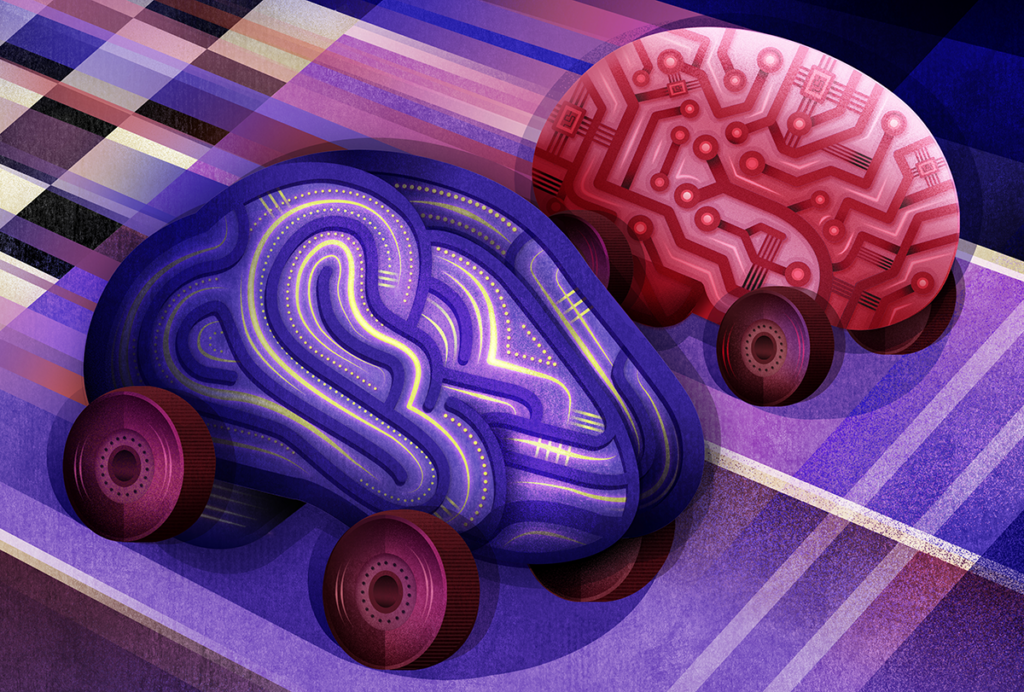
A competition to design small, efficient neural models might provide new insight into real brains—and perhaps unite disparate modeling efforts.
The 1,000 neuron challenge
A competition to design small, efficient neural models might provide new insight into real brains—and perhaps unite disparate modeling efforts.

Not playing around: Why neuroscience needs toy models
Amid the rise of billion-parameter models, I argue that toy models, with just a few neurons, remain essential—and may be all neuroscience needs.
Not playing around: Why neuroscience needs toy models
Amid the rise of billion-parameter models, I argue that toy models, with just a few neurons, remain essential—and may be all neuroscience needs.
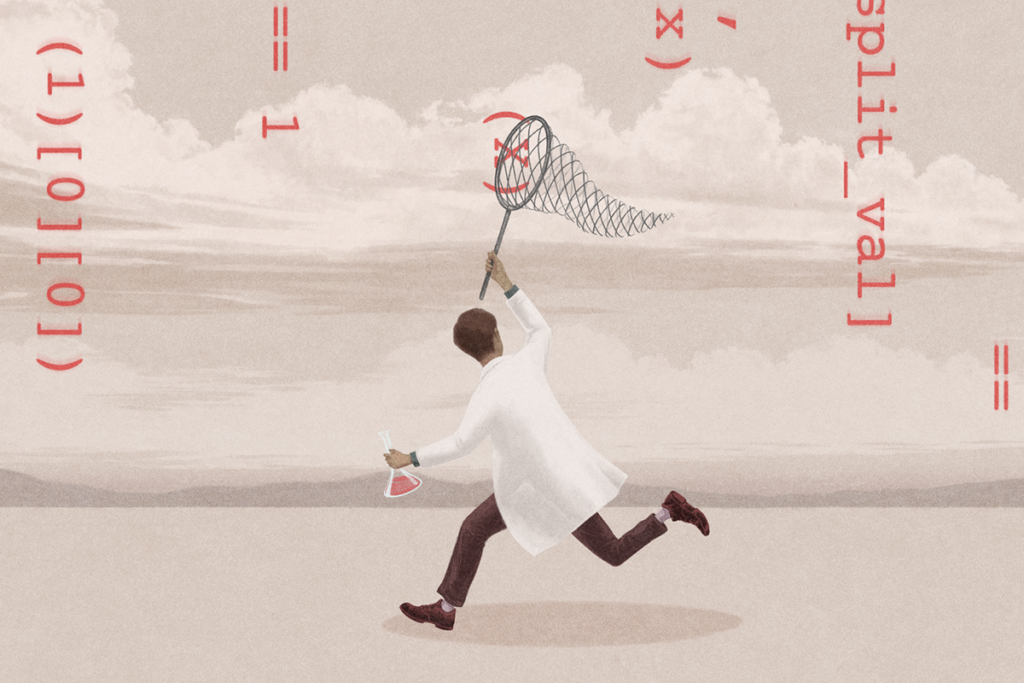
AI-assisted coding: 10 simple rules to maintain scientific rigor
These guidelines can help researchers ensure the integrity of their work while accelerating progress on important scientific questions.
AI-assisted coding: 10 simple rules to maintain scientific rigor
These guidelines can help researchers ensure the integrity of their work while accelerating progress on important scientific questions.
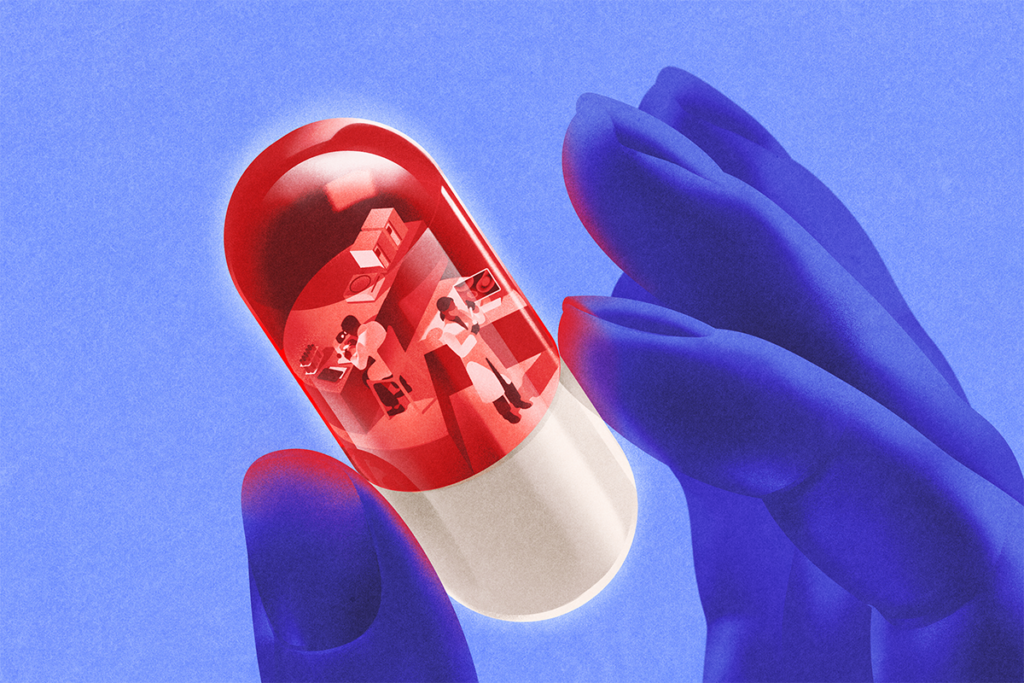
How basic neuroscience has paved the path to new drugs
A growing list of medications—such as zuranolone for postpartum depression, suzetrigine for pain, and the gepants class of migraine medicines—exist because of insights from basic research.
How basic neuroscience has paved the path to new drugs
A growing list of medications—such as zuranolone for postpartum depression, suzetrigine for pain, and the gepants class of migraine medicines—exist because of insights from basic research.

Seeing the world as animals do: How to leverage generative AI for ecological neuroscience
Generative artificial intelligence will offer a new way to see, simulate and hypothesize about how animals experience their worlds. In doing so, it could help bridge the long-standing gap between neural function and behavior.
Seeing the world as animals do: How to leverage generative AI for ecological neuroscience
Generative artificial intelligence will offer a new way to see, simulate and hypothesize about how animals experience their worlds. In doing so, it could help bridge the long-standing gap between neural function and behavior.
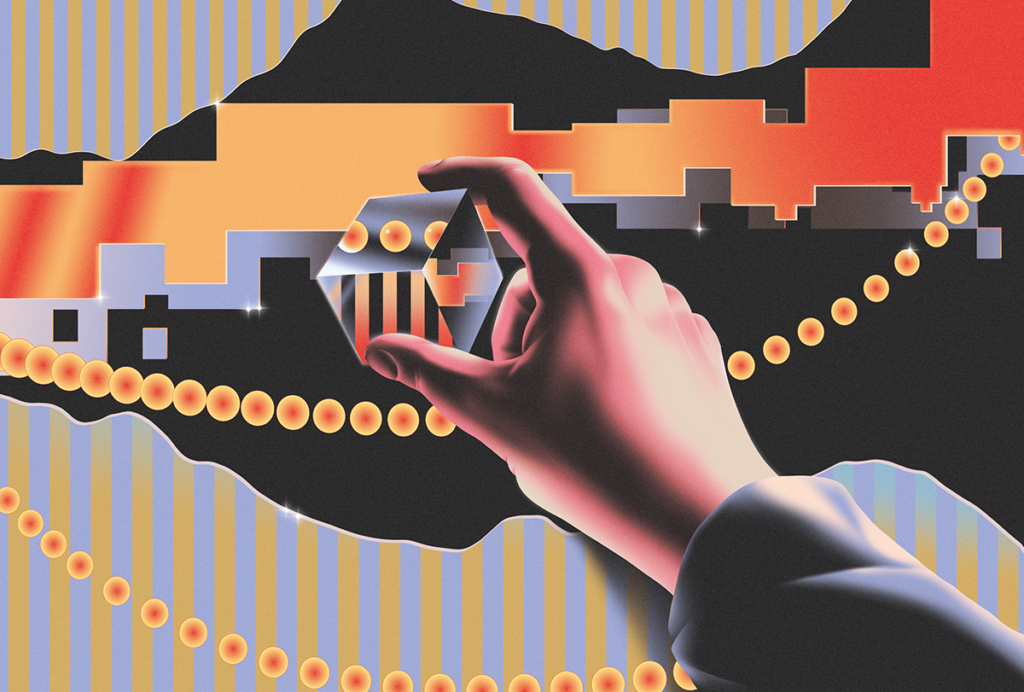
Beyond the algorithmic oracle: Rethinking machine learning in behavioral neuroscience
Machine learning should not be a replacement for human judgment but rather help us embrace the various assumptions and interpretations that shape behavioral research.
Beyond the algorithmic oracle: Rethinking machine learning in behavioral neuroscience
Machine learning should not be a replacement for human judgment but rather help us embrace the various assumptions and interpretations that shape behavioral research.
Explore more from The Transmitter
Michael Shadlen explains how theory of mind ushers nonconscious thoughts into consciousness
All of our thoughts, mostly nonconscious, are interrogations of the world, Shadlen says. The opportunity to report our answers to ourselves or others brings a thought into conscious awareness.
Michael Shadlen explains how theory of mind ushers nonconscious thoughts into consciousness
All of our thoughts, mostly nonconscious, are interrogations of the world, Shadlen says. The opportunity to report our answers to ourselves or others brings a thought into conscious awareness.

‘Peer review is our strength’: Q&A with Walter Koroshetz, former NINDS director
In his first week off the job, the former National Institute of Neurological Disorders and Stroke director urges U.S. scientists to remain optimistic about the future of neuroscience research, even if the executive branch “may not value what we do.”
‘Peer review is our strength’: Q&A with Walter Koroshetz, former NINDS director
In his first week off the job, the former National Institute of Neurological Disorders and Stroke director urges U.S. scientists to remain optimistic about the future of neuroscience research, even if the executive branch “may not value what we do.”
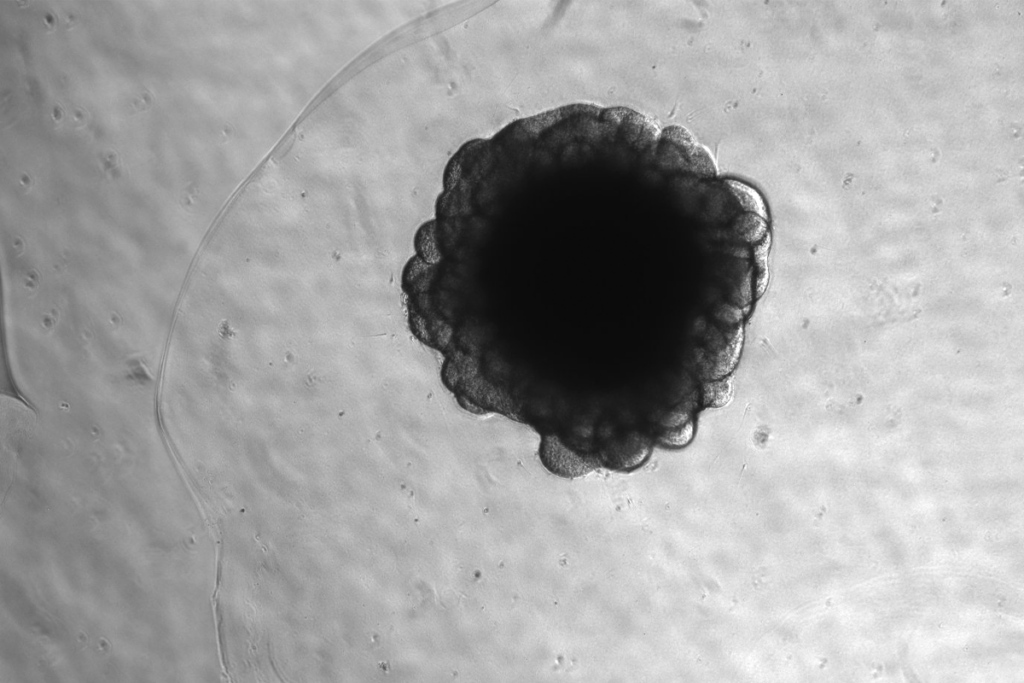
Viral remnant in chimpanzees silences brain gene humans still use
The retroviral insert appears to inadvertently switch off a gene involved in brain development.
Viral remnant in chimpanzees silences brain gene humans still use
The retroviral insert appears to inadvertently switch off a gene involved in brain development.