Simplex families
Recent articles
Null and Noteworthy: Modified MRI; father findings
This month’s newsletter tackles null findings from an attempted replication of a “revolutionary” MRI approach and an analysis of family genetics.
Null and Noteworthy: Modified MRI; father findings
This month’s newsletter tackles null findings from an attempted replication of a “revolutionary” MRI approach and an analysis of family genetics.
Whole-genome trove ties new genes, variants to autism
A massive update to the MSSNG dataset gives qualified researchers ready access to explore autism’s genetic architecture on a cloud-based platform.
Whole-genome trove ties new genes, variants to autism
A massive update to the MSSNG dataset gives qualified researchers ready access to explore autism’s genetic architecture on a cloud-based platform.
X-chromosome variants help explain autism’s sex bias
The rare variants are also linked to ADHD and Tourette syndrome, two other conditions that disproportionately affect boys and men.
X-chromosome variants help explain autism’s sex bias
The rare variants are also linked to ADHD and Tourette syndrome, two other conditions that disproportionately affect boys and men.
Autism-linked genetic variants increase, decrease intelligence
Common and rare variants in or near autism-associated genes can have opposite effects on cognition.
Autism-linked genetic variants increase, decrease intelligence
Common and rare variants in or near autism-associated genes can have opposite effects on cognition.
Analysis ups estimate of spontaneous mutations’ role in autism
Spontaneous genetic mutations contribute to autism in 30 to 39 percent of all people with the condition, and 52 to 67 percent of autistic children whose siblings do not also have the condition.
Analysis ups estimate of spontaneous mutations’ role in autism
Spontaneous genetic mutations contribute to autism in 30 to 39 percent of all people with the condition, and 52 to 67 percent of autistic children whose siblings do not also have the condition.
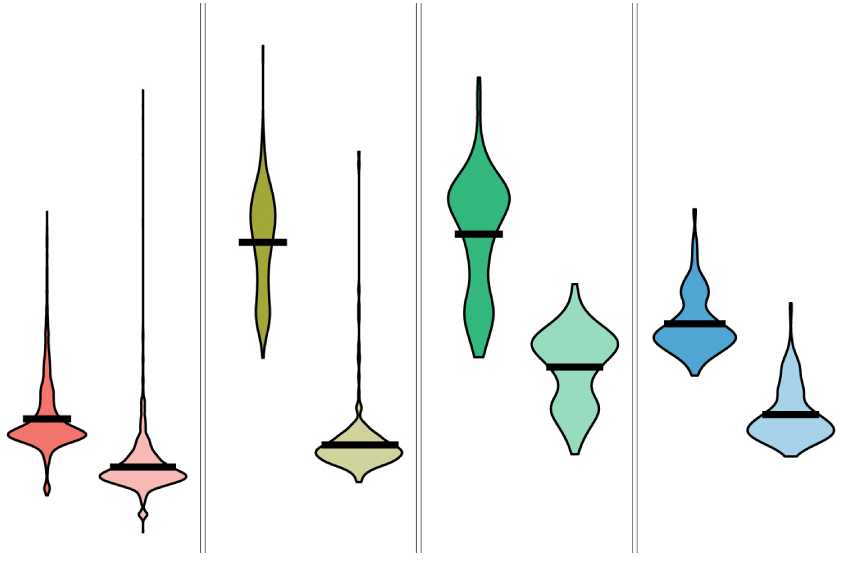
Ultra-rare variants point to new autism candidate genes
A large, whole-genome sequencing study of families yields insights into ultra-rare genetic variants that contribute to autism.
Ultra-rare variants point to new autism candidate genes
A large, whole-genome sequencing study of families yields insights into ultra-rare genetic variants that contribute to autism.
Analysis links 98 genes to neurodevelopmental conditions
Genetic sequences from nearly 53,000 people with autism, developmental delay or intellectual disability reveal strong ties to 98 genes.
Analysis links 98 genes to neurodevelopmental conditions
Genetic sequences from nearly 53,000 people with autism, developmental delay or intellectual disability reveal strong ties to 98 genes.

Decade of data dents idea of a ‘female protective effect’
Brothers and sisters of people with autism are both about two to three times more likely than the general population to have an autistic child themselves.
Decade of data dents idea of a ‘female protective effect’
Brothers and sisters of people with autism are both about two to three times more likely than the general population to have an autistic child themselves.
Fever eases behavioral problems in some children with autism
About 17 percent of children with autism are calmer and more communicative than usual when they have a fever.
Fever eases behavioral problems in some children with autism
About 17 percent of children with autism are calmer and more communicative than usual when they have a fever.
Sizeable fraction of autism risk traced to ‘mosaic’ mutations
Mutations that appear in only some of the body’s cells contribute to autism in about 4 percent of people with the condition.
Sizeable fraction of autism risk traced to ‘mosaic’ mutations
Mutations that appear in only some of the body’s cells contribute to autism in about 4 percent of people with the condition.
Explore more from The Transmitter
Hidden connections in the thalamus: Mapping the electrical synapses of the brain’s attentional gate
New research uses a light-based mapping technique to show that electrical synapses persist in the adult thalamic reticular nucleus, where they link neurons selectively, reach farther than anyone had previously measured, and join together cell types that serve separate streams of sensory information.
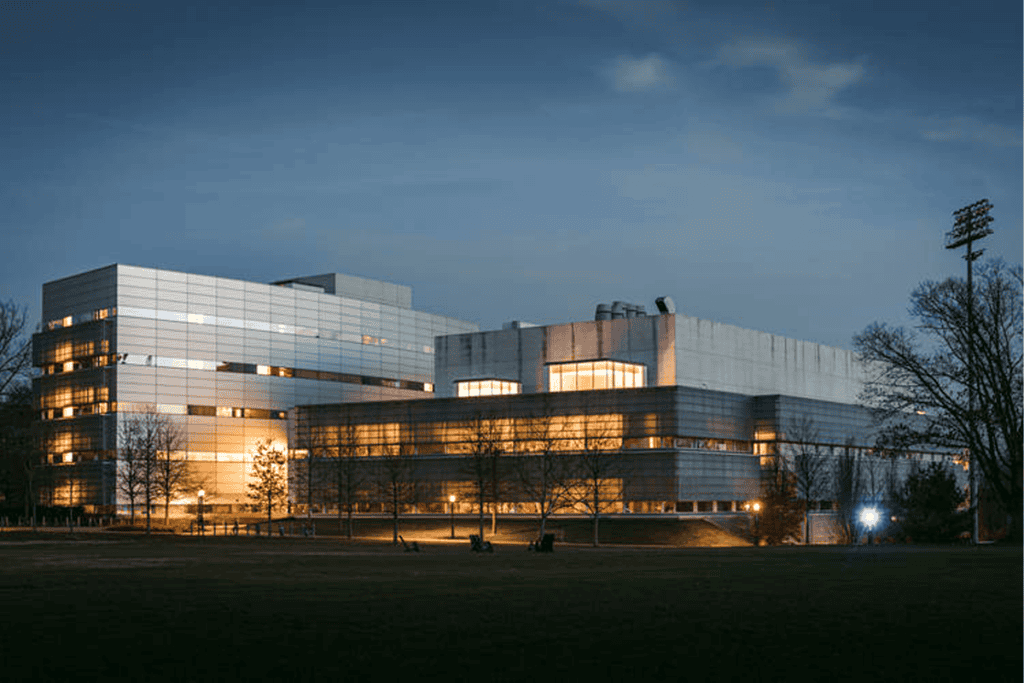
‘Shock and pain’ after ICE detains Princeton neuroscientist
Eva Yi Xie, a third-year graduate student in Carlos Brody’s lab at Princeton University, was detained yesterday at an airport in Washington, D.C., while traveling from the Society for Neuroscience meeting.
‘Shock and pain’ after ICE detains Princeton neuroscientist
Eva Yi Xie, a third-year graduate student in Carlos Brody’s lab at Princeton University, was detained yesterday at an airport in Washington, D.C., while traveling from the Society for Neuroscience meeting.

Training graduate students as a teaching professor
Mayank Chugh instructs graduate students in a range of molecular biology techniques at the University of Maryland and carves out time to do metascience research as well.
Training graduate students as a teaching professor
Mayank Chugh instructs graduate students in a range of molecular biology techniques at the University of Maryland and carves out time to do metascience research as well.