Tuberous sclerosis
Recent articles
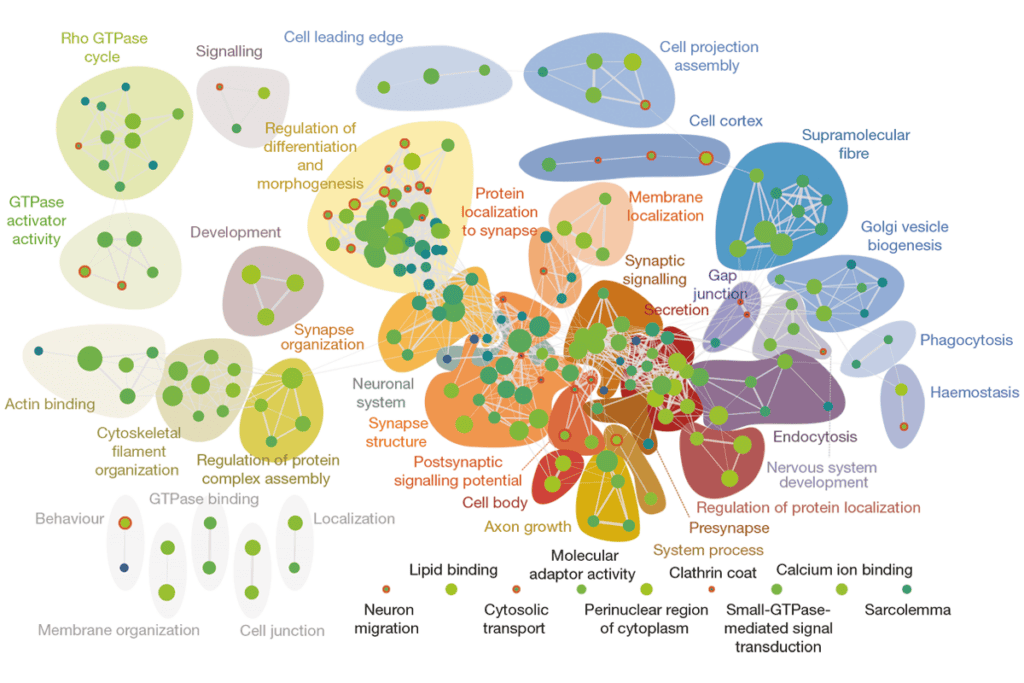
Autism’s ties to the cell skeleton
Many genes related to the condition play a role in the internal scaffolding of cells, and cytoskeletal disruptions can affect neurodevelopment and behavior.
Autism’s ties to the cell skeleton
Many genes related to the condition play a role in the internal scaffolding of cells, and cytoskeletal disruptions can affect neurodevelopment and behavior.
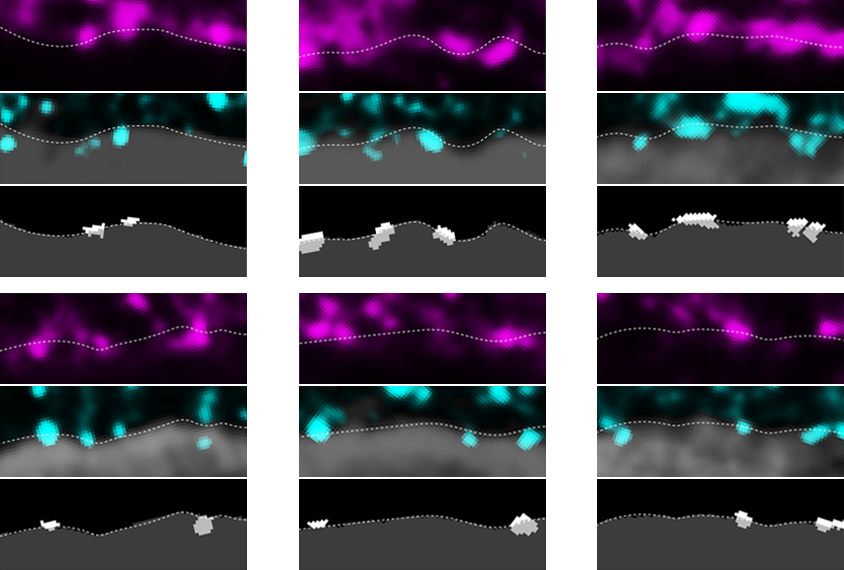
Tweaks to autism-linked pathway tilt circuits’ signaling balance
Altered expression of TSC2 and the mTOR pathway reshape the formation of certain synapses between inhibitory and excitatory neurons in mice.
Tweaks to autism-linked pathway tilt circuits’ signaling balance
Altered expression of TSC2 and the mTOR pathway reshape the formation of certain synapses between inhibitory and excitatory neurons in mice.
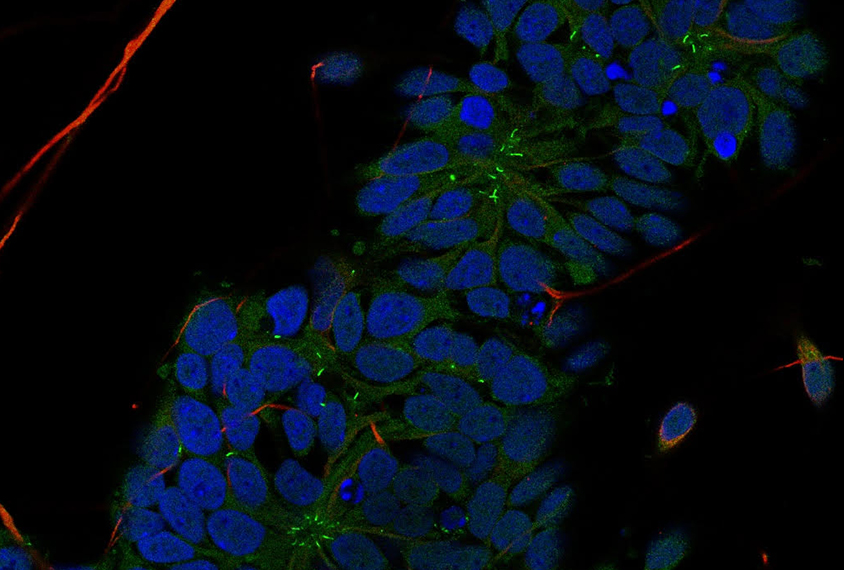
Autism and the cell’s antennae
Many autism-linked genes are somehow tied to cilia, the tiny hair-like sensors that stud a cell’s surface. But the question remains whether, and how, cilia differences contribute to the condition.
Autism and the cell’s antennae
Many autism-linked genes are somehow tied to cilia, the tiny hair-like sensors that stud a cell’s surface. But the question remains whether, and how, cilia differences contribute to the condition.
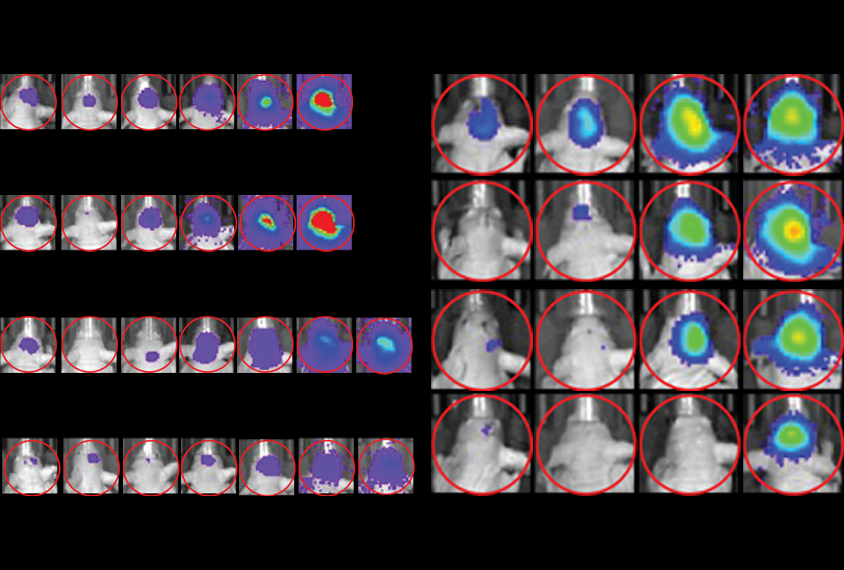
Two-drug combo blunts autism-linked pathway in brain
One drug blocks mTOR signaling, and the other stops the blocker from acting anywhere in the body but the brain, lowering the potential for side effects.
Two-drug combo blunts autism-linked pathway in brain
One drug blocks mTOR signaling, and the other stops the blocker from acting anywhere in the body but the brain, lowering the potential for side effects.
The cloudy connection between fragile X and cancer
People with the autism-linked syndrome lack a protein implicated in several cancers, but it’s unclear whether — or how — they are protected from malignancies.
The cloudy connection between fragile X and cancer
People with the autism-linked syndrome lack a protein implicated in several cancers, but it’s unclear whether — or how — they are protected from malignancies.
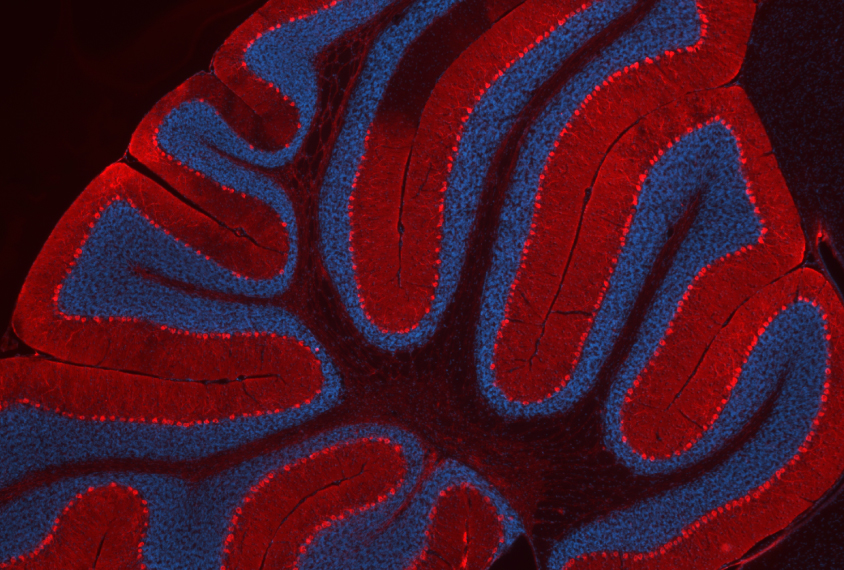
Autism model mice develop typical social and motor behaviors after drug treatment
The drug suppresses an overactive signaling pathway implicated in tuberous sclerosis complex.
Autism model mice develop typical social and motor behaviors after drug treatment
The drug suppresses an overactive signaling pathway implicated in tuberous sclerosis complex.
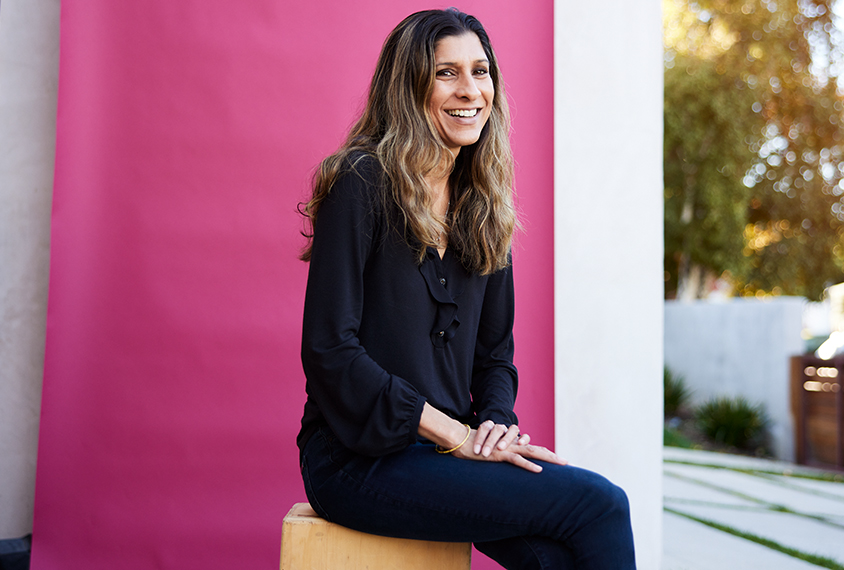
Shafali Jeste: Early autism meets its match
Shafali Jeste has spent the bulk of her scientific career searching for biological markers of autism. Her goal: to improve lives through early diagnosis and speedy testing of therapies.
Shafali Jeste: Early autism meets its match
Shafali Jeste has spent the bulk of her scientific career searching for biological markers of autism. Her goal: to improve lives through early diagnosis and speedy testing of therapies.
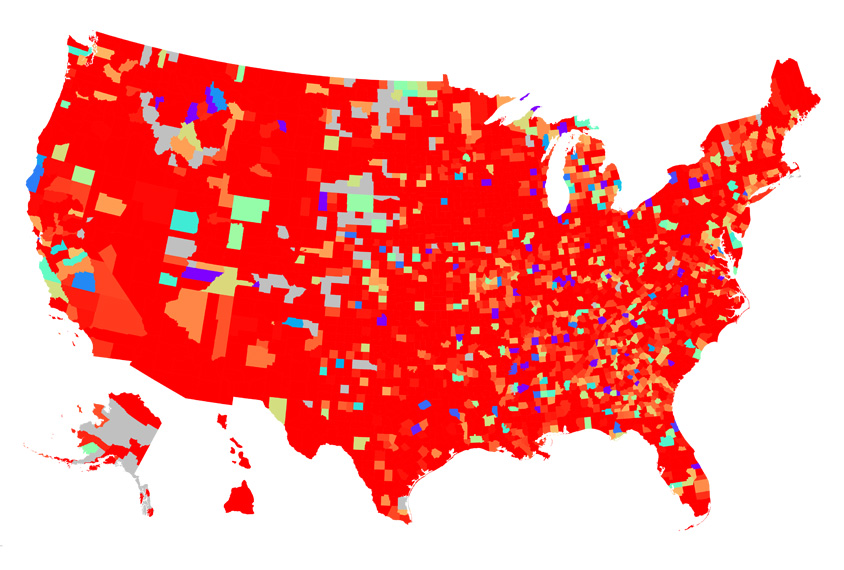
Deep-learning model may accurately predict autism diagnosis
The algorithm estimates a child’s likelihood of having autism from patterns of co-occurring conditions in electronic health records, outperforming a widely used screening test.
Deep-learning model may accurately predict autism diagnosis
The algorithm estimates a child’s likelihood of having autism from patterns of co-occurring conditions in electronic health records, outperforming a widely used screening test.

Severe infection may raise odds of autism in some children
Mock viral infections impair social memory in mice with a mutation tied to autism, and autistic boys are more likely than their non-autistic peers to have had serious infections early in life.
Severe infection may raise odds of autism in some children
Mock viral infections impair social memory in mice with a mutation tied to autism, and autistic boys are more likely than their non-autistic peers to have had serious infections early in life.
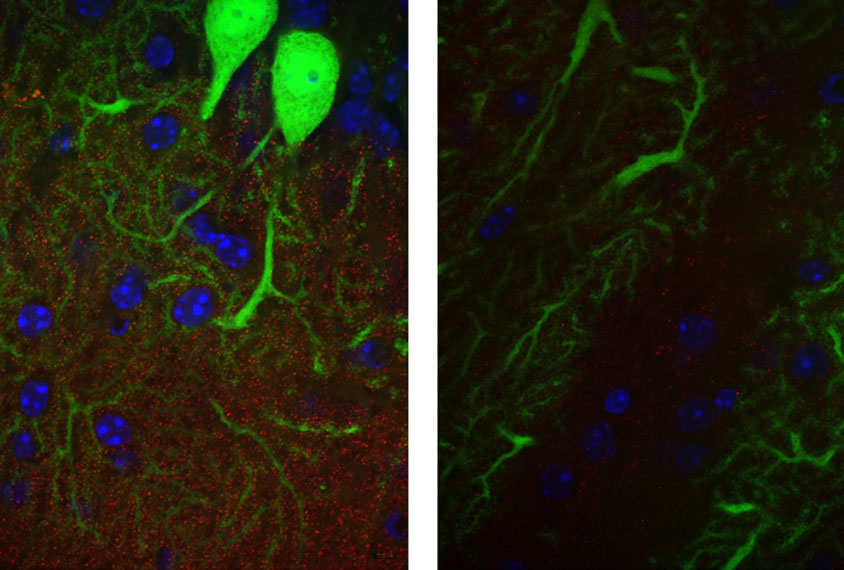
Molecular overlap links tuberous sclerosis, fragile X
Brain cells from the cerebellums of mice that model tuberous sclerosis show dampened levels of proteins controlled by FMRP, the protein missing in fragile X syndrome.
Molecular overlap links tuberous sclerosis, fragile X
Brain cells from the cerebellums of mice that model tuberous sclerosis show dampened levels of proteins controlled by FMRP, the protein missing in fragile X syndrome.
Explore more from The Transmitter
New phase of BRAIN Initiative spawns basal ganglia ‘parts list’
With a standardized cell naming system and infrastructure for data collection and analysis, the basal ganglia project sets the stage for a whole-brain primate atlas.
New phase of BRAIN Initiative spawns basal ganglia ‘parts list’
With a standardized cell naming system and infrastructure for data collection and analysis, the basal ganglia project sets the stage for a whole-brain primate atlas.
Machine-learning model spots autism-linked variants that scramble splicing
The model provides a way to investigate genetic variation in regions of the genome whose functions have been difficult to interpret.
Machine-learning model spots autism-linked variants that scramble splicing
The model provides a way to investigate genetic variation in regions of the genome whose functions have been difficult to interpret.

Future of AI brain models sparks debate
Neuroscientists are divided about whether foundation models that predict brain responses will help the field understand how brains work.
Future of AI brain models sparks debate
Neuroscientists are divided about whether foundation models that predict brain responses will help the field understand how brains work.