Carol Weitzman is professor emeritus of pediatrics at Yale University and director of the Connecticut Center for Developmental Pediatrics in Westport.
Carol Weitzman
Professor
Yale Child Study Center
From this contributor

Training first responders to recognize autism may avert tragedies
A lack of training for first responders, combined with the communication difficulties of people with autism, can create dangerous misunderstandings.
Training first responders to recognize autism may avert tragedies
By
Viola Cheung, Carol Weitzman
29 May 2018 | 7 min read
Explore more from The Transmitter
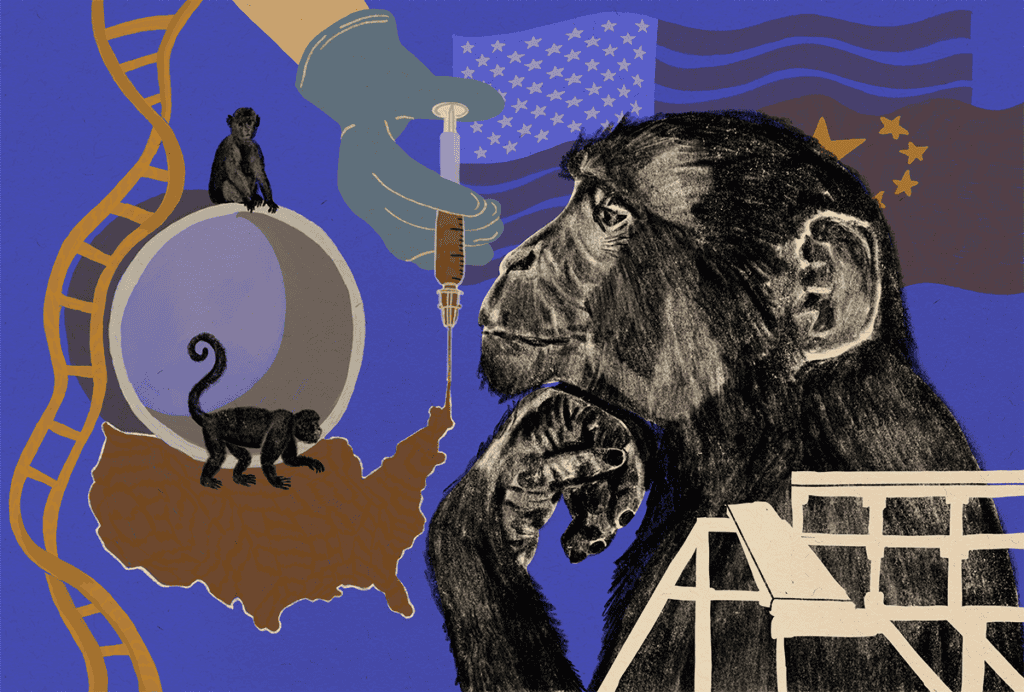
U.S. national primate research centers face an uncertain future
The facilities were meant to last 100 years. Four decades shy of that mark, amid flatlined funds and mounting political pressure, their directors are trying to find a path forward.
U.S. national primate research centers face an uncertain future
The facilities were meant to last 100 years. Four decades shy of that mark, amid flatlined funds and mounting political pressure, their directors are trying to find a path forward.
By
Calli McMurray
9 October 2026 | 12 min read
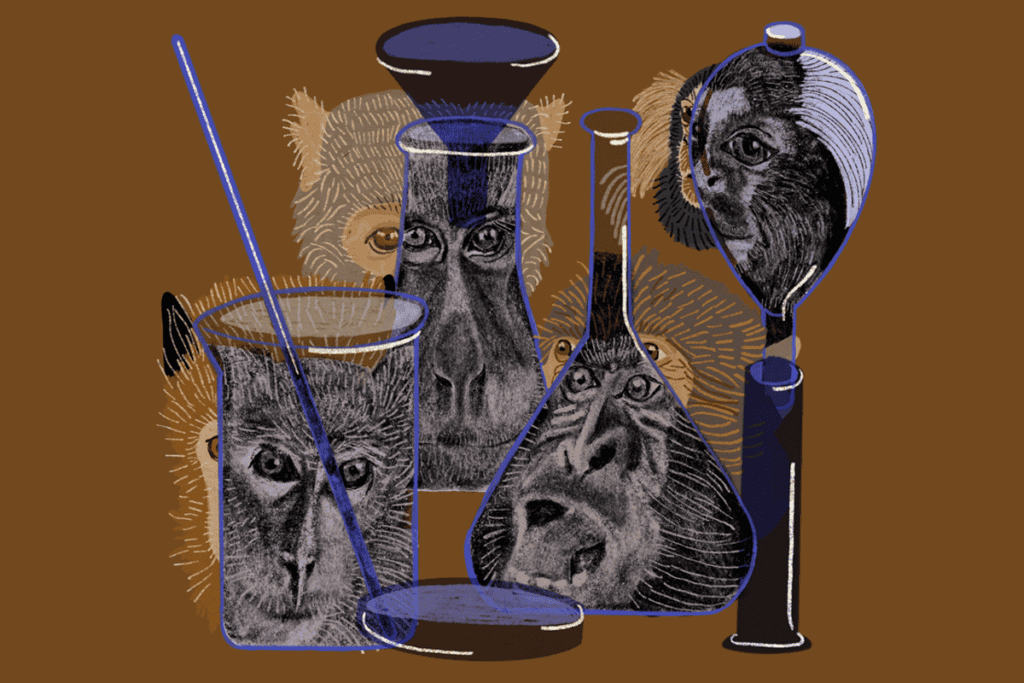
What if nonhuman primate research goes away?
As the U.S. government takes steps to stop using nonhuman primates in research, The Transmitter investigates what that shift could mean for neuroscience.
What if nonhuman primate research goes away?
As the U.S. government takes steps to stop using nonhuman primates in research, The Transmitter investigates what that shift could mean for neuroscience.
By
The Transmitter
9 October 2026 | 2 min read
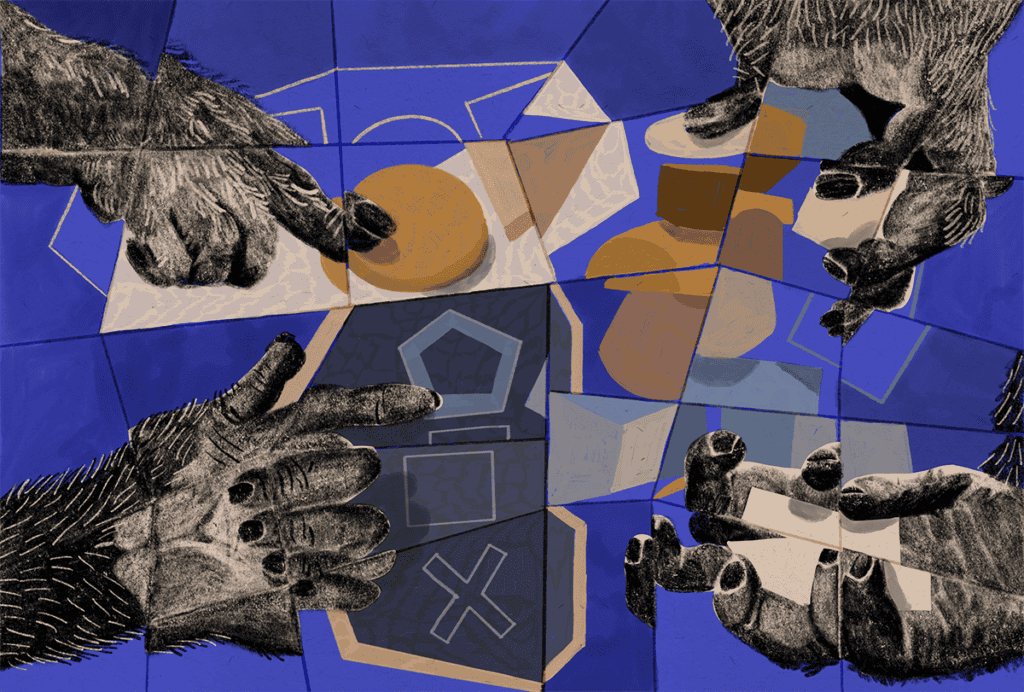
The neuroscience questions that need nonhuman primates
The Transmitter asked 17 neuroscientists what questions might remain unanswered if support for nonhuman primate research continues to decline.
The neuroscience questions that need nonhuman primates
The Transmitter asked 17 neuroscientists what questions might remain unanswered if support for nonhuman primate research continues to decline.
By
Alissa de Chassey
9 October 2026 | 10 min read