
Current Biology
From this contributor

Seeing the world as animals do: How to leverage generative AI for ecological neuroscience
Generative artificial intelligence will offer a new way to see, simulate and hypothesize about how animals experience their worlds. In doing so, it could help bridge the long-standing gap between neural function and behavior.
Seeing the world as animals do: How to leverage generative AI for ecological neuroscience
Explore more from The Transmitter
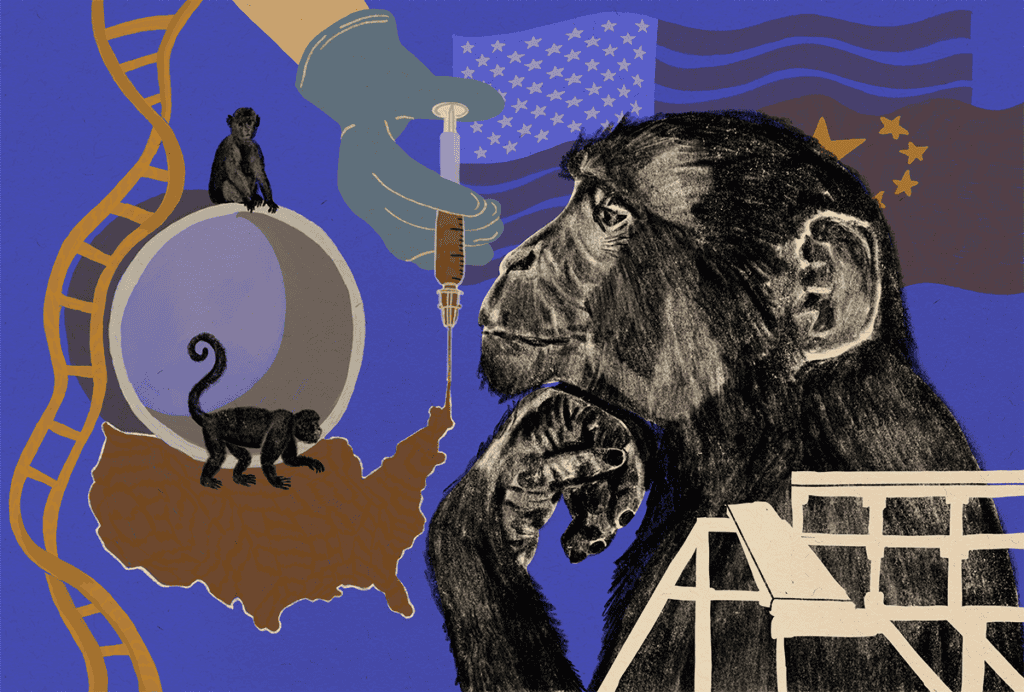
U.S. national primate research centers face an uncertain future
The facilities were meant to last 100 years. Four decades shy of that mark, amid flatlined funds and mounting political pressure, their directors are trying to find a path forward.
U.S. national primate research centers face an uncertain future
The facilities were meant to last 100 years. Four decades shy of that mark, amid flatlined funds and mounting political pressure, their directors are trying to find a path forward.
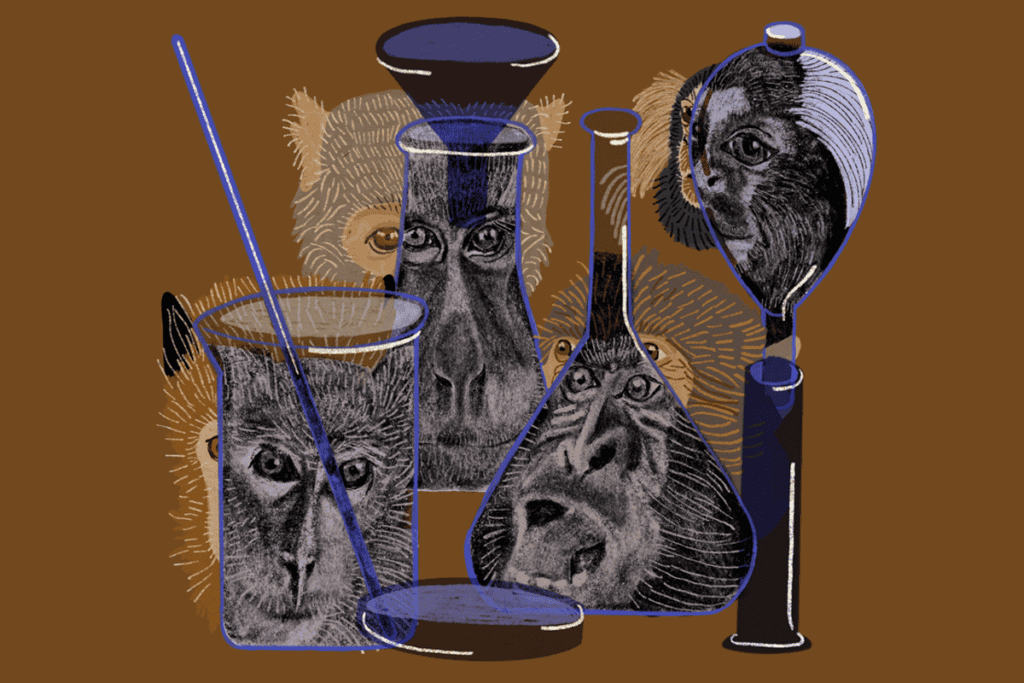
What if nonhuman primate research goes away?
As the U.S. government takes steps to stop using nonhuman primates in research, The Transmitter investigates what that shift could mean for neuroscience.
What if nonhuman primate research goes away?
As the U.S. government takes steps to stop using nonhuman primates in research, The Transmitter investigates what that shift could mean for neuroscience.
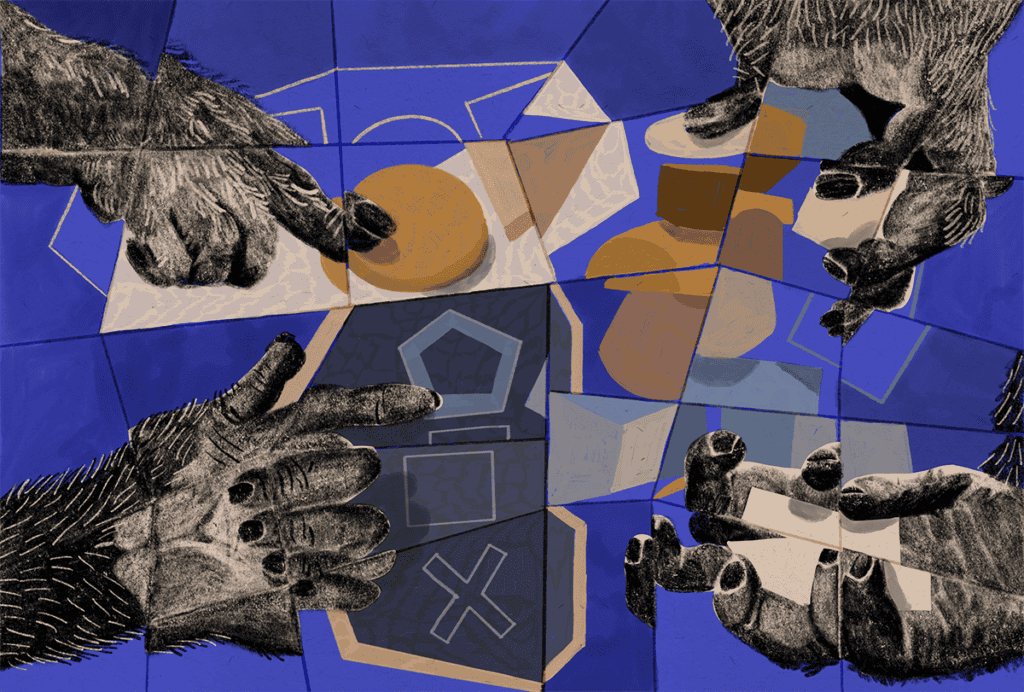
The neuroscience questions that need nonhuman primates
The Transmitter asked 17 neuroscientists what questions might remain unanswered if support for nonhuman primate research continues to decline.
The neuroscience questions that need nonhuman primates
The Transmitter asked 17 neuroscientists what questions might remain unanswered if support for nonhuman primate research continues to decline.