Yiran Jia
Illustrator
From this contributor

Should I work with these people? A guide to collaboration
Kevin Bender offers advice for early-career neuroscientists on how to choose the right collaborations and avoid the bad ones.
Should I work with these people? A guide to collaboration
Neuroscience needs a career path for software engineers
Few institutions have mechanisms for the type of long-term positions that would best benefit the science.
Neuroscience needs a career path for software engineers
Explore more from The Transmitter
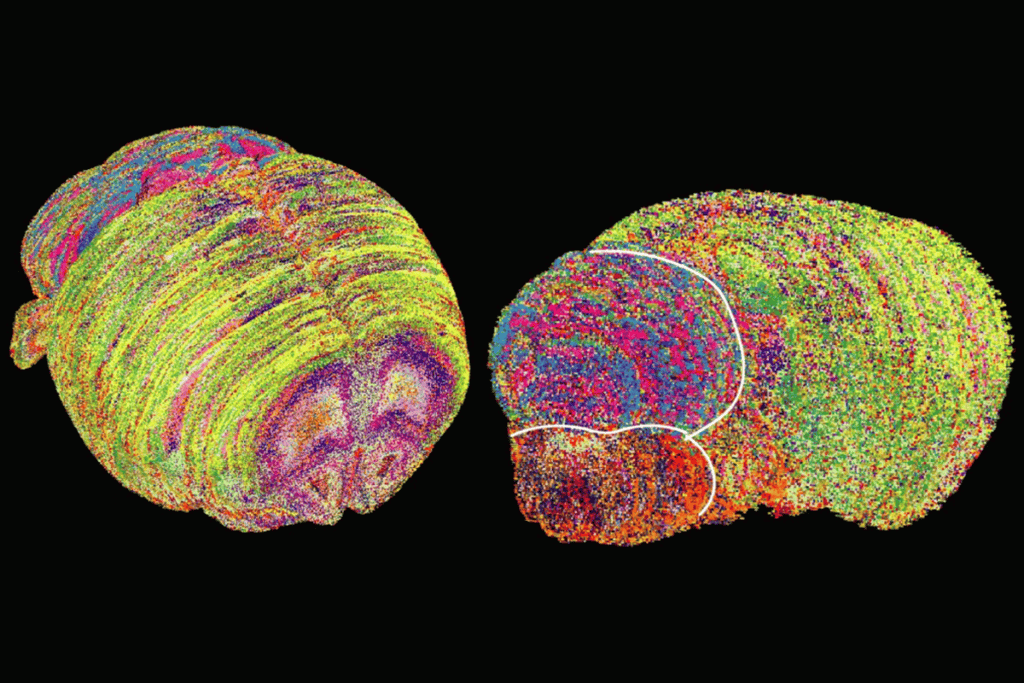
Lipids enter brain mapping limelight
Two new studies, including the first whole-brain lipid atlas in mice, uncover unforeseen complexity and influence during pregnancy and aging.
Lipids enter brain mapping limelight
Two new studies, including the first whole-brain lipid atlas in mice, uncover unforeseen complexity and influence during pregnancy and aging.
Behavioral phenomics in zebrafish; and more
Here is a roundup of autism-related news and research spotted around the web for the week of 26 October.
Behavioral phenomics in zebrafish; and more
Here is a roundup of autism-related news and research spotted around the web for the week of 26 October.
Neuroscience gave AI its start. What happens now?
David Sussillo maps the two fields' divergent paths, and where they might still meet.
Neuroscience gave AI its start. What happens now?
David Sussillo maps the two fields' divergent paths, and where they might still meet.