Data visualizations
Recent articles

Co-occurring conditions in autistic teens increase with age
The most prevalent conditions include obesity, neurological disorders, anxiety and attention-deficit/hyperactivity disorder.
Co-occurring conditions in autistic teens increase with age
The most prevalent conditions include obesity, neurological disorders, anxiety and attention-deficit/hyperactivity disorder.

Children with autism and ADHD often have additional mental health conditions
The dual diagnosis frequently co-occurs with anxiety, depression and developmental and language delays.
Children with autism and ADHD often have additional mental health conditions
The dual diagnosis frequently co-occurs with anxiety, depression and developmental and language delays.
Spectrum Index: Self-harm hospitalizations, everolimus flops in phase 2 trial
This month’s newsletter also highlights deflated autism prevalence estimates from Shanghai, China.
Spectrum Index: Self-harm hospitalizations, everolimus flops in phase 2 trial
This month’s newsletter also highlights deflated autism prevalence estimates from Shanghai, China.
By the Numbers: Suspensions, unemployment, health checks
This edition plots school suspensions and the unemployment gap for autistic people, and charts outcomes for those who attend regular health checks.
By the Numbers: Suspensions, unemployment, health checks
This edition plots school suspensions and the unemployment gap for autistic people, and charts outcomes for those who attend regular health checks.
Spectrum Index: Dip in autism screening, null cancer risk, therapist surge
This month’s newsletter looks at a decline in well-child visits during the coronavirus pandemic, the autism-cancer connection and the sizeable fraction of autistic children who live in poverty.
Spectrum Index: Dip in autism screening, null cancer risk, therapist surge
This month’s newsletter looks at a decline in well-child visits during the coronavirus pandemic, the autism-cancer connection and the sizeable fraction of autistic children who live in poverty.

Access to Medicaid waivers varies with race, age, region
Black and Hispanic people with autism in North Carolina are 15 and 37 percent less likely, respectively, to receive a Medicaid waiver than their white counterparts are.
Access to Medicaid waivers varies with race, age, region
Black and Hispanic people with autism in North Carolina are 15 and 37 percent less likely, respectively, to receive a Medicaid waiver than their white counterparts are.
By the Numbers: Services cliff, hospital costs, co-occurring ADHD
This edition of By the Numbers maps where the autism services cliff is steepest, plots hospital costs for autistic youth and charts the overlap of ADHD and autism.
By the Numbers: Services cliff, hospital costs, co-occurring ADHD
This edition of By the Numbers maps where the autism services cliff is steepest, plots hospital costs for autistic youth and charts the overlap of ADHD and autism.
Spectrum Index: Rare genetic diagnoses, obesity odds, violence against children
This month’s newsletter looks at the minority of autistic people who have an identifiable genetic cause for their condition, and at the fraction of autistic children who are obese.
Spectrum Index: Rare genetic diagnoses, obesity odds, violence against children
This month’s newsletter looks at the minority of autistic people who have an identifiable genetic cause for their condition, and at the fraction of autistic children who are obese.
By the Numbers: Mental health diagnoses, melatonin-tied polypharmacy, journal gender gap
This edition of By the Numbers plots the rising rates of mental health conditions over the past 50 years, prescribing patterns in New Zealand and the gender gap among neuroscience journal editors.
By the Numbers: Mental health diagnoses, melatonin-tied polypharmacy, journal gender gap
This edition of By the Numbers plots the rising rates of mental health conditions over the past 50 years, prescribing patterns in New Zealand and the gender gap among neuroscience journal editors.

Health-care barriers prevent many autistic people from seeking medical treatment
In an online survey, autistic people reported that they often have trouble using the telephone to make medical appointments and experience sensory overload in waiting rooms, among other health care barriers.
Health-care barriers prevent many autistic people from seeking medical treatment
In an online survey, autistic people reported that they often have trouble using the telephone to make medical appointments and experience sensory overload in waiting rooms, among other health care barriers.
Explore more from The Transmitter
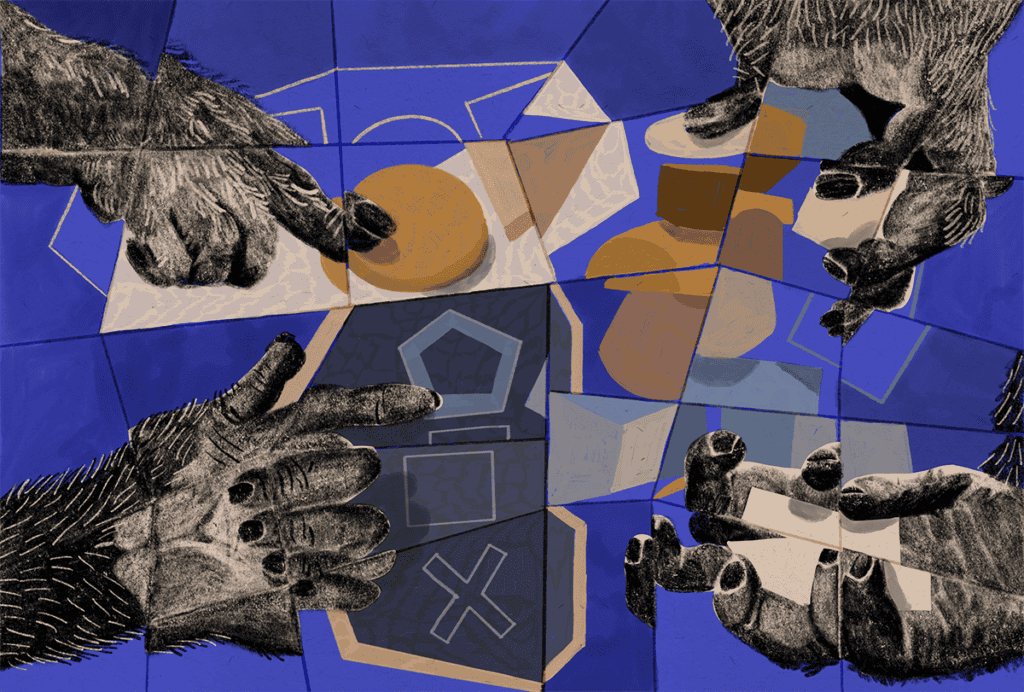
The neuroscience questions that need nonhuman primates
The Transmitter asked 17 neuroscientists what questions might remain unanswered if support for nonhuman primate research continues to decline.
The neuroscience questions that need nonhuman primates
The Transmitter asked 17 neuroscientists what questions might remain unanswered if support for nonhuman primate research continues to decline.
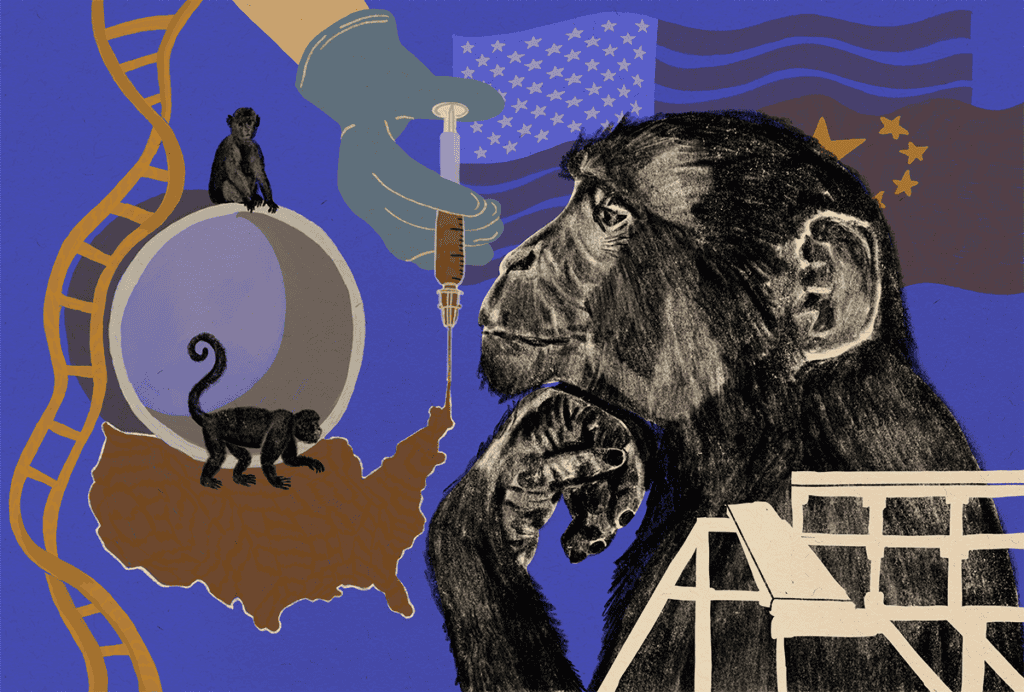
U.S. national primate research centers face an uncertain future
The facilities were meant to last 100 years. Four decades shy of that mark, amid flatlined funds and mounting political pressure, their directors are trying to find a path forward.
U.S. national primate research centers face an uncertain future
The facilities were meant to last 100 years. Four decades shy of that mark, amid flatlined funds and mounting political pressure, their directors are trying to find a path forward.
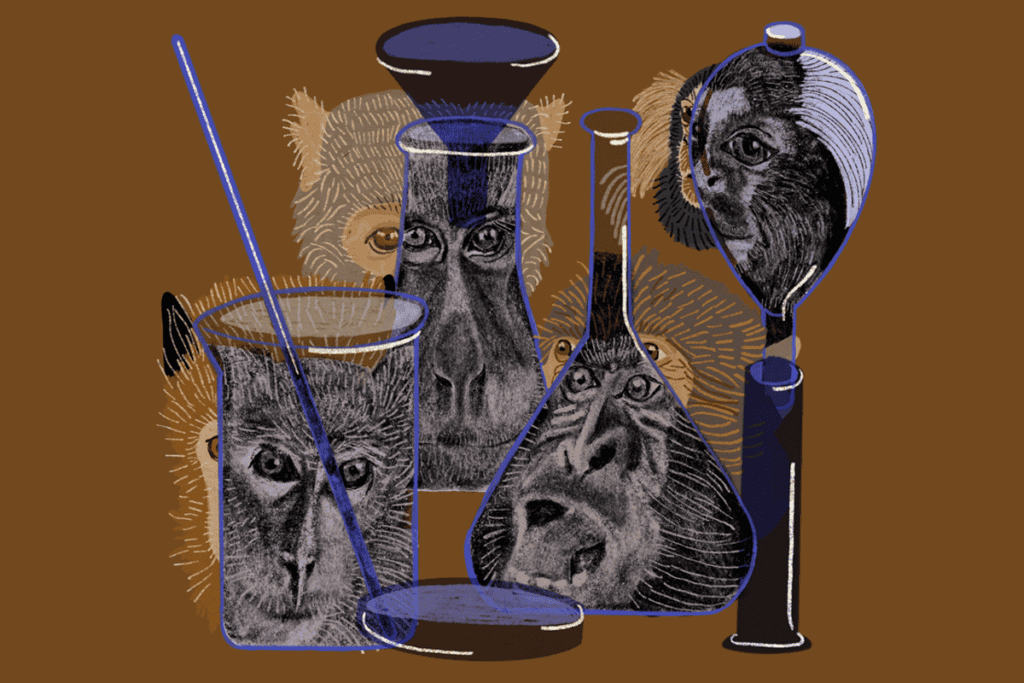
What if nonhuman primate research goes away?
As the U.S. government takes steps to stop using nonhuman primates in research, The Transmitter investigates what that shift could mean for neuroscience.
What if nonhuman primate research goes away?
As the U.S. government takes steps to stop using nonhuman primates in research, The Transmitter investigates what that shift could mean for neuroscience.