Participatory research
Recent articles
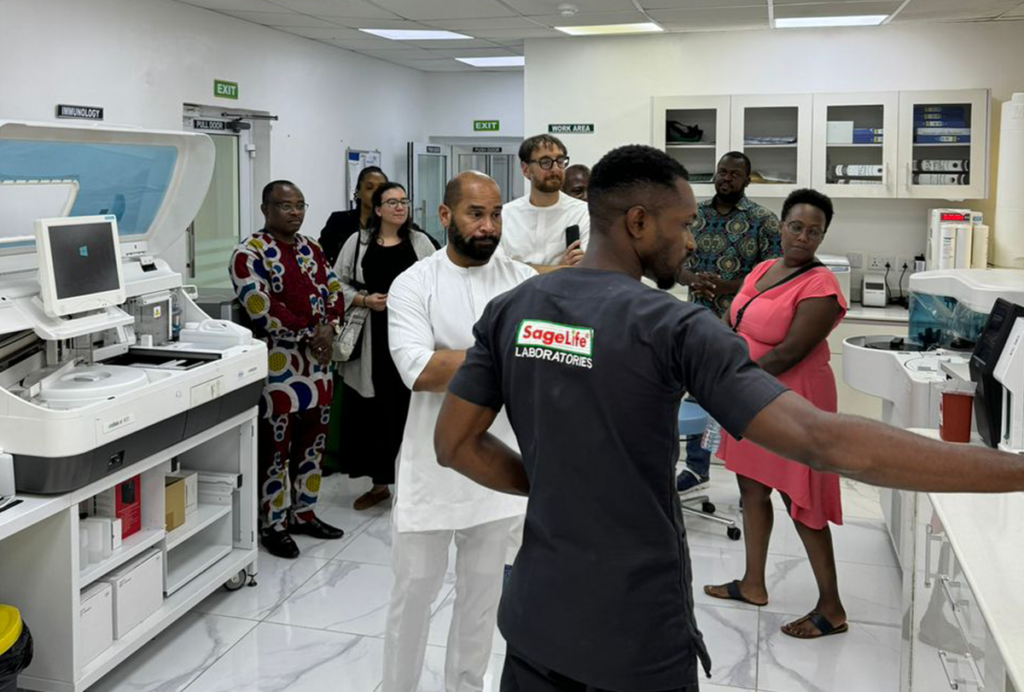
Sharing Africa’s brain data: Q&A with Amadi Ihunwo
These data are “virtually mandatory” to advance neuroscience, says Ihunwo, a co-investigator of the Brain Research International Data Governance & Exchange (BRIDGE) initiative, which seeks to develop a global framework for sharing, using and protecting neuroscience data.
Sharing Africa’s brain data: Q&A with Amadi Ihunwo
These data are “virtually mandatory” to advance neuroscience, says Ihunwo, a co-investigator of the Brain Research International Data Governance & Exchange (BRIDGE) initiative, which seeks to develop a global framework for sharing, using and protecting neuroscience data.

What birds can teach us about the ‘biological truth’ of sex
Part of our job as educators is to give students a deeper understanding of the true diversity of sex and gender in the natural world.
What birds can teach us about the ‘biological truth’ of sex
Part of our job as educators is to give students a deeper understanding of the true diversity of sex and gender in the natural world.

Weaponized heterogeneity only harms the most vulnerable autistic people
Focusing on aspects of autistic experience that we all share may lead more quickly to our shared goal of improved outcomes for all autistic people.
Weaponized heterogeneity only harms the most vulnerable autistic people
Focusing on aspects of autistic experience that we all share may lead more quickly to our shared goal of improved outcomes for all autistic people.

How geneticists can gain greater buy-in from the autistic community
My recommendations aim to foster a collaborative relationship between researchers and the Autistic community, resulting in an increase in the availability of genetic data.
How geneticists can gain greater buy-in from the autistic community
My recommendations aim to foster a collaborative relationship between researchers and the Autistic community, resulting in an increase in the availability of genetic data.
Explore more from The Transmitter
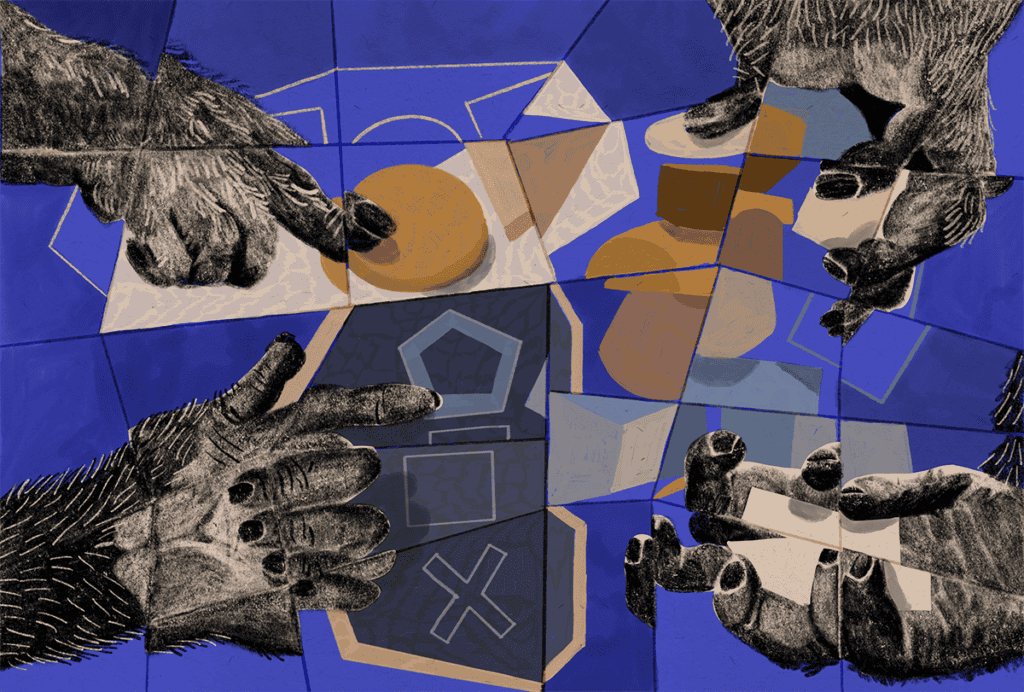
The neuroscience questions that need nonhuman primates
The Transmitter asked 17 neuroscientists what questions might remain unanswered if support for nonhuman primate research continues to decline.
The neuroscience questions that need nonhuman primates
The Transmitter asked 17 neuroscientists what questions might remain unanswered if support for nonhuman primate research continues to decline.
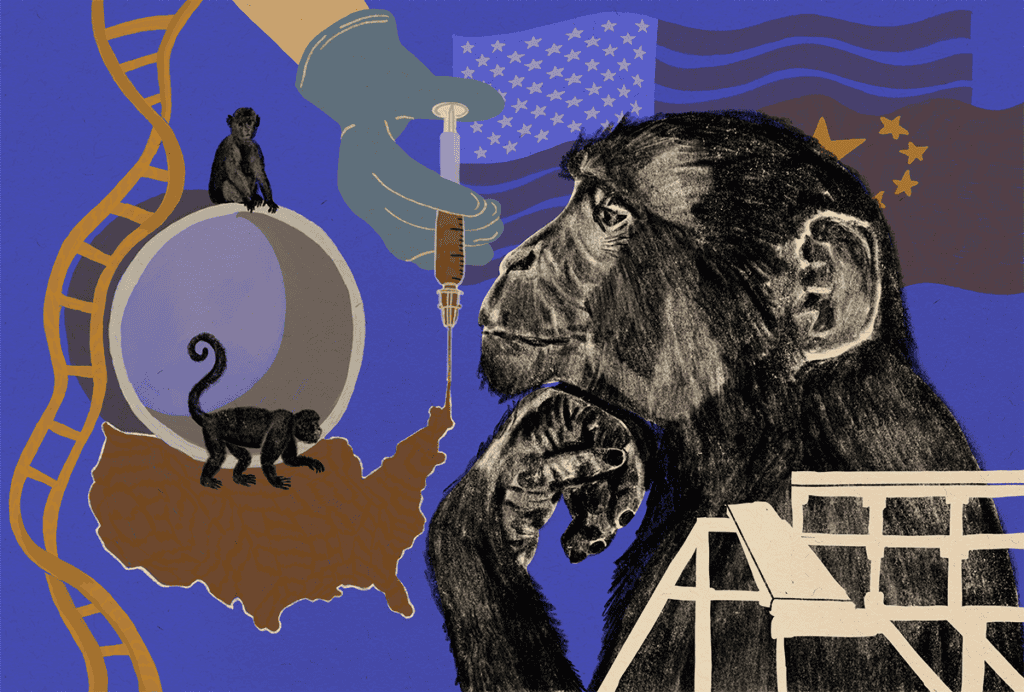
U.S. national primate research centers face an uncertain future
The facilities were meant to last 100 years. Four decades shy of that mark, amid flatlined funds and mounting political pressure, their directors are trying to find a path forward.
U.S. national primate research centers face an uncertain future
The facilities were meant to last 100 years. Four decades shy of that mark, amid flatlined funds and mounting political pressure, their directors are trying to find a path forward.
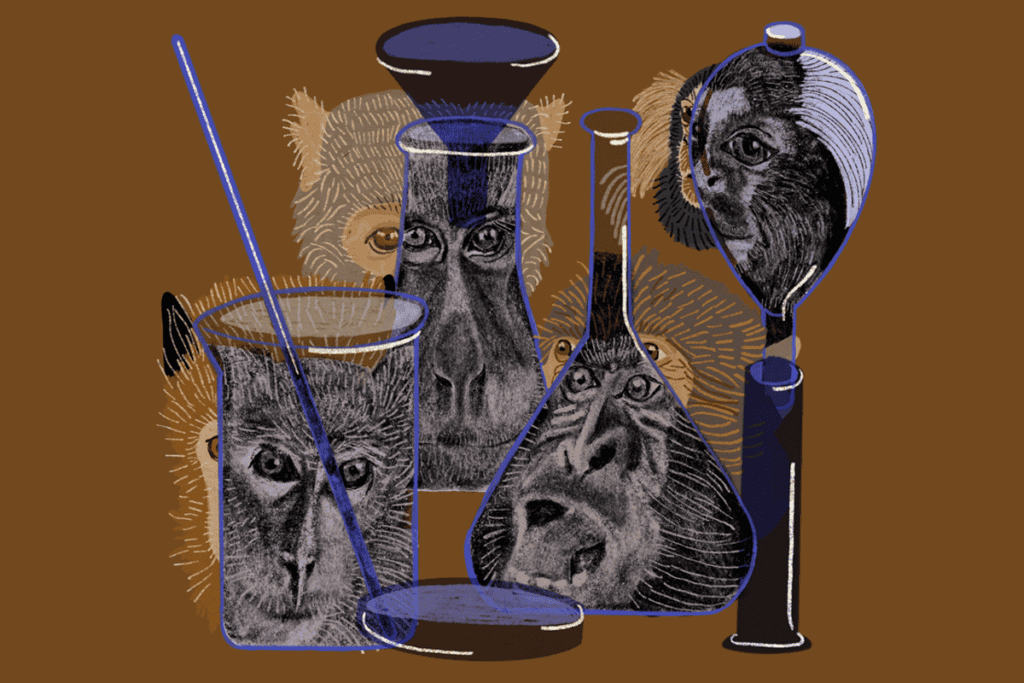
What if nonhuman primate research goes away?
As the U.S. government takes steps to stop using nonhuman primates in research, The Transmitter investigates what that shift could mean for neuroscience.
What if nonhuman primate research goes away?
As the U.S. government takes steps to stop using nonhuman primates in research, The Transmitter investigates what that shift could mean for neuroscience.