Prefrontal cortex
Recent articles
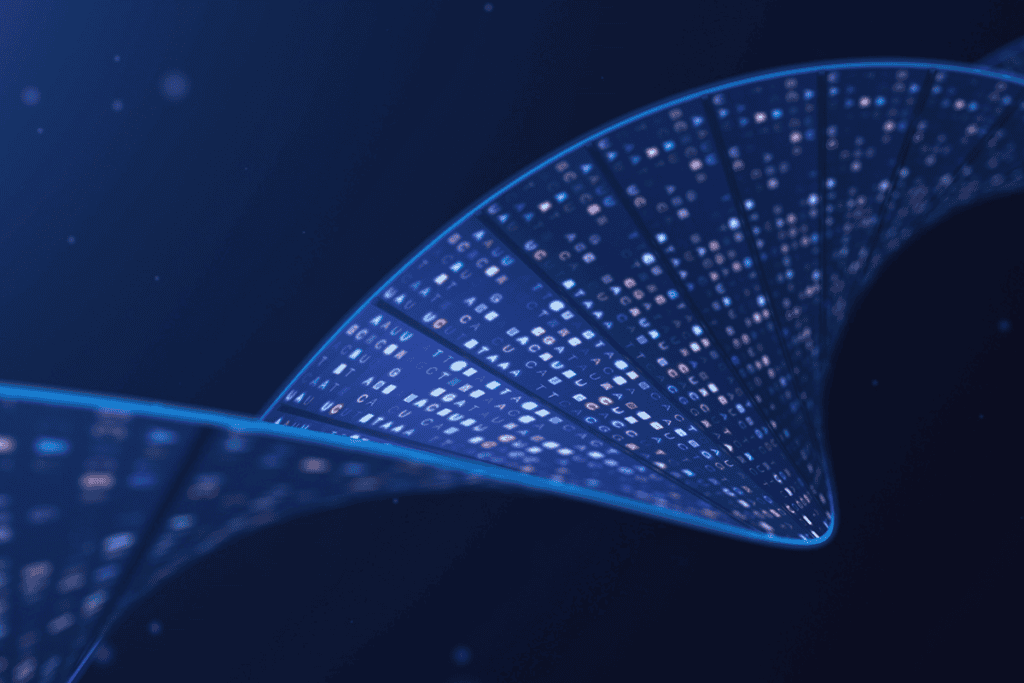
Autism-linked variants converge on two molecular patterns in mouse brains
Gene activity across 17 autism mouse models occurs in either of two opposing transcriptomic states, supporting the idea that diverse genetic changes may converge on a few recurring biological patterns.
Autism-linked variants converge on two molecular patterns in mouse brains
Gene activity across 17 autism mouse models occurs in either of two opposing transcriptomic states, supporting the idea that diverse genetic changes may converge on a few recurring biological patterns.
Cortical area remixes macaques’ knowledge blocks to solve new problems
When monkeys draw complex shapes, their neural activity reflects patterns of activation elicited by drawing simpler, component shapes.
Cortical area remixes macaques’ knowledge blocks to solve new problems
When monkeys draw complex shapes, their neural activity reflects patterns of activation elicited by drawing simpler, component shapes.
Alison Preston explains how our brains form mental frameworks for interpreting the world
Preston discusses her research examining differences in how children, teenagers and adults integrate new information into their memories.
Alison Preston explains how our brains form mental frameworks for interpreting the world
Preston discusses her research examining differences in how children, teenagers and adults integrate new information into their memories.
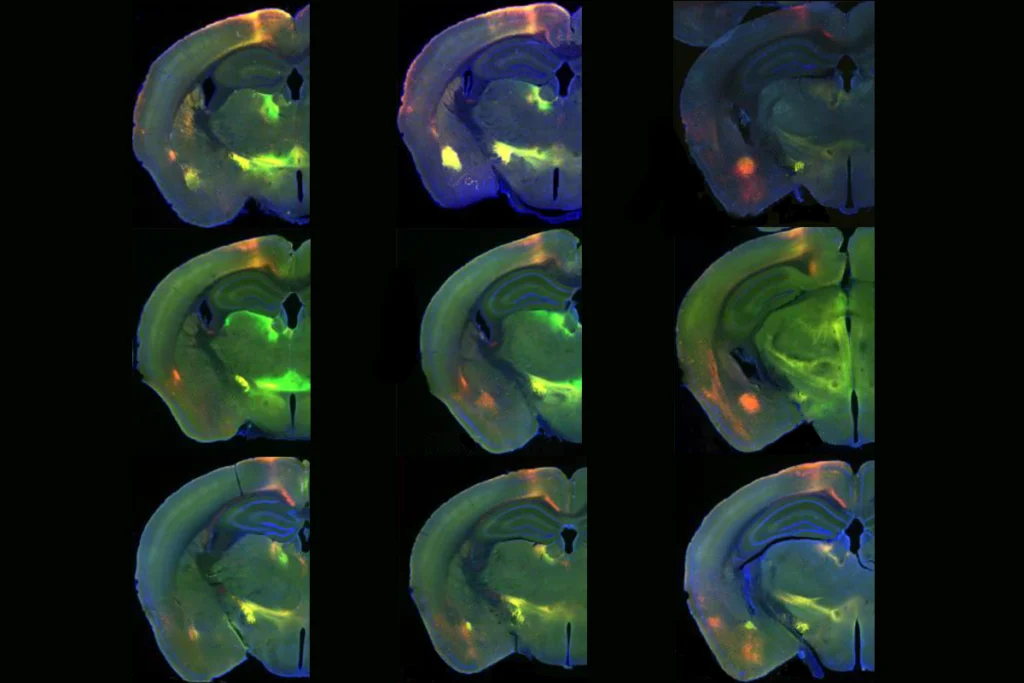
Newfound gene network controls long-range connections between emotional, cognitive brain areas
The finding could help unravel gene regulatory networks and explain how genetic and environmental factors interact in neurodevelopmental conditions.
Newfound gene network controls long-range connections between emotional, cognitive brain areas
The finding could help unravel gene regulatory networks and explain how genetic and environmental factors interact in neurodevelopmental conditions.
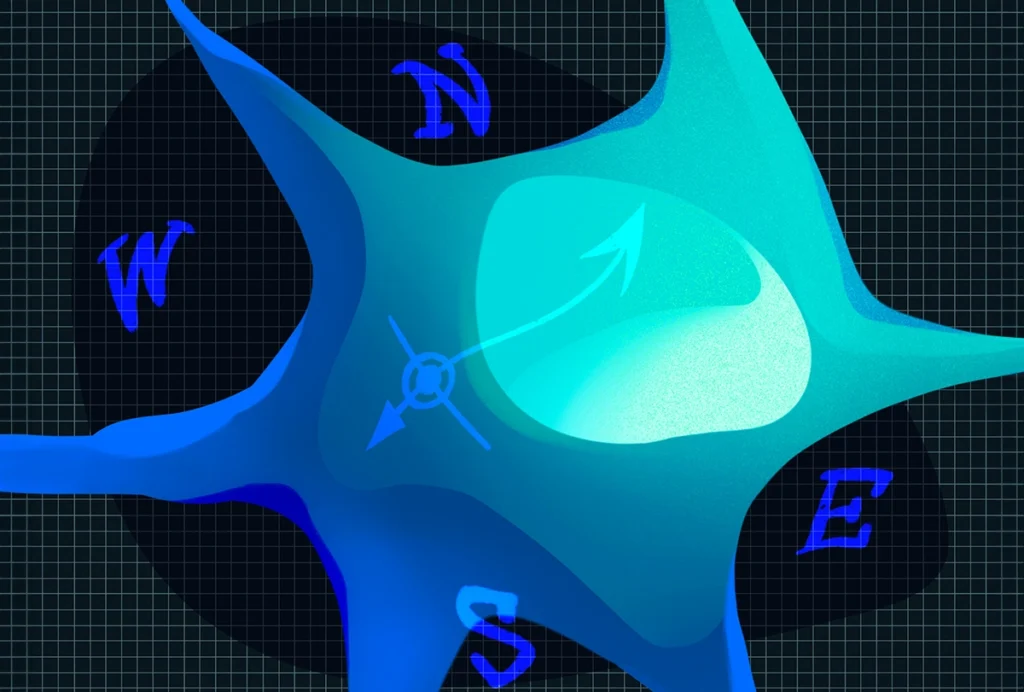
Neurons’ spikes may convey their whereabouts
The time lag between spurts of activity holds anatomical information, according to a preprint.
Neurons’ spikes may convey their whereabouts
The time lag between spurts of activity holds anatomical information, according to a preprint.
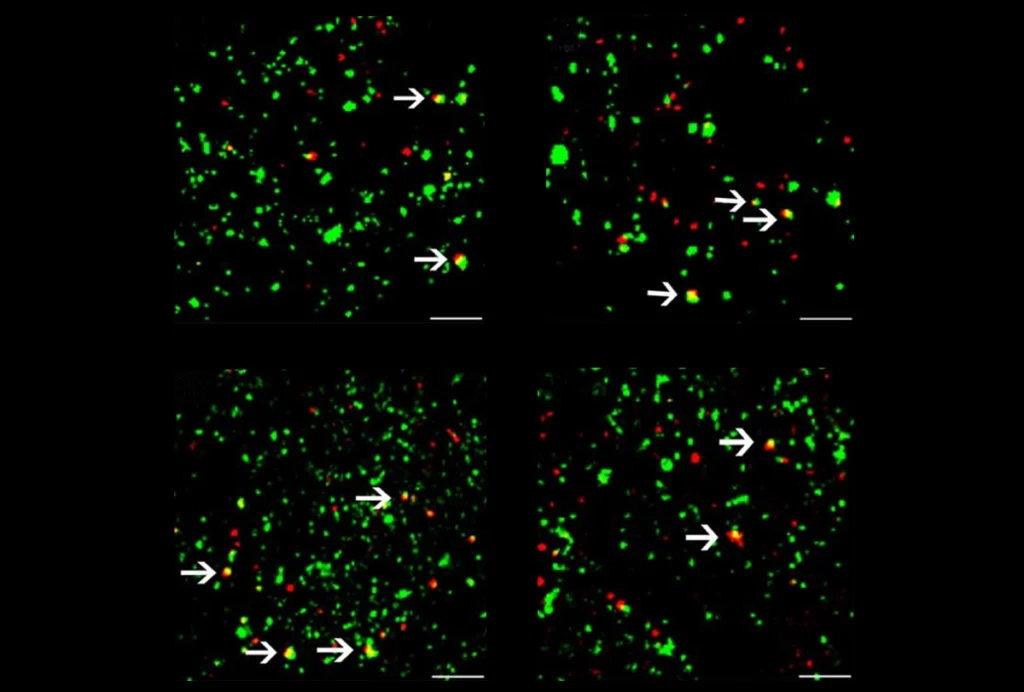
Synaptic anomalies in autistic people support imbalance hypothesis
Increased excitatory and decreased inhibitory synapses in the prefrontal cortex of autistic people suggest broader impacts on brain function and connectivity.
Synaptic anomalies in autistic people support imbalance hypothesis
Increased excitatory and decreased inhibitory synapses in the prefrontal cortex of autistic people suggest broader impacts on brain function and connectivity.
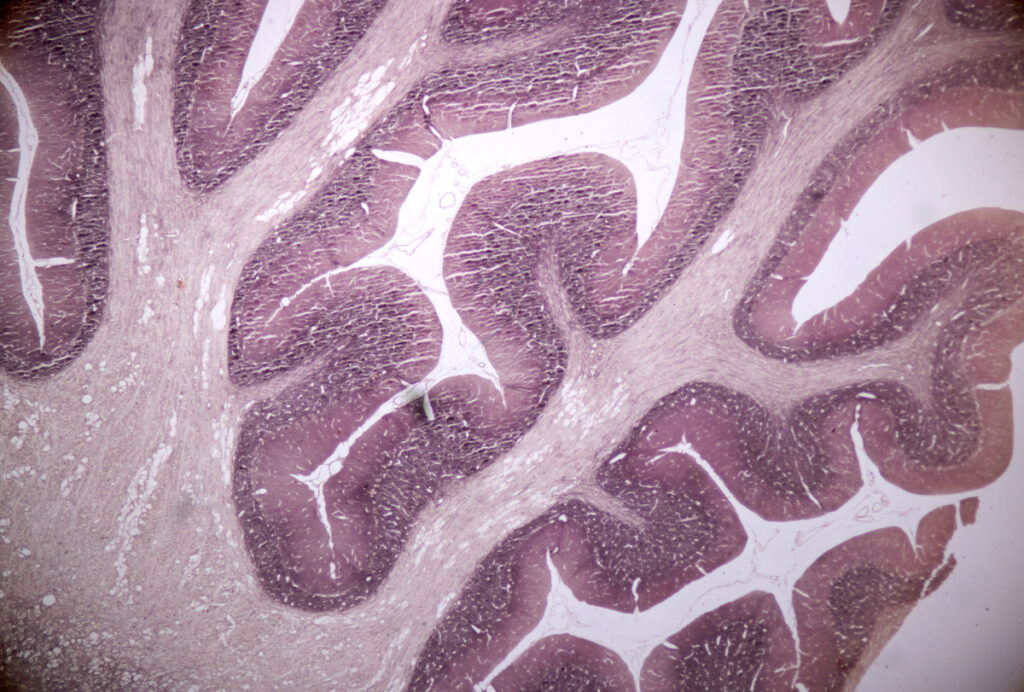
Preprint questions validity of postmortem brain studies
But the alternatives, including living-brain biopsies, raise logistical and ethical questions, experts say.
Preprint questions validity of postmortem brain studies
But the alternatives, including living-brain biopsies, raise logistical and ethical questions, experts say.
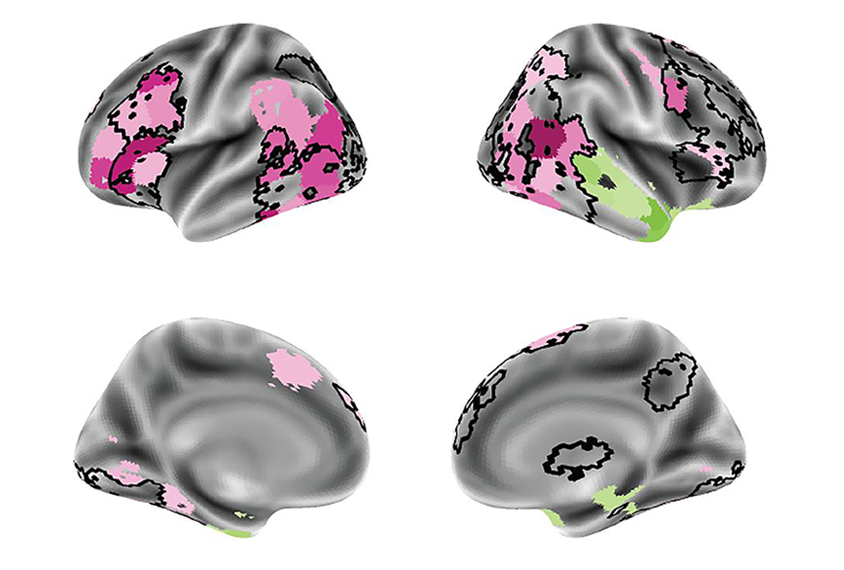
People’s perceptions of ‘social’ animations don’t always square with researchers’ labels
The finding calls into question differences between autistic and non-autistic people on a decades-old theory-of-mind test involving interacting geometric shapes.
People’s perceptions of ‘social’ animations don’t always square with researchers’ labels
The finding calls into question differences between autistic and non-autistic people on a decades-old theory-of-mind test involving interacting geometric shapes.
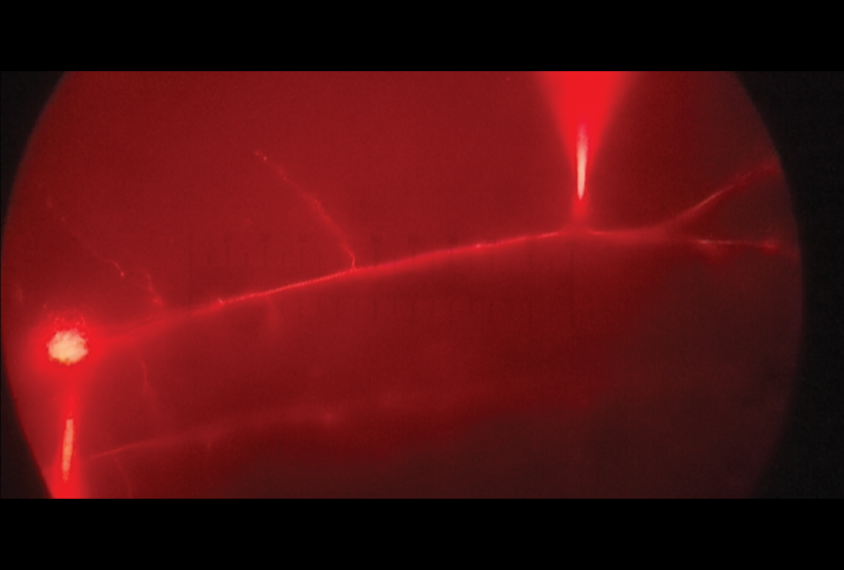
Neurons struggle to spike without fragile X gene
FMR1 loss impairs sodium channels, hindering mouse neurons from generating the electrical signals needed to transmit information.
Neurons struggle to spike without fragile X gene
FMR1 loss impairs sodium channels, hindering mouse neurons from generating the electrical signals needed to transmit information.
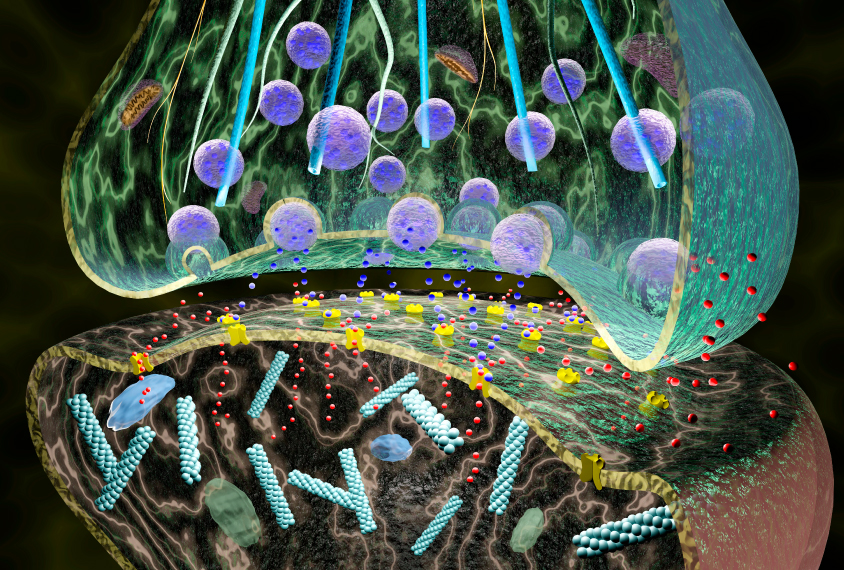
Multi-omics study captures CNTNAP2’s far-ranging effects
The in-depth approach shows mutations in the autism-linked gene disrupt neuronal growth and communication, as well as mitochondrial gene expression.
Multi-omics study captures CNTNAP2’s far-ranging effects
The in-depth approach shows mutations in the autism-linked gene disrupt neuronal growth and communication, as well as mitochondrial gene expression.
Explore more from The Transmitter
Is it time for neuroscience to shift its focus from a computational mind to a navigating mind?
Andrea Hiott explains her navigational approach to the mind, and why now is the time to embrace seemingly paradoxical findings in neuroscience.
Is it time for neuroscience to shift its focus from a computational mind to a navigating mind?
Andrea Hiott explains her navigational approach to the mind, and why now is the time to embrace seemingly paradoxical findings in neuroscience.
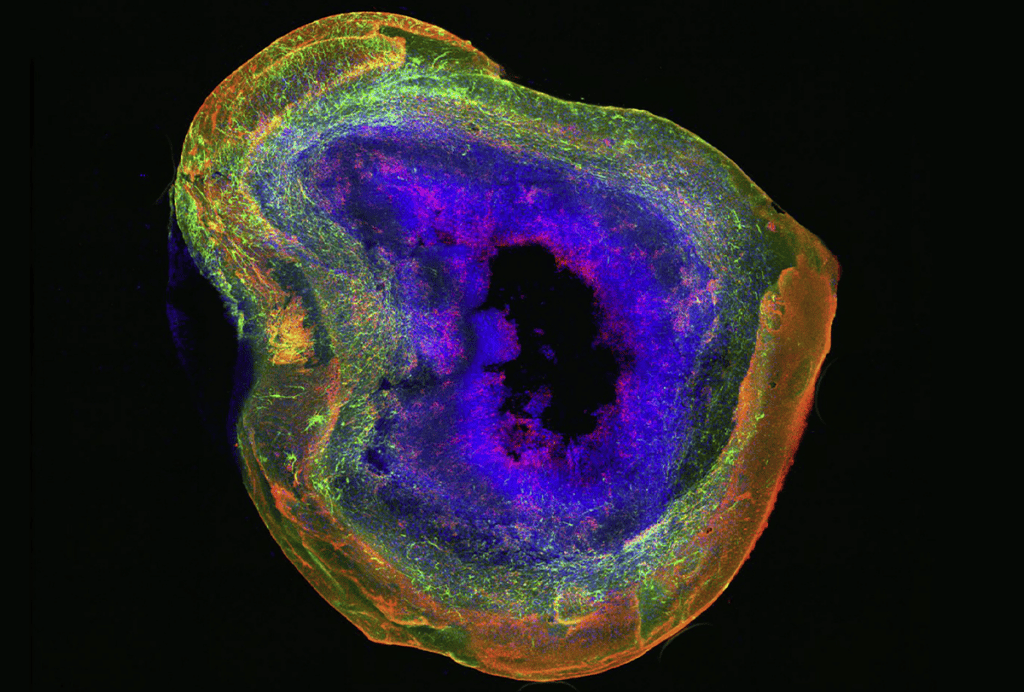
Human brain organoids come of age—but still have room to grow
The U.S. government has touted organoids as an alternative to animals for studying the brain. The model has improved since its debut in 2013, but scientists are still working to overcome key limitations: immaturity, consistency and the lack of vascularization.
Finding neuroheterogeneity’s sweet spot
Once thought to be detrimental to memory processing, neuronal diversity—at the right ‘Goldilocks’ dose—is a new boon to theoretical neuroscience.
Finding neuroheterogeneity’s sweet spot
Once thought to be detrimental to memory processing, neuronal diversity—at the right ‘Goldilocks’ dose—is a new boon to theoretical neuroscience.