Add us as a Preferred Source on Google

In-vivo base editing in a mouse model of autism, and more

Here is a roundup of autism-related news and research spotted around the web for the week of 23 February.

Editor’s note

24 July 2026: A 6-year-old patient treated with the CHD3 base-editing therapy described below died last year of a severe immune reaction to the treatment, according to a news article by Science and Retraction Watch published 23 July 2026. The team behind the therapy “overlooked safety signals” in the animal studies they published earlier this year in Nature, “and proceeded even though success was unlikely,” according to the article.
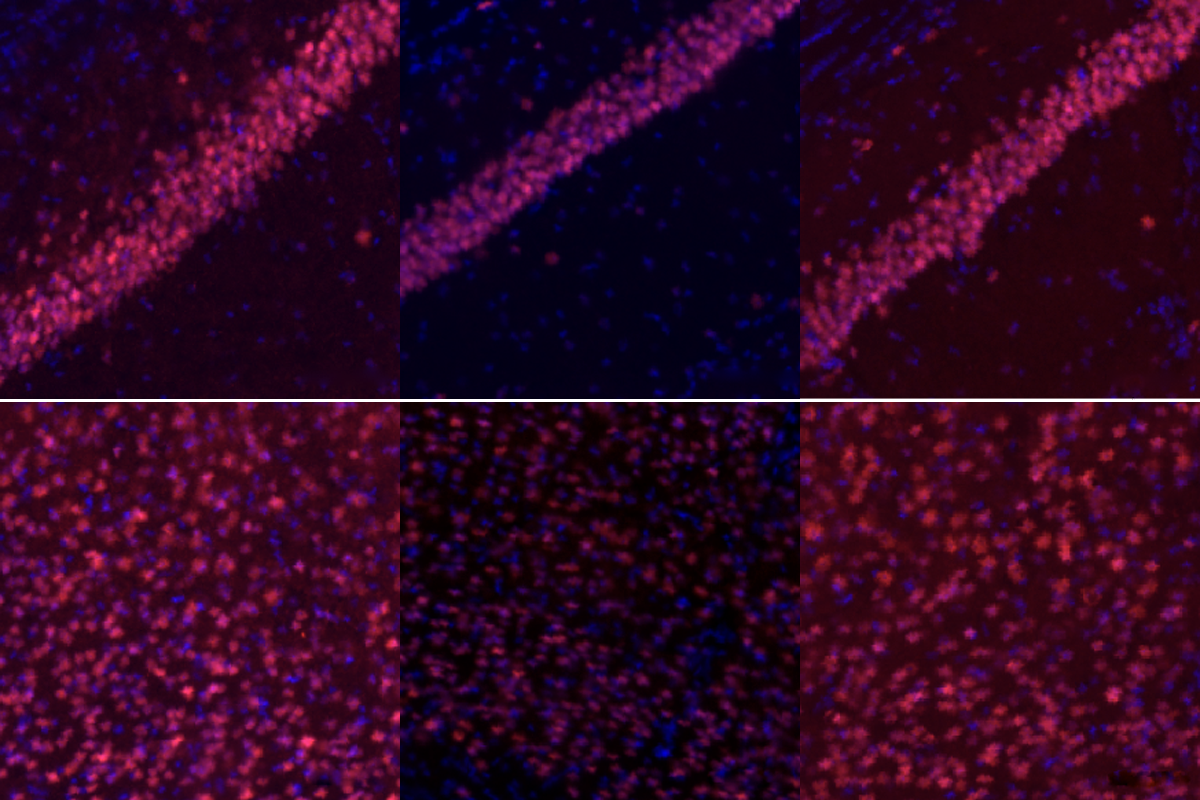
Gene fix: In-vivo base editing can mitigate autism-like effects in mice carrying a variant of the CHD3 gene, according to a new paper. The variant, found in people with Snijders Blok-Campeau syndrome, causes altered sociability, cognition and motor coordination in mice. A TadA-embedded adenine base editor, delivered brain-wide via an adeno-associated virus, restored CHD3 protein levels and ameliorated the behavioral effects. The findings, the researchers write, “demonstrate that precise single-base correction in the postnatal brain can restore protein dosage and function, thereby offering a framework for the treatment of monogenic neurodevelopmental disorders.”

Research image of CHD3 protein levels in mice brains.
Replacement parts: Mice carrying a CHD3 variant have lower CHD3 protein levels (middle panels) than wildtype mice (left panels) in two brain regions (hippocampus, top row; somatosensory cortex, bottom). In-vivo base editing restores the protein (right panels).

Autism research spotted this week: 

  • “Characterizing features of the genetic architecture underlying autism from a multi-ancestry perspective” medRxiv 
  • “Up-regulation of Minibrain/DYRK1A contributes to macrocephaly and brain overgrowth in a Drosophila model of fragile X syndrome” Proceedings of the National Academy of Sciences
  • “Genome-wide significance reconsidered: Low-frequency variants and regulatory networks in autism” medRxiv
  • “Deficiency of the histone lysine demethylase KDM5B causes autism-like phenotypes via increased NMDAR signalling” bioRxiv

Sign up for the weekly Spectrum newsletter.

Stay current with the latest advancements in autism research.