Spinal cord injury
Recent articles

Exclusive: Brain and spinal cord institute halts research, citing funding problems
The Burke Neurological Institute, which calls itself “the only research institute in the U.S. dedicated to finding treatments to repair the brain and spinal cord,” ceased research operations on 22 May.
Exclusive: Brain and spinal cord institute halts research, citing funding problems
The Burke Neurological Institute, which calls itself “the only research institute in the U.S. dedicated to finding treatments to repair the brain and spinal cord,” ceased research operations on 22 May.
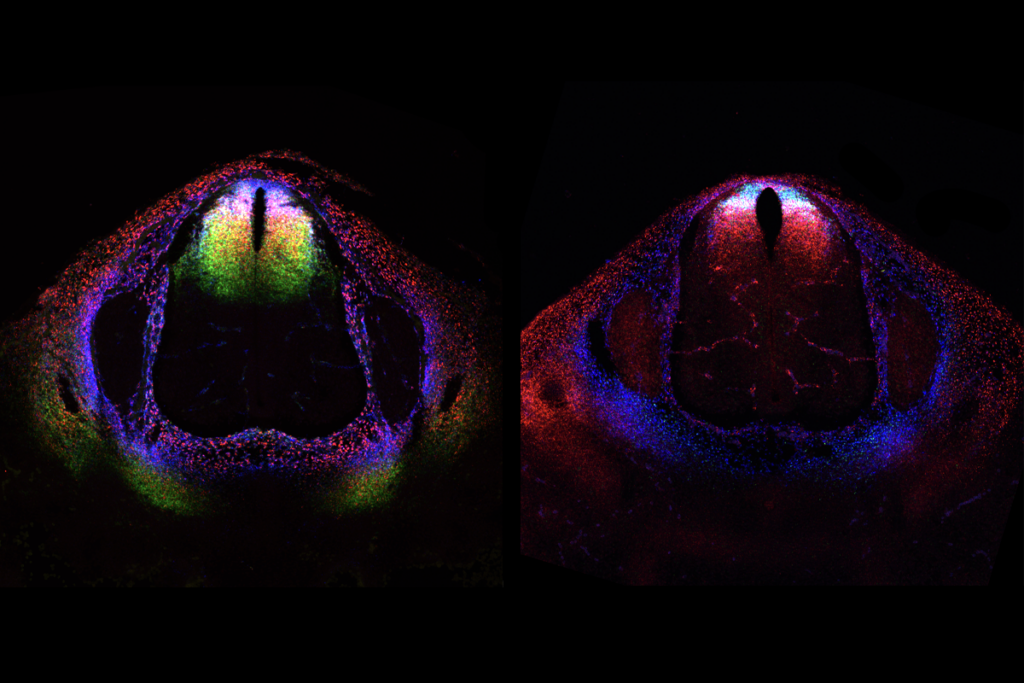
Cell atlas cracks open ‘black box’ of mammalian spinal cord development
The atlas details the genetics, birth dates and gene-expression signatures of roughly 150 neuron subtypes in the dorsal horn of the mouse spinal cord.
Cell atlas cracks open ‘black box’ of mammalian spinal cord development
The atlas details the genetics, birth dates and gene-expression signatures of roughly 150 neuron subtypes in the dorsal horn of the mouse spinal cord.

New questions around motor neurons and plasticity
A researcher’s theory hangs muscle degeneration on a broken neural circuit.
New questions around motor neurons and plasticity
A researcher’s theory hangs muscle degeneration on a broken neural circuit.
Pooling data points to new potential treatment for spinal cord injury
By gathering raw data from multiple labs, we identified an overlooked predictor of recovery after spinal cord injury. Many more insights remain trapped in scattered data.
Pooling data points to new potential treatment for spinal cord injury
By gathering raw data from multiple labs, we identified an overlooked predictor of recovery after spinal cord injury. Many more insights remain trapped in scattered data.
Explore more from The Transmitter
U.S. national primate research centers face an uncertain future
The facilities were meant to last 100 years. Four decades shy of that mark, amid flatlined funds and mounting political pressure, their directors are trying to find a path forward.
U.S. national primate research centers face an uncertain future
The facilities were meant to last 100 years. Four decades shy of that mark, amid flatlined funds and mounting political pressure, their directors are trying to find a path forward.
What if nonhuman primate research goes away?
As the U.S. government takes steps to stop using nonhuman primates in research, The Transmitter investigates what that shift could mean for neuroscience.
What if nonhuman primate research goes away?
As the U.S. government takes steps to stop using nonhuman primates in research, The Transmitter investigates what that shift could mean for neuroscience.
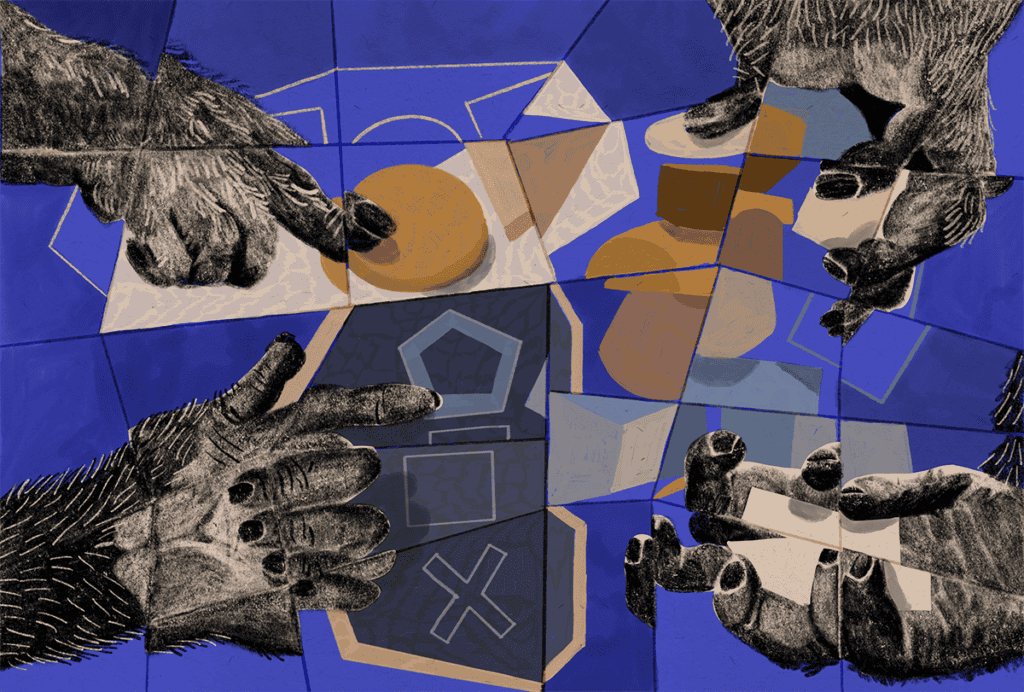
The neuroscience questions that need nonhuman primates
The Transmitter asked 17 neuroscientists what questions might remain unanswered if support for nonhuman primate research continues to decline.
The neuroscience questions that need nonhuman primates
The Transmitter asked 17 neuroscientists what questions might remain unanswered if support for nonhuman primate research continues to decline.