Appetite regulation
Recent articles
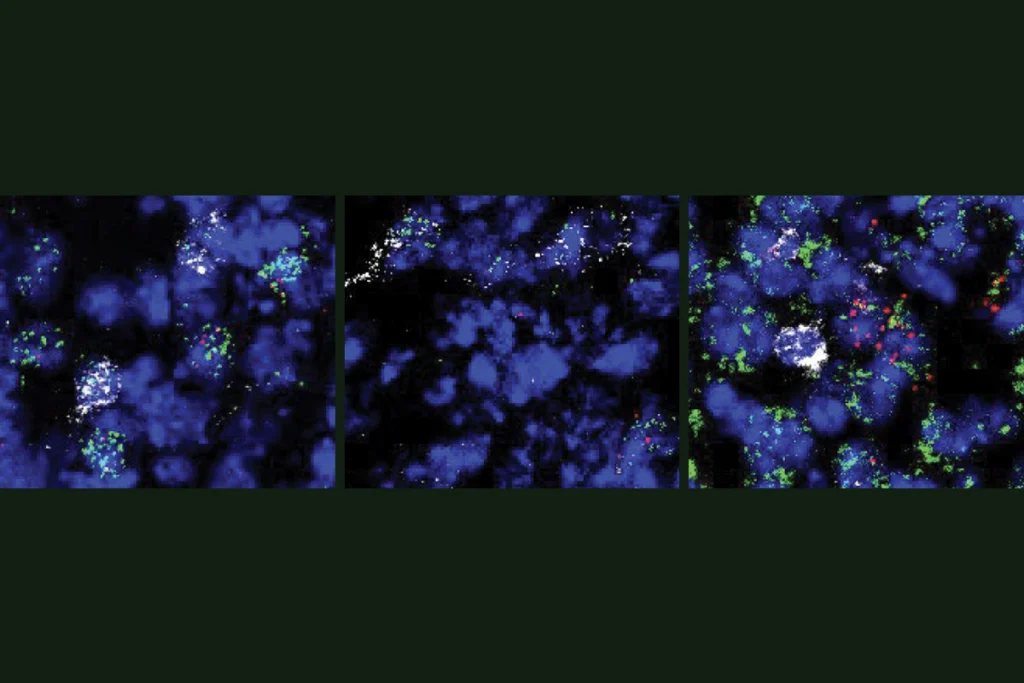
Novel neurons upend ‘yin-yang’ model of hunger, satiety in brain
The new type of leptin-sensitive cells curb hunger quickly—adding to an increasingly complex picture of brain circuits that control feeding behaviors.
Novel neurons upend ‘yin-yang’ model of hunger, satiety in brain
The new type of leptin-sensitive cells curb hunger quickly—adding to an increasingly complex picture of brain circuits that control feeding behaviors.
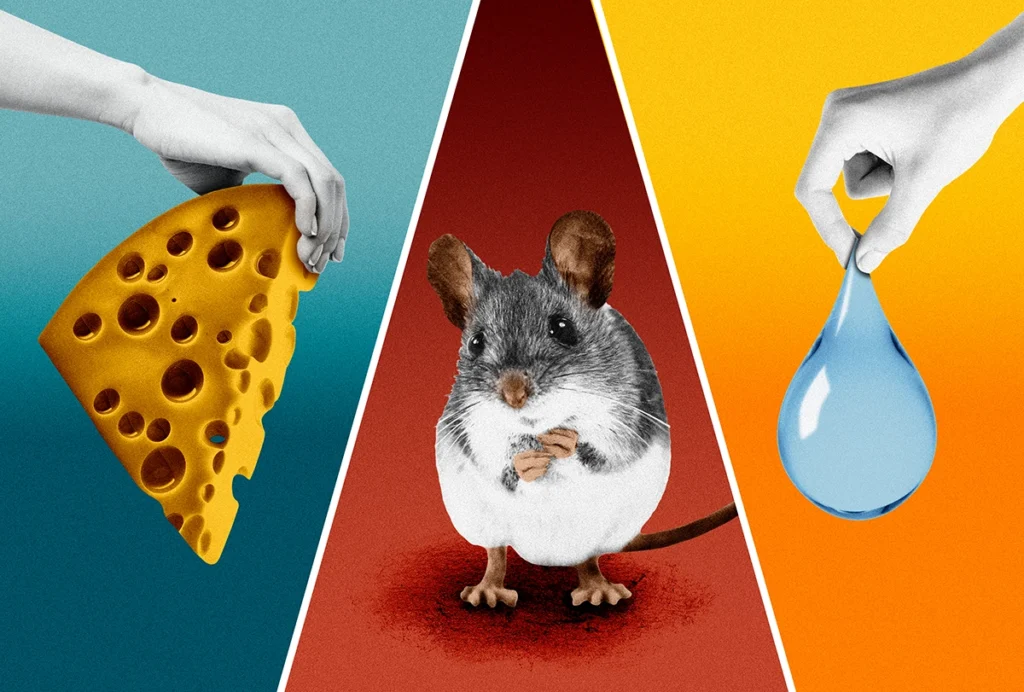
Should I stay (and eat) or should I go? How the brain balances hunger with competing drives
Understanding the interplay among rival signals, such as pain, thirst and fear, could provide insights into anxiety and other neuropsychiatric conditions.
Should I stay (and eat) or should I go? How the brain balances hunger with competing drives
Understanding the interplay among rival signals, such as pain, thirst and fear, could provide insights into anxiety and other neuropsychiatric conditions.
Explore more from The Transmitter
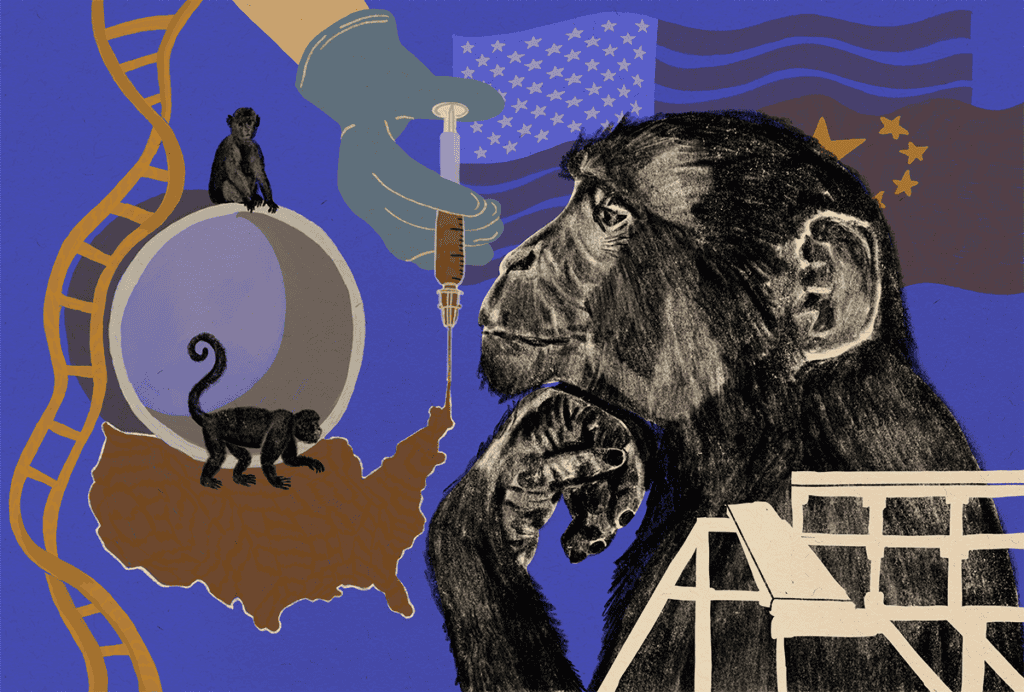
U.S. national primate research centers face an uncertain future
The facilities were meant to last 100 years. Four decades shy of that mark, amid flatlined funds and mounting political pressure, their directors are trying to find a path forward.
U.S. national primate research centers face an uncertain future
The facilities were meant to last 100 years. Four decades shy of that mark, amid flatlined funds and mounting political pressure, their directors are trying to find a path forward.
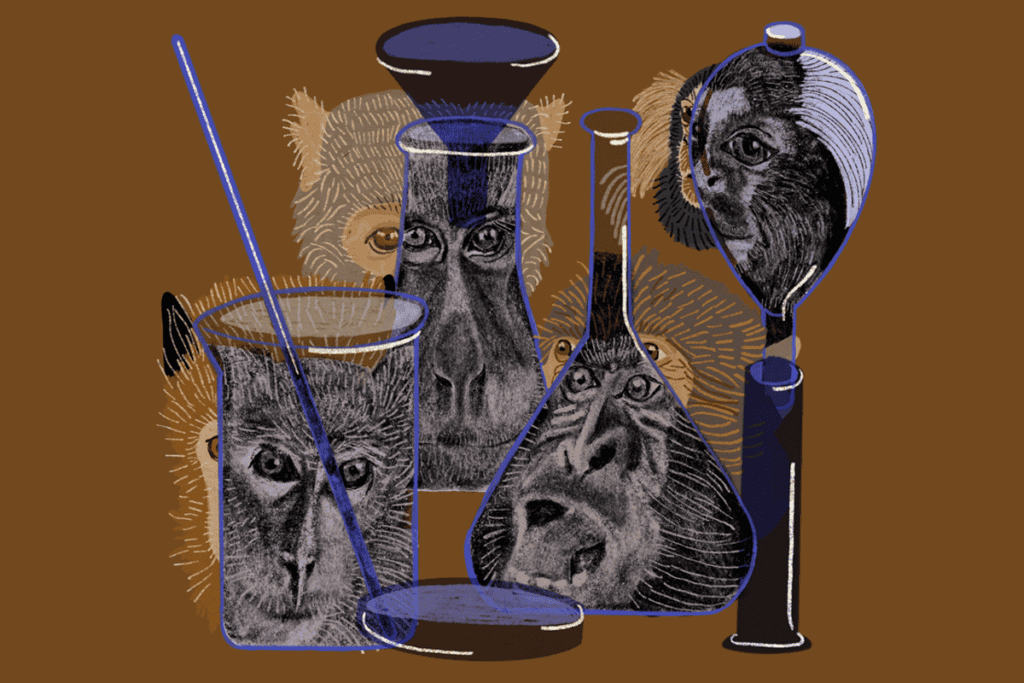
What if nonhuman primate research goes away?
As the U.S. government takes steps to stop using nonhuman primates in research, The Transmitter investigates what that shift could mean for neuroscience.
What if nonhuman primate research goes away?
As the U.S. government takes steps to stop using nonhuman primates in research, The Transmitter investigates what that shift could mean for neuroscience.
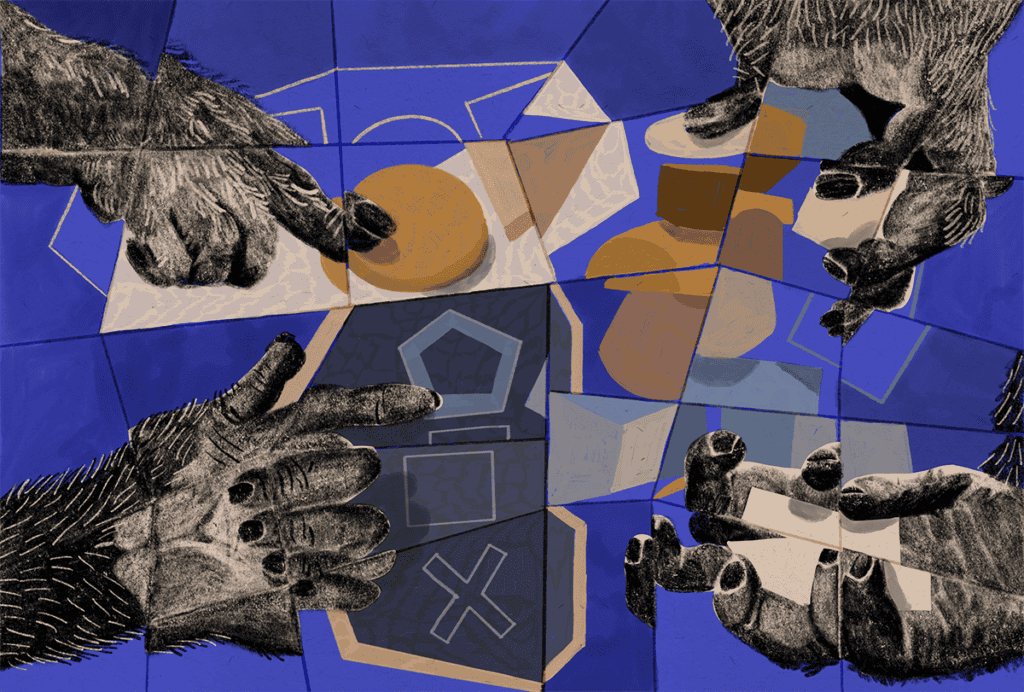
The neuroscience questions that need nonhuman primates
The Transmitter asked 17 neuroscientists what questions might remain unanswered if support for nonhuman primate research continues to decline.
The neuroscience questions that need nonhuman primates
The Transmitter asked 17 neuroscientists what questions might remain unanswered if support for nonhuman primate research continues to decline.