Outlook: Autism
Recent articles
Culture: Diverse diagnostics
The study of autism around the globe must account for a variety of behavioural norms in different societies.
Culture: Diverse diagnostics
The study of autism around the globe must account for a variety of behavioural norms in different societies.
Perspective: Imaging autism
Several studies in the past two years have claimed that brain scans can diagnose autism, but this assertion is deeply flawed, says Nicholas Lange.
Perspective: Imaging autism
Several studies in the past two years have claimed that brain scans can diagnose autism, but this assertion is deeply flawed, says Nicholas Lange.
Epidemiology: Complex disorder
Researchers are digging into the myriad causes of autism to refine its definition and find elusive biological signatures.
Epidemiology: Complex disorder
Researchers are digging into the myriad causes of autism to refine its definition and find elusive biological signatures.
Perspective: Brain scans need a rethink
Head movement can bias brain imaging results, undermining a leading theory on the cause of autism, say Ben Deen and Kevin Pelphrey.
Perspective: Brain scans need a rethink
Head movement can bias brain imaging results, undermining a leading theory on the cause of autism, say Ben Deen and Kevin Pelphrey.
Treatments: In the waiting room
After years of making do with drugs developed for other conditions, doctors and scientists are eagerly pursuing drugs that target the social symptoms of autism.
Treatments: In the waiting room
After years of making do with drugs developed for other conditions, doctors and scientists are eagerly pursuing drugs that target the social symptoms of autism.
Diagnosis: Redefining autism
Draft diagnostic guidelines are raising concerns that mild forms of the disorder may no longer be recognized.
Diagnosis: Redefining autism
Draft diagnostic guidelines are raising concerns that mild forms of the disorder may no longer be recognized.
Adulthood: Life lessons
We know little about autism past adolescence, but a well-studied generation of children with autism will change that.
Adulthood: Life lessons
We know little about autism past adolescence, but a well-studied generation of children with autism will change that.
Child development: The first steps
Because infants born into families with autism are more likely to develop the condition, studying them might lead to ways to diagnose people in the general population earlier.
Child development: The first steps
Because infants born into families with autism are more likely to develop the condition, studying them might lead to ways to diagnose people in the general population earlier.
Genetics: Searching for answers
Solving the riddle of autism genetics will require looking beyond the growing list of candidate genes to epigenetics and personalized medicine.
Genetics: Searching for answers
Solving the riddle of autism genetics will require looking beyond the growing list of candidate genes to epigenetics and personalized medicine.
Explore more from The Transmitter
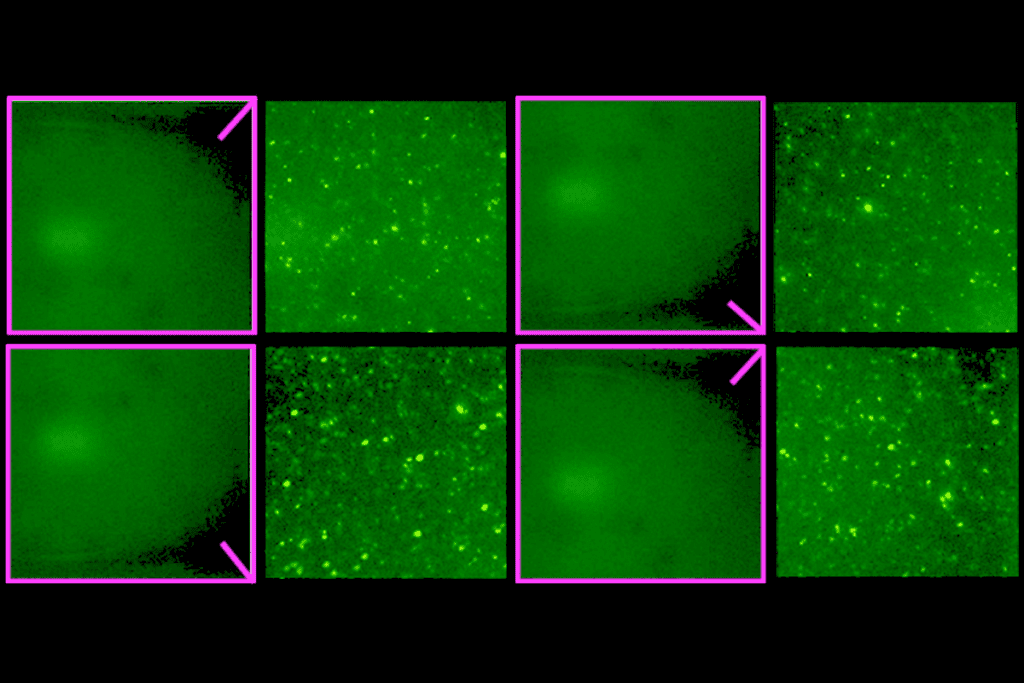
University probe leads to retraction of four neural tube studies
The University of Maryland conducted an internal investigation that identified image duplications and other data integrity issues in the studies, according to the retraction notices.
University probe leads to retraction of four neural tube studies
The University of Maryland conducted an internal investigation that identified image duplications and other data integrity issues in the studies, according to the retraction notices.

Highly cited autism paper earns expression of concern over data duplications
The notice, published in Nature last week, also addressed an image duplication identified by a prominent research-integrity sleuth.
Highly cited autism paper earns expression of concern over data duplications
The notice, published in Nature last week, also addressed an image duplication identified by a prominent research-integrity sleuth.
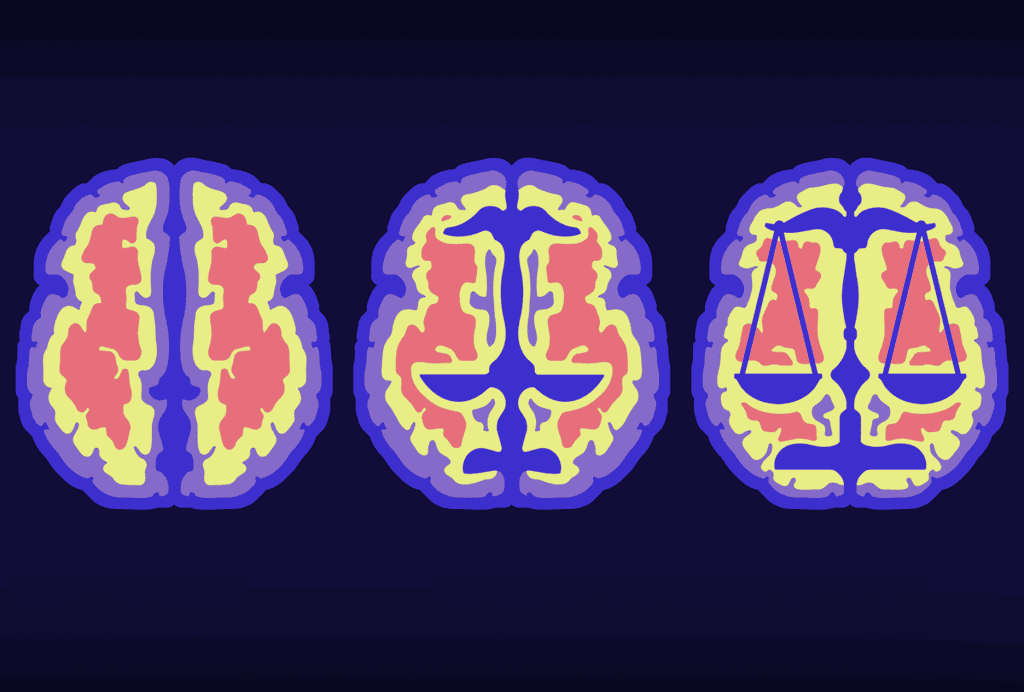
Govern neurodata by how it’s used, not where it’s from
New neurodata laws will shape how researchers gather, share and reuse brain data. A use-based governance protects basic researchers and those whose data are being used, without freezing science.
Govern neurodata by how it’s used, not where it’s from
New neurodata laws will shape how researchers gather, share and reuse brain data. A use-based governance protects basic researchers and those whose data are being used, without freezing science.