Aacetylcholine
Recent articles
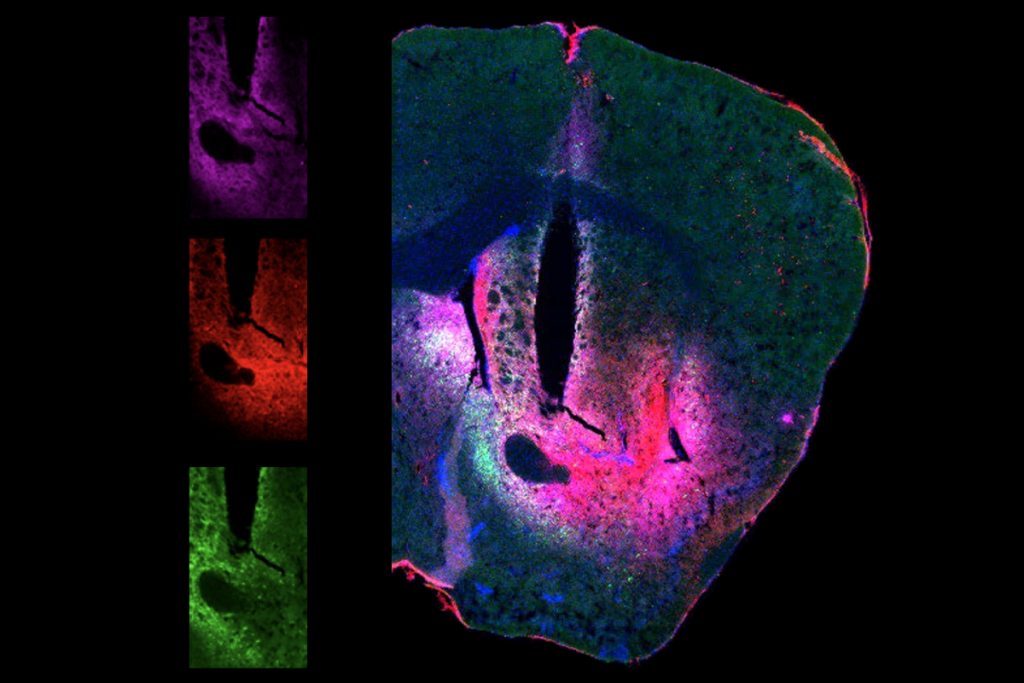
New dopamine sensor powers three-color imaging in live animals
The tool leverages a previously unused segment of the color spectrum to track the neurotransmitter and can be used with two additional sensors to monitor other neurochemicals at different wavelengths.
New dopamine sensor powers three-color imaging in live animals
The tool leverages a previously unused segment of the color spectrum to track the neurotransmitter and can be used with two additional sensors to monitor other neurochemicals at different wavelengths.
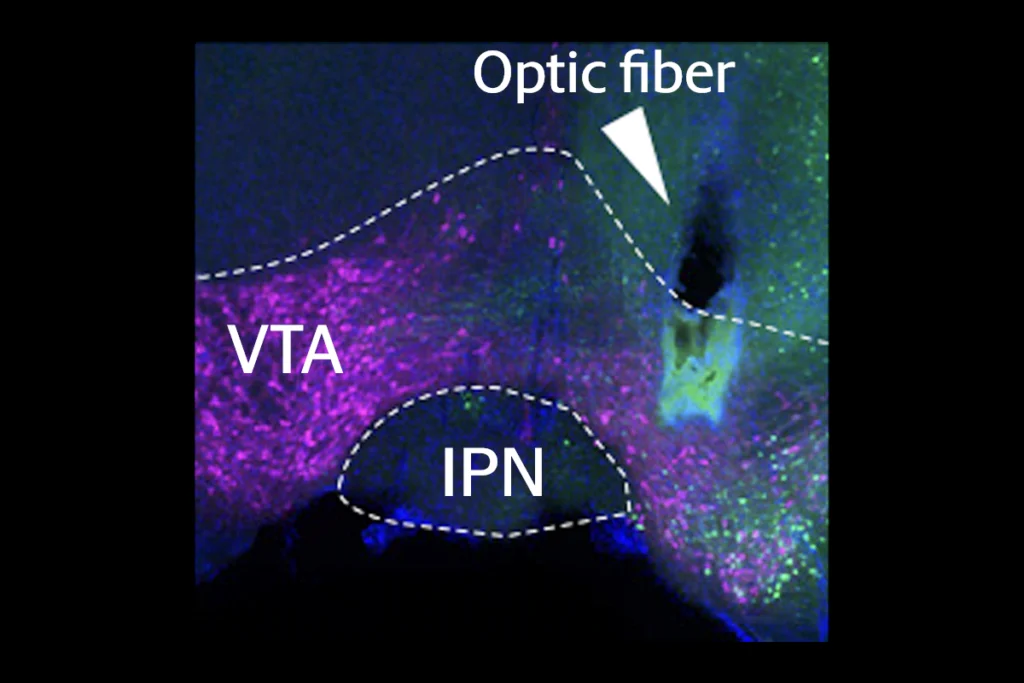
‘Understudied secret’ in brain dampens nicotine drive in mice
The interpeduncular nucleus produces an aversion to nicotine, even at low doses, and helps moderate how rewarding mice find the drug.
‘Understudied secret’ in brain dampens nicotine drive in mice
The interpeduncular nucleus produces an aversion to nicotine, even at low doses, and helps moderate how rewarding mice find the drug.
Explore more from The Transmitter
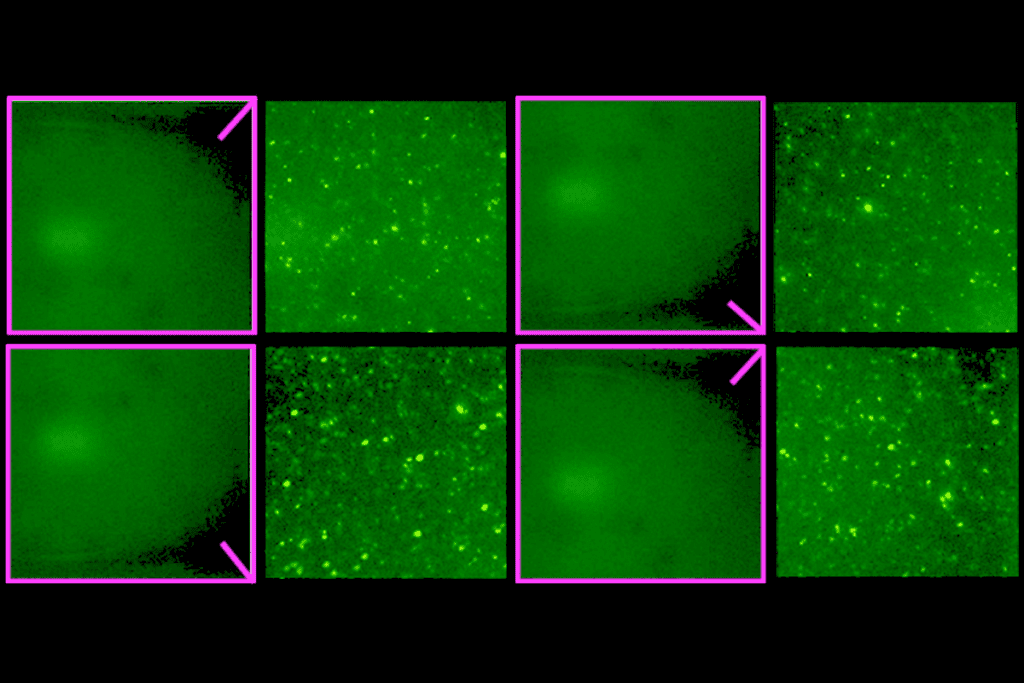
University probe leads to retraction of four neural tube studies
The University of Maryland conducted an internal investigation that identified image duplications and other data integrity issues in the studies, according to the retraction notices.
University probe leads to retraction of four neural tube studies
The University of Maryland conducted an internal investigation that identified image duplications and other data integrity issues in the studies, according to the retraction notices.

Highly cited autism paper earns expression of concern over data duplications
The notice, published in Nature last week, also addressed an image duplication identified by a prominent research-integrity sleuth.
Highly cited autism paper earns expression of concern over data duplications
The notice, published in Nature last week, also addressed an image duplication identified by a prominent research-integrity sleuth.
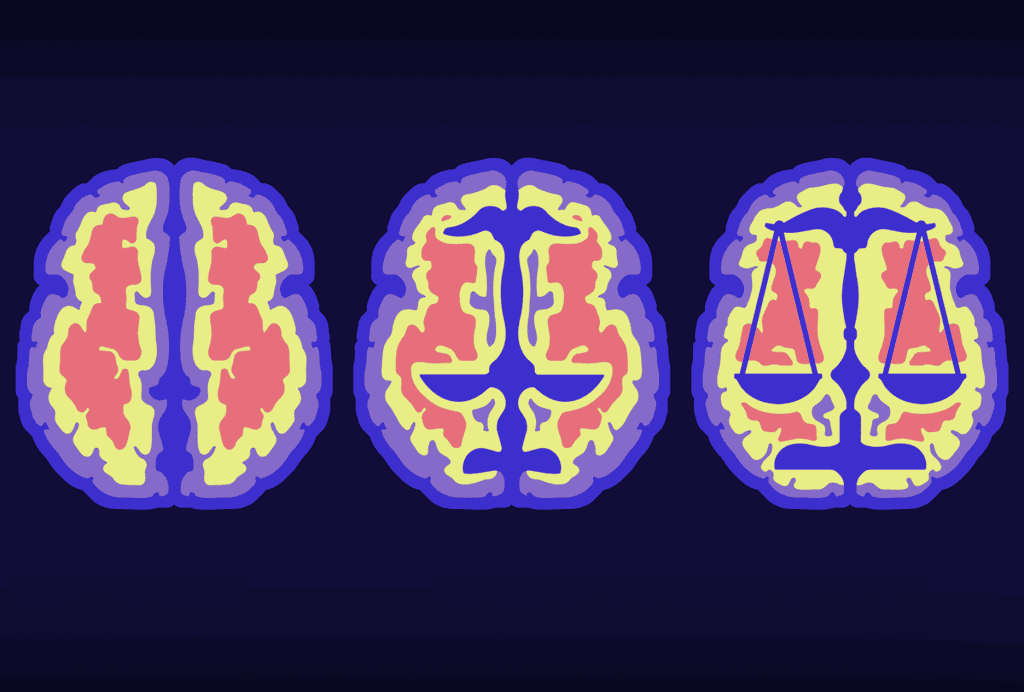
Govern neurodata by how it’s used, not where it’s from
New neurodata laws will shape how researchers gather, share and reuse brain data. A use-based governance protects basic researchers and those whose data are being used, without freezing science.
Govern neurodata by how it’s used, not where it’s from
New neurodata laws will shape how researchers gather, share and reuse brain data. A use-based governance protects basic researchers and those whose data are being used, without freezing science.