Alissa de Chassey was The Transmitter’s news reporting intern for summer 2026. Before joining The Transmitter, she worked as a science reporter for Le Figaro in Paris. She earned a bachelor’s degree in biochemistry at Université Paris Cité and then studied science journalism in France. She is currently a graduate student in New York University’s Science, Health and Environmental Reporting Program.
Alissa de Chassey
Former news reporting intern
The Transmitter
From this contributor
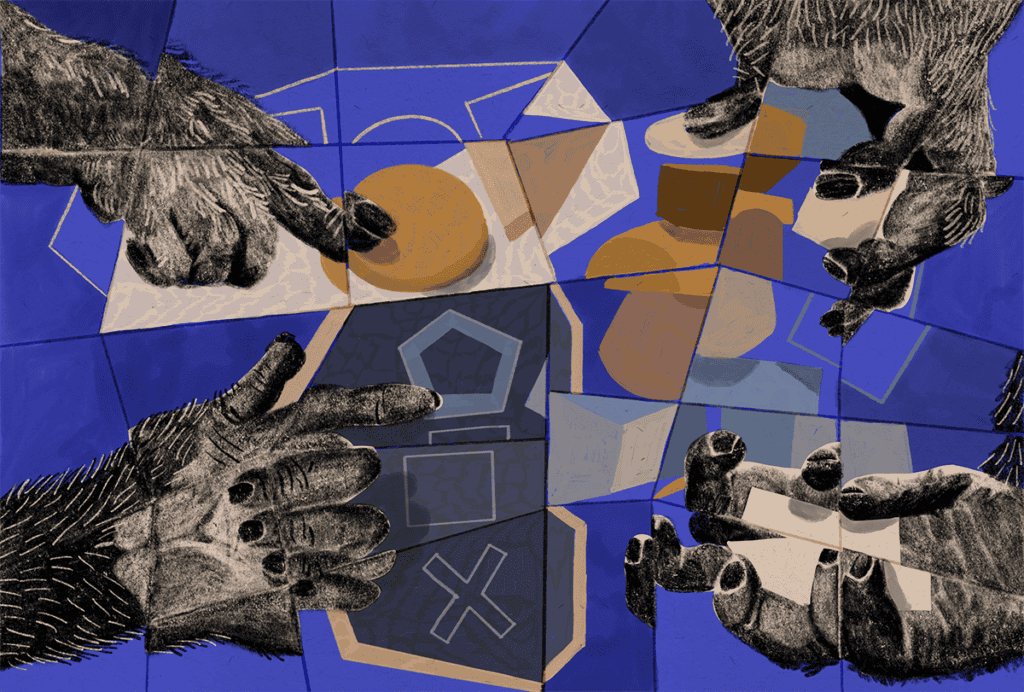
The neuroscience questions that need nonhuman primates
The Transmitter asked 17 neuroscientists what questions might remain unanswered if support for nonhuman primate research continues to decline.
The neuroscience questions that need nonhuman primates
By
Alissa de Chassey
9 October 2026 | 10 min read
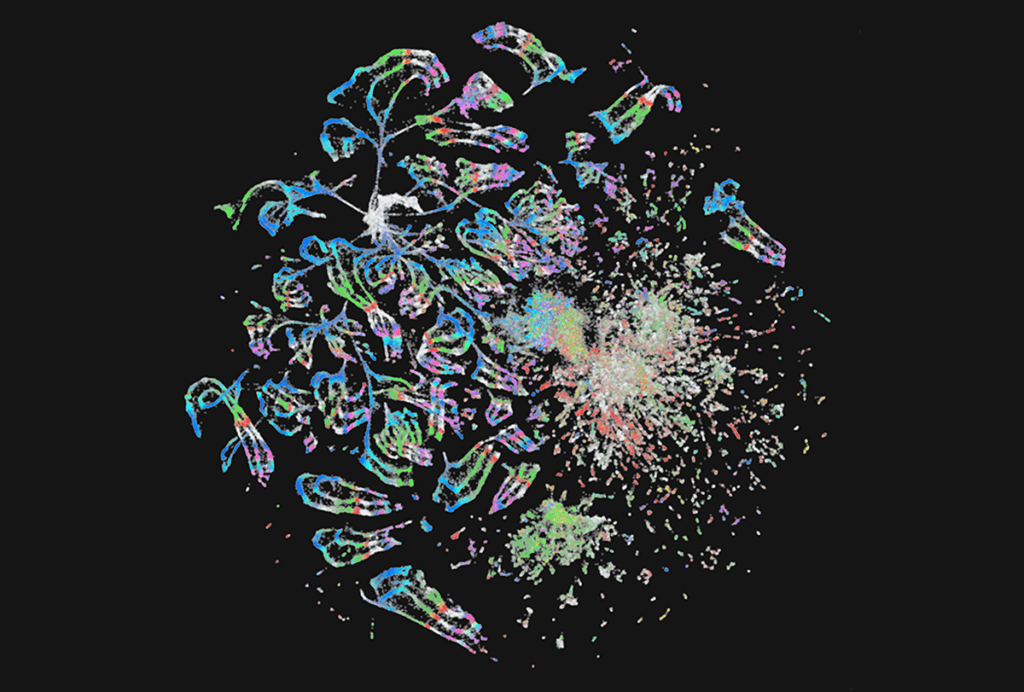
Fly neurons carry molecular signatures of their origins
The pattern of transcription factors a Drosophila neuron expresses offers clues to its lineage and birth order—and ultimately how neural circuits emerge.
Fly neurons carry molecular signatures of their origins
By
Alissa de Chassey
25 September 2026 | 5 min read
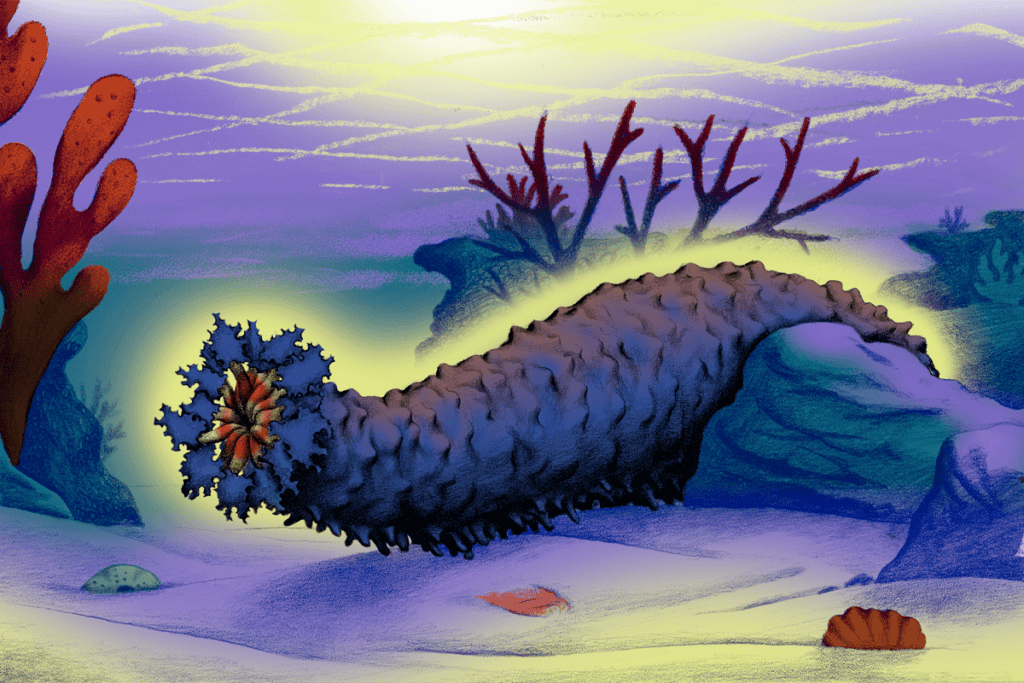
Inside the sea cucumber’s regenerative superpowers
José E. García-Arrarás studies how these marine invertebrates manage to regrow their nervous system, intestines and other internal organs in a matter of months after threats prompt them to literally spill their guts.
Inside the sea cucumber’s regenerative superpowers
By
Alissa de Chassey
28 August 2026 | 5 min read
Os superpoderes regenerativos do pepino-do-mar
José E. García-Arrarás estuda como esses invertebrados marinhos conseguem regenerar seu sistema nervoso, intestinos e outros órgãos internos em questão de meses, depois que ameaças os levam a, literalmente, "expelir suas entranhas".
Os superpoderes regenerativos do pepino-do-mar
By
Alissa de Chassey
28 August 2026 | 6 min read
Los superpoderes regenerativos del pepino de mar
José E. García-Arrarás estudia cómo estos invertebrados marinos logran regenerar su sistema nervioso, intestinos y otros órganos internos en cuestión de meses, tras amenazas que los llevan a expulsar sus vísceras.
Los superpoderes regenerativos del pepino de mar
By
Alissa de Chassey
28 August 2026 | 6 min read
Explore more from The Transmitter
Acetaminophen effects on developing brain organoids; and more
Here is a roundup of autism-related news and research spotted around the web for the week of 12 October.
Acetaminophen effects on developing brain organoids; and more
Here is a roundup of autism-related news and research spotted around the web for the week of 12 October.
By
Jill Adams
13 October 2026 | 1 min read

Private initiative makes ‘historic’ investment in autism research
Aligning Research to Impact Autism has committed more than $450 million to build a new multidisciplinary research network to uncover the roots of profound autism and develop treatments.
Private initiative makes ‘historic’ investment in autism research
Aligning Research to Impact Autism has committed more than $450 million to build a new multidisciplinary research network to uncover the roots of profound autism and develop treatments.
By
Madeline Shaw
13 October 2026 | 4 min read
The neural code at 100
In two 1926 articles, Edgar Douglas Adrian revealed that neurons communicate through trains of spikes.
The neural code at 100
In two 1926 articles, Edgar Douglas Adrian revealed that neurons communicate through trains of spikes.
By
Matteo Carandini
12 October 2026 | 8 min read