Ana Silva is professor of neuroscience at the Universidad de la República, in Montevideo, Uruguay. She is director of a lab that specializes in behavioral neuroscience research, where she uses a nontraditional animal model, the electric fish Gymnotus omarorum, or banded knifefish, to study natural behavior and its neural basis. She is also chair of the Diversity, Equity and Inclusion Committee of the International Society of Neuroethology and a member of the International Brain Research Organization’s Latin American Regional Committee (IBRO-LARC), as well as an adviser to the ALBA Network. She is a referent in behavioral neuroscience and neuroethology in Latin America. Silva has conducted research with IBRO-LARC and the United Nations’ Economic Commission for Latin America and the Caribbean to understand inequality in Latin American research.

Ana Silva
Professor of neuroscience
Universidad de la República
From this contributor



Explore more from The Transmitter
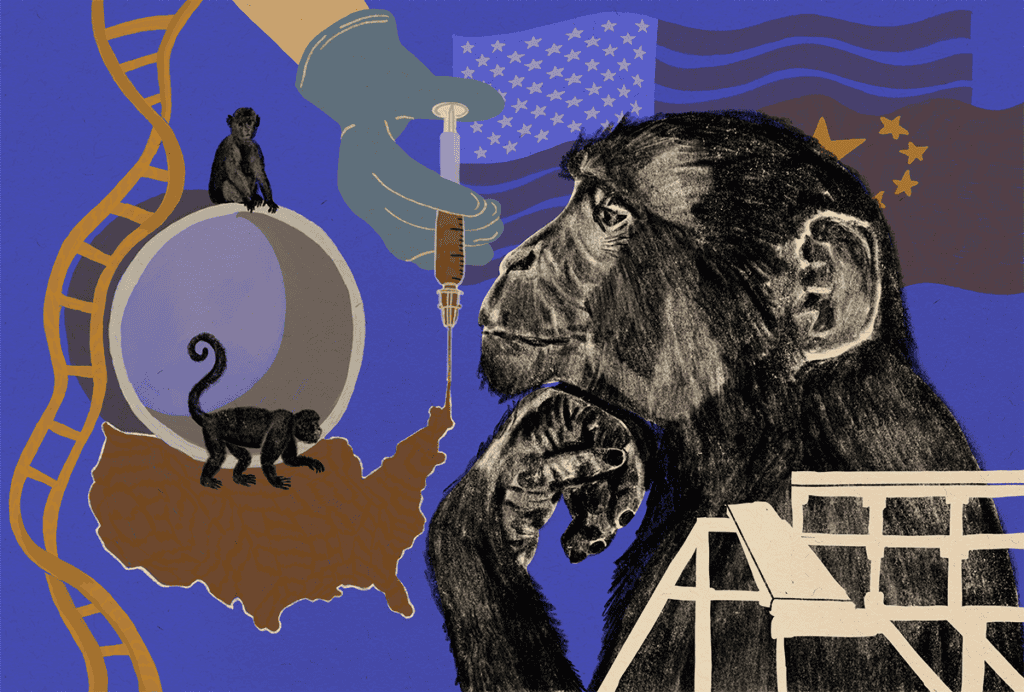
U.S. national primate research centers face an uncertain future
The facilities were meant to last 100 years. Four decades shy of that mark, amid flatlined funds and mounting political pressure, their directors are trying to find a path forward.
U.S. national primate research centers face an uncertain future
The facilities were meant to last 100 years. Four decades shy of that mark, amid flatlined funds and mounting political pressure, their directors are trying to find a path forward.
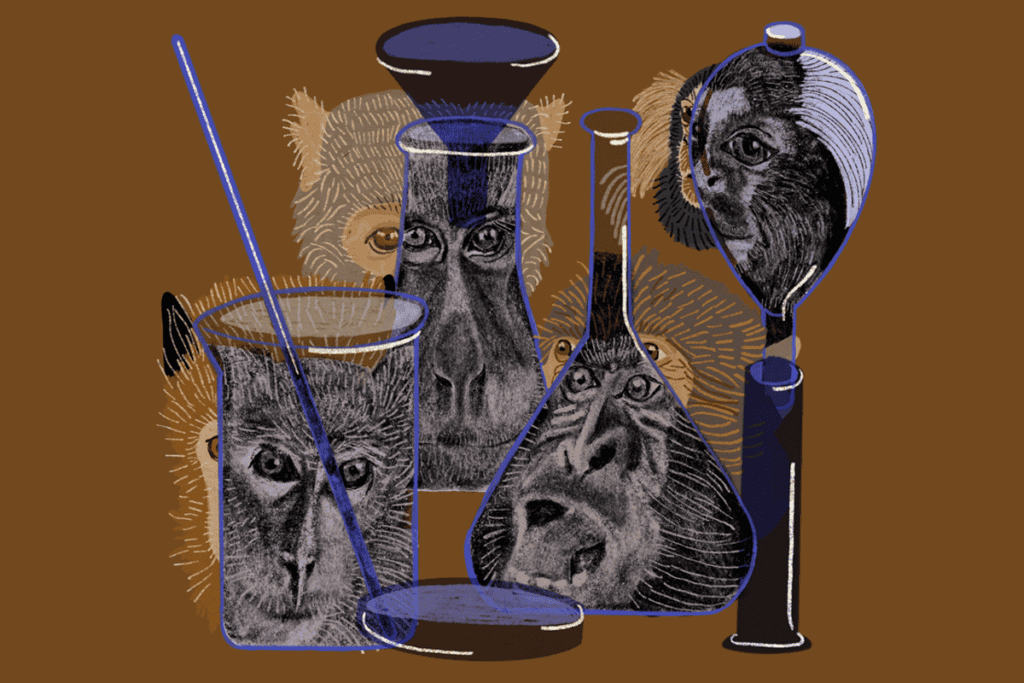
What if nonhuman primate research goes away?
As the U.S. government takes steps to stop using nonhuman primates in research, The Transmitter investigates what that shift could mean for neuroscience.
What if nonhuman primate research goes away?
As the U.S. government takes steps to stop using nonhuman primates in research, The Transmitter investigates what that shift could mean for neuroscience.
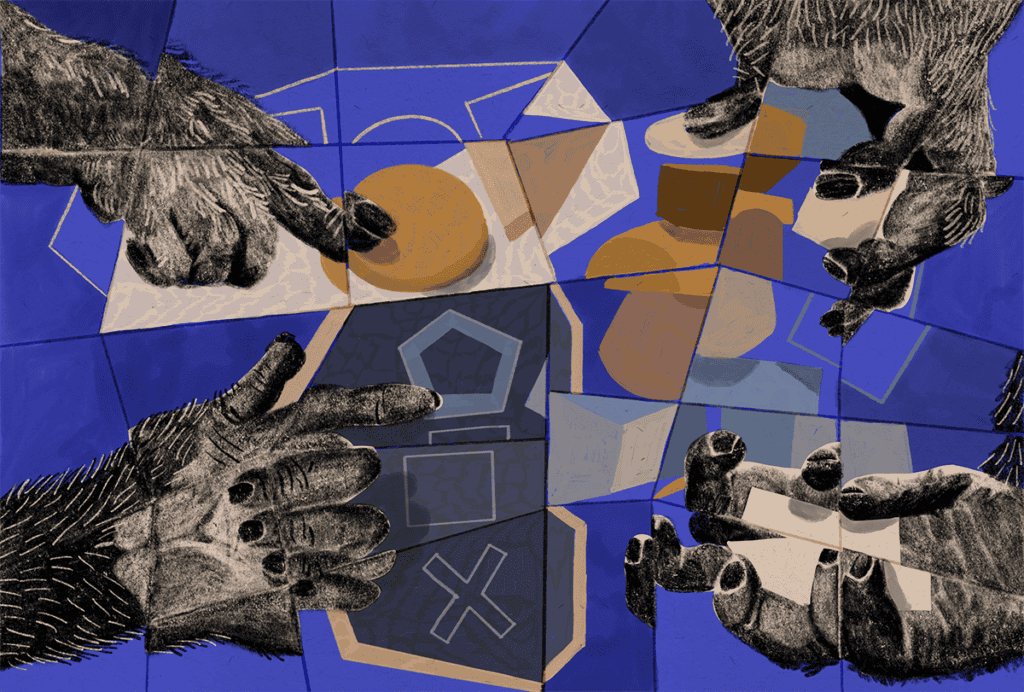
The neuroscience questions that need nonhuman primates
The Transmitter asked 17 neuroscientists what questions might remain unanswered if support for nonhuman primate research continues to decline.
The neuroscience questions that need nonhuman primates
The Transmitter asked 17 neuroscientists what questions might remain unanswered if support for nonhuman primate research continues to decline.