Brian DePasquale.

Brian DePasquale

Assistant professor of biomedical engineering
Boston University

Brian DePasquale is assistant professor of biomedical engineering at Boston University, where he is also Faculty Fellow in Computing and Data Sciences and an affiliate of the Center for Systems Neuroscience. His research uses machine learning and artificial intelligence to study the brain, with areas of focus including olfaction, motor control and decision-making.

DePasquale earned his Ph.D. in theoretical neuroscience at Columbia University in 2016 in the lab of Larry Abbott, and his B.S. in physics at Fordham University in 2005. He was a postdoctoral researcher at the Princeton Neuroscience Institute. In 2026, he was named a Sloan Research Fellow.
Explore more from The Transmitter

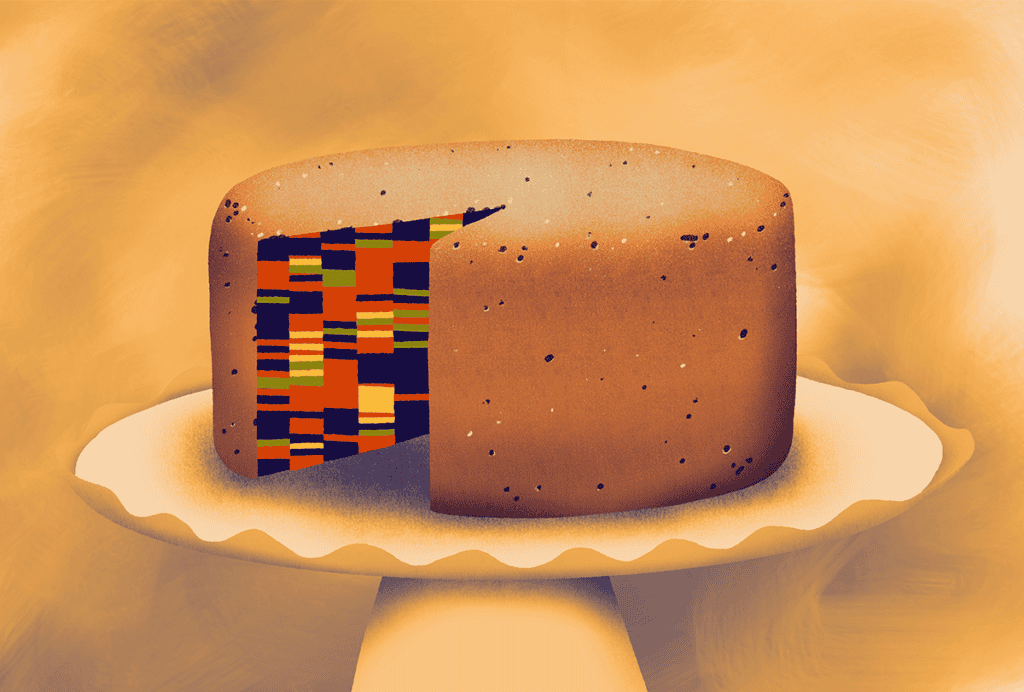
Illustration of cake with genetic code inside.

The genome offers a recipe, not a blueprint, for the brain

During brain development, genes set the rules and turn the knobs; self-organization does much of the rest.

By Ila Fiete
2 November 2026 | 8 min read
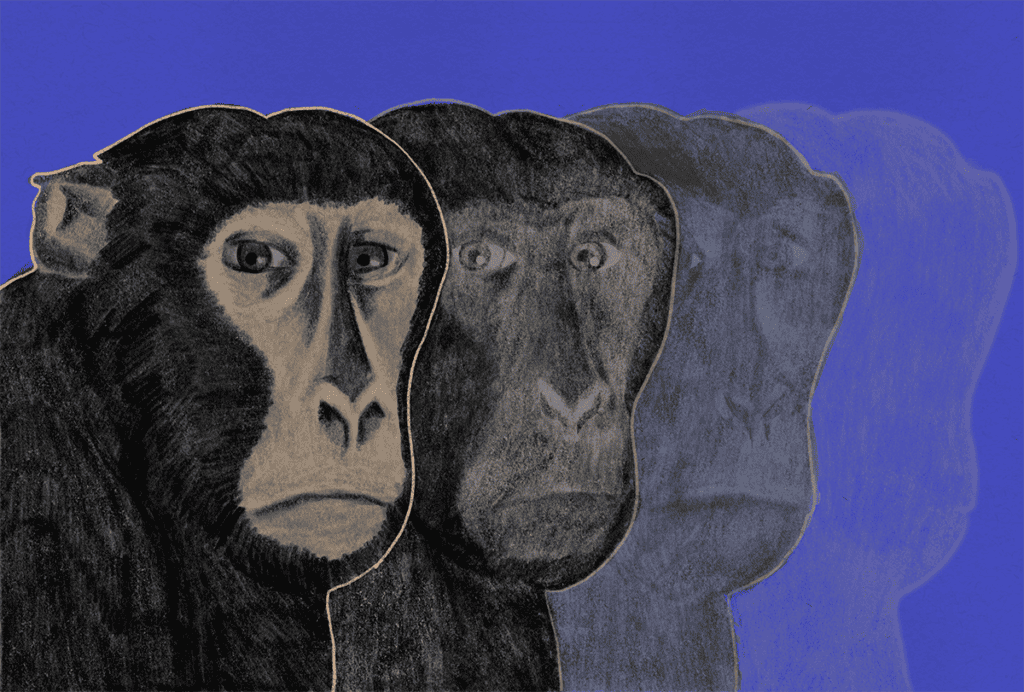
Illustration of four faces of a rhesus macaque transitioning from opaque to transparent.

Autism research involving monkeys contends with uphill battle

Macaques and marmosets recapitulate the condition’s core traits better than mice can, but funding uncertainty and challenges at primate centers in the United States could make this work difficult to continue.

By Diana Kwon
2 November 2026 | 8 min read
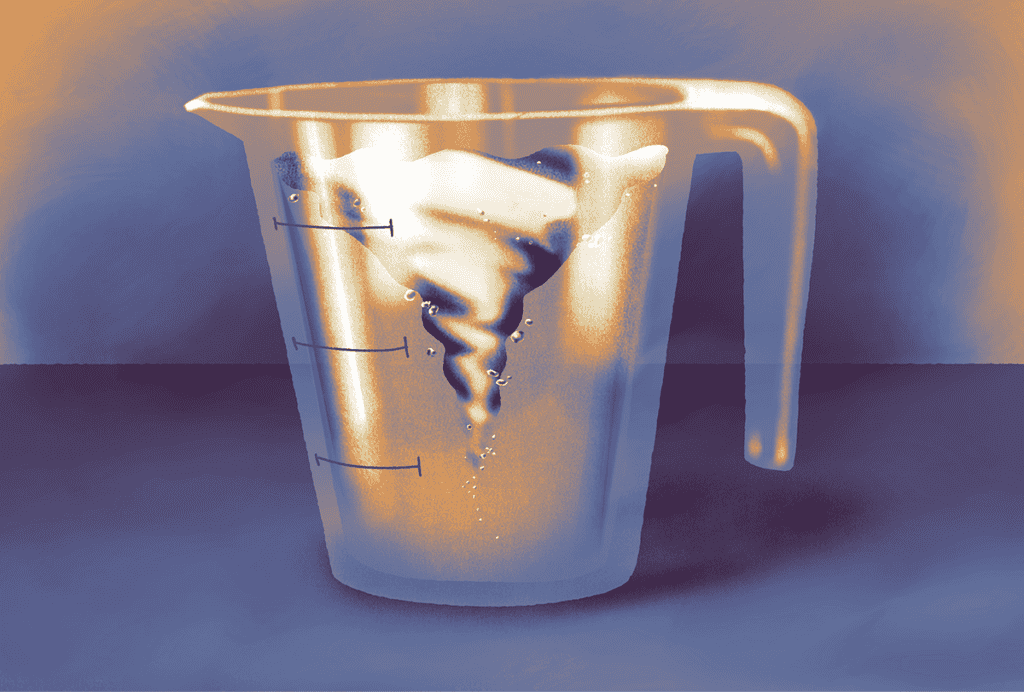
A measuring cup with a whirlpool in it.

When is self-organization a mechanism in brain development?

Retinal waves offer a powerful example of a self-organizing system that can build structure without external guidance. The field would do well to embrace such phenomena more broadly as a type of mechanistic explanation.

By P. Robin Hiesinger
2 November 2026 | 6 min read