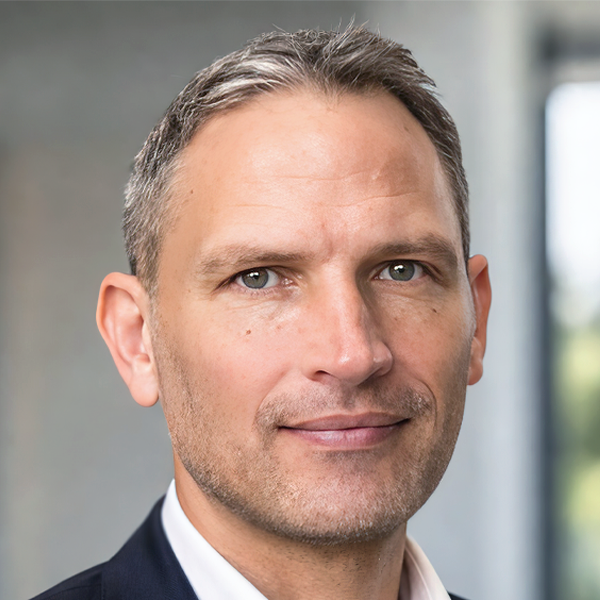
Karim Jerbi.

Karim Jerbi

Professor of psychology, University of Montreal, Associate professor, Mila - Quebec AI Institute
Director, UNIQUE Centre

Karim Jerbi is professor of psychology at the University of Montreal, associate professor at the Mila – Quebec AI Institute, and director of the UNIQUE Centre, Quebec’s Neuro-AI research center. His research lies at the intersection of cognitive, computational and clinical neuroscience, with a focus on understanding cognitive processes in both humans and machines. His lab investigates the dynamics of brain networks across perception, cognition and diverse states of consciousness, including sleep, dreaming, anesthesia, meditation, hypnosis and psychedelic states. He has a keen interest in the convergence of brain science, artificial intelligence, creativity and art.

Kerbi holds a Ph.D. in cognitive neuroscience and brain imaging from Pierre and Marie Curie University, as well as a degree in biomedical engineering from the Karlsruhe Institute of Technology. He is a member of the Royal Society of Canada’s College of New Scholars, Artists and Scientists.
Explore more from The Transmitter

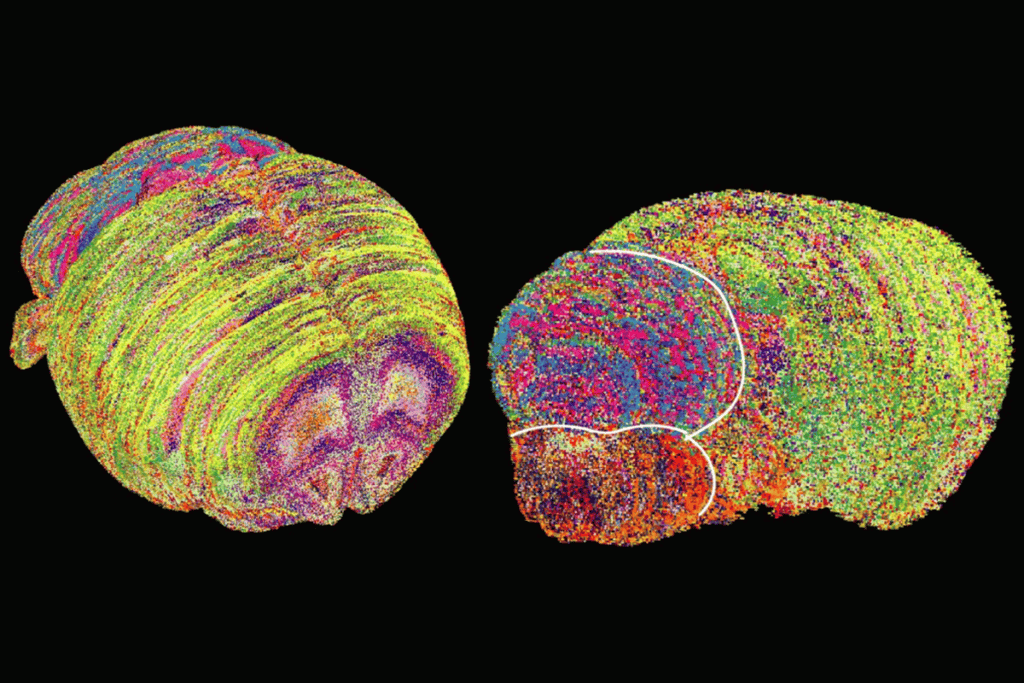
Research image of cell-surface protein LPHN2.

‘Push-pull’ recipe for neural wiring used in multiple brain regions

A versatile pair of proteins steers neurons toward their targets and helps establish the brain’s sensory maps, new studies suggest.

By Holly Barker
5 June 2026 | 5 min read
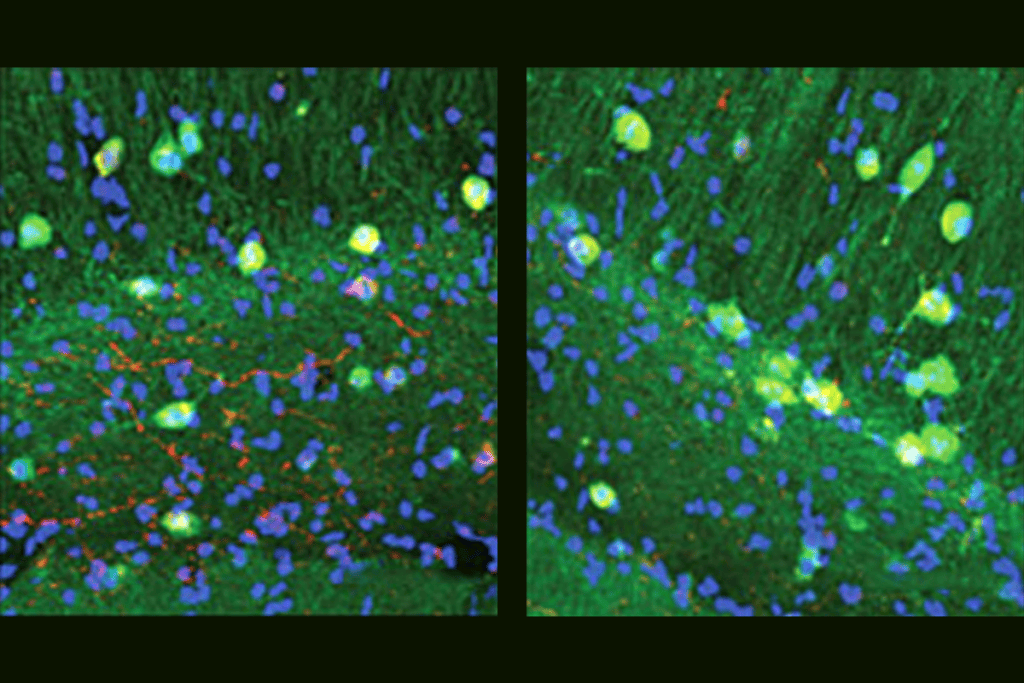
Research image showing dopamine level spikes.

Reward-learning algorithm hardwired into dopamine circuit

The finding bolsters the canonical model of reward prediction error, which has come under scrutiny in recent years.

By Natalia Mesa
5 June 2026 | 5 min read
Burke Neurological Institute.

Exclusive: Brain and spinal cord institute halts research, citing funding problems

The Burke Neurological Institute, which calls itself “the only research institute in the U.S. dedicated to finding treatments to repair the brain and spinal cord,” ceased research operations on 22 May.

By Lauren Schenkman
4 June 2026 | 5 min read