Engrams
Recent articles

Infant memories: Lost but not gone?
Infantile amnesia is not simply a story about forgetting the past. It is an opportunity to understand how memory itself is built.
Infant memories: Lost but not gone?
Infantile amnesia is not simply a story about forgetting the past. It is an opportunity to understand how memory itself is built.
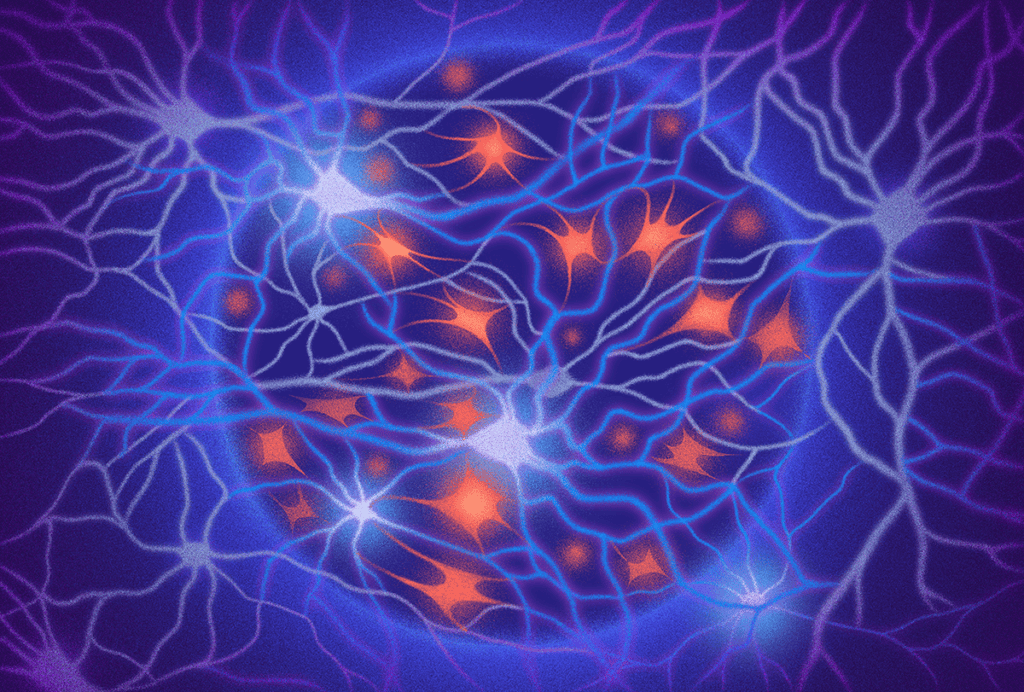
Are parts of the memory trace found in the ‘astroengram?’
Neurons have long taken top billing in memory, but researchers are making the case for astrocytes.
Are parts of the memory trace found in the ‘astroengram?’
Neurons have long taken top billing in memory, but researchers are making the case for astrocytes.
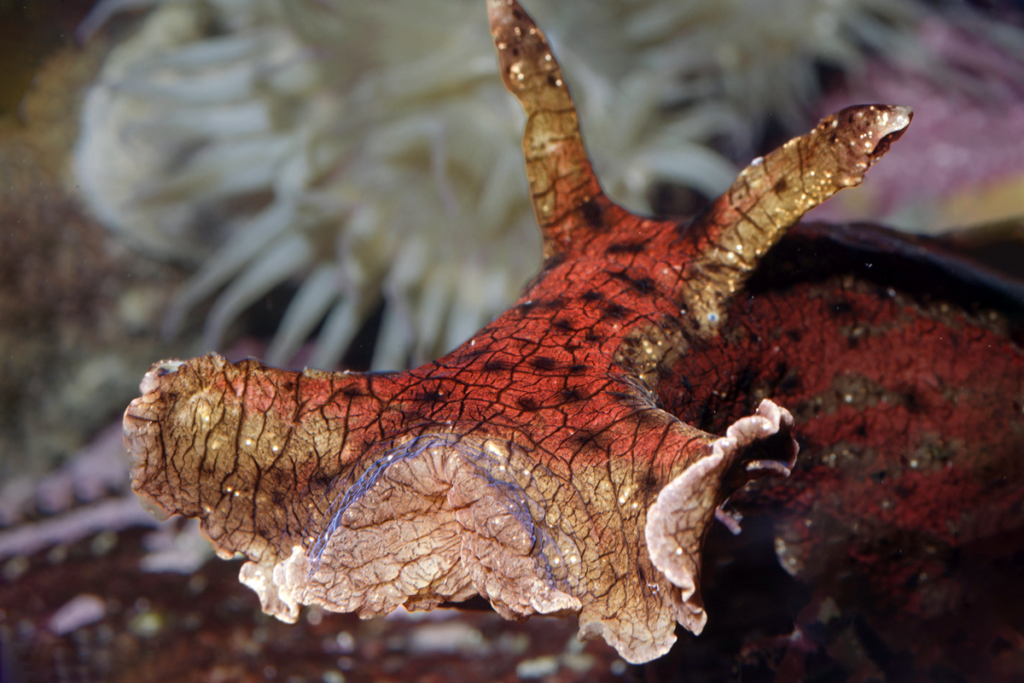
New study questions role of persistent gene activity in memory maintenance
An experiment in sea slugs suggests transcriptional changes might fade after 24 hours.
New study questions role of persistent gene activity in memory maintenance
An experiment in sea slugs suggests transcriptional changes might fade after 24 hours.
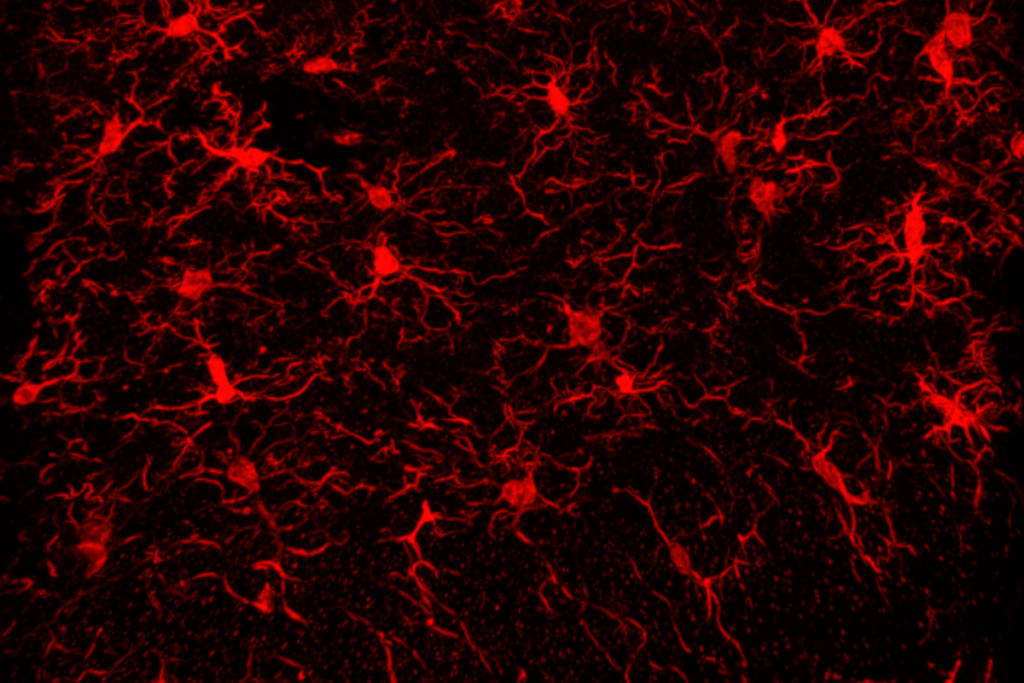
Microglia implicated in infantile amnesia
The glial cells could explain the link between maternal immune activation and autism-like behaviors in mice.
Microglia implicated in infantile amnesia
The glial cells could explain the link between maternal immune activation and autism-like behaviors in mice.
Memory study sparks debate over statistical methods
Critics of a 2024 Nature paper suggest the authors failed to address the risk of false-positive findings. The authors argue more rigorous methods can result in missed leads.
Memory study sparks debate over statistical methods
Critics of a 2024 Nature paper suggest the authors failed to address the risk of false-positive findings. The authors argue more rigorous methods can result in missed leads.
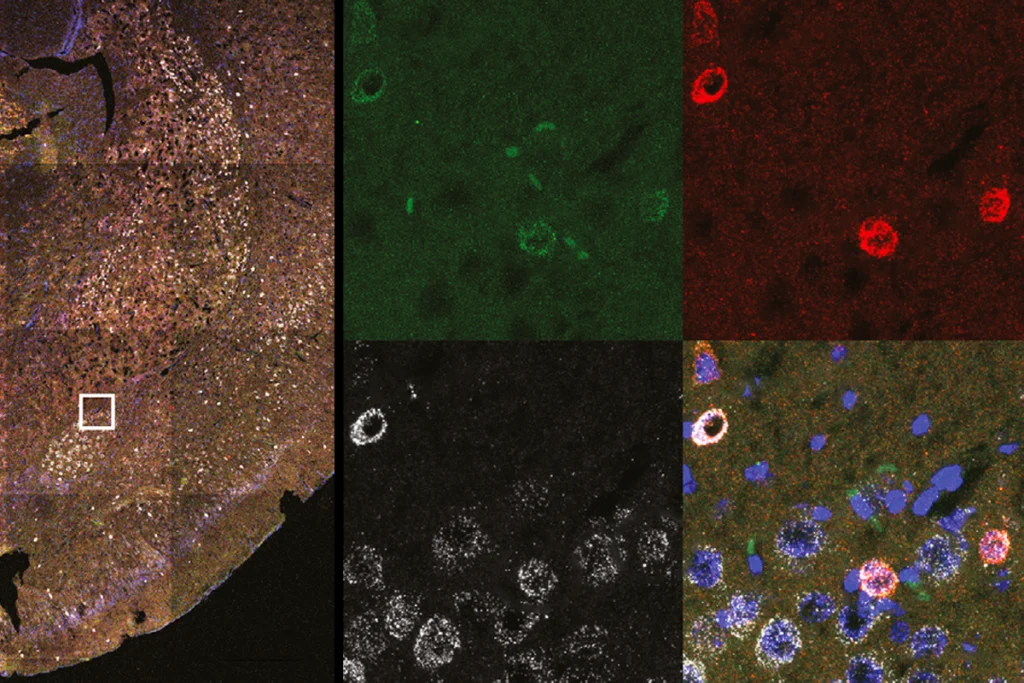
Stress warps fear memories in multiple ways
Expanding the bounds of a fear memory or linking it to a neutral memory can shape a mouse’s fear response, two new studies show.
Stress warps fear memories in multiple ways
Expanding the bounds of a fear memory or linking it to a neutral memory can shape a mouse’s fear response, two new studies show.
Explore more from The Transmitter
How does the developing brain make so many different types of neurons?
Oliver Hobert describes how analyzing patterns of gene expression and connectivity in closely and more distantly related species of nematodes sheds light on the structural and functional organization of the nervous system.
How does the developing brain make so many different types of neurons?
Oliver Hobert describes how analyzing patterns of gene expression and connectivity in closely and more distantly related species of nematodes sheds light on the structural and functional organization of the nervous system.
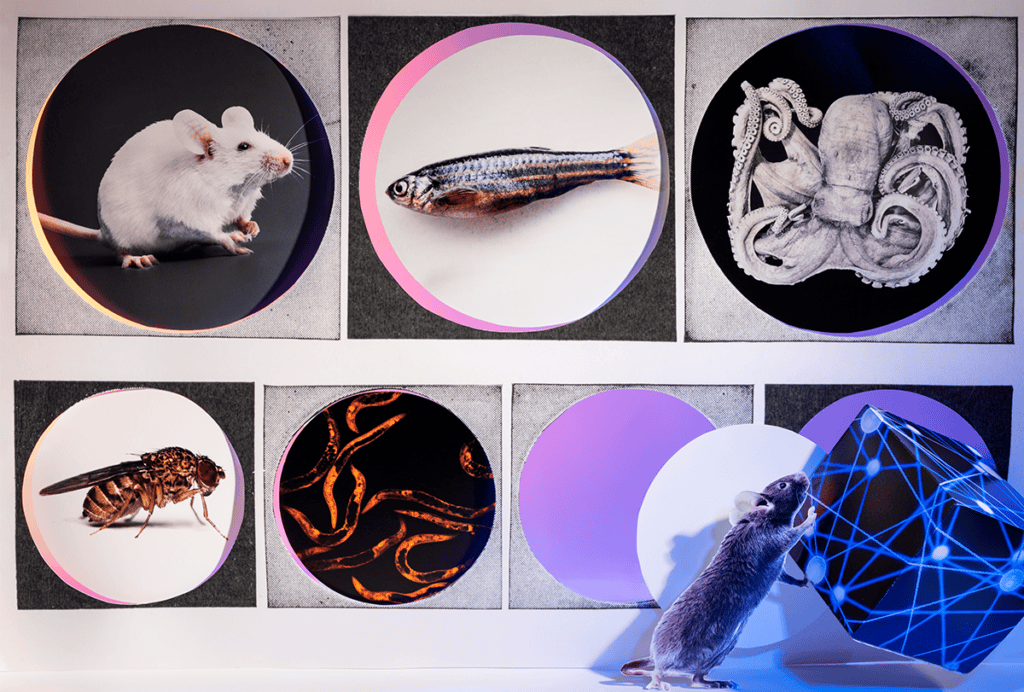
The term ‘model organism’ should be reserved for biological systems
By referring to artificial neural networks as model organisms, we run the risk of distorting funding priorities and disregard the explanatory power of a shared evolutionary history across biological organisms.
The term ‘model organism’ should be reserved for biological systems
By referring to artificial neural networks as model organisms, we run the risk of distorting funding priorities and disregard the explanatory power of a shared evolutionary history across biological organisms.
New phase of BRAIN Initiative spawns basal ganglia ‘parts list’
With a standardized cell naming system and infrastructure for data collection and analysis, the basal ganglia project sets the stage for a whole-brain primate atlas.
New phase of BRAIN Initiative spawns basal ganglia ‘parts list’
With a standardized cell naming system and infrastructure for data collection and analysis, the basal ganglia project sets the stage for a whole-brain primate atlas.