Fragile X syndrome
Recent articles
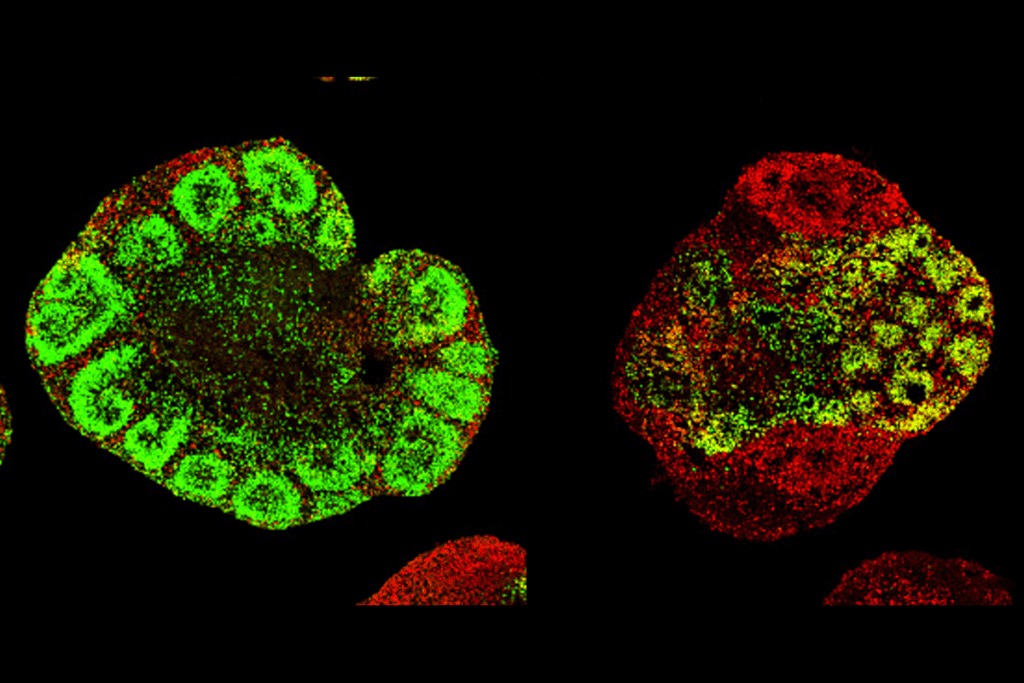
Polarized cortical organoids mimic the brain’s regional organization
The organoids show region-specific gene-expression changes that match those observed during fetal development.
Polarized cortical organoids mimic the brain’s regional organization
The organoids show region-specific gene-expression changes that match those observed during fetal development.

Sounding the alarm on pseudoreplication: Q&A with Constantinos Eleftheriou and Peter Kind
Most studies of neurological disorders in mice erroneously treat multiple samples from a single animal as independent replicates, according to a new analysis. But scientists and journals can take steps to curb this practice.
Sounding the alarm on pseudoreplication: Q&A with Constantinos Eleftheriou and Peter Kind
Most studies of neurological disorders in mice erroneously treat multiple samples from a single animal as independent replicates, according to a new analysis. But scientists and journals can take steps to curb this practice.
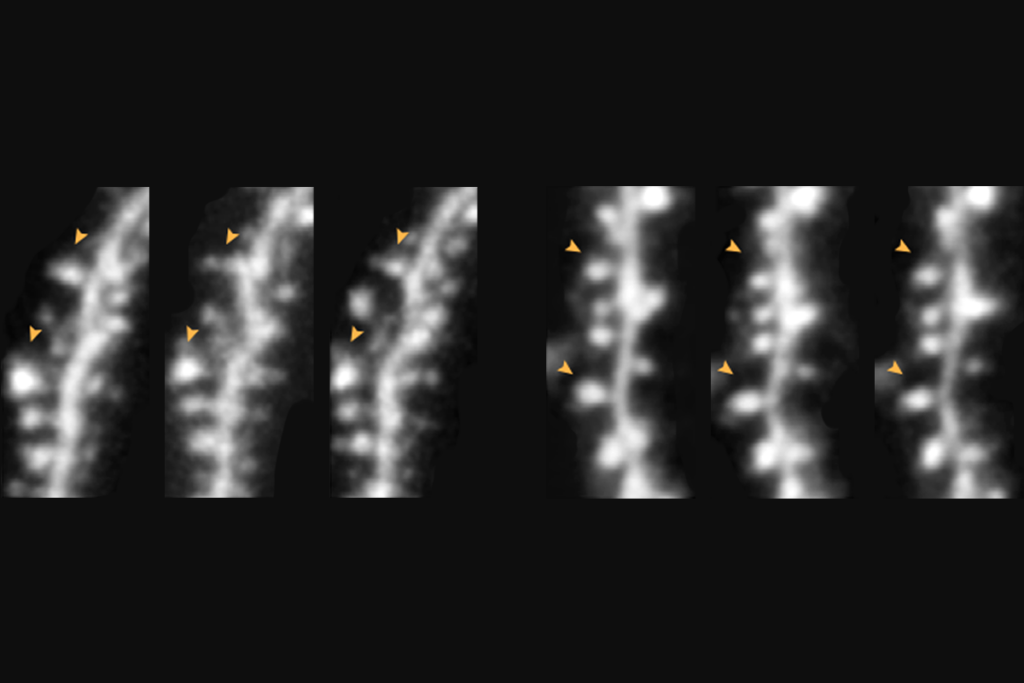
Targeting NMDA receptor subunit reverses fragile X traits in mice
The subunit acts as a “volume control” on signaling that shapes the density of dendritic spines, the new work suggests.
Targeting NMDA receptor subunit reverses fragile X traits in mice
The subunit acts as a “volume control” on signaling that shapes the density of dendritic spines, the new work suggests.
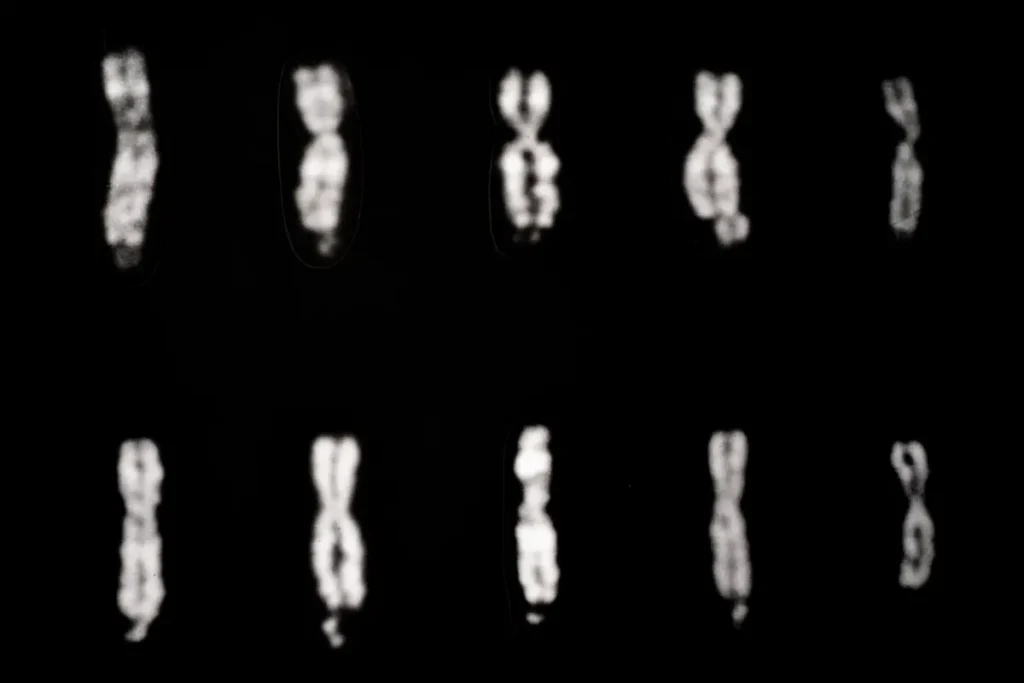
Understanding fragile X syndrome
Just in time for Fragile X Awareness Month, The Transmitter rounds up notable coverage.
Understanding fragile X syndrome
Just in time for Fragile X Awareness Month, The Transmitter rounds up notable coverage.
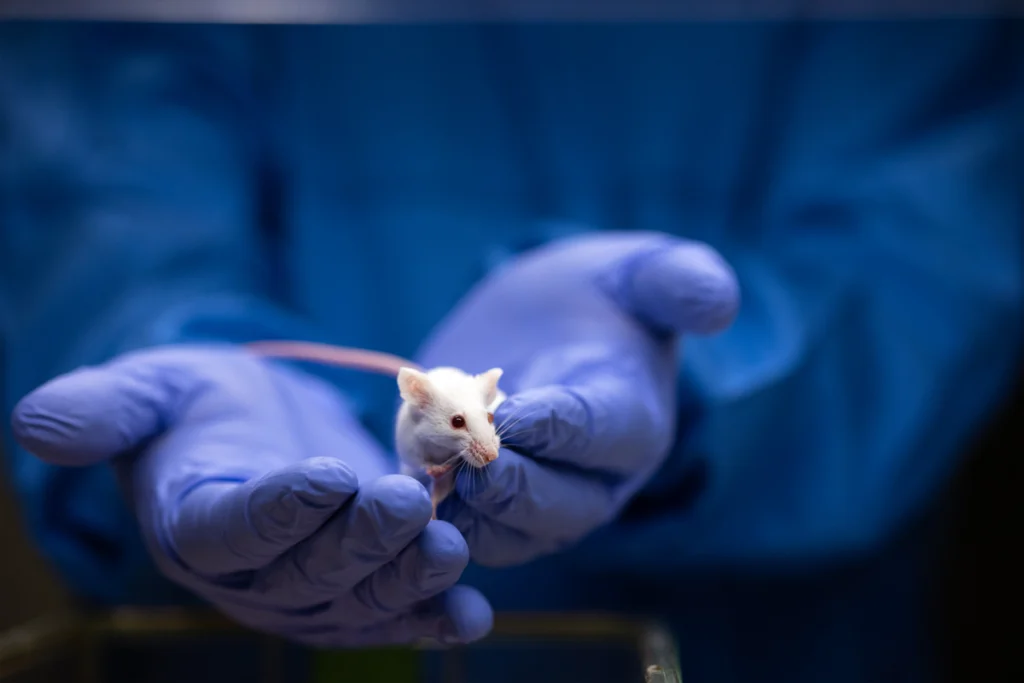
Noisy brain may underlie some of autism’s sensory features
Random fluctuations in neuronal activity are more variable in a fragile X mouse model than in wildtype mice.
Noisy brain may underlie some of autism’s sensory features
Random fluctuations in neuronal activity are more variable in a fragile X mouse model than in wildtype mice.
Autism research hits the road
Some scientists are thinking creatively about how to collect data in flexible environments and meet communities where they’re at.
Autism research hits the road
Some scientists are thinking creatively about how to collect data in flexible environments and meet communities where they’re at.
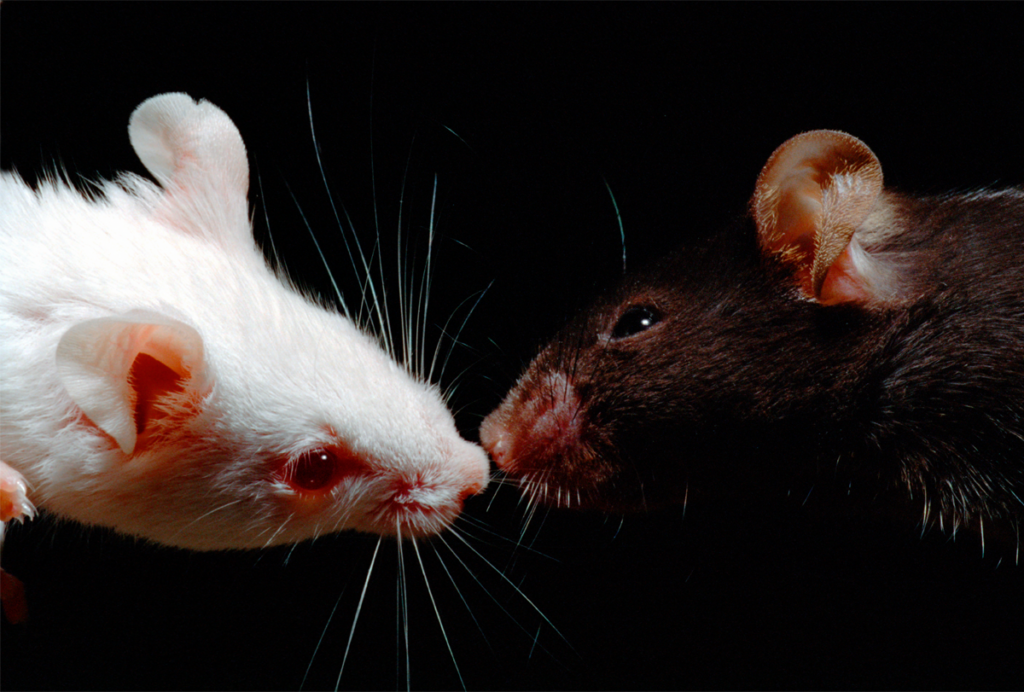
‘Social touch’ responses in mice gauged with unprecedented control
A new tool could help decipher the brain circuits underlying aversion to social touch, which is common in people with autism.
‘Social touch’ responses in mice gauged with unprecedented control
A new tool could help decipher the brain circuits underlying aversion to social touch, which is common in people with autism.
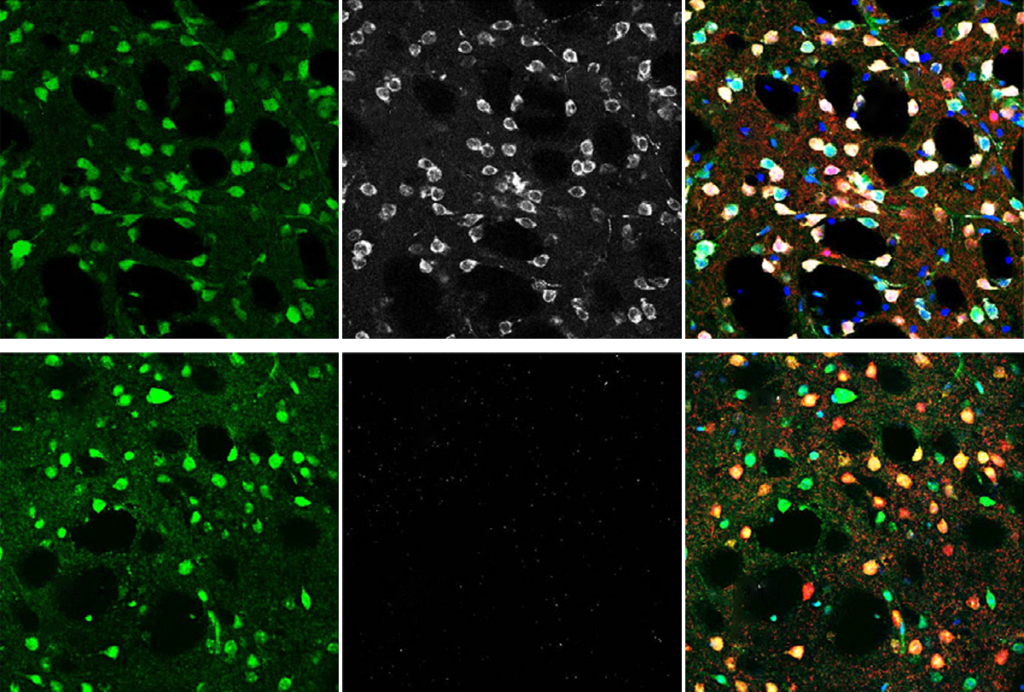
Skewed signaling in striatum may spawn repetitive behaviors
Synaptic changes in the brain region could drive a core trait of fragile X syndrome, a new mouse study suggests.
Skewed signaling in striatum may spawn repetitive behaviors
Synaptic changes in the brain region could drive a core trait of fragile X syndrome, a new mouse study suggests.
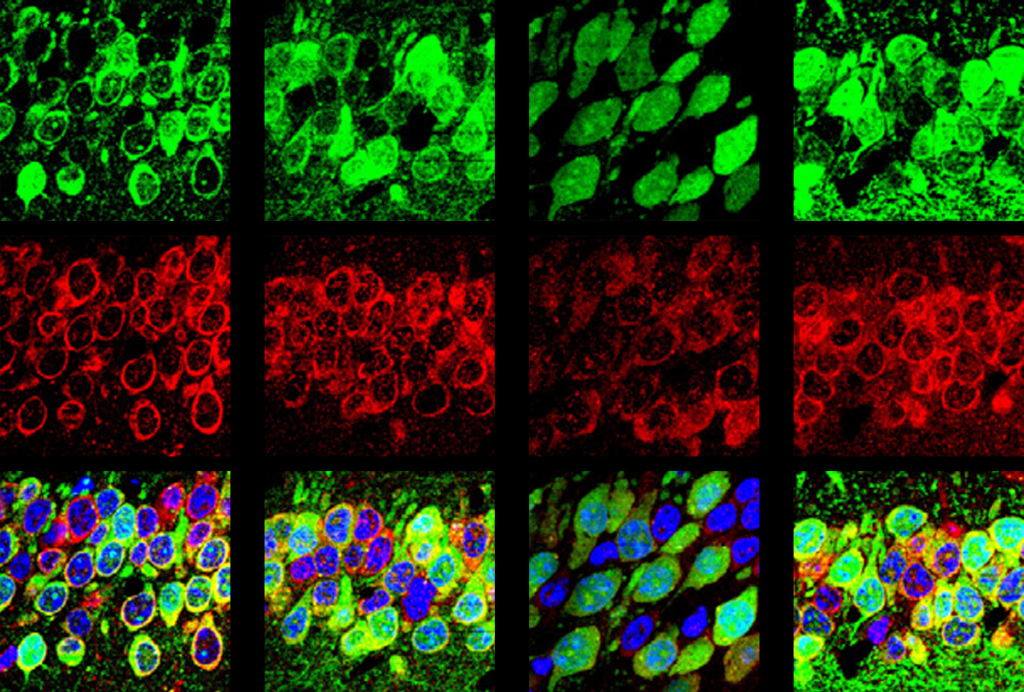
Neuronal deafness to stress may add to protein surplus in fragile X
A protective pathway that pauses protein synthesis is muted in a mouse model of fragile X syndrome, according to a new study.
Neuronal deafness to stress may add to protein surplus in fragile X
A protective pathway that pauses protein synthesis is muted in a mouse model of fragile X syndrome, according to a new study.
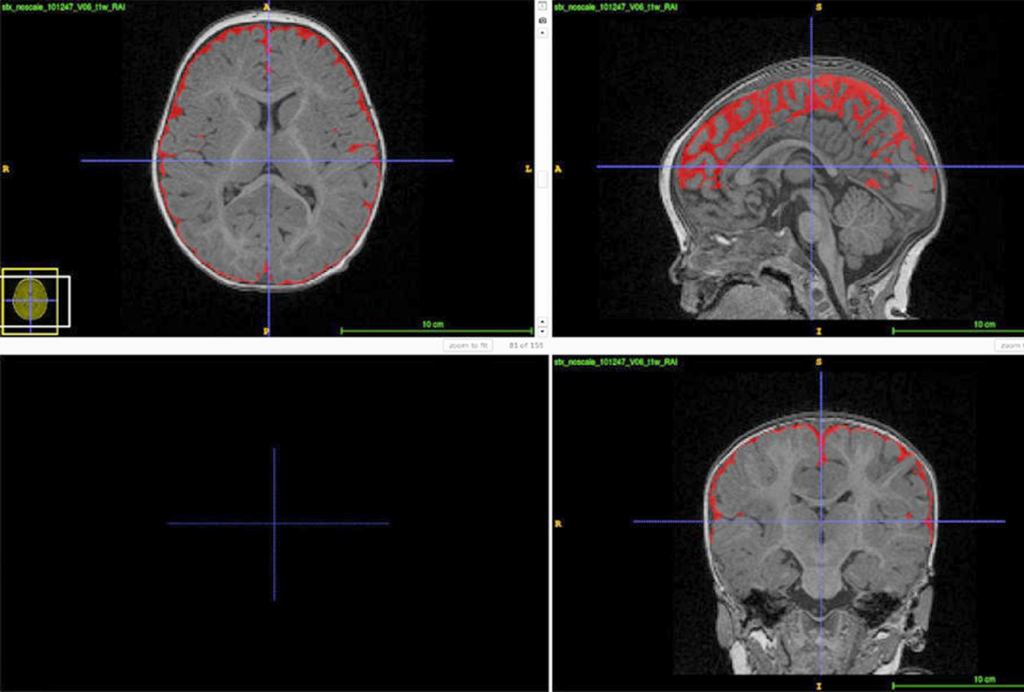
Is excess brain fluid an early marker of autism?
Brain scans of hundreds of infants suggest that up to 80 percent of those with autism have unusual amounts of cerebrospinal fluid. Researchers are studying how this might contribute to the condition.
Is excess brain fluid an early marker of autism?
Brain scans of hundreds of infants suggest that up to 80 percent of those with autism have unusual amounts of cerebrospinal fluid. Researchers are studying how this might contribute to the condition.
Explore more from The Transmitter
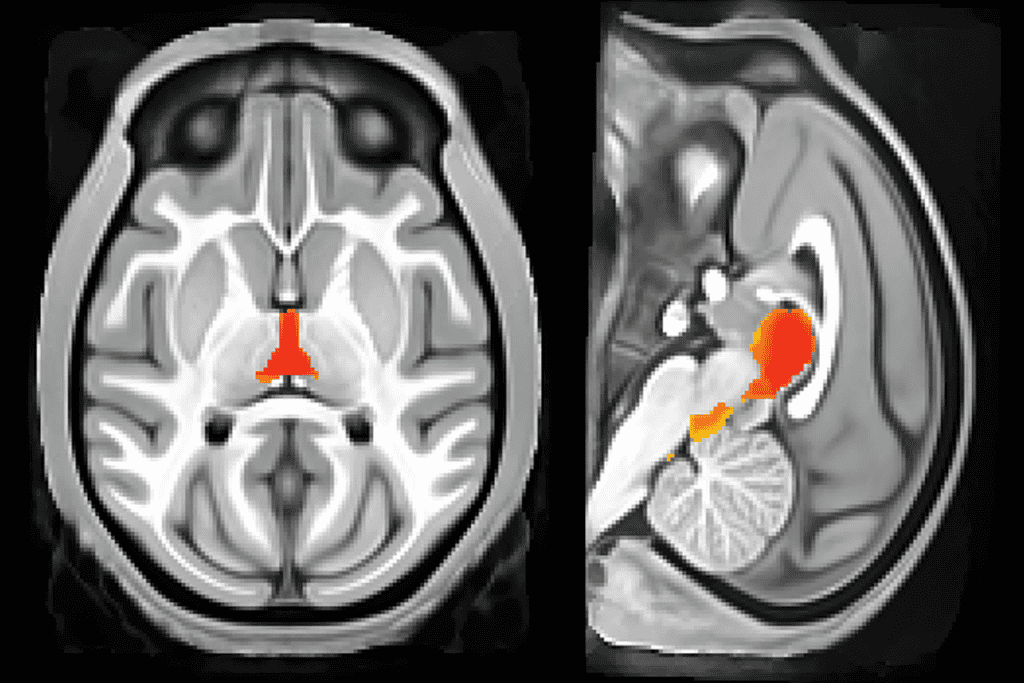
Acetaminophen effects on developing brain organoids; and more
Here is a roundup of autism-related news and research spotted around the web for the week of 12 October.
Acetaminophen effects on developing brain organoids; and more
Here is a roundup of autism-related news and research spotted around the web for the week of 12 October.

Private initiative makes ‘historic’ investment in autism research
Aligning Research to Impact Autism has committed more than $450 million to build a new multidisciplinary research network to uncover the roots of profound autism and develop treatments.
Private initiative makes ‘historic’ investment in autism research
Aligning Research to Impact Autism has committed more than $450 million to build a new multidisciplinary research network to uncover the roots of profound autism and develop treatments.
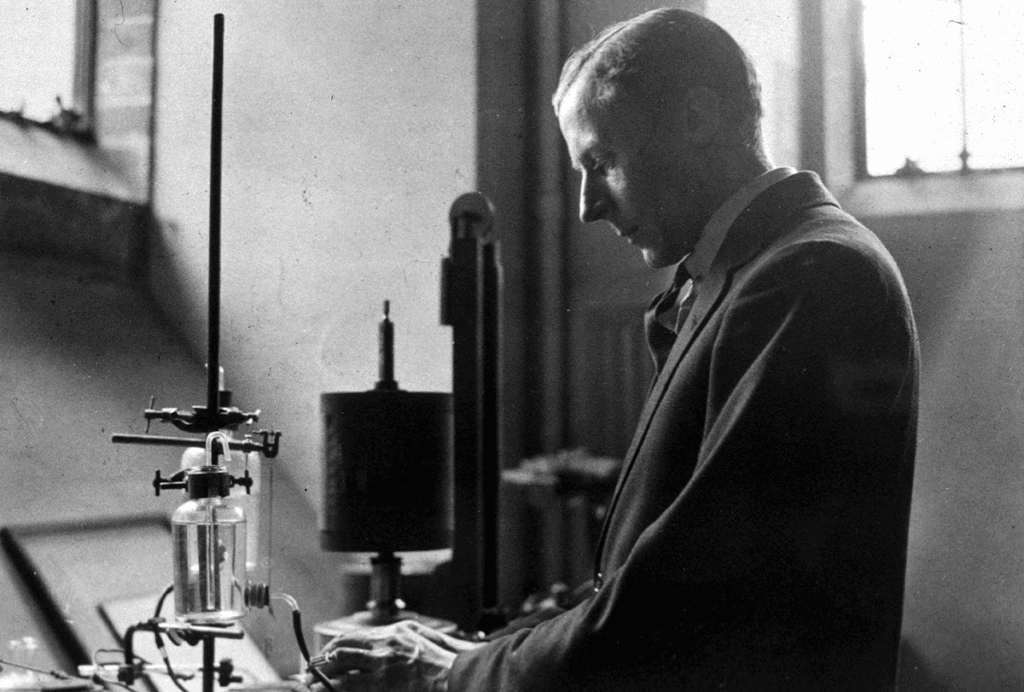
The neural code at 100
In two 1926 articles, Edgar Douglas Adrian revealed that neurons communicate through trains of spikes.
The neural code at 100
In two 1926 articles, Edgar Douglas Adrian revealed that neurons communicate through trains of spikes.