Genome sequencing
Recent articles
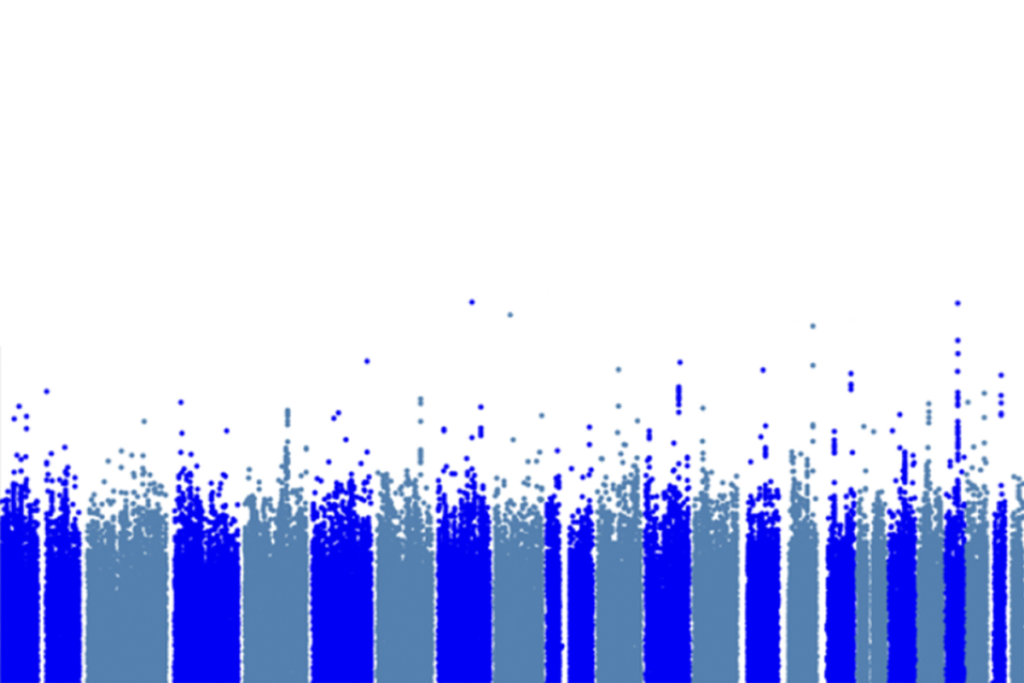
Revised statistical bar extracts less-common variants from autism genetics studies
Adjusting genetic analyses could help plug autism’s heritability gap, according to a new preprint.
Revised statistical bar extracts less-common variants from autism genetics studies
Adjusting genetic analyses could help plug autism’s heritability gap, according to a new preprint.
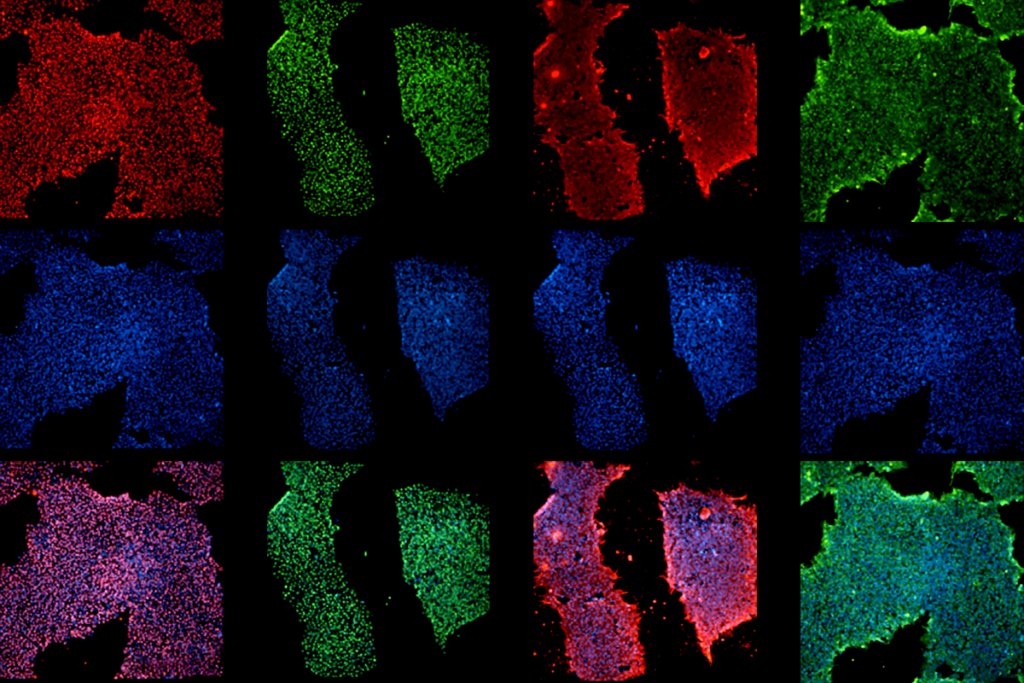
Bringing African ancestry into cellular neuroscience
Two independent teams in Africa are developing stem cell lines and organoids from local populations to explore neurodevelopmental and neurodegenerative conditions.
Bringing African ancestry into cellular neuroscience
Two independent teams in Africa are developing stem cell lines and organoids from local populations to explore neurodevelopmental and neurodegenerative conditions.
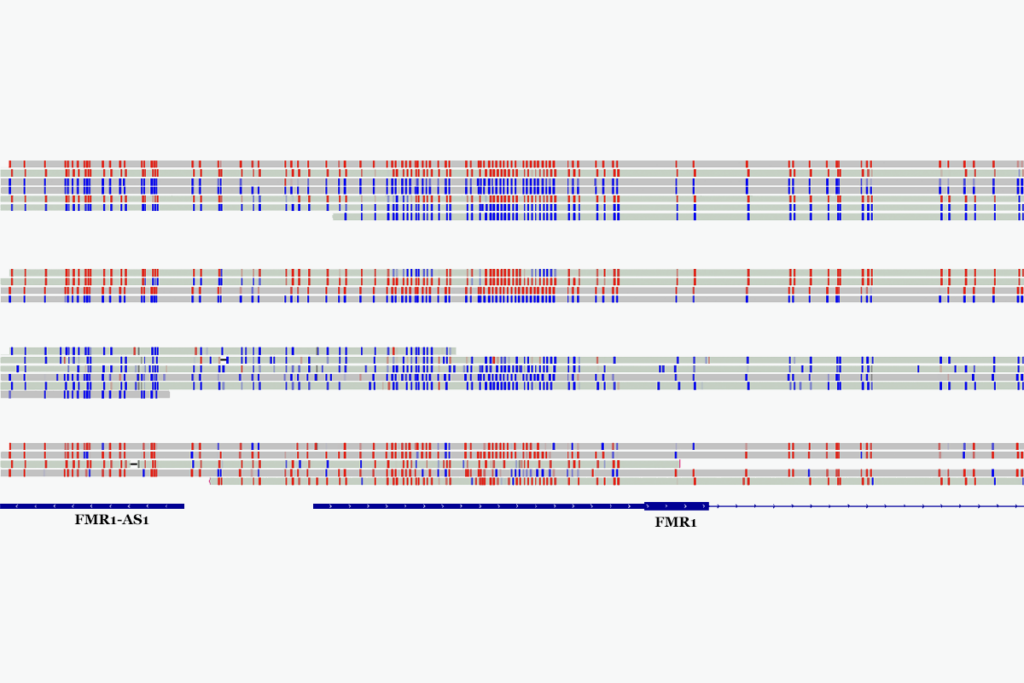
Long-read sequencing unearths overlooked autism-linked variants
Strips that are thousands of base pairs in length offer better resolution of structural variants and tandem repeats, according to two independent preprints.
Long-read sequencing unearths overlooked autism-linked variants
Strips that are thousands of base pairs in length offer better resolution of structural variants and tandem repeats, according to two independent preprints.
Cell ‘antennae’ link autism, congenital heart disease
Variants in genes tied to both conditions derail the formation of cilia, the tiny hair-like structure found on almost every cell in the body, a new study finds.
Cell ‘antennae’ link autism, congenital heart disease
Variants in genes tied to both conditions derail the formation of cilia, the tiny hair-like structure found on almost every cell in the body, a new study finds.
Explore more from The Transmitter
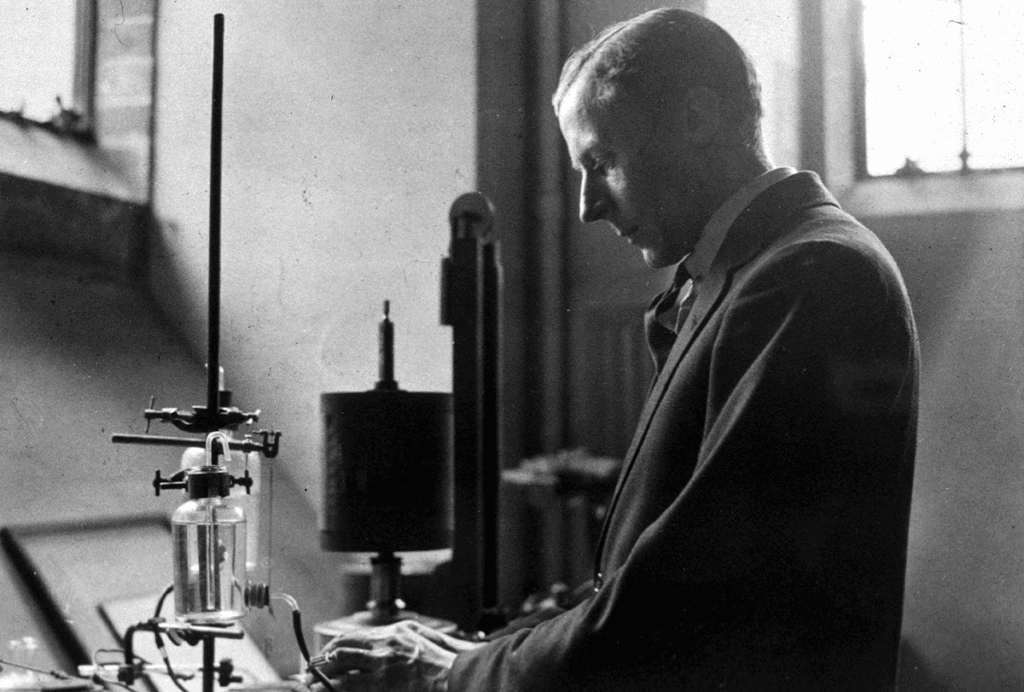
The neural code at 100
In two 1926 articles, Edgar Douglas Adrian revealed that neurons communicate through trains of spikes.
The neural code at 100
In two 1926 articles, Edgar Douglas Adrian revealed that neurons communicate through trains of spikes.
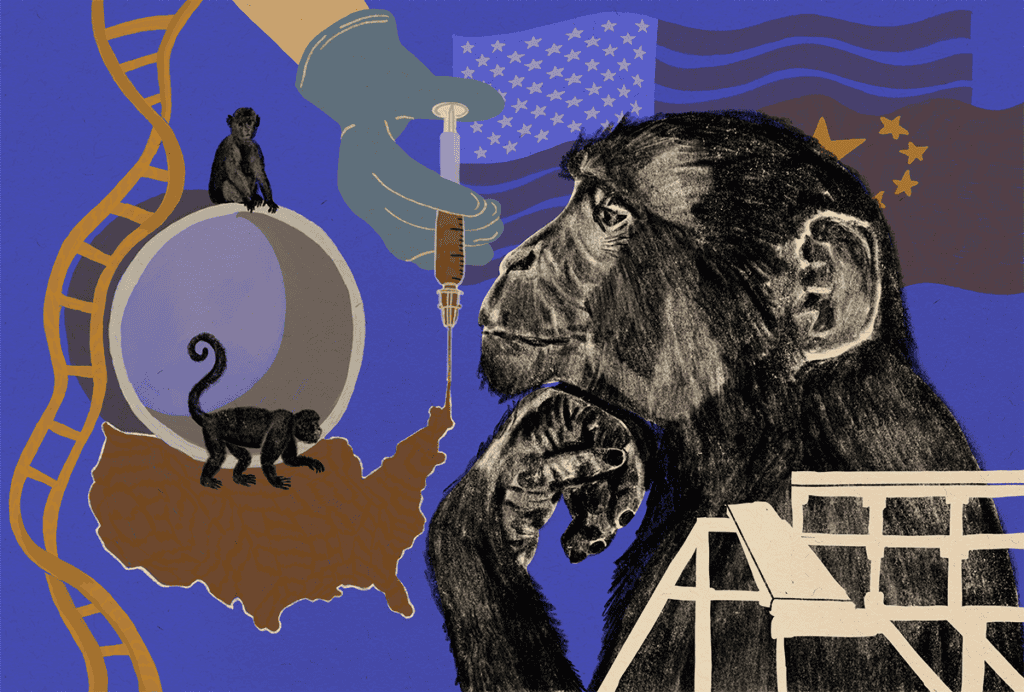
U.S. national primate research centers face an uncertain future
The facilities were meant to last 100 years. Four decades shy of that mark, amid flatlined funds and mounting political pressure, their directors are trying to find a path forward.
U.S. national primate research centers face an uncertain future
The facilities were meant to last 100 years. Four decades shy of that mark, amid flatlined funds and mounting political pressure, their directors are trying to find a path forward.
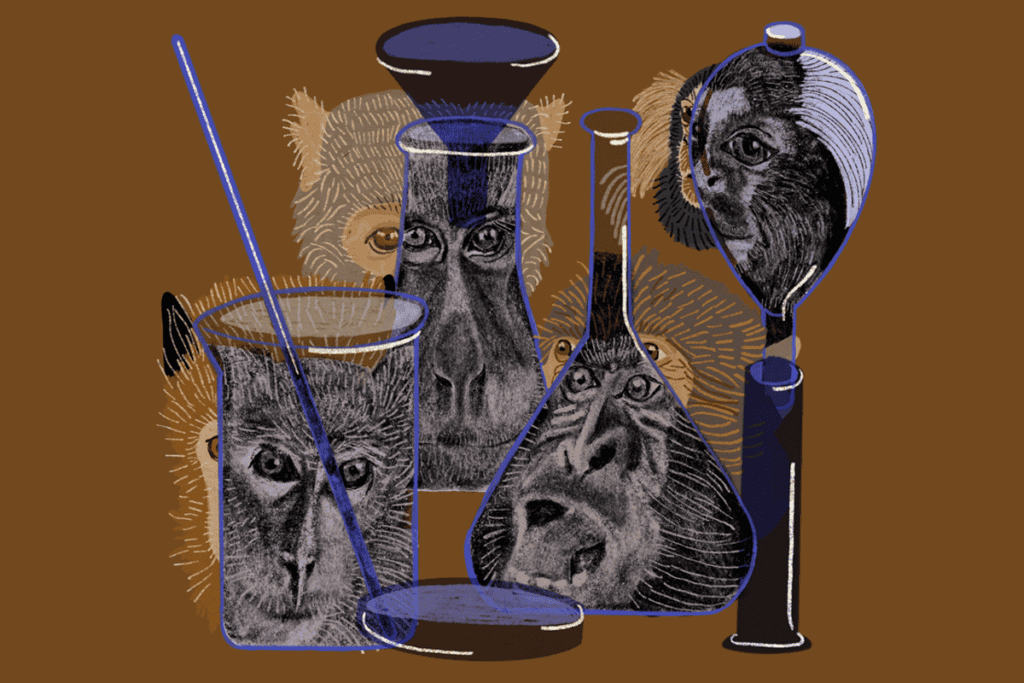
What if nonhuman primate research goes away?
As the U.S. government takes steps to stop using nonhuman primates in research, The Transmitter investigates what that shift could mean for neuroscience.
What if nonhuman primate research goes away?
As the U.S. government takes steps to stop using nonhuman primates in research, The Transmitter investigates what that shift could mean for neuroscience.