NeuroAI
Recent articles
Advances and insights on the intersection between neuroscience and artificial intelligence
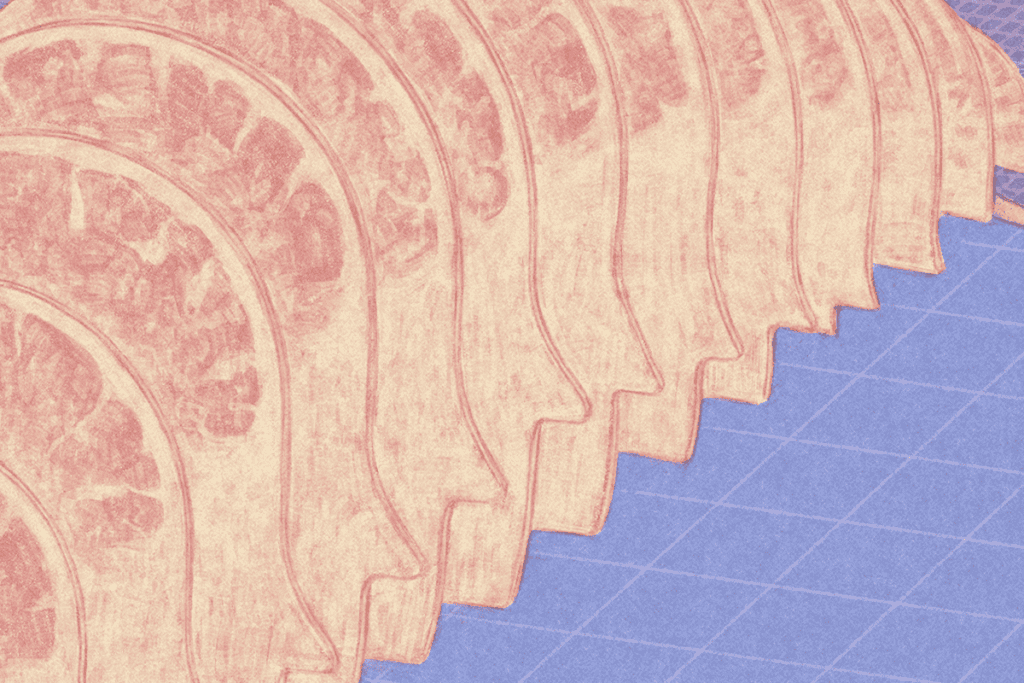
Commentary: Citation graphs may underestimate neuroscience’s influence on AI
An alternative, albeit less quantitative, way to trace this history is through the people who carried ideas between the fields.
Commentary: Citation graphs may underestimate neuroscience’s influence on AI
An alternative, albeit less quantitative, way to trace this history is through the people who carried ideas between the fields.
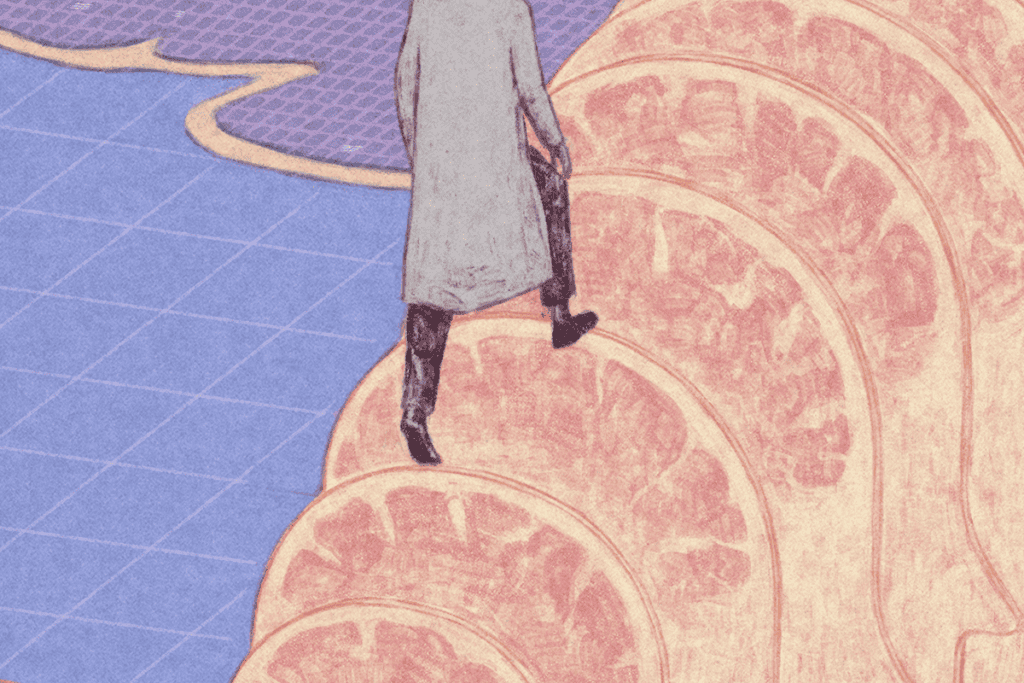
Commentary: The rising absolute number of neuro-inspired AI papers represents a substantial footprint
Many of the design choices present in the current generation of artificial-intelligence tools parallel purported properties of the brain.
Commentary: The rising absolute number of neuro-inspired AI papers represents a substantial footprint
Many of the design choices present in the current generation of artificial-intelligence tools parallel purported properties of the brain.
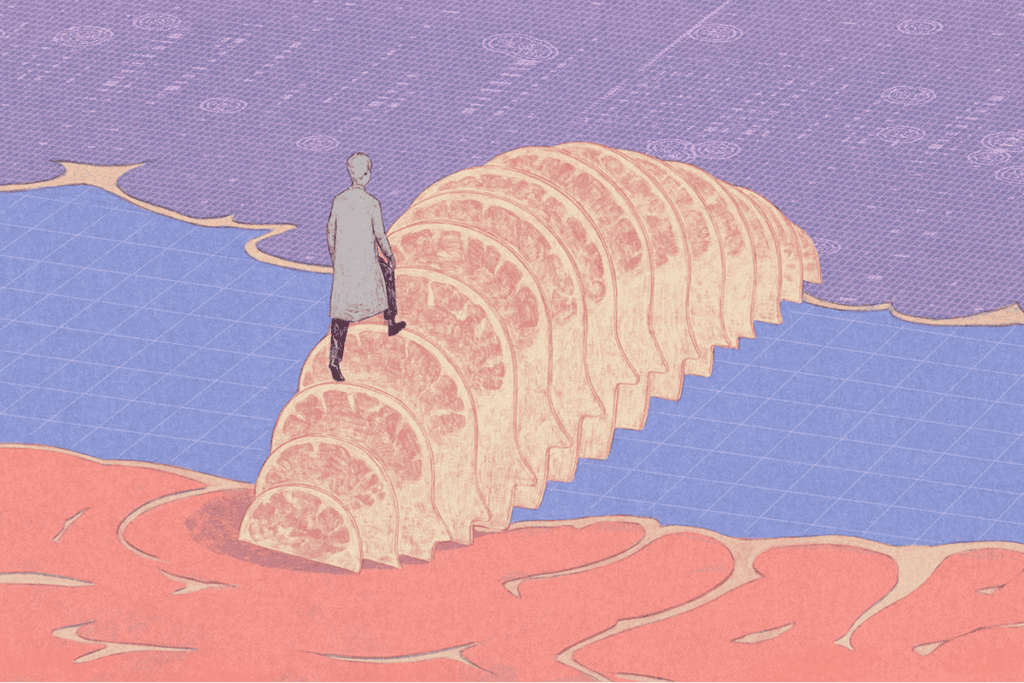
Examining the bridge between neuroscience and AI
A citation analysis reveals that the connection between the two fields is real and gaining momentum. But it’s also narrow and tool-heavy; we need to find ways to widen it.
Examining the bridge between neuroscience and AI
A citation analysis reveals that the connection between the two fields is real and gaining momentum. But it’s also narrow and tool-heavy; we need to find ways to widen it.
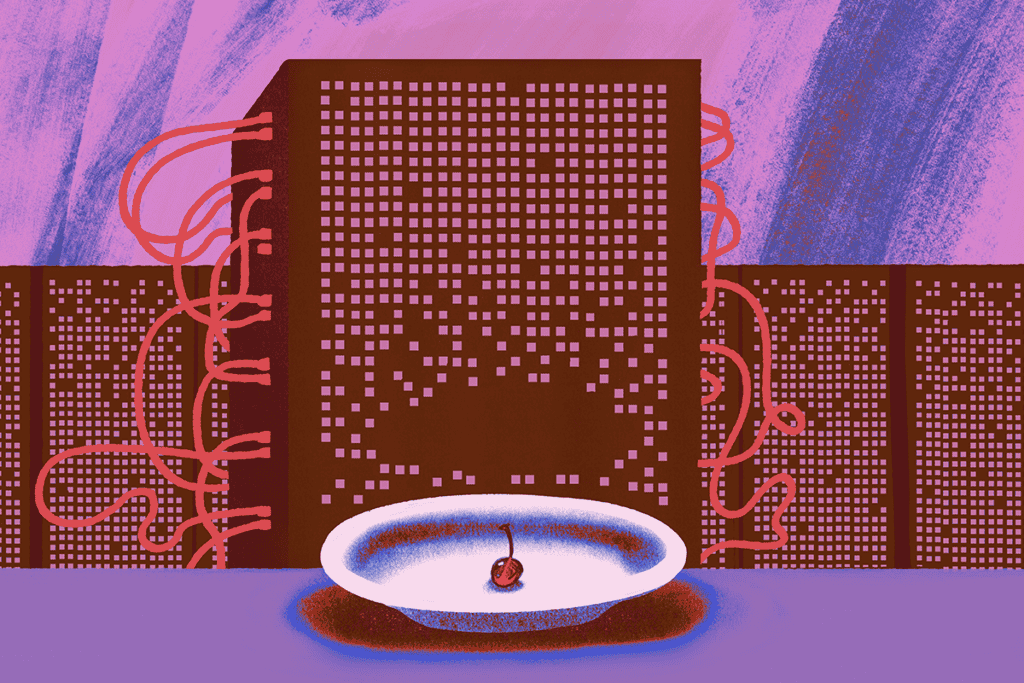
What AI can learn from hunger
To enhance AI safety, take a lesson from biological brains; a small set of wants maintains durable control over a much larger cognitive system.
What AI can learn from hunger
To enhance AI safety, take a lesson from biological brains; a small set of wants maintains durable control over a much larger cognitive system.
When we sleep, our brain is filled with spontaneous neural activity. What is it doing?
Daniel Levenstein explains how internally generated brain activity during sleep shapes our cognition, and why NeuroAI is such a powerful approach to understanding the brain.
When we sleep, our brain is filled with spontaneous neural activity. What is it doing?
Daniel Levenstein explains how internally generated brain activity during sleep shapes our cognition, and why NeuroAI is such a powerful approach to understanding the brain.
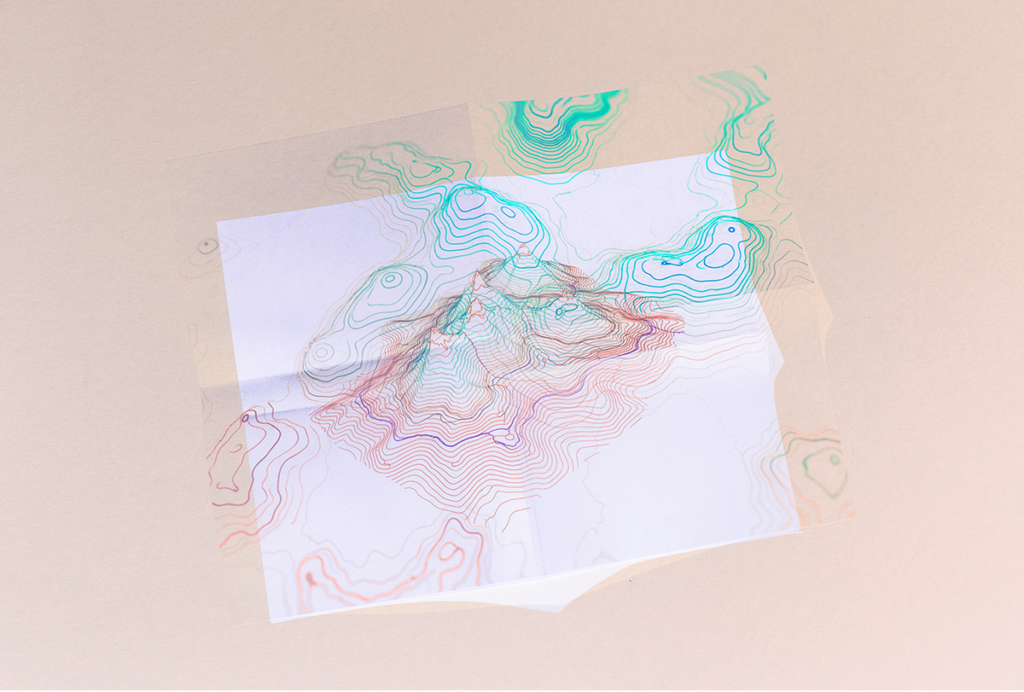
Why neural foundation models work, and what they might—and might not—teach us about the brain
These models can partly generalize across species, brain regions and tasks, suggesting that a set of machine-learnable rules govern neural population activity. But will we be able to understand them?
Why neural foundation models work, and what they might—and might not—teach us about the brain
These models can partly generalize across species, brain regions and tasks, suggesting that a set of machine-learnable rules govern neural population activity. But will we be able to understand them?

The Transmitter’s favorite essays of 2025
Throughout a tumultuous year in science, researchers opined on policy changes and funding uncertainty, as well as scientific trends and the impact of artificial-intelligence tools on the field.
The Transmitter’s favorite essays of 2025
Throughout a tumultuous year in science, researchers opined on policy changes and funding uncertainty, as well as scientific trends and the impact of artificial-intelligence tools on the field.
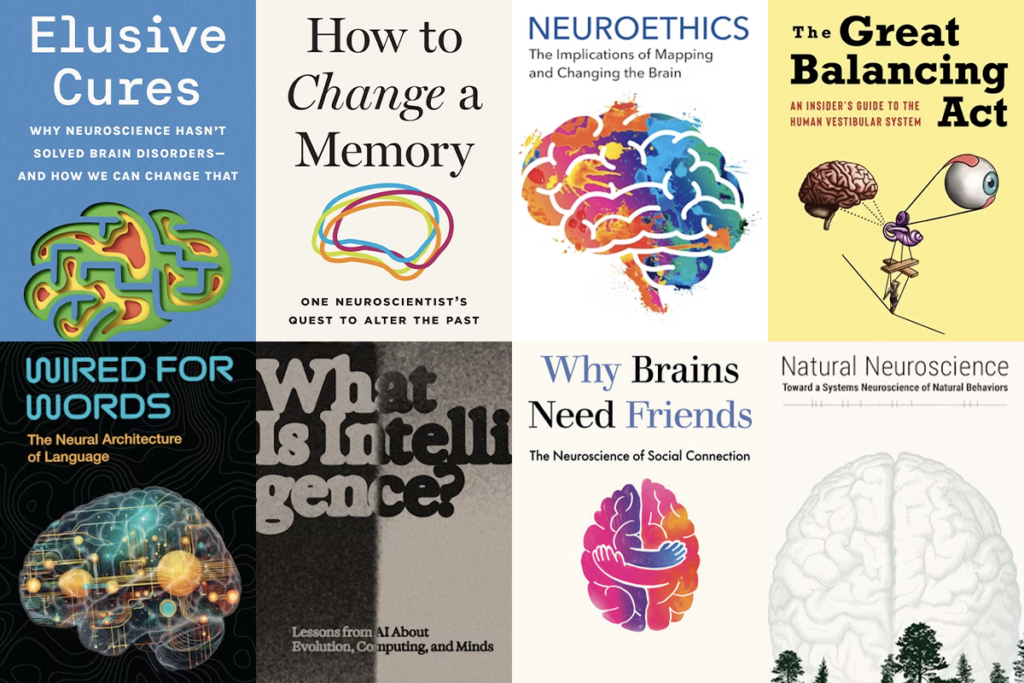
The Transmitter’s reading list: Six upcoming neuroscience books, plus notable titles in 2025
Dig into an exploration of the fundamental aspects of intelligence, a new textbook about theoretical neuroscience and a memoir about memory research, among other new releases.
The Transmitter’s reading list: Six upcoming neuroscience books, plus notable titles in 2025
Dig into an exploration of the fundamental aspects of intelligence, a new textbook about theoretical neuroscience and a memoir about memory research, among other new releases.
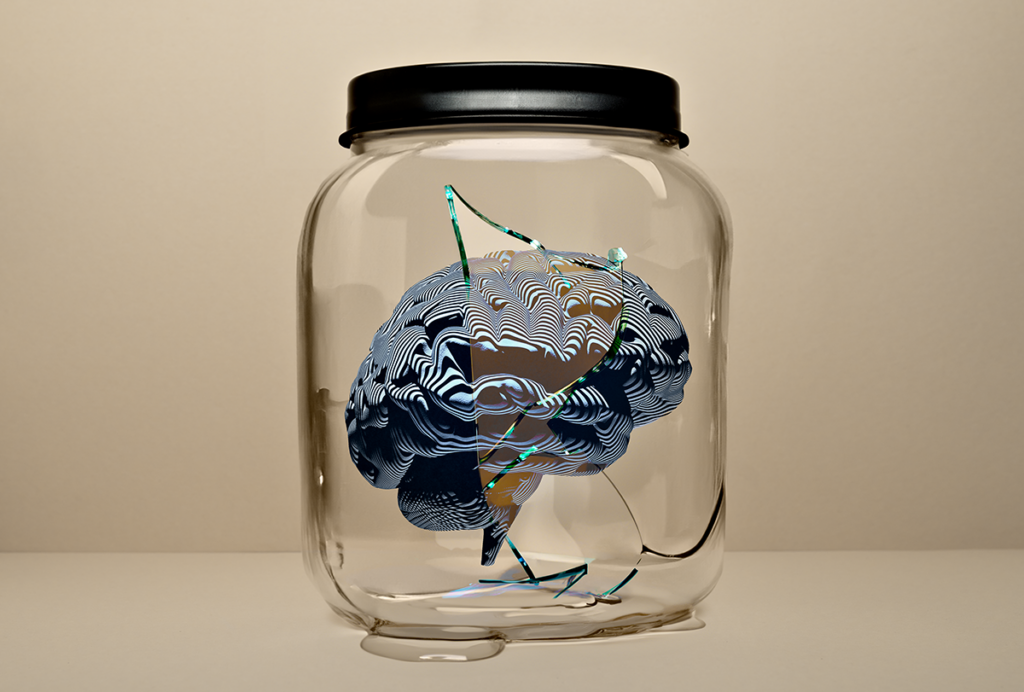
Breaking the jar: Why NeuroAI needs embodiment
Brain function is inexorably shaped by the body. Embracing this fact will benefit computational models of real brain function, as well as the design of artificial neural networks.
Breaking the jar: Why NeuroAI needs embodiment
Brain function is inexorably shaped by the body. Embracing this fact will benefit computational models of real brain function, as well as the design of artificial neural networks.

The BabyLM Challenge: In search of more efficient learning algorithms, researchers look to infants
A competition that trains language models on relatively small datasets of words, closer in size to what a child hears up to age 13, seeks solutions to some of the major challenges of today’s large language models.
Explore more from The Transmitter
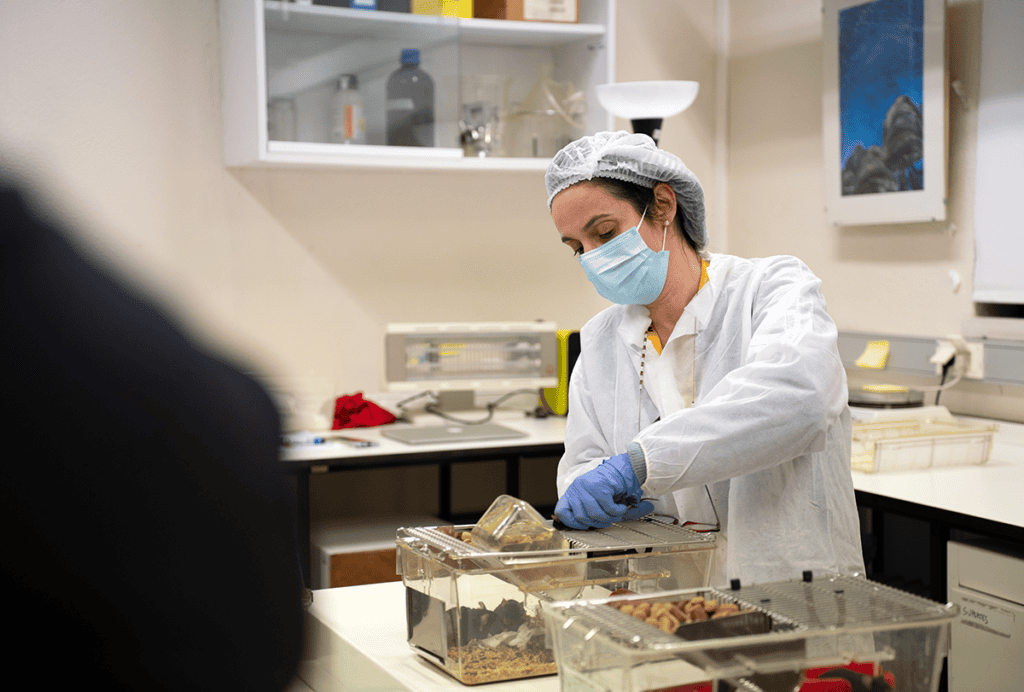
Public engagement can help cultivate support for animal research
The European Animal Research Association's Patient Discovery Project connects researchers with people who have the conditions they study. The learning goes both ways.
Public engagement can help cultivate support for animal research
The European Animal Research Association's Patient Discovery Project connects researchers with people who have the conditions they study. The learning goes both ways.
Brain registers spatial location outside hippocampus
A more complex picture of how an animal’s brain tracks its location is starting to emerge.
Brain registers spatial location outside hippocampus
A more complex picture of how an animal’s brain tracks its location is starting to emerge.
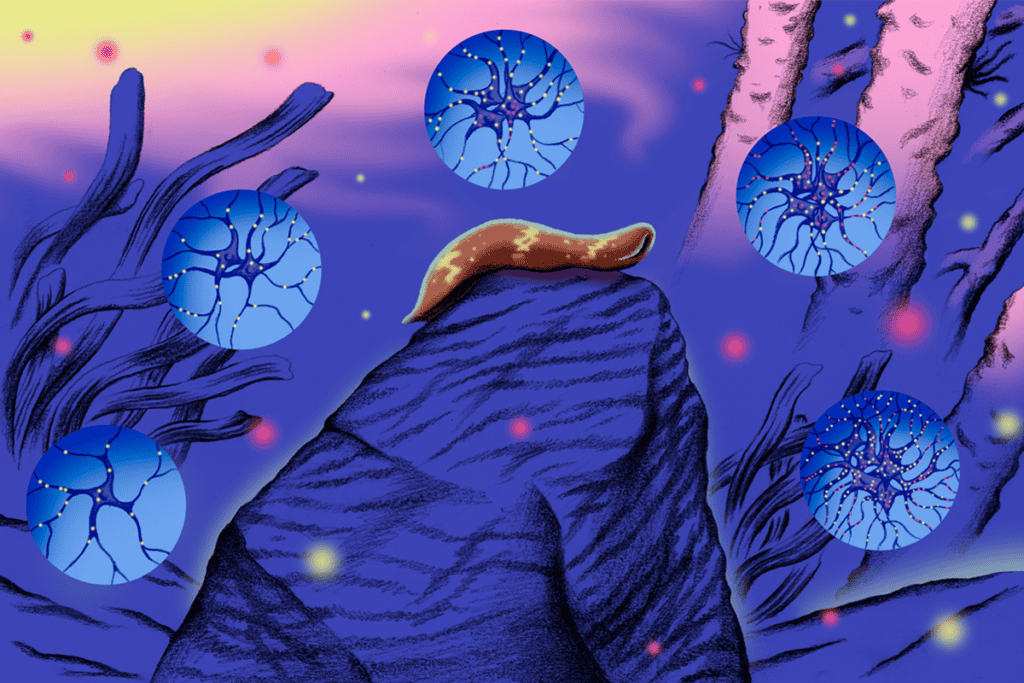
The three-banded panther worm is rewriting the story of brain evolution
The animal has a brain structure all its own, according to a 2026 preprint. The finding hints that brains could have evolved centralization before regionalization.
The three-banded panther worm is rewriting the story of brain evolution
The animal has a brain structure all its own, according to a 2026 preprint. The finding hints that brains could have evolved centralization before regionalization.