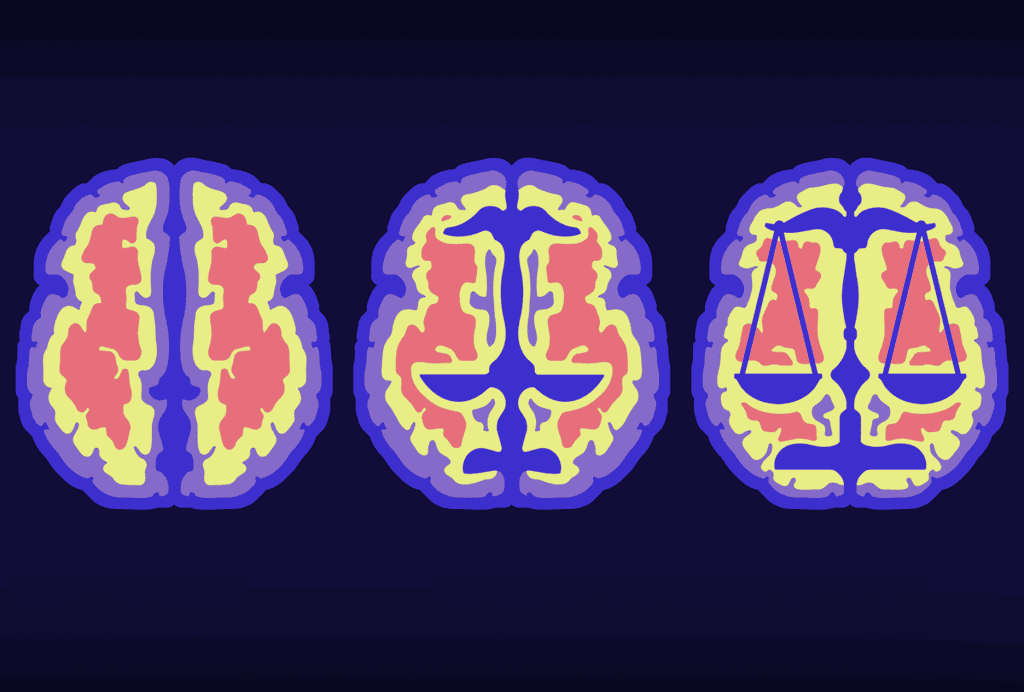
Profound proclamation: A Delphi consensus study proposes a new definition of “profound autism,” the category used to describe a subset of people with autism whose impairments require lifelong, round-the-clock care. More than 70 researchers, caregivers, autistic people and clinicians went through two rounds of voting and reviewing to settle on the definition: “Adaptive functioning well below age level, requiring adult supervision to ensure physical and mental health, safety and well-being, being at least 8 years old, diagnosed with [autism], and having severely impaired cognitive abilities (reflected by IQ score below 50) and/or not verbally communicating other than single words or fixed phrases used predominantly to have their basic needs met.” The Transmitter spoke with study investigator Matthew Siegel about this project in 2024.
Autism research spotted this week
- “PTEN subcellular localization dictates function” bioRxiv