Add us as a Preferred Source on Google

Biomarkers for autism, and more

Here is a roundup of autism-related news and research spotted around the web for the week of 24 August.

By Jill Adams
25 August 2026 | 2 min read

Measure up: A new paper details findings and considers the nuances inherent to the efforts of the Autism Biomarkers Consortium for Clinical Trials (ABC-CT), a multicenter project to identify useful biomarkers for autism research. Two measures—one derived from electroencephalography and the other from an eye-tracking task—have emerged as robust and reasonably stable over time. The Transmitter reported on these results when they were presented at the INSAR 2026 meeting. Although these biomarkers reliably distinguish autistic people from non-autistic people, they are heterogeneous across individuals and have only modest associations with clinical phenotypes.

Autism research spotted this week:

  • “POGZ safeguards neuronal gene chromatin architecture and transcription” bioRxiv
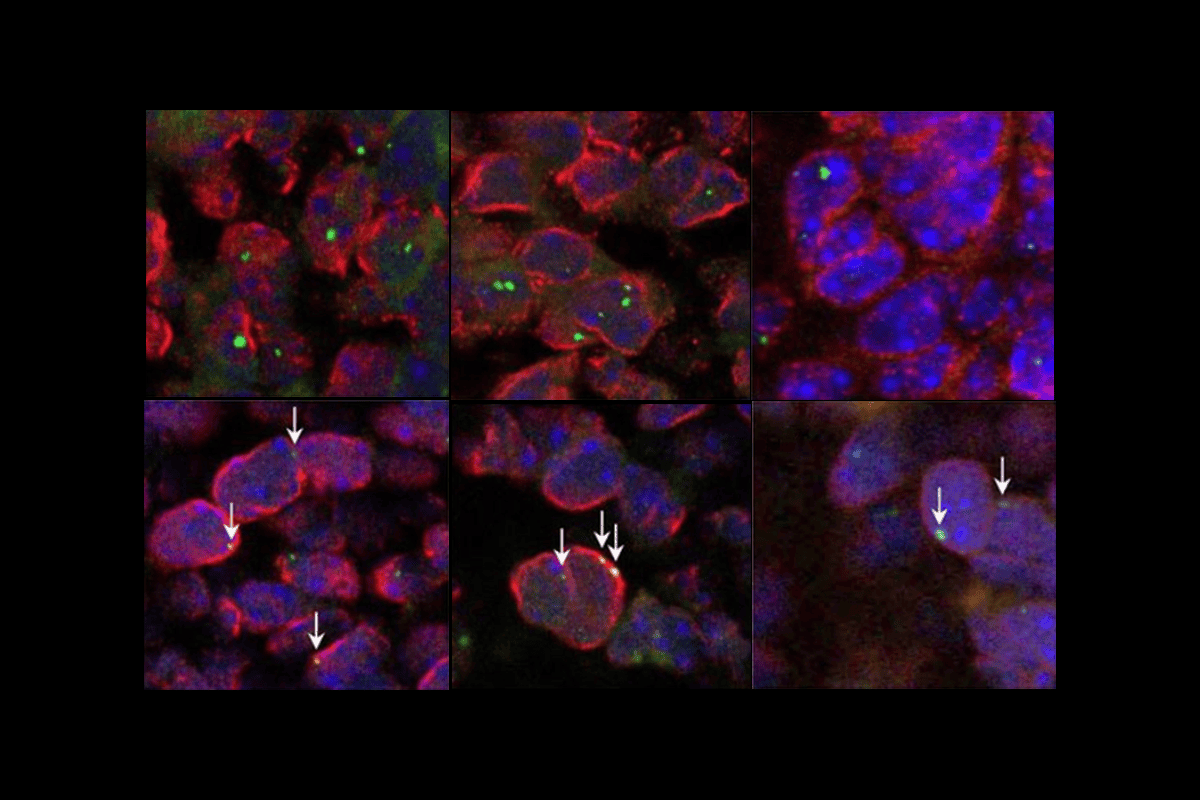
Research image of gene chromatin.
Moving out: Mice missing the autism-linked gene POGZ (bottom row) show altered histone distribution and repositioning of the neurodevelopmental genes ADGRL3 (left panel, points and arrows), FLRT2 (center) and SLITRK5 (right) compared with wildtype mice (top row).
  • “Early clinical prediction of neurodevelopmental outcome in KCNQ2-related disorders” medRxiv
  • “Maternal genetic liability to autism spectrum disorders and pregnancy outcomes” Archives of Women’s Mental Health
  • “Estimation of direct and indirect polygenic effects and gene-environment interactions using polygenic scores in case-parent trio studies” Nature Genetics
  • “Kennedy’s quiet hunt for autism culprits stalls as Trump orders baseless changes to childhood shots” KFF Health News
    See also: “Neonatal medical male circumcision and child autism diagnosis” JAMA Pediatrics

Sign up for the weekly Spectrum newsletter.

Stay current with the latest advancements in autism research.