Add us as a Preferred Source on Google

Federal advisory panel extends comment period, and more

Here is a roundup of autism-related news and research spotted around the web for the week of 27 July.

By Jill Adams
28 July 2026 | 1 min read

Call for comment: On 20 July, the U.S. Interagency Autism Coordinating Committee released a working draft of its 2026-2028 strategic plan. The plan is intended to lay out priorities for autism research, services and policy. This week, the committee agreed to extend its comment period from 4 days to 30, after multiple advocacy groups requested more time to review the 336-page document. The deadline for weighing in on this draft is now 20 August 2026.

Autism research spotted this week:

  • “Genomic landscape of rare variants in a Chinese autism cohort and discovery of novel risk genes” Molecular Psychiatry
  • “Astrocytic FMRP regulates the function of spinal parvalbumin-expressing neurons in fragile X syndrome” bioRxiv
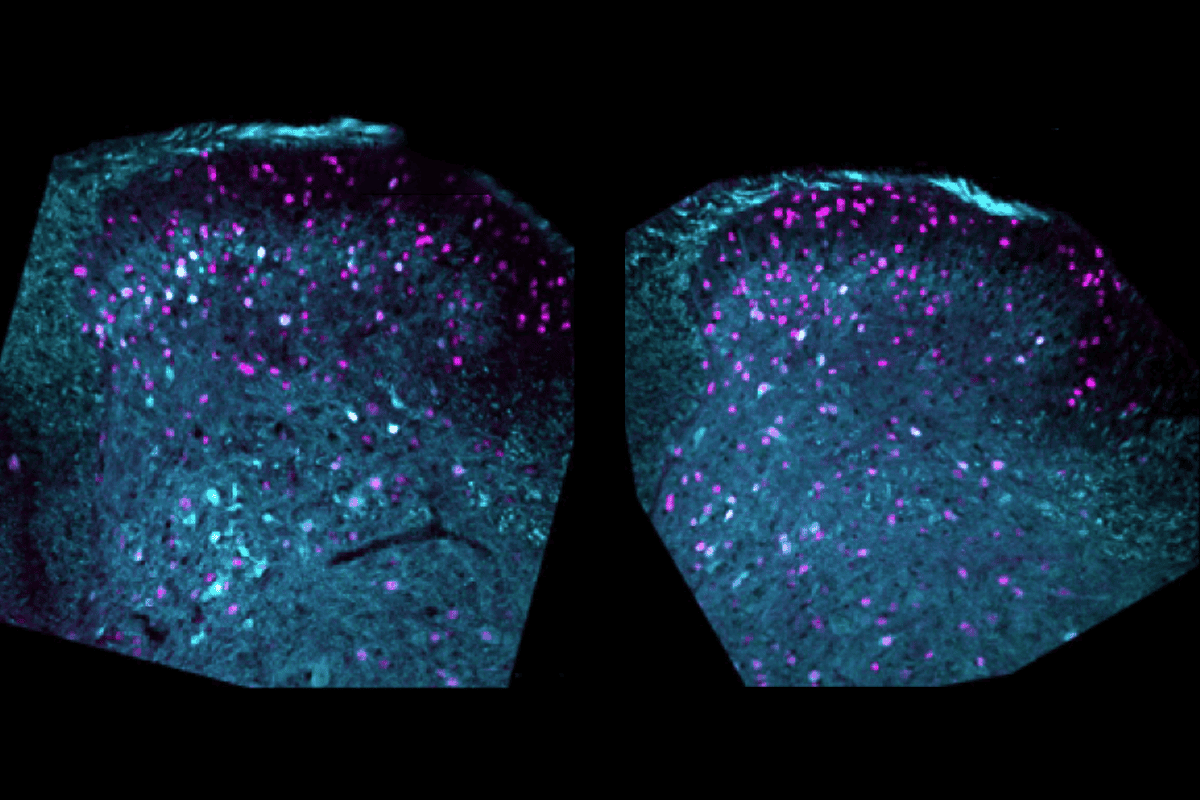
Research image of inhibitory neurons and parvalbumin-expressing neurons.
Spinal deficit: Mice missing the FMR1 gene, a model of fragile X syndrome (right), have fewer inhibitory neurons (pink) and even fewer parvalbumin-expressing neurons (blue) in the dorsal horn than do wildtype mice (left).
  • “Altered aperiodic EEG spectral power during speech perception task is associated with verbal communication in youths with autism spectrum disorder” Scientific Reports
  • “The Q1K integrated EEG and eye-tracking experimental test battery for open autism science” bioRxiv
  • “What’s behind the rise in mild autism?” The Atlantic

Sign up for the weekly Spectrum newsletter.

Stay current with the latest advancements in autism research.