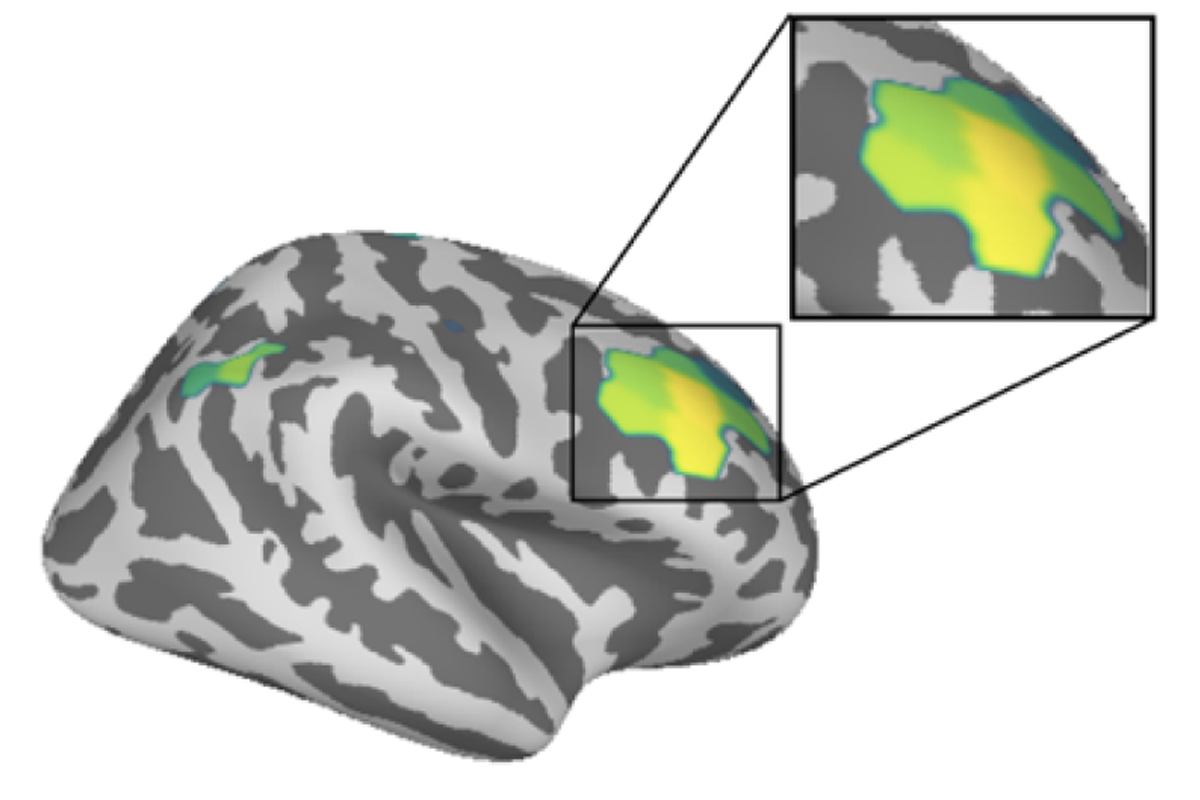
Brain waves: Excess GABA-A receptor function contributes to the phenotypes seen in children with dup15q syndrome, including autism traits, epilepsy and intellectual disability, according to a new paper. The duplicated stretch of chromosome 15 in people with the syndrome includes several genes, including UBE3A and three GABA-A receptor submit genes. Investigators recorded EEG activity—specifically, they focused on oscillatory activity in the beta band (16 to 32 hertz)—and found that EEG profiles in children with dup15q syndrome are elevated compared with children without the syndrome. Further, EEG profiles correlated with cognitive ability and adaptive behaviors. The results suggest a significant role for GABA-A receptors in the neurodevelopmental condition.
Autism research spotted this week:
- “Nuances of double empathy in autistic and non-autistic people: Examination using the empathic accuracy paradigm” Molecular Autism
- “Cortical excitation–inhibition balance in autism varies by brain region and age” bioRxiv